← Back to the Laval map
Area · Fabreville, City of Laval

Fabreville

Streets named after people, a 50-hectare maple grove in the middle of the bungalows, and farms selling their strawberries on Dagenais. Here's my top 10, neighbour's version, not brochure version.

Let's talk about this area

Fabreville occupies the northwest corner of Laval, between the rivière des Mille Îles and Highway 15. From my home base in Verdun, I take Highway 13 and head straight up to the Dagenais exit. It's one of the most populous neighbourhoods in the city, with close to 46,000 residents, and yet it's also one my island clients have never heard of.

On the ground, that means quiet streets of bungalows and cottages, woodlots the City eventually got around to protecting, and real cultivated fields a few minutes from the highways. The kind of area where families stay twenty years, sell to other families, and where the corner house backing onto a trail is gone before the sign goes up.

I put this top 10 together for a simple reason: when you buy or sell, you're not just shopping for a property, you're shopping for a neighbourhood life. Every point comes with an opening for a conversation. Use it.

Maxime Laforest, residential and commercial real estate broker · Équipe Loiselle, RE/MAX Dynamique

The area's top 10

What makes Fabreville tick.

Ten reasons buyers end up looking at the northwest corner of Laval, and why the ones who settle in never leave.

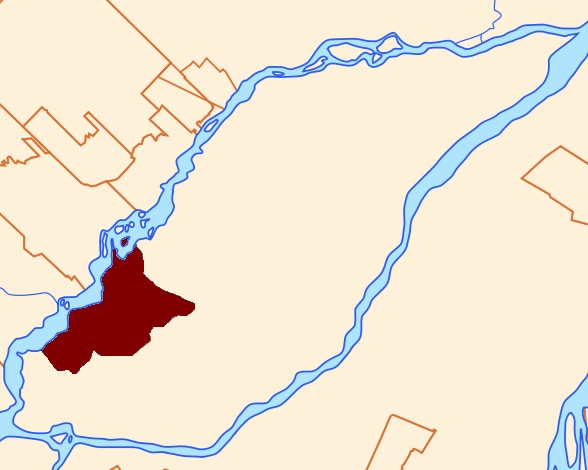
01 Map of Laval showing the location of the Fabreville neighbourhood, in the northwest of Île Jésus
The picture

Laval's second most populous neighbourhood

With 45,919 residents at the 2011 census, Fabreville ranks second among Laval's fourteen neighbourhoods for population. That's more people than in plenty of Quebec towns considered large. The rivière des Mille Îles closes off the area to the northwest, Sainte-Rose starts on the other side of Highway 15, Chomedey and Sainte-Dorothée sit to the south, and Laval-Ouest to the southwest.

Ask me about it: ask me why a neighbourhood this big stays so under the radar. That's often where the good opportunities are hiding for a buyer coming from the island.
02
The history

A city founded in 1957, now a neighbourhood

The western part of the parish of Sainte-Rose took the name of the town of Fabreville in 1957. In 1960, it ceded the area east of the Autoroute des Laurentides to Sainte-Rose, which became the natural border between the two. On August 6, 1965, Fabreville ceased to exist as a municipality and joined the new City of Laval along with thirteen others. The name, made official in 1968, honours Édouard-Charles Fabre, bishop of Montreal from 1876 to 1896.

Ask me about it: ask me what that old border still changes today. Two neighbouring streets can belong to two neighbourhoods that don't shop the same way.
03
The streets

Streets named after people

Anik, Basile, Fabiola, Jovette, Lisane, Ovide, Éricka. Driving through Fabreville feels like reading a list of baptisms rather than a city map: dozens of residential streets carry a simple first name. Toward the west, the neighbourhood shifts into numbered avenues, from 1st to 59th, like its neighbour Laval-Ouest. And one section borrows the names of cities from around the world, from Bordeaux to Odessa by way of Genoa and Caracas.

Ask me about it: ask me what a street name reveals about a house's age. In this neighbourhood, you can almost guess it before opening the listing.
04
Nature

Bois de la Source, a maple grove in the middle of the city

Fifty hectares of mature maple grove surrounded by residential streets, protected since 2006 under a conservation agreement between the City and the Ministry of the Environment. Laval consulted its residents to turn it into a conservation park, and it's run by CANOPÉE, Laval's woodlot network. People walk it in summer, break out the snowshoes and skis in winter, and the City lends out snowshoes, ice cleats, and walking poles on-site for free. Parking is available through Parc Saint-Édouard.

Ask me about it: ask me which streets back directly onto the woods. Those addresses aren't comparable to the rest of the area, and I like showing them on foot.
05
Waterfront

L'Orée des Bois, Locas Island, and the wildlife refuge

The L'Orée des Bois woodlot has trails, boardwalks over wetlands, and lookout points along the rivière des Mille Îles. Further out, all of Locas Island, 13.72 hectares, belongs to the City and sits within the Rivière-des-Mille-Îles wildlife refuge, created in 1998 and then expanded in 2022 to become the largest urban wildlife refuge in Quebec. To get to the water, the neighbourhood has the Mattawa shoreline and its dock, the Camille-Barbe shoreline, and the Plage-des-Îles shoreline.

Ask me about it: ask me the difference between living near a municipal shoreline and living right on the water. Both sell, but not to the same buyer.
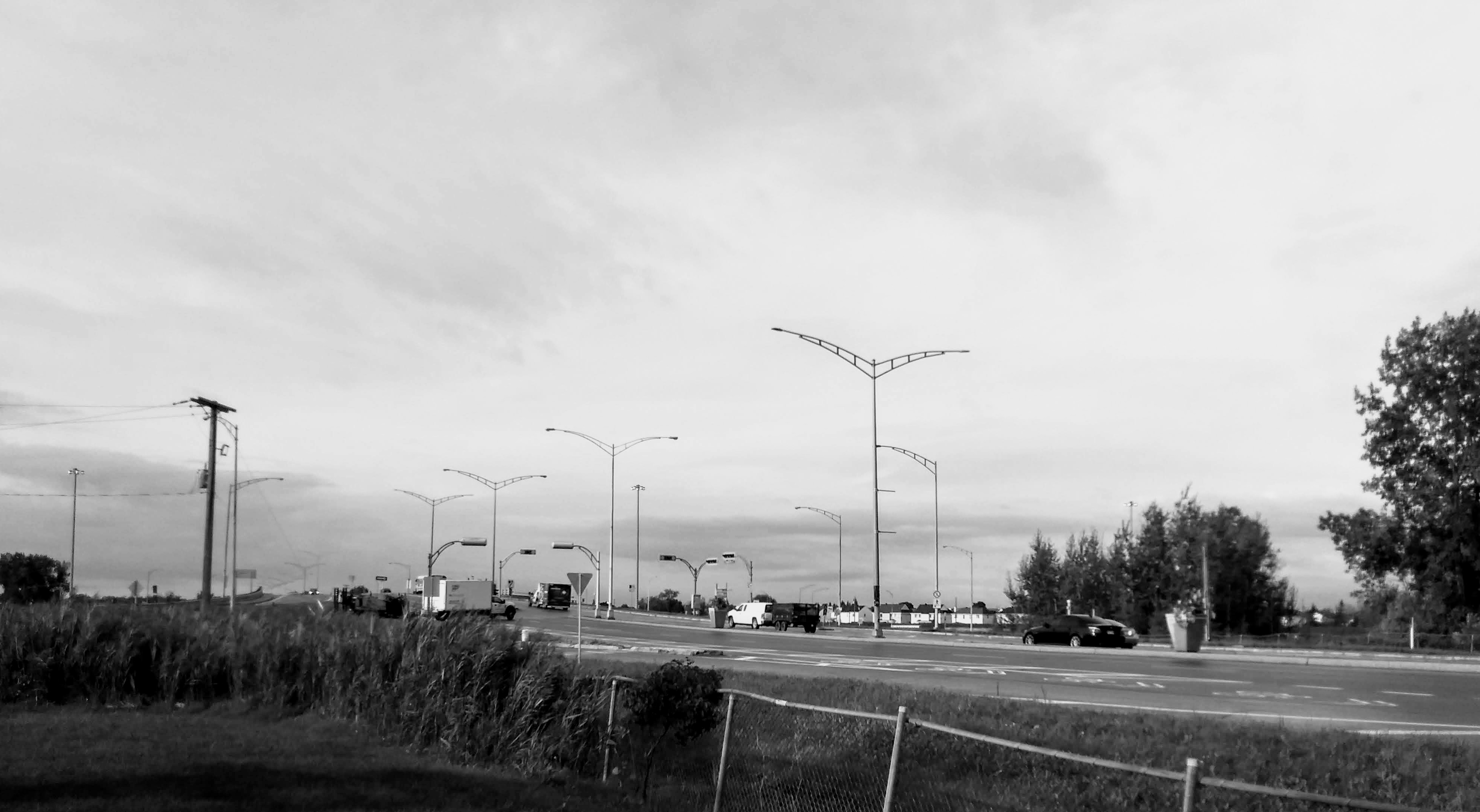
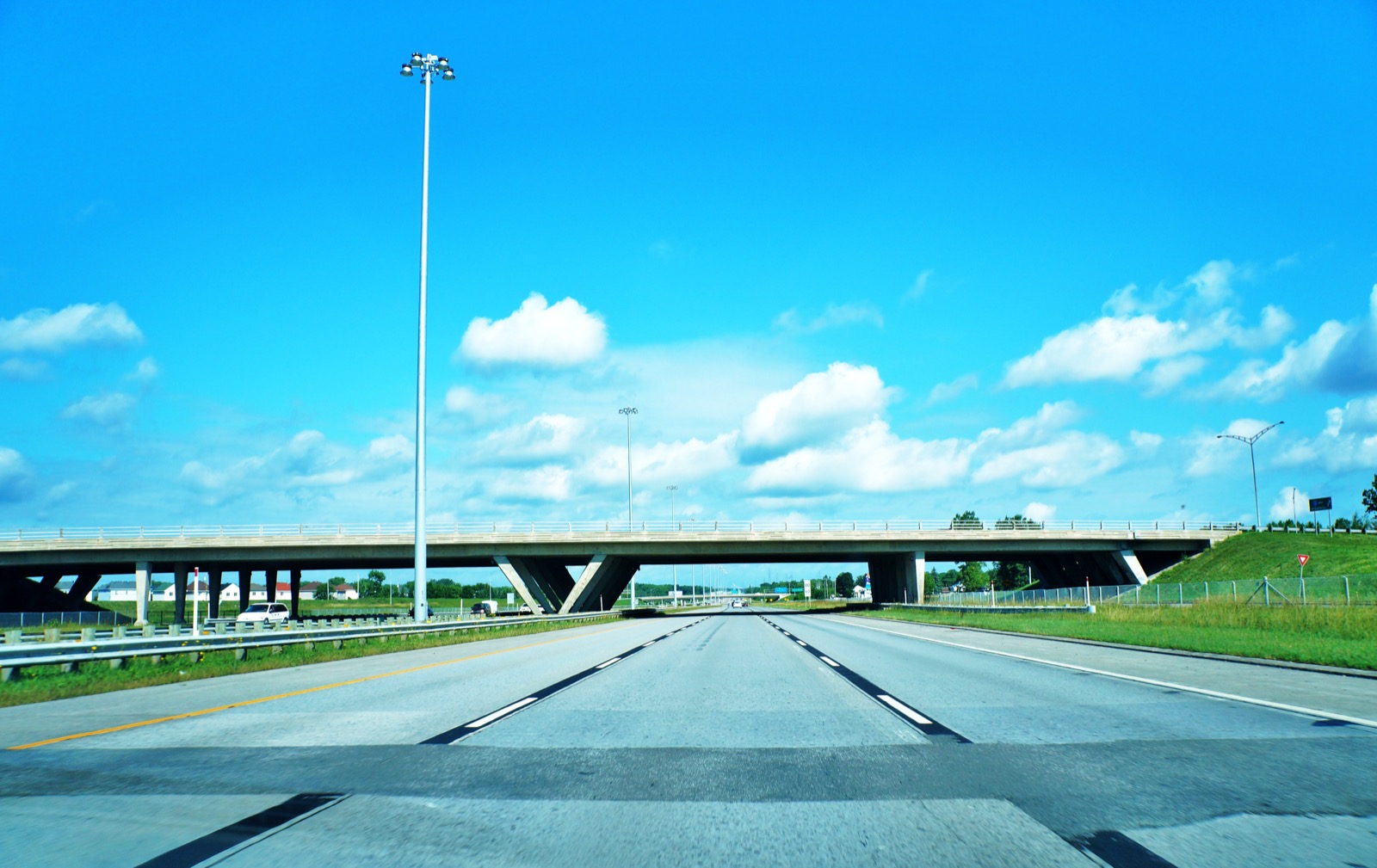
06 Highway 13 heading north and an overpass, at Fabreville
Access

Highway 13, right at the end of the street

Highway 13, the Autoroute Chomedey, crosses Fabreville from south to north with exits at Dagenais and Sainte-Rose, then crosses the rivière des Mille Îles via the Vachon bridge toward Boisbriand and Highway 640. Heading south, it meets Highway 440 and Highway 40 and gets you to the airport without a detour. To the east, Highway 15 borders the neighbourhood and heads down toward Montreal. For a couple working on both sides of the river, it's hard to beat.

Ask me about it: ask me which streets get the access without the noise. There's a band where it comes down to a few hundred metres either way.
07 Boulevard Dagenais Ouest near Highway 13, in the centre of Fabreville
The main streets

Dagenais and Curé-Labelle, the two pillars

Boulevard Dagenais runs east-west through the centre of the neighbourhood, while Boulevard Curé-Labelle, the old Route 117, runs along the east side. Almost every business in the area sits on one or the other, and the rest fits into residential streets that barely see any traffic. Between the two, Montée Montrougeau and Montée Sauriol still carry the names from the rural land divisions that predate the bungalows.

Ask me about it: ask me how far you can walk to the grocery store depending on where you are. The answer changes a lot from one end of Dagenais to the other.
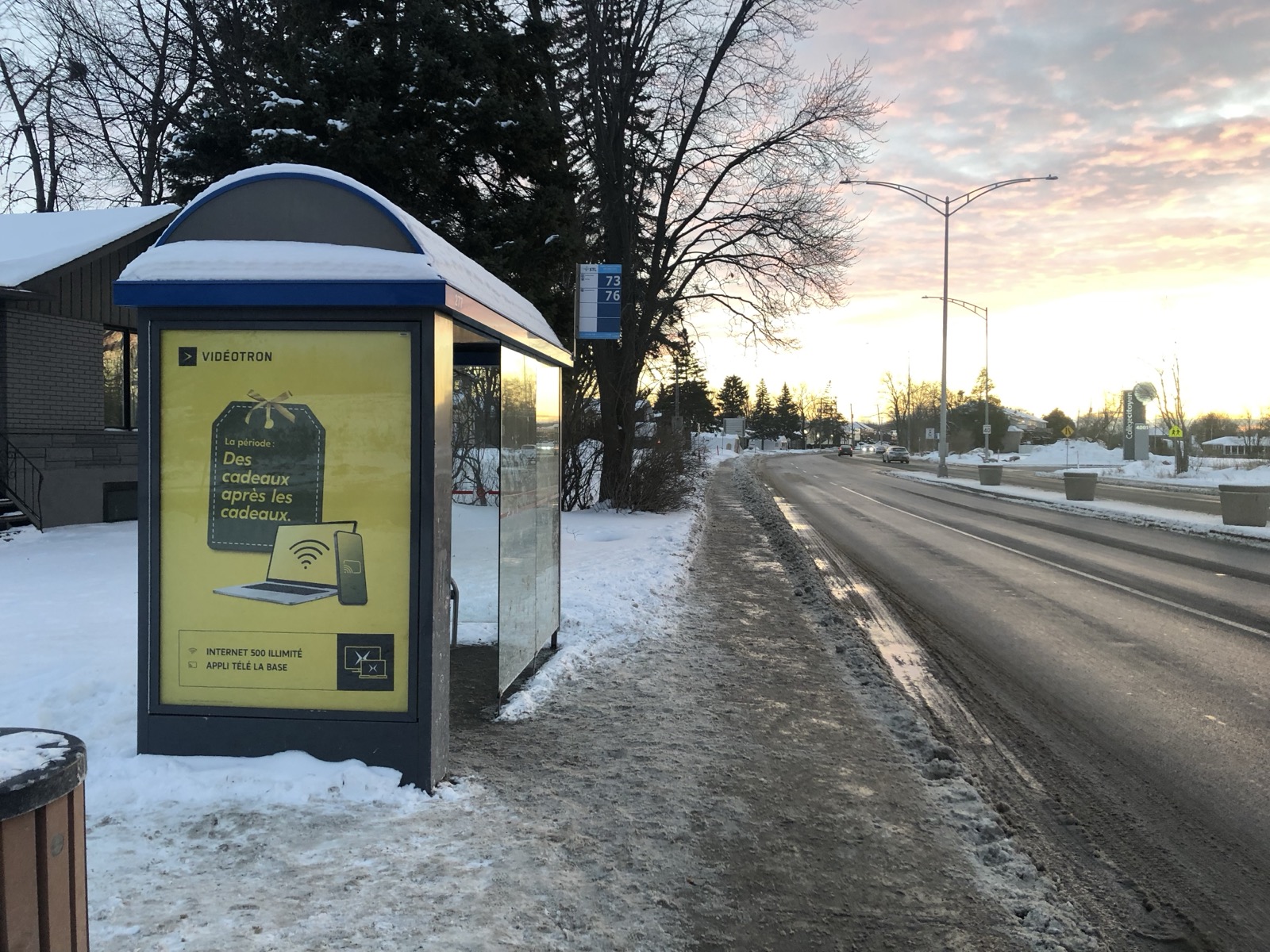
08 Société de transport de Laval bus shelter showing routes 73 and 76, in Fabreville
Transit

Buses that connect all the way to the REM

There's no train station in Fabreville, but the neighbourhood is better connected than it looks. STL routes 61 and 73 link the area to Montmorency and Cartier metro stations. The 76, 203, and 903 head down to the REM's Sainte-Dorothée station, which opened in November 2025 with the Deux-Montagnes branch. The 55 and 255 continue on to Henri-Bourassa metro and Montreal. And Sainte-Rose station, on exo's Saint-Jérôme line, is just across Highway 15.

Ask me about it: ask me what the REM's arrival at Sainte-Dorothée has changed for buyers around here. It's the question I get asked the most since 2025.
09
Family life

Poly-Jeunesse, the arena, and the library

Poly-Jeunesse secondary school is in the neighbourhood, with a public pool in the same building. Seven French-language elementary schools serve the area, along with the English-language schools Twin Oaks and Our Lady of Peace, run by the Sir Wilfrid Laurier school board, and Collège Citoyen in the private sector. Add in the Richard-Trottier arena, the Montrougeau community centre, and the Gabrielle-Roy library, at 3505 Boulevard Dagenais Ouest, which lends out telescopes and learn-to-ride bikes as well as books.

Ask me about it: ask me which school catchments young families target first. It's the factor that moves the most buyers in this part of town.
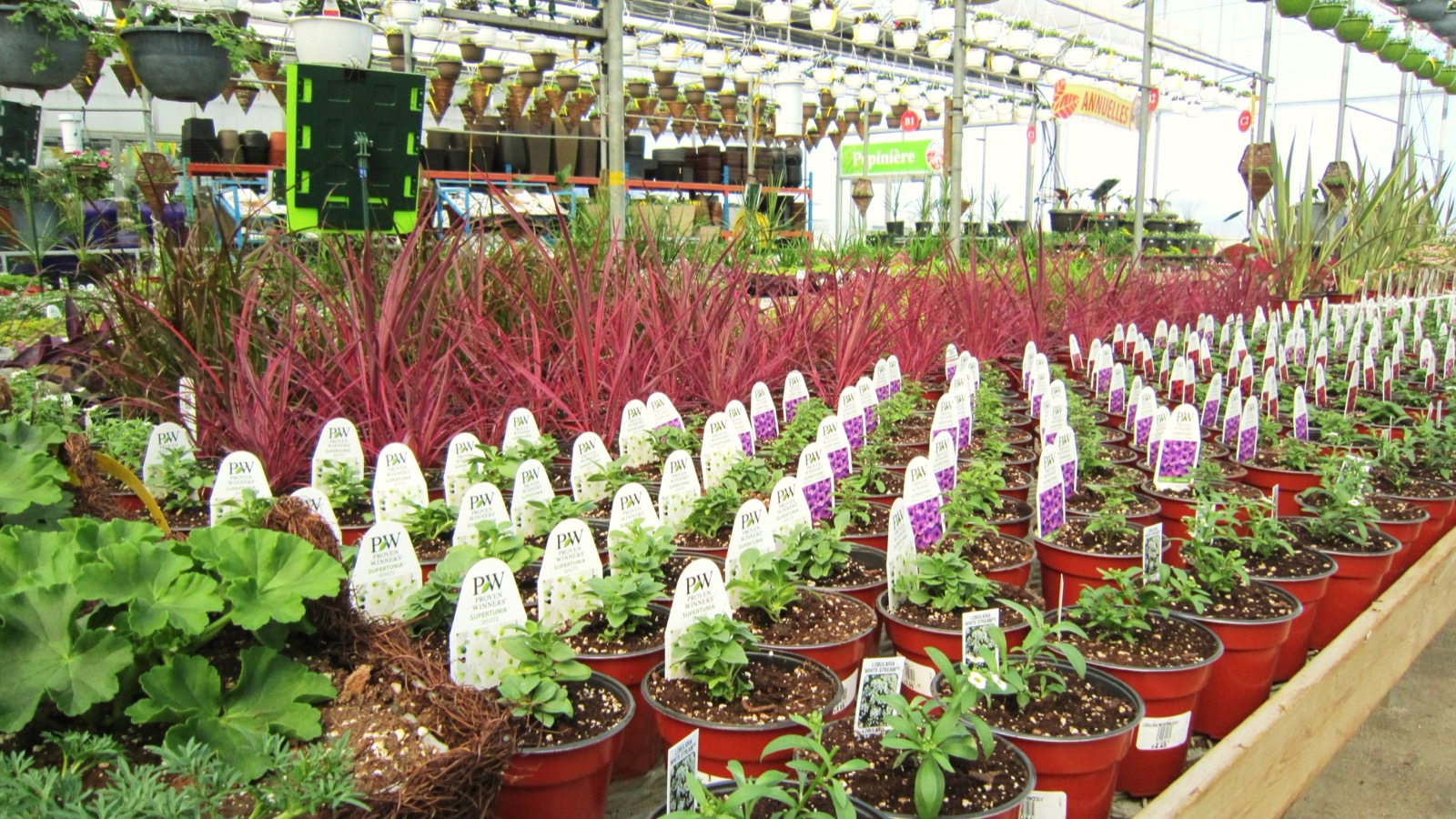
10 Greenhouses full of annual flowers at a garden centre in Fabreville, in Laval
Local colour

Six farm producers in a suburban neighbourhood

The City of Laval counts six producers in Fabreville. Ferme Marineau, on Dagenais, offers pick-your-own strawberries, blueberries, flowers, and pumpkins, a maze in the fields, and farm meals. À la Vieille Grange lets you pick your own tomatoes. Le Kiosque des Ancêtres has been selling vegetables roadside for so long that a bus stop on Boulevard Sainte-Rose is named after it. Les Serres P. Brisebois et fils and Botanix Jardins Zeillinger supply local gardens, and Domaine Brune Houblonde brews beer here.

Ask me about it: ask me where the permanent agricultural zone boundary runs. It explains a lot about what can and can't get built next to your house.
Let's talk

Thinking about buying or selling in Fabreville? Let's start with a conversation.

A free evaluation of your property, a picture of the local market, or simply answers to your questions. No strings attached, and a straight answer.

Start my real estate project

Photo credits