← Back to the Laval map
Area · Saint-François, Laval

Saint-François

The tip of Île Jésus, where Laval began: two rivers, farms still in operation, and a stone church at the centre of the village. Here's my top 10, the neighbour's version, not the brochure's.

Let's talk about this area

Saint-François closes off the east end of Île Jésus, wedged between the rivière des Mille Îles to the north and the rivière des Prairies to the southeast. It's the second largest area in Laval by surface after Duvernay, and yet one of the least populated: a good part of the territory is still farmed or wooded. The Saint-François-de-Sales parish was born in 1702, the municipality in 1855, and it joined the new city of Laval on August 6, 1965 as the only one of the four original parishes to never lose a piece of its territory.

I put together this top 10 for a simple reason: when you buy or sell, you're not just shopping for a property, you're shopping for a neighbourhood life. Each point comes with an opening for a conversation. Use it.

Maxime Laforest, residential and commercial real estate broker · Équipe Loiselle, RE/MAX Dynamique

The area's top 10

What makes the heart of Saint-François beat.

Ten things that explain why this corner of Laval doesn't look like the rest of the city, and why the people who settle here rarely talk about leaving.

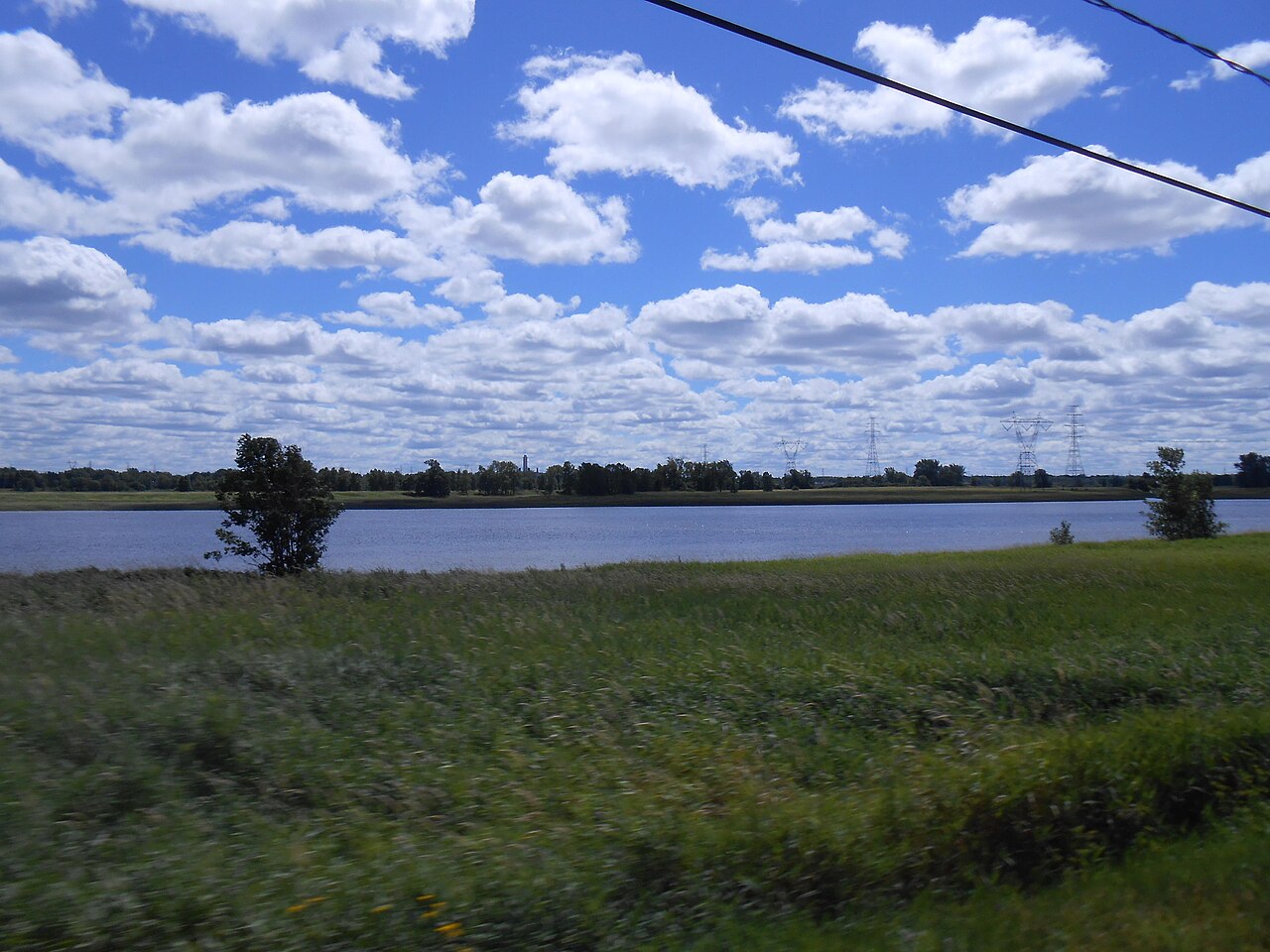
01 The rivière des Prairies seen from boulevard Lévesque Est, in the Saint-François area of Laval
The geography

The tip of the island, between two rivers

The area occupies the eastern tip of Île Jésus. To the north, boulevard des Mille-Îles follows the rivière des Mille Îles; to the south, boulevard Lévesque Est runs along the rivière des Prairies. So you've got water on both sides, and just one real residential cluster, in the southeast. To the west, you cross into Auteuil at boulevard Sainte-Marie; to the south, you land in Duvernay.

Ask me about it: ask me the difference between buying on the Mille Îles side and the rivière des Prairies side. It's not the same world, and not the same kind of land.
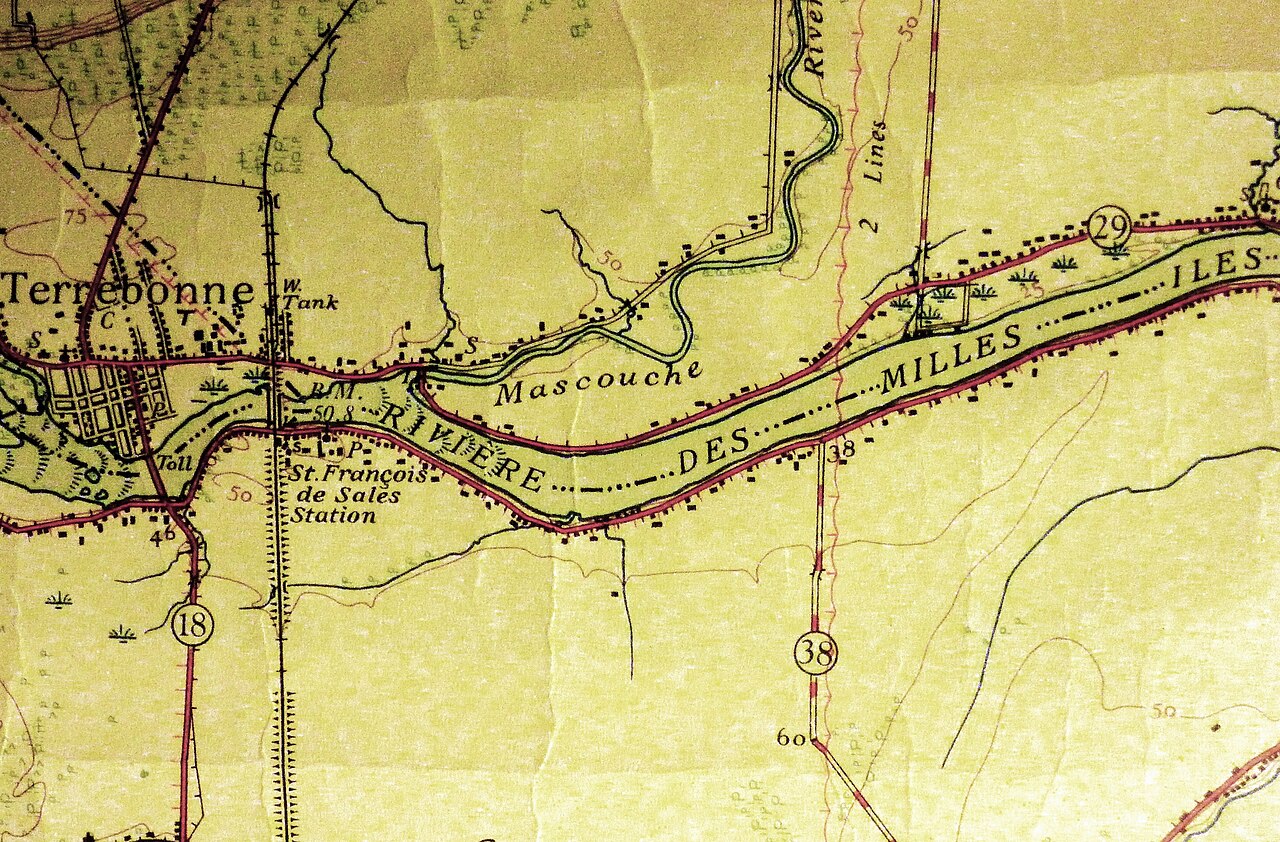
02 Old map showing the St-François-de-Sales station, the rivière des Mille Îles, and Terrebonne
The history

The first plot of land on Île Jésus

This is where the island's first settlers put down roots. Olivier Charbonneau and Guillaume Labelle arrived in 1674, Michel Buisson in 1676, Léonard Éthier in 1678, and the 1681 census counted four families, 24 people in all. By 1734, the municipality even had its own court, with a judge, clerk, notary, and bailiffs. No other corner of Laval has roots this old.

Ask me about it: ask me why so many lots here still have the narrow, elongated shape of the old land grants. It changes a lot when it's time to subdivide or build.
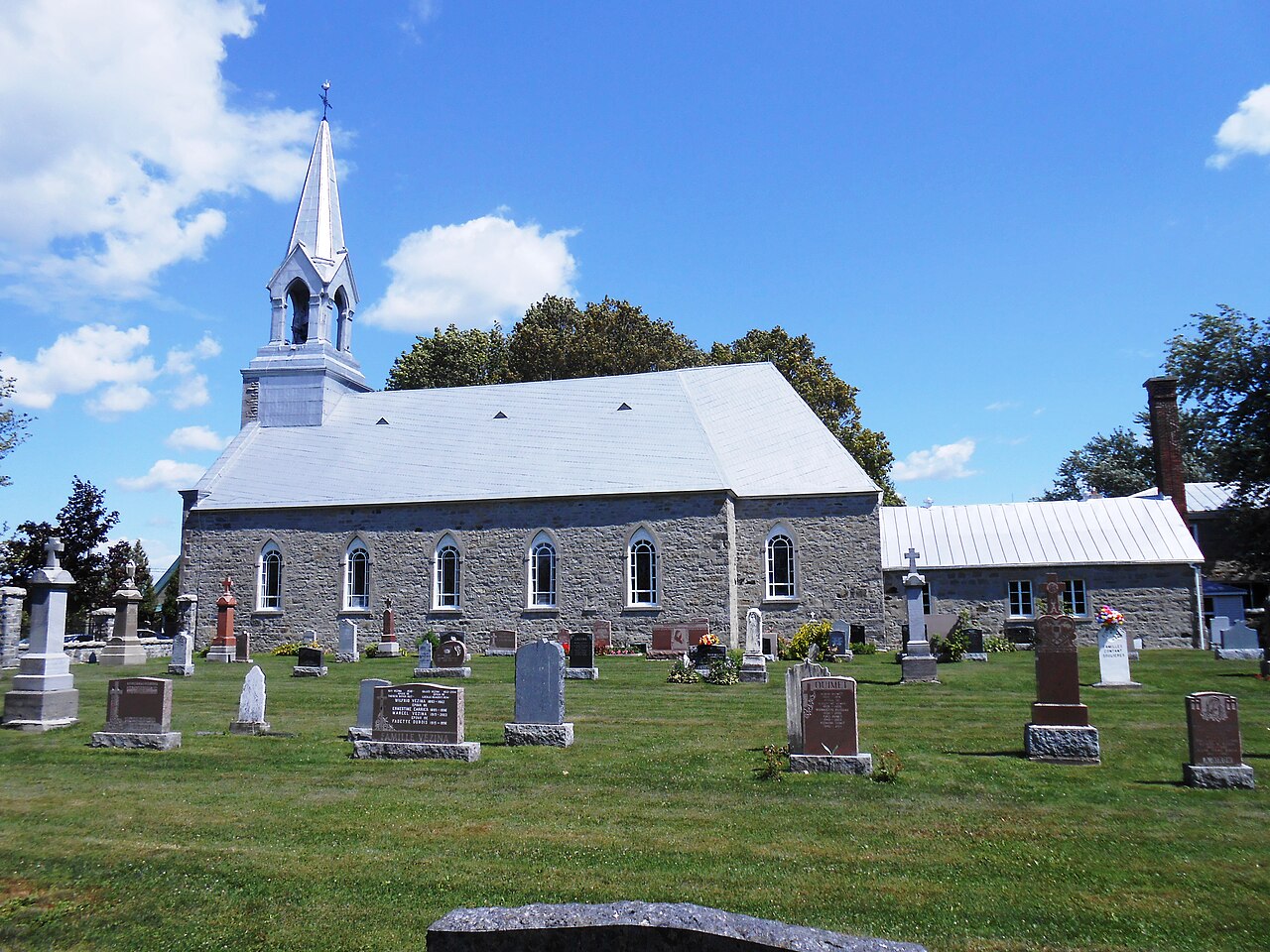
03 The Saint-François-de-Sales stone church and its cemetery, boulevard des Mille-Îles in Laval
The village core

The stone church and its cemetery

At 7070 boulevard des Mille-Îles, the Saint-François-de-Sales church still holds the centre of the old village, with its cemetery all around and the rectory right against it. The parish was founded in 1702 and its boundaries set in 1722. It's the area's landmark: when someone from here tells you "near the church," everyone knows exactly which stretch of boulevard you mean.

Ask me about it: ask me what being close to the old core is worth for a buyer looking for character. It's an argument I use often on showings.
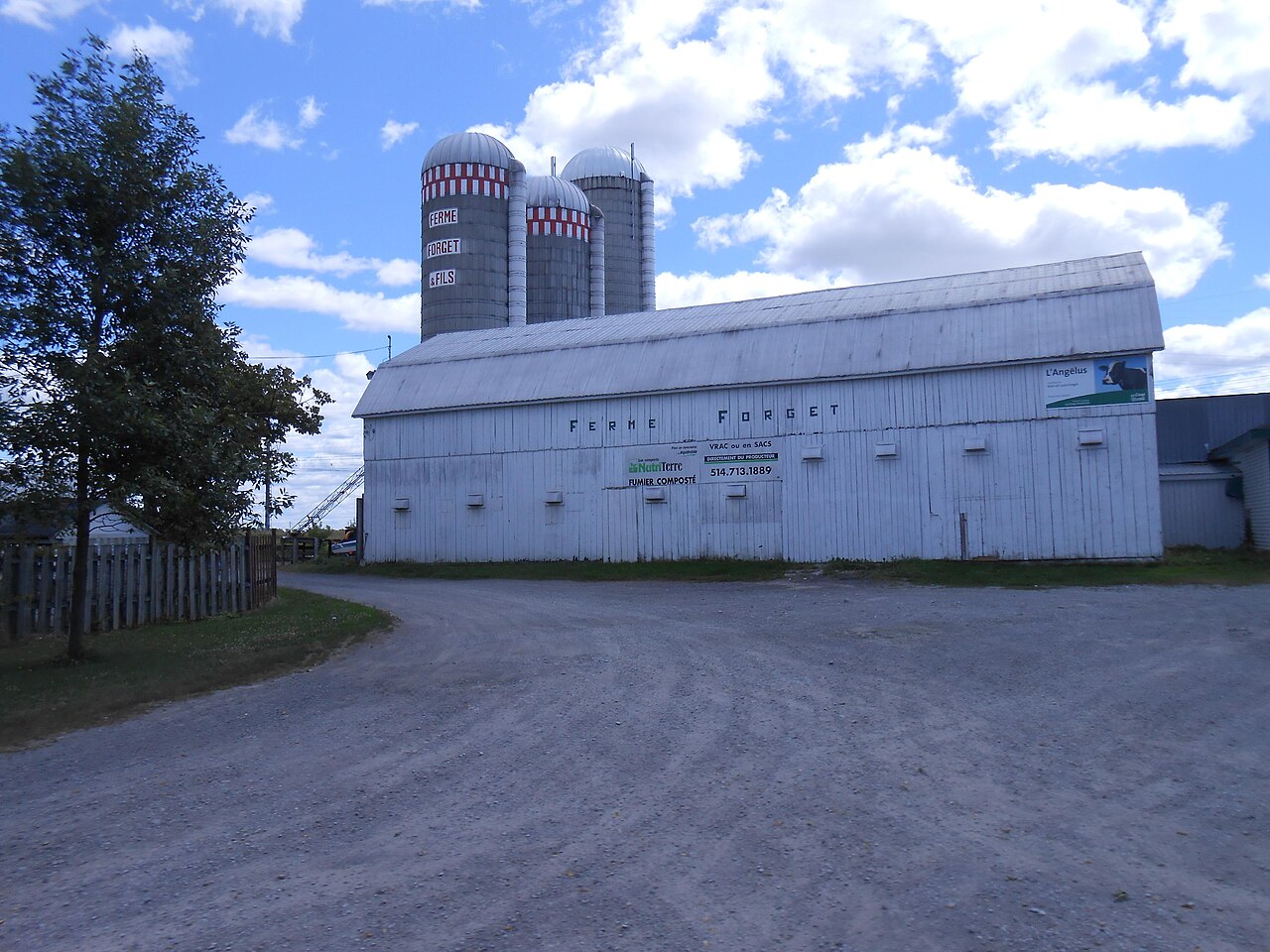
04 Barn and silos at the Forget farm, boulevard des Mille-Îles, in the agricultural zone of Saint-François
The country in the city

Most of Laval's farmland

In the 1930s, more than 90 farms were operating here, and the train that ran through the municipality carried milk out to Montreal. When rail authorities wanted to close the Saint-François-de-Sales station, council fought to keep it: in winter, it was the main means of transportation. The train is long gone, but by the turn of the 2000s, Saint-François still held most of Laval's farmland, and that hasn't changed.

Ask me about it: ask me what the permanent agricultural zone allows and forbids when you're dreaming of a big lot out here. Better to know before you sign a promise to purchase.
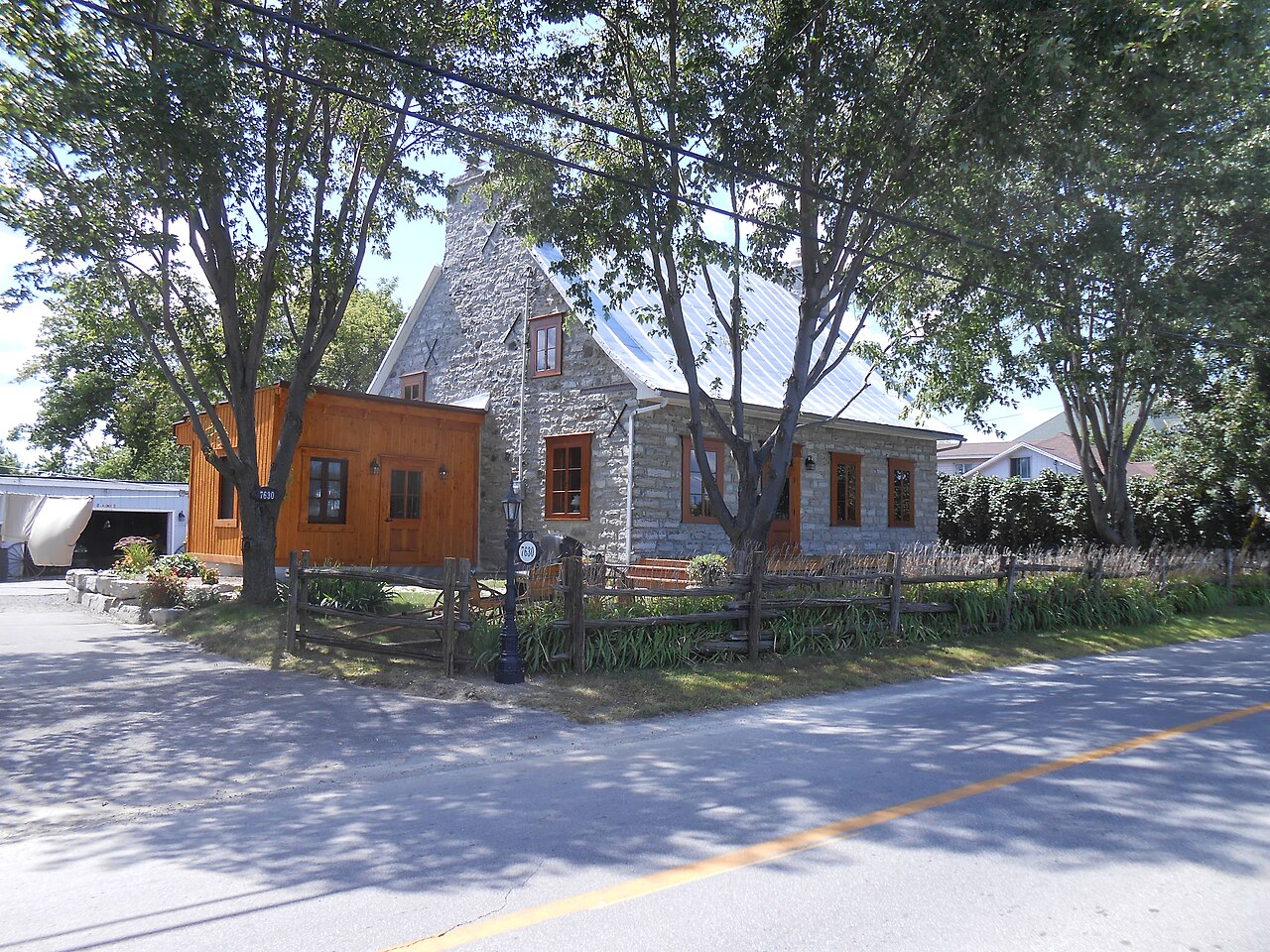
05 Stone house at 7630 boulevard des Mille-Îles, in Saint-François, Laval
The main road

Boulevard des Mille-Îles, two lanes and trees

It's the prettiest road in the area and that's not even up for debate: two lanes running along the river the full width of the territory, big trees, stone houses, farms, marinas, and a handful of village shops. Civic numbers climb eastward, from around 6700 to past 9700. This isn't a suburban artery, it's an old river road that was never widened.

Ask me about it: ask me what to check before you fall in love with a waterfront address. Flood zone, foundation, insurance: I go through the list with you.
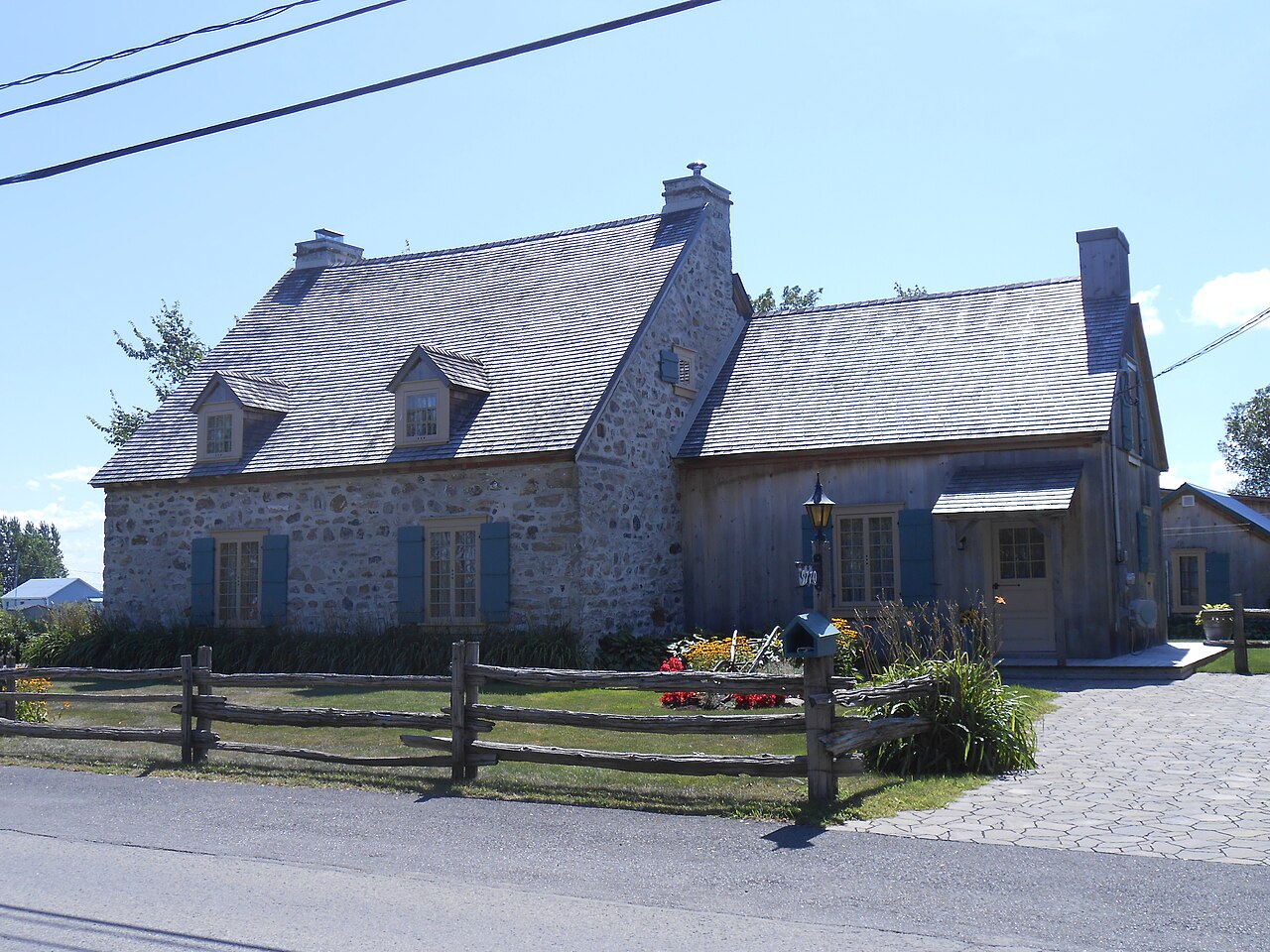
06 The Therrien house, a stone house at 9770 boulevard des Mille-Îles, in Laval
Heritage

Houses that date back to the French regime

The Charbonneau house, also called the Pierre-Thibault house, was built in 1736 at 8740 boulevard des Mille-Îles, on land granted to the Charbonneau family in 1711; Charbonneaus lived there until 1878. A bit further east, the Therrien house, at 9770, shows the same kind of stone walls and flared roof eaves. These are buildings that have carried three centuries on the same road.

Ask me about it: ask me what it means to buy an old house in a heritage area. There are obligations, and there's also a value that few buyers know how to price.
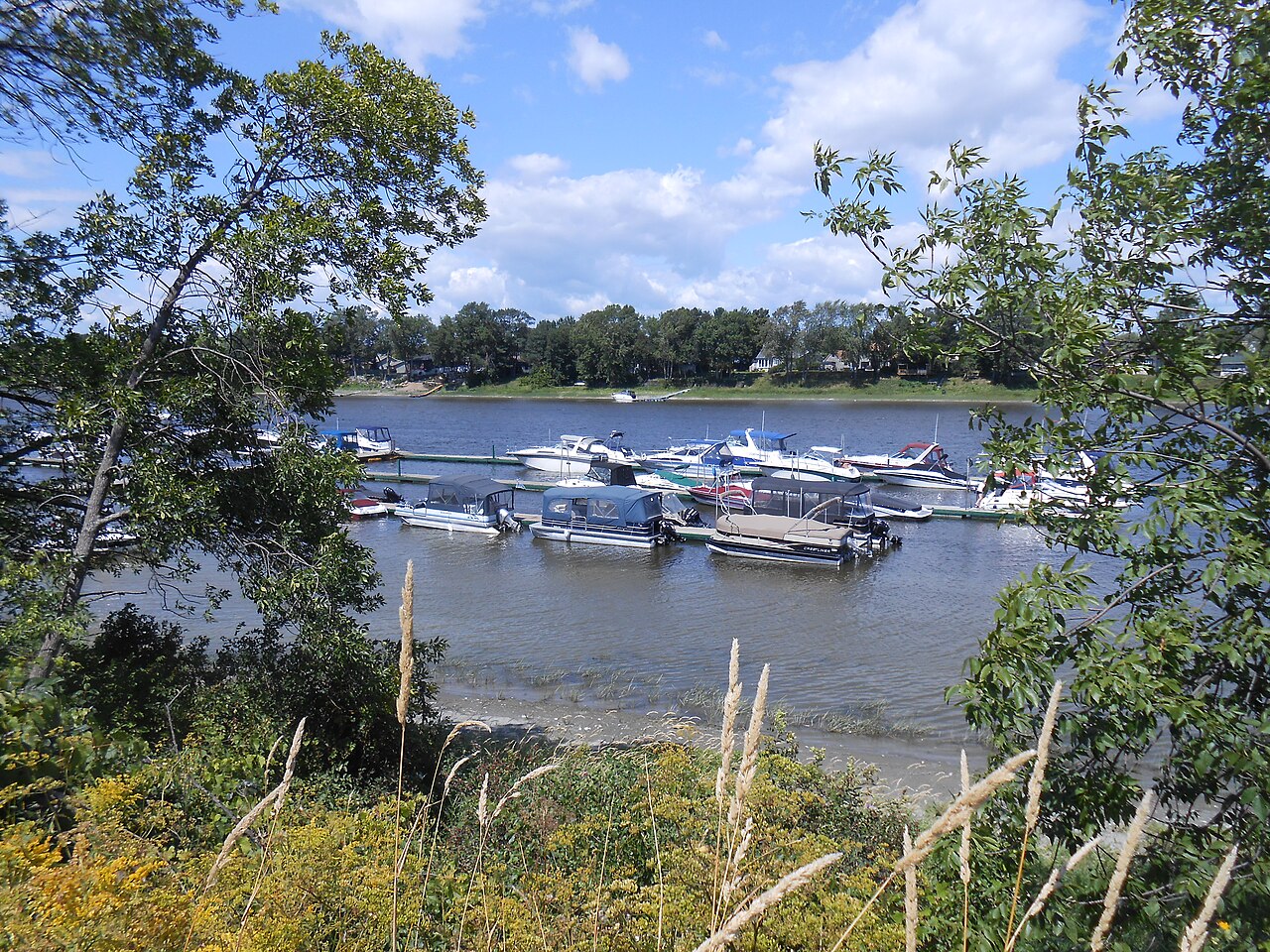
07 Boats docked at the Bo-Bi-No marina, on the rivière des Mille Îles in Laval
Life on the water

The marina at the end of the street

Before it was a suburb, Saint-François was a summer resort spot: around 3,500 summer residents in 1964, settled into summer cottages along the shores. What's left of that is the habit of living on the water. The Bo-Bi-No marina, at 9100 boulevard des Mille-Îles, keeps its docks full of pontoons and small boats in summer, and the île du Moulin de Saint-François can be seen from boulevard Lévesque Est, near rue Emma.

Ask me about it: ask me how to spot an old cottage converted into a four-season house. Foundation, insulation, crawl space height: that's exactly what I look at on a showing.
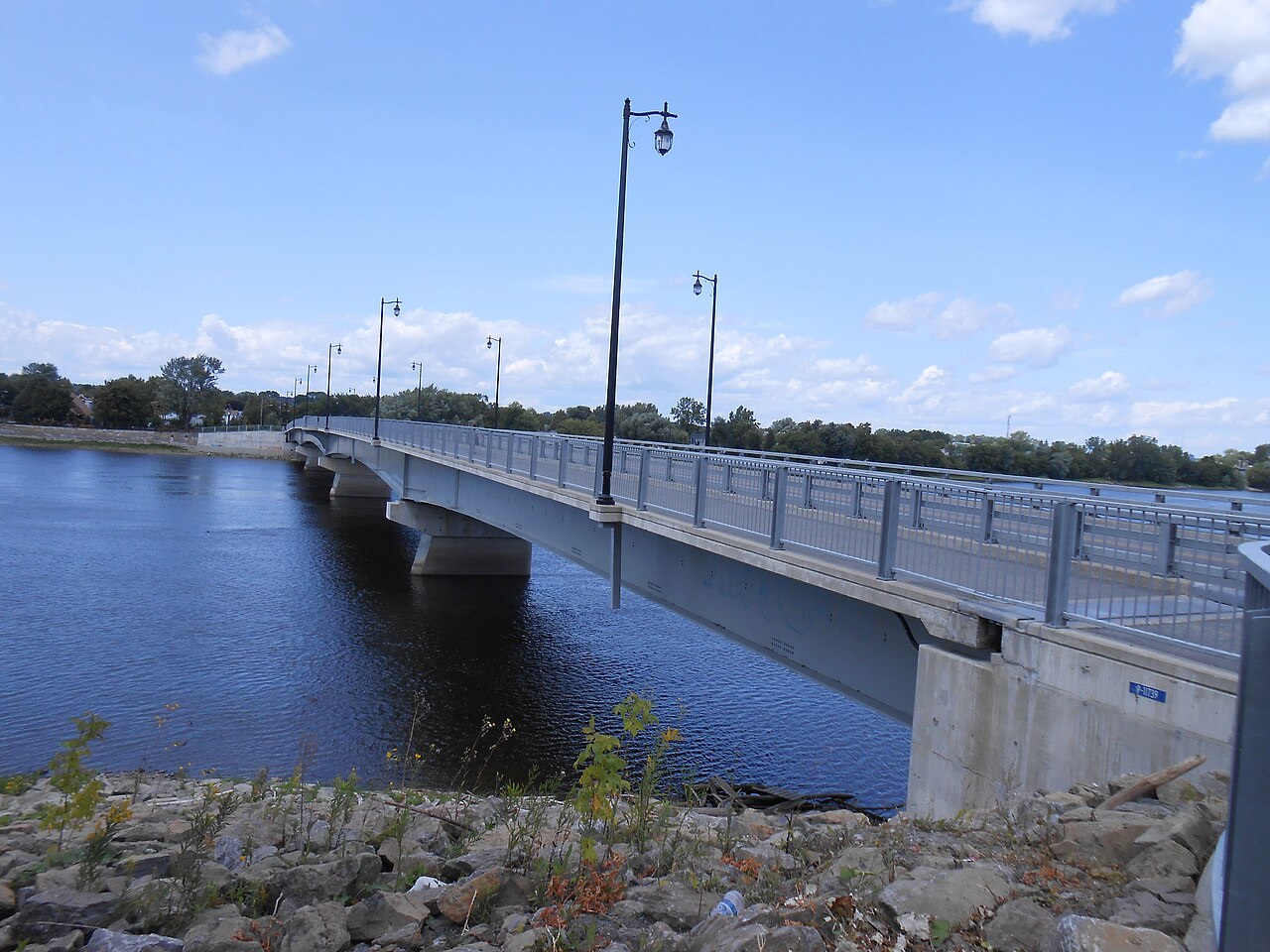
08 The Sophie-Masson Bridge spanning the rivière des Mille Îles between Laval and Terrebonne
Access

The Sophie-Masson Bridge and montée Masson

Montée Masson, route 125, crosses the area right through its centre and leads onto the Sophie-Masson Bridge, which drops you in Vieux-Terrebonne in a few minutes. It replaced the narrow Préfontaine-Prévost bridge in 2007, and nobody here misses it. On the west side, Highway 25 runs toward the Lepage Bridge to the north and toward the Olivier-Charbonneau Bridge to the south, that electronic toll bridge opened in 2011 that leads into Rivière-des-Prairies. It's named after the settler who put down roots here in 1674.

Ask me about it: ask me how many minutes actually separate the area's different streets from Highway 25. The gap is surprising, and it weighs on value.
09
Public transit

The bus, then the metro

Let's be honest: there's no train station or metro station in Saint-François. The area is served by Société de transport de Laval buses, with routes that lead to the Montmorency, Cartier, Henri-Bourassa, and Radisson stations. The nearest commuter train stations are across the water, in Terrebonne to the north and in Rivière-des-Prairies to the south; since January 2026, the Mascouche line runs to the Côte-de-Liesse station, where you can hop on the REM toward downtown.

Ask me about it: ask me to work out a real morning commute from the address you're interested in. One car, two cars, or the bus: the transportation budget is part of the house budget.
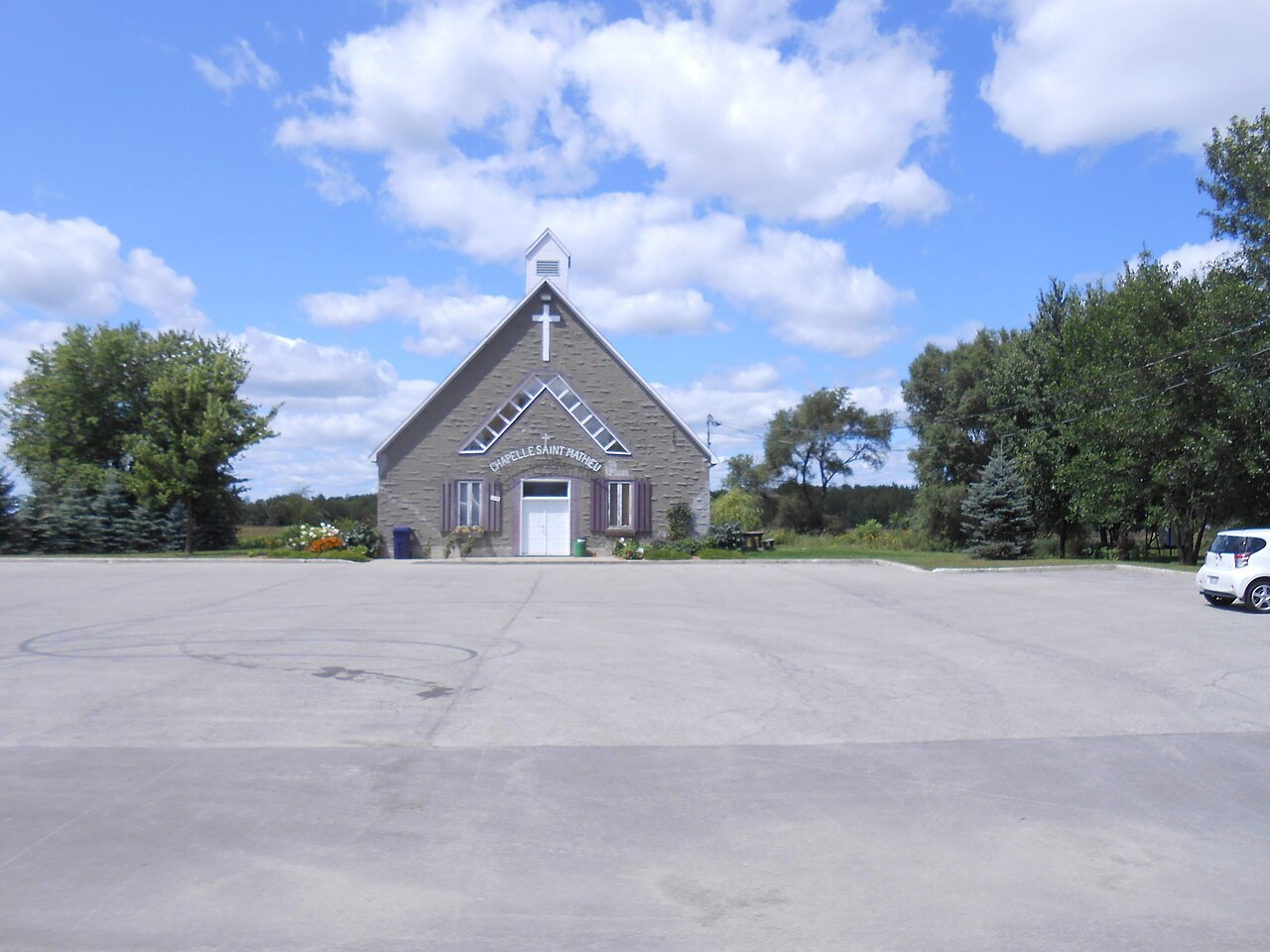
10 The Saint-Mathieu chapel, now home to the Théâtre du Bout de l'île, boulevard Lévesque Est in Laval
Neighbourhood life

A chapel turned theatre

At 10585 boulevard Lévesque Est, the small Saint-Mathieu chapel is home to the Théâtre du Bout de l'île, where the Théâtre du P'tit Loup puts on its shows, workshops, and day camps. For the rest, family life revolves around the area's elementary schools, Fleur-Soleil, L'Escale, and Hébert, and the Saint-Noël-Chabanel parish on rue de l'Église. Students in the English school network, meanwhile, are directed to the Laval Junior and Senior academies, in Chomedey.

Ask me about it: ask me which streets are within walking distance of an elementary school. In an area this spread out, it comes down fast to minutes by car.
Let's talk

Thinking of buying or selling in Saint-François? Let's start with a conversation.

A free evaluation of your property, a picture of the local market, or simply answers to your questions. No strings attached, and a straight answer.

Start my real estate project

Photo credits