← Back to the South Shore map
Area · South Shore of Montreal

Saint-Lambert

A train that reaches Gare Centrale in fifteen minutes, an avenue that has kept its village feel and ships passing at the end of the street. My top 11, neighbour version, not brochure version.

Let's talk about this area

Saint-Lambert is the gateway to the South Shore. My home base is in Verdun, right across the water, and the Victoria Bridge drops me here in a few minutes. Every time, the same effect: you leave the highway and land in streets lined with century-old trees, with a downtown everyone still calls the Village. A city born with the first bridge over the St. Lawrence, and one that has managed to keep its human scale.

I put this top 11 together for a simple reason: when you buy or sell, you're not just shopping for a property, you're shopping for a neighbourhood life. Every point comes with a conversation starter. Use it.

Maxime Laforest, residential and commercial real estate broker · Équipe Loiselle, RE/MAX Dynamique

The area's top 11

What makes Saint-Lambert tick.

Eleven reasons buyers fall in love with the city, and why the ones who settle here never leave.

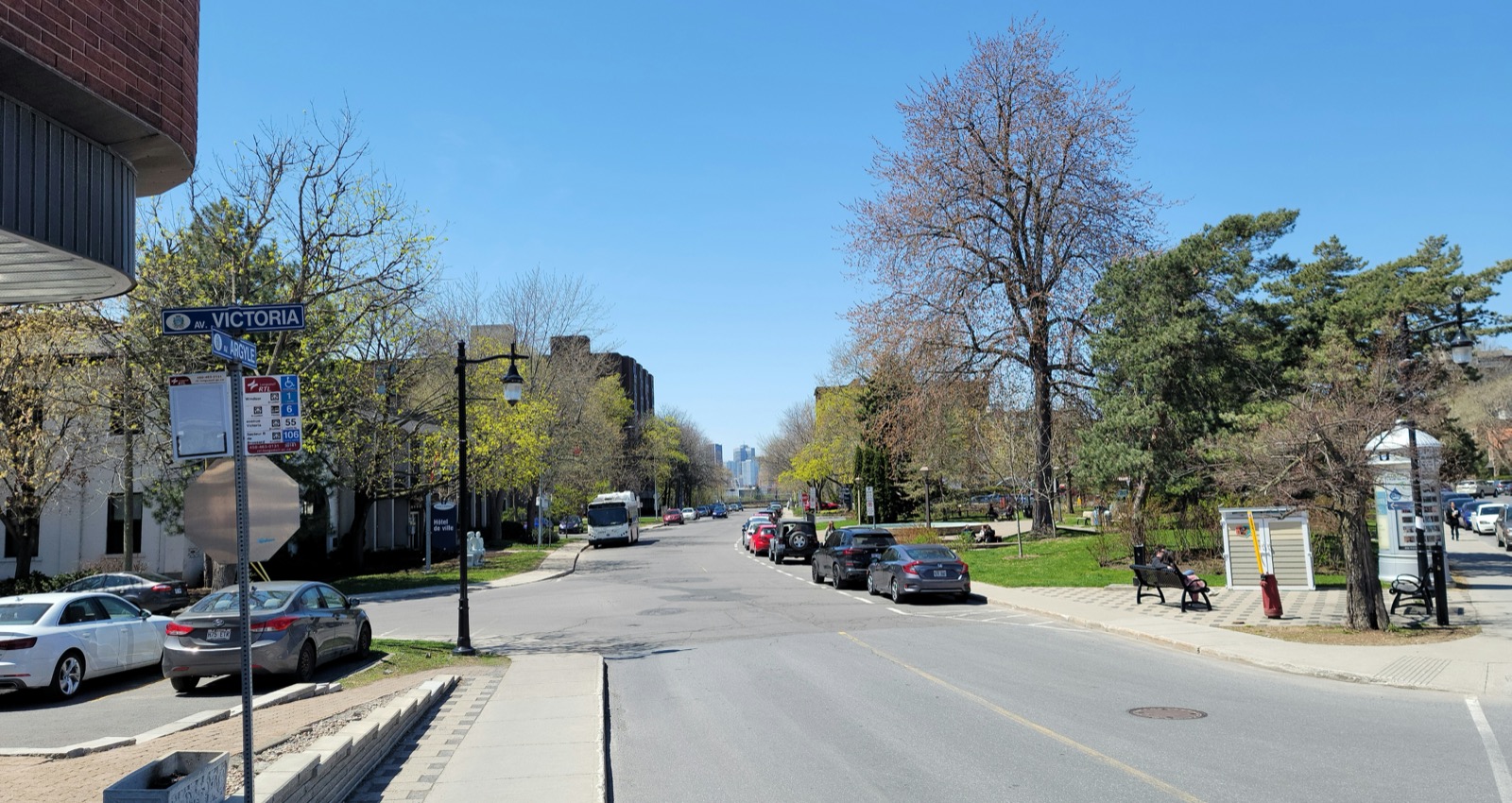
01 Victoria Avenue at the corner of Argyle Street, with downtown Montreal in the distance
The icon

Victoria Avenue, the Village

Here, nobody says "downtown": they say the Village. Between Riverside and the train station, Victoria Avenue lines up independent shops, galleries and cafés, with more than twenty restaurants. You run into your neighbours on a Saturday morning, and the shopkeepers end up knowing your name. It's the kind of street that makes people stay.

Ask me about it: ask me what it changes, at resale time, to be within walking distance of the Village. The answer is more nuanced than you'd think.
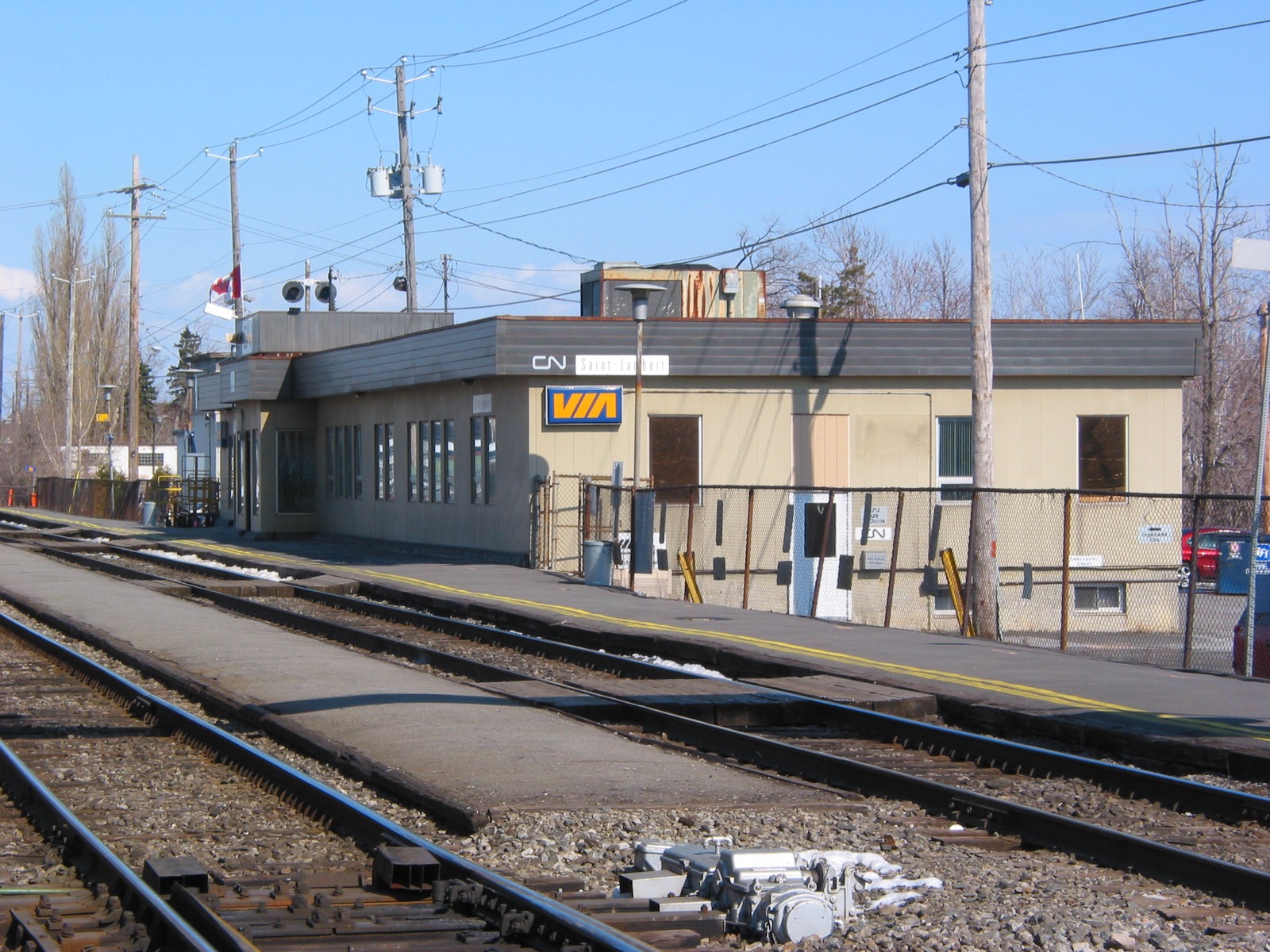
02 Saint-Lambert train station, served by exo and Via Rail trains
Transit

Fifteen minutes from Gare Centrale

The exo train on the Mont-Saint-Hilaire line links Saint-Lambert station to downtown Montreal in about fifteen minutes, with no traffic and no bridge to cross by car. Via Rail also stops here heading toward Quebec City and the Maritimes, and RTL buses connect to the Longueuil métro and the REM's Panama station. For a city this size, that's a rare luxury.

Ask me about it: ask me which streets benefit most from being close to the station, and which ones hear the trains go by. The two lists aren't the same.
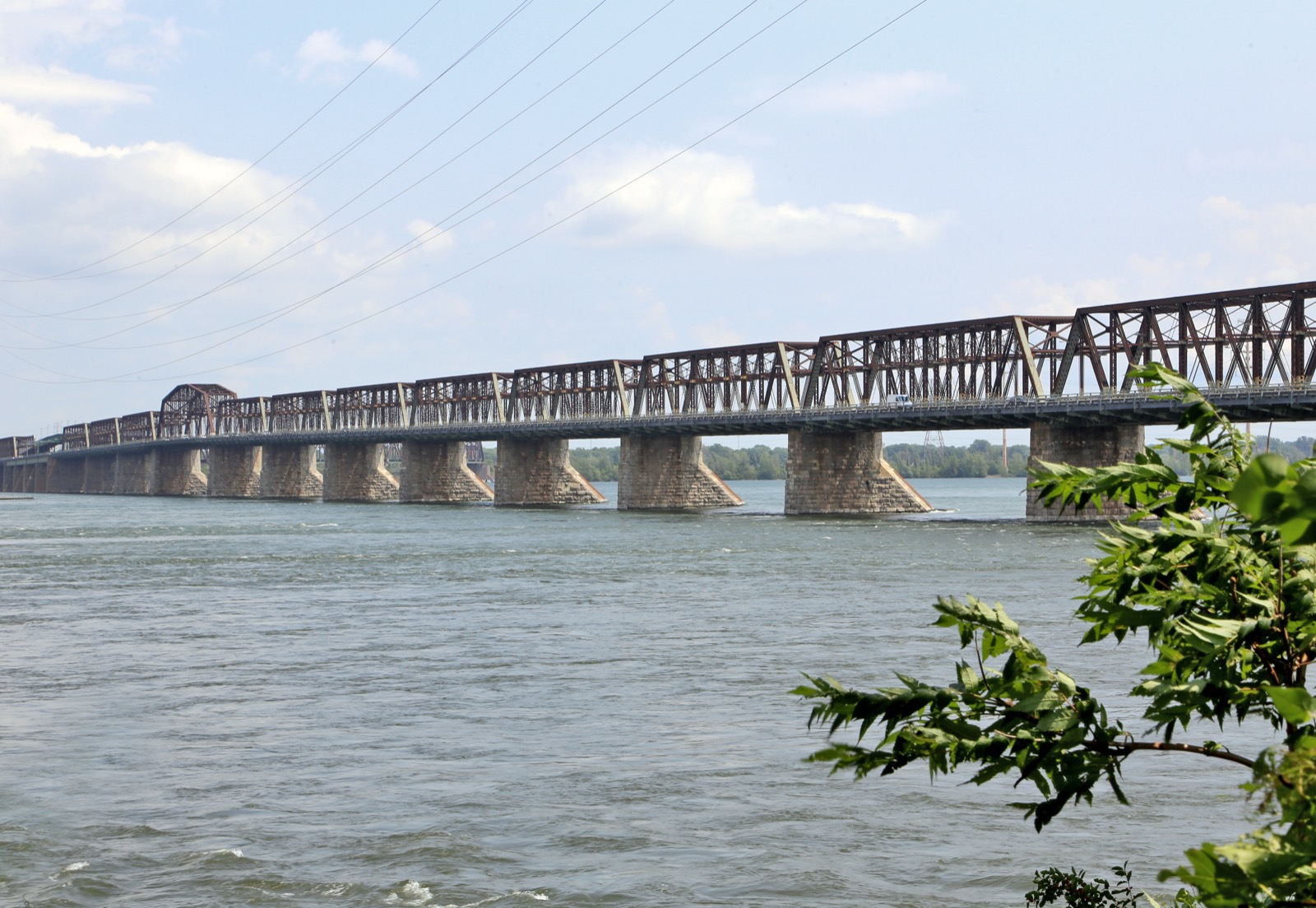
03 The Victoria Bridge over the St. Lawrence River
History

The Victoria Bridge, where it all started

Opened in 1860 by the future King Edward VII, the Victoria Bridge was the first bridge to span the St. Lawrence. At the time, it was billed as the eighth wonder of the world. Saint-Lambert grew up at its foot, and it remains today a direct route downtown for the people who live here, steps from Route 132 and Highway 20.

Ask me about it: ask me why the bridge's history still shapes the character of the city's oldest streets.
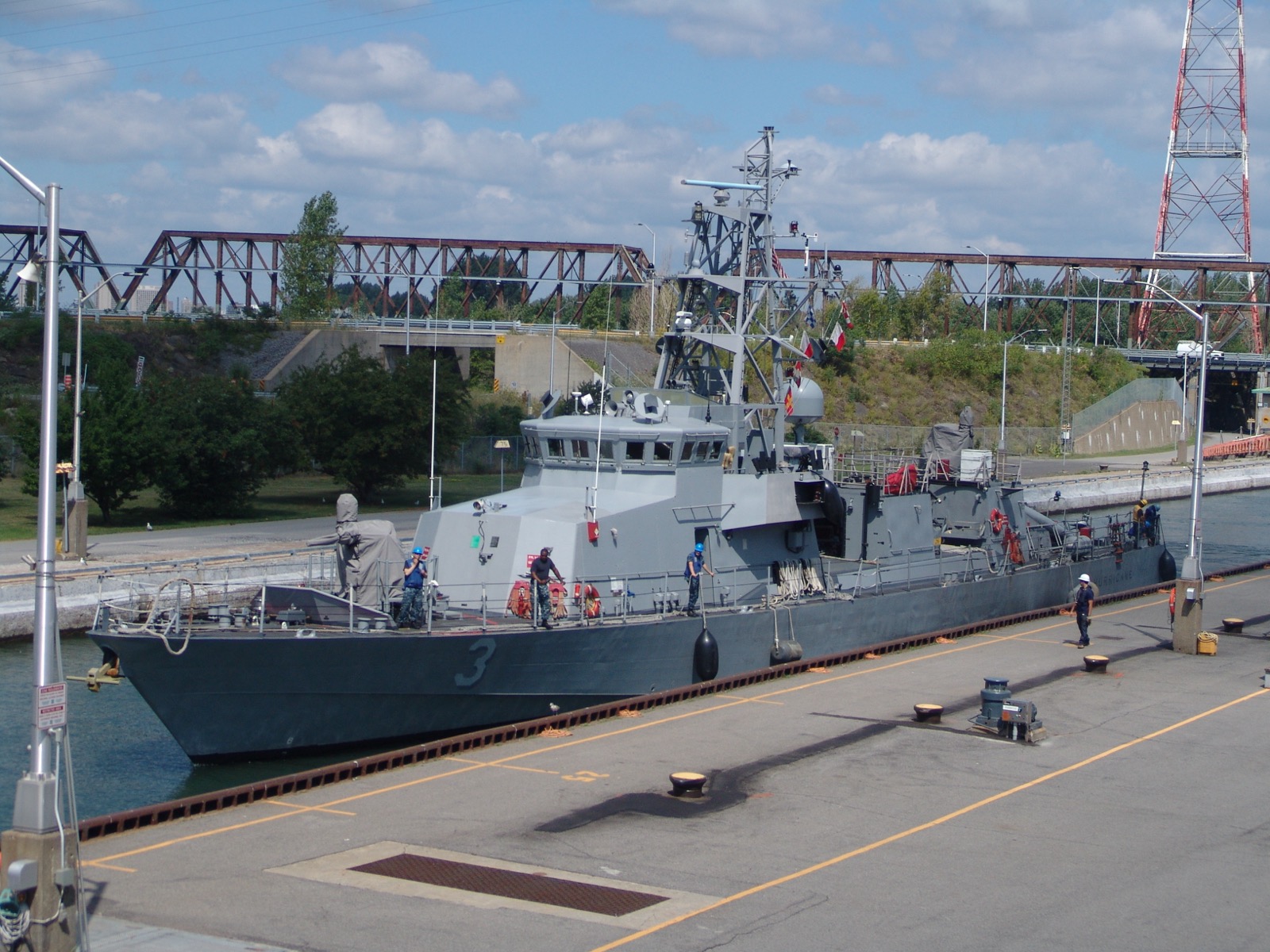
04 A ship in the Saint-Lambert lock, the gateway to the St. Lawrence Seaway
Waterfront

Ships at the end of the street, the river by bike

The Saint-Lambert lock is the gateway to the St. Lawrence Seaway: ships heading up toward the Great Lakes literally pass at the end of the streets. On the dike, a bike path roughly 14 kilometres long runs along the river, one of the rare spots where you can cross it by bike, and a footbridge leads to Parc Jean-Drapeau from spring through mid-November.

Ask me about it: ask me where to set up to watch a full cargo ship go by. It's the kind of sight that sells the area all on its own.
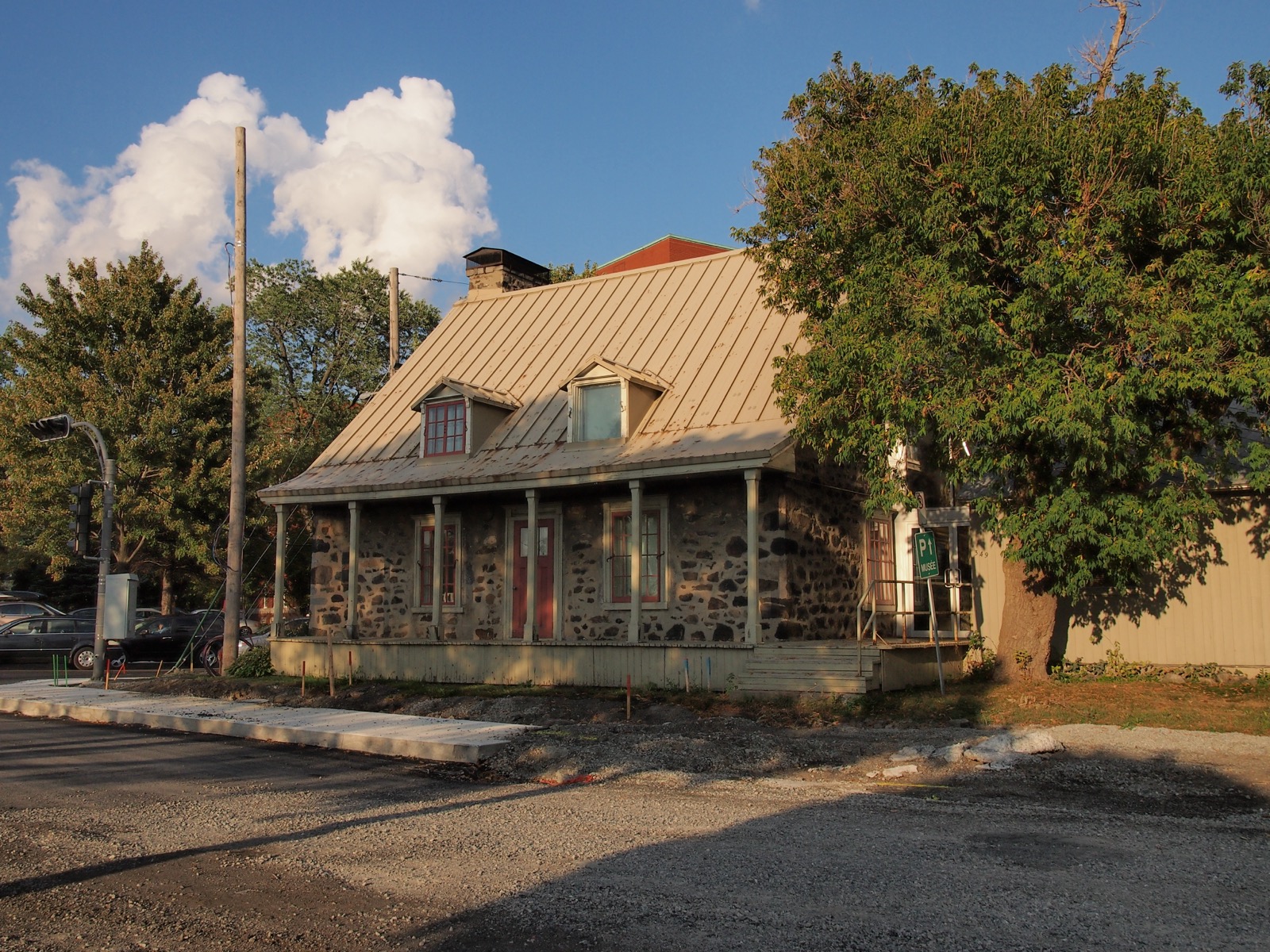
05 The Marsil House, a fieldstone house on Riverside Street
Heritage

Mouillepied, a name 340 years old

Before the railway, the area was called Mouillepied: as early as 1686, the King's Road flooded every spring and travellers got their feet wet crossing it. A few witnesses remain, like the Marsil House on Riverside, a fieldstone house that predates the city by a long way. The Société d'histoire Mouillepied documents all of it in its journals, and it reads like a novel.

Ask me about it: ask me which streets hide the oldest houses in the city. There are some you'd never suspect just walking by.
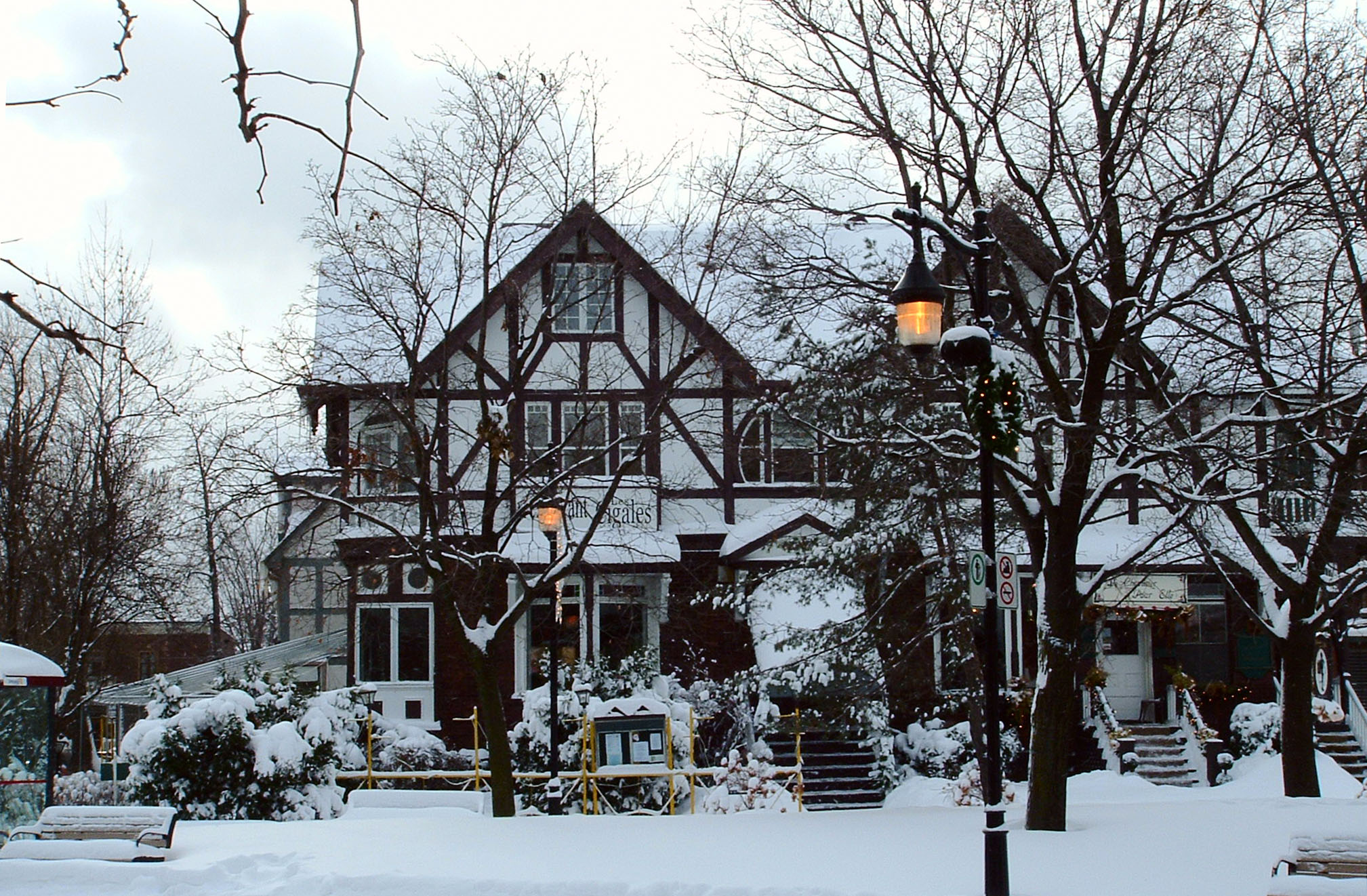
06 Tudor-style timber-frame building under snow, in the heart of the Saint-Lambert Village
The charm

Houses with real character

Victorian cottages, timber-frame facades, century-old brick and verandas: the heart of Saint-Lambert was built over more than a hundred years, and it shows. The streets around the Village form a real catalogue of architecture, kept up with a care that owners are proud of. Even under snow, the effect holds.

Ask me about it: ask me what to check before buying a hundred-year-old house. I'll tell you where to look, and above all who to ask.
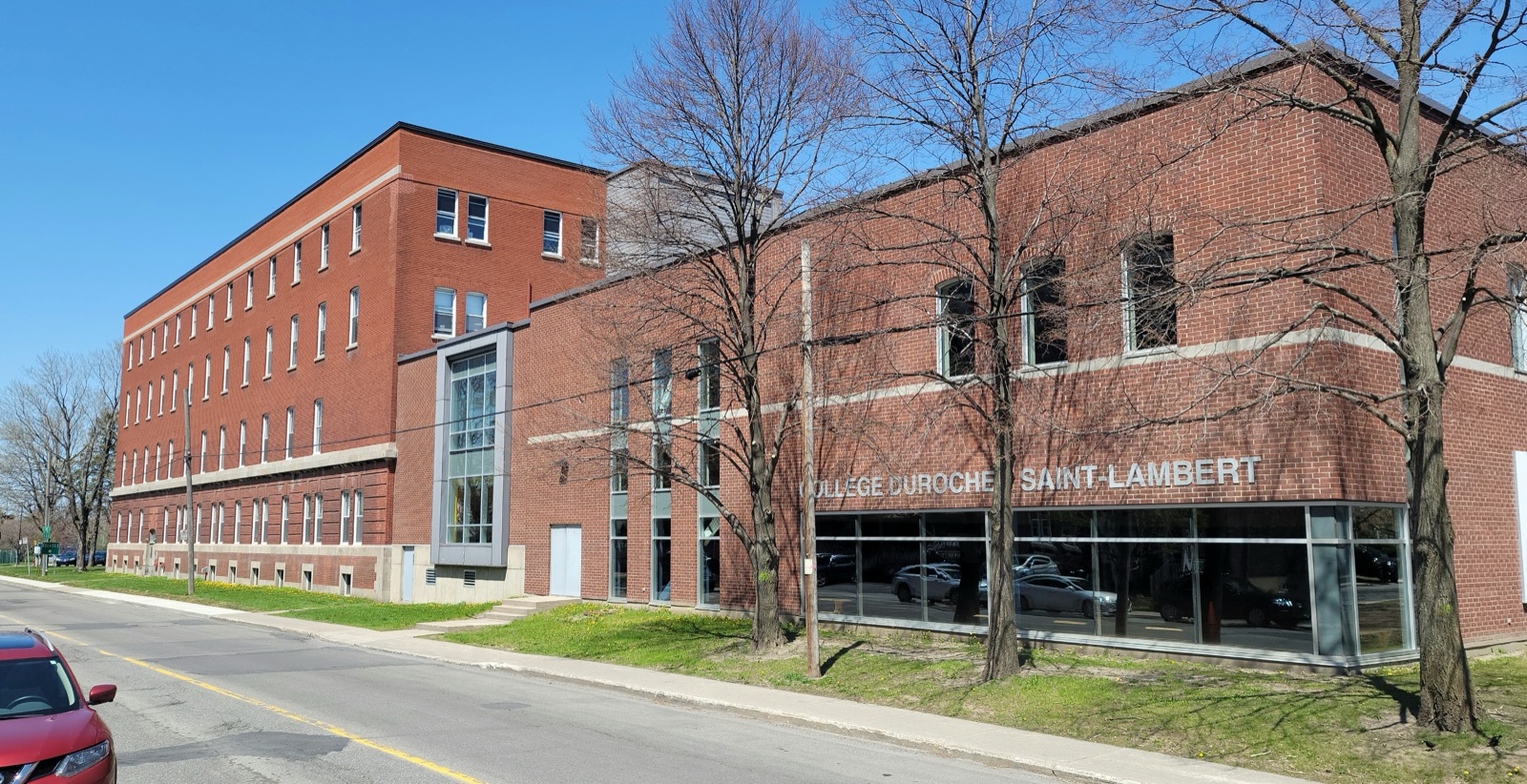
07 Collège Durocher Saint-Lambert, on Riverside Street
Families

Schools worth moving for

Collège Durocher Saint-Lambert draws students from all over the South Shore, and the public system keeps pace: international-track elementary schools on the francophone side, and Saint-Lambert International High School on the English side. A lot of families choose the city for its schools first, then discover everything else afterward.

Ask me about it: ask me how the school calendar affects the best time to sell in a family-oriented area. It's something you can plan around.
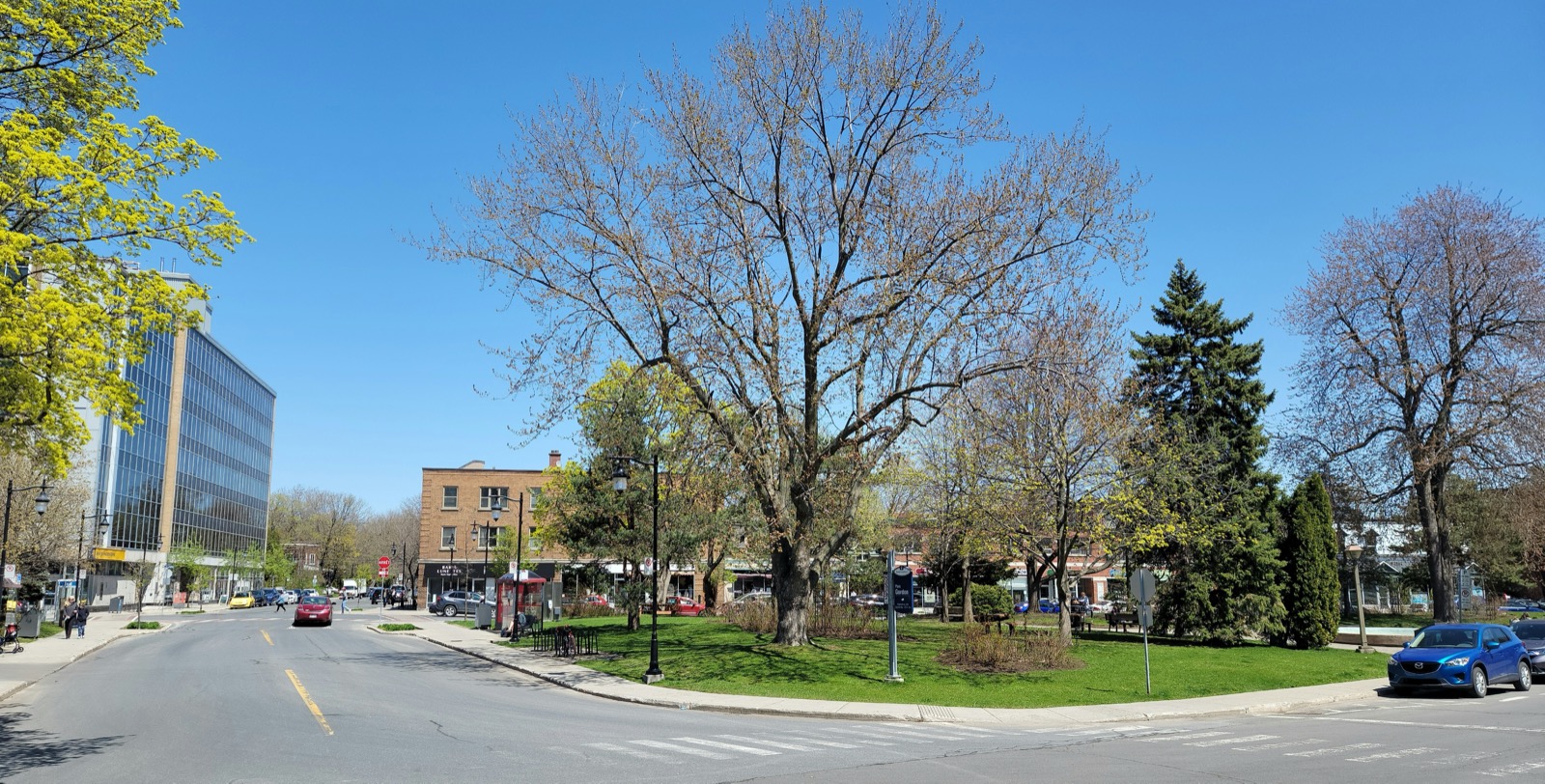
08 Gordon Park, in downtown Saint-Lambert
Family life

Gordon Park and life outdoors

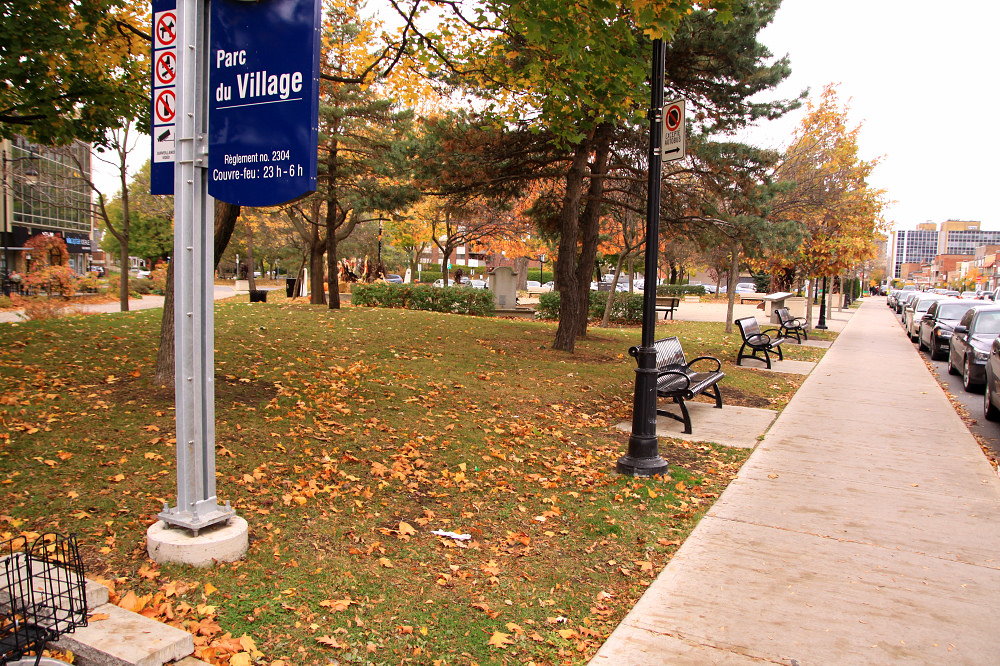
Across from town hall, Gordon Park is the summer living room for Saint-Lambert residents: a fountain, water features, family picnics. Add Parc du Village right in the heart of the shopping district, then Parc de la Voie-Maritime with its skatepark, dog park and waterside trail, and you understand why strollers are everywhere.

Ask me about it: ask me which park serves which part of the city. On foot, that changes family life completely.
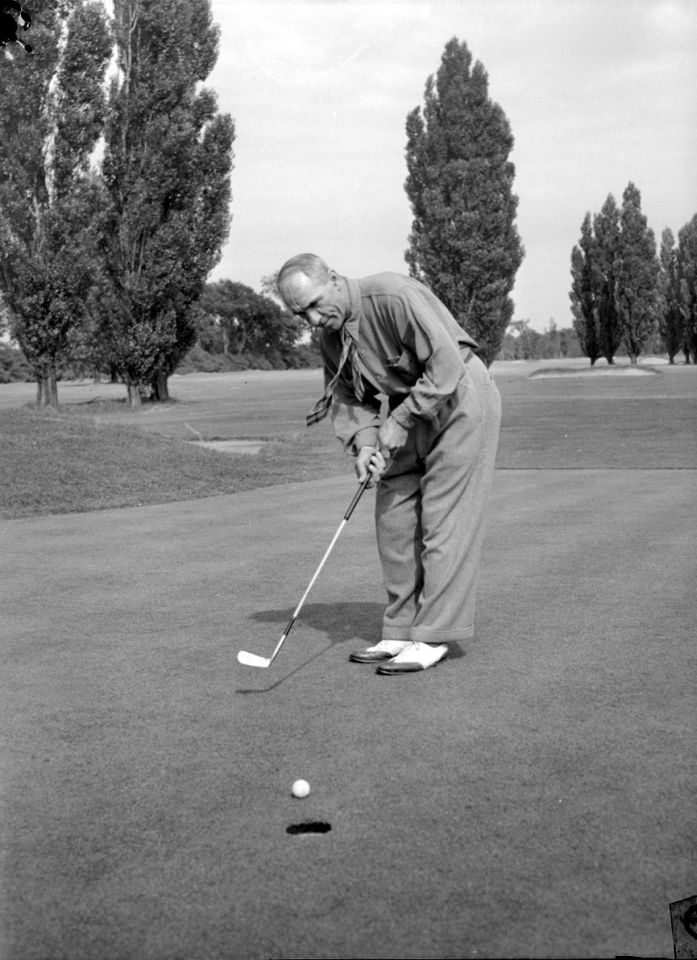
09 Golfer at the Saint-Lambert golf club in the 1940s, archival photo by Conrad Poirier
Sports & outdoors

Two golf courses right in town

Few cities this size can say as much: the Montreal Country Club, founded in 1910 and among the oldest courses in Greater Montreal, and the Saint-Lambert Golf Club, a nine-hole course ten minutes from downtown Montreal. Come winter, the municipal course turns into skating rinks and cross-country ski and snowshoe trails. The photo dates from the 1940s, but the fun hasn't changed a bit.

Ask me about it: ask me what being near a golf course does for a street's value. You don't have to play to benefit.
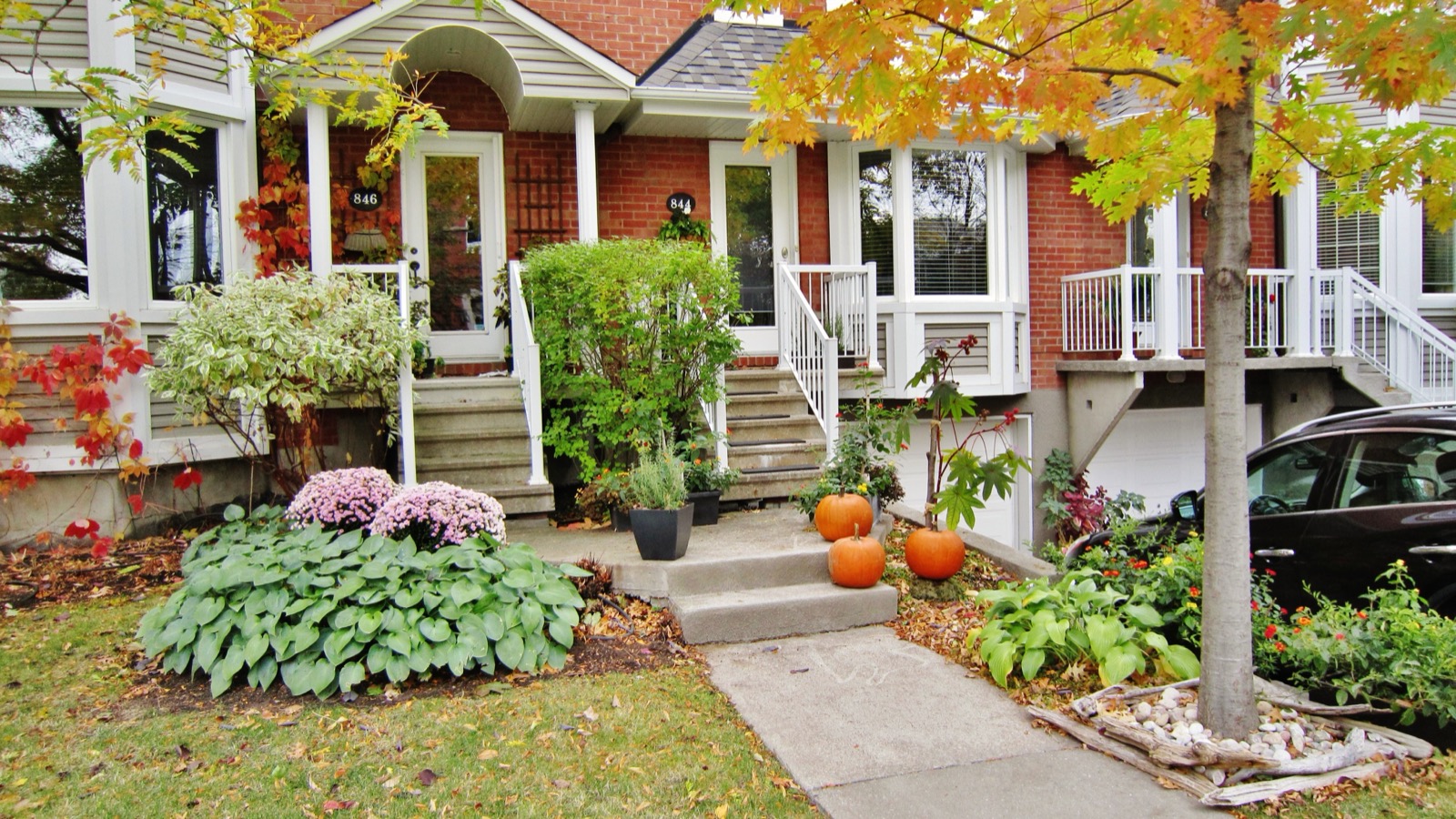
10 Flower-lined houses in the Préville neighbourhood, in Saint-Lambert
Neighbourhoods

Préville, the town within the town

Préville was once its own town, planned starting in 1948 and merged into Saint-Lambert in 1969. What's left is a neighbourhood of curving streets and generous lots, where the trees have had time to grow enormous. And since the city's territory is almost entirely built up, properties there open up one at a time.

Ask me about it: ask me the difference between buying in old Saint-Lambert and buying in Préville. Two different feels, two types of homes, two strategies.
11 Parc du Village, along Victoria Avenue
Culture

Festival Classica, music from a neighbour

Founded in 2011, Festival Classica makes Saint-Lambert its home base every spring: about twenty shows, from the classical repertoire to symphonic rock, in churches and venues here and in the surrounding area. The 16th edition ran from May 22 to June 14, 2026. For a city of this size, programming like that is far from ordinary.

Ask me about it: ask me what happens in the Village on festival nights. Booking a table becomes a local sport.
Let's talk

Thinking about buying or selling in Saint-Lambert? Let's start talking.

A free evaluation of your property, a picture of the local market, or simply answers to your questions. No strings attached, and a straight answer.

Start my real estate project

Photo credits