← Back to the island map
Area · Ahuntsic-Cartierville borough

Ahuntsic-Cartierville

Between the Rivière des Prairies and the brick plexes, this is an area that has kept its village soul. My top 10, the neighbour's version, not the brochure version.

Let's talk about this area

Ahuntsic-Cartierville is the north end of the island, riverside style: tree-lined streets, brick plexes, a historic village and two food-loving strips close to each other, Promenade Fleury with its roughly 250 shops and professionals on one side, Quartier FLO with its bakeries, pastry shops and fine grocers on the other. It has the rhythm of a neighbourhood and the depth of a small town.

I put this top 10 together for a simple reason: when you buy or sell, you are not just shopping for a property, you are shopping for a neighbourhood life. Each point comes with a conversation starter, feel free to use it.

Maxime Laforest, real estate broker · Équipe Loiselle, RE/MAX Dynamique

The area's top 10

What makes Ahuntsic-Cartierville's heart beat.

Ten reasons buyers fall for this area, and why the ones who live here never leave.

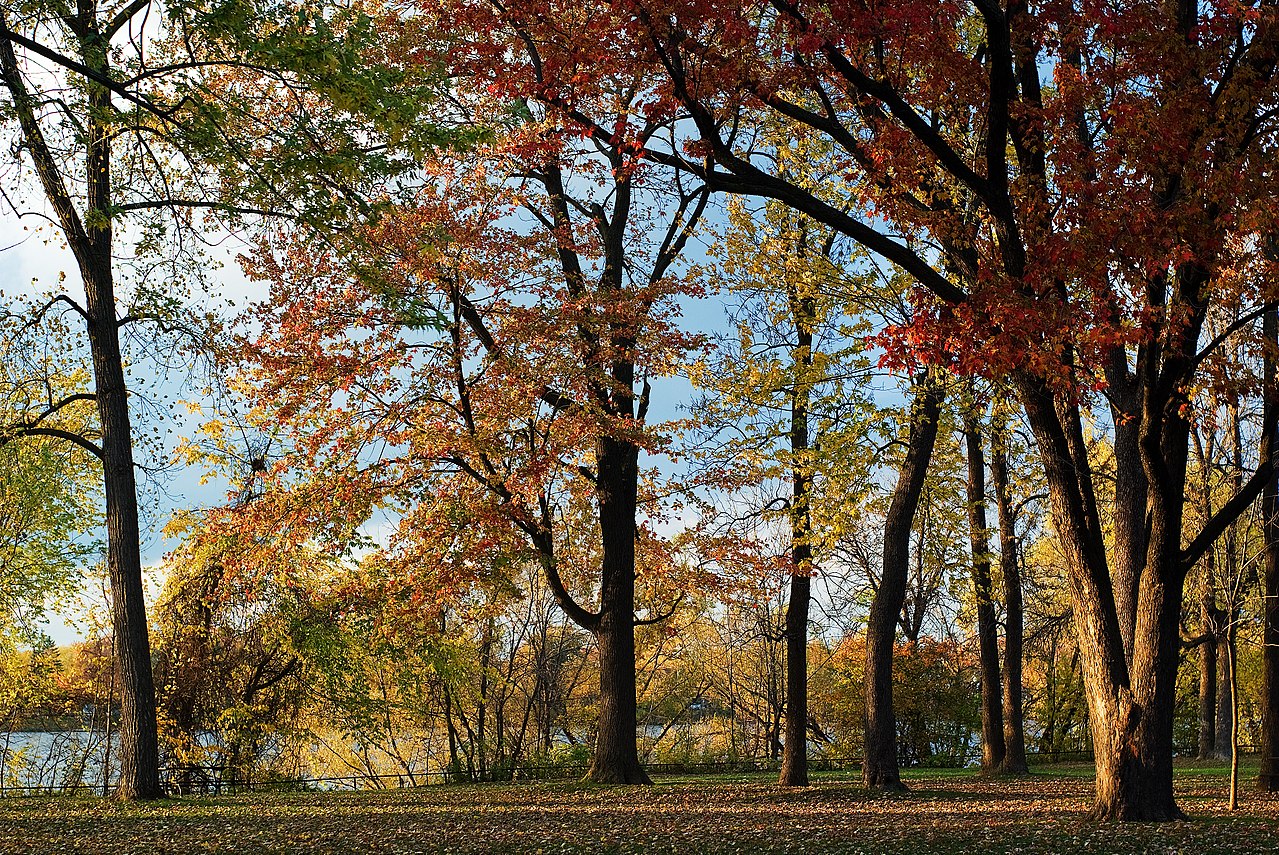
01 Parc Nicolas-Viel in the fall, along the Rivière des Prairies
Nature

Fifteen kilometres along the Rivière des Prairies

The Parcours Gouin runs through the borough, linking 16 riverside parks and 3 nature parks along a bike path of about 15 km. Its welcome pavilion, Montreal's first net-zero energy building, opened in 2017 and added a café, equipment rental and a rooftop terrace. Living here means having the river as your backyard.

Ask me about it: ask me which streets lead directly to the riverside parks. When it comes time to resell, being close to the water makes a real difference.
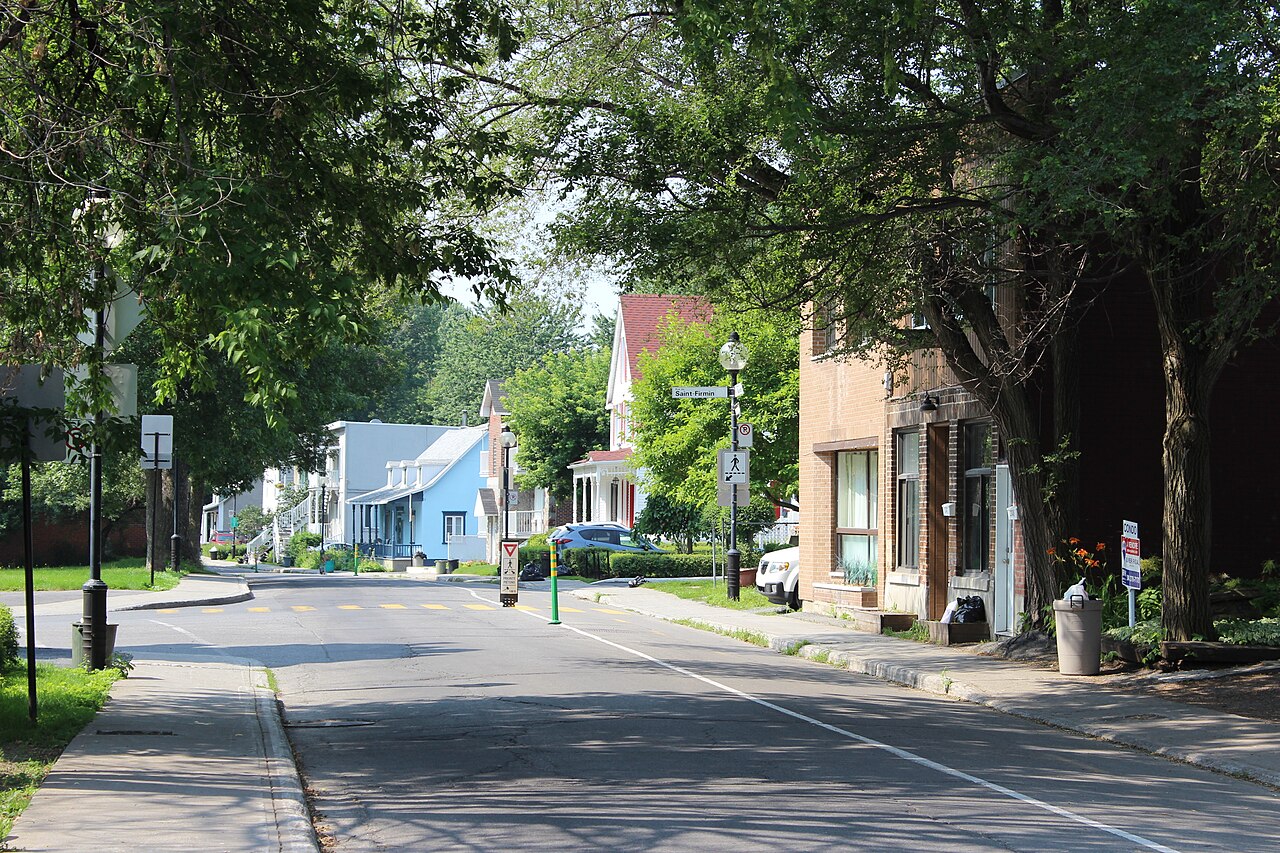
02 Old houses along Gouin Est Boulevard, in the village of Sault-au-Récollet
Heritage

The village of Sault-au-Récollet

Along Gouin Est Boulevard sits one of the oldest village cores on the island of Montreal: old houses, Sulpician mills dating back to 1726, a designated heritage site. Walking here feels like strolling through a village, yet the city stays just steps away. A character no new development can copy.

Ask me about it: ask me where the names Ahuntsic and Sault-au-Récollet come from. Same story, from 1625, seventeen years before Montreal was founded. I tell it on every visit I do in the area.
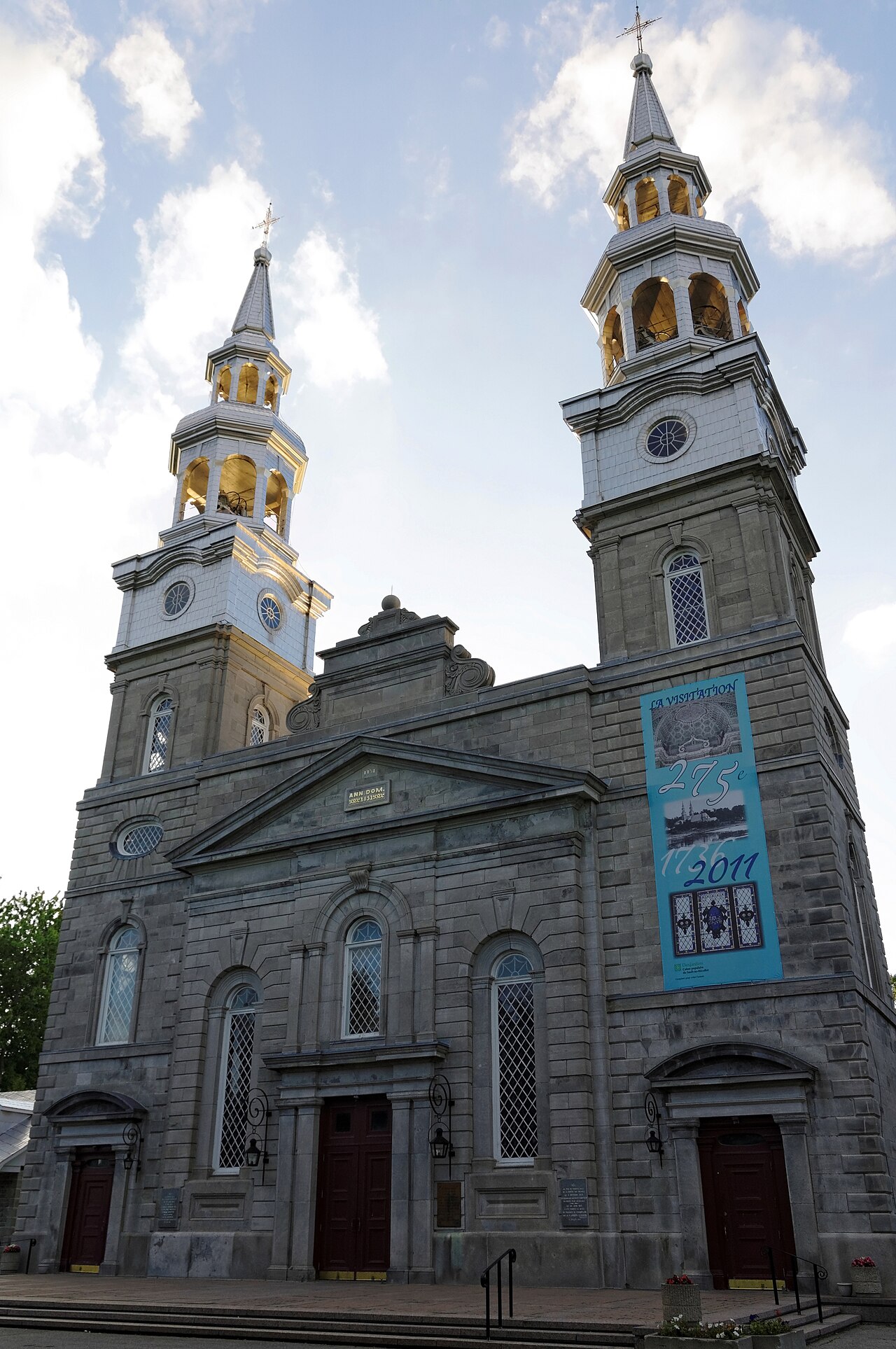
03 The Church of the Visitation-de-la-Bienheureuse-Vierge-Marie, in Sault-au-Récollet
The icon

The island's oldest church, still standing

Built with fieldstone between 1749 and 1751, the Church of the Visitation is the oldest church still standing on the island of Montreal and one of the last built under the French Regime, with a facade by John Ostell added in 1850. It gives the area a depth very few Montreal neighbourhoods can match.

Ask me about it: ask me which streets around the church have kept their period charm. That is exactly where heritage character turns into resale value.
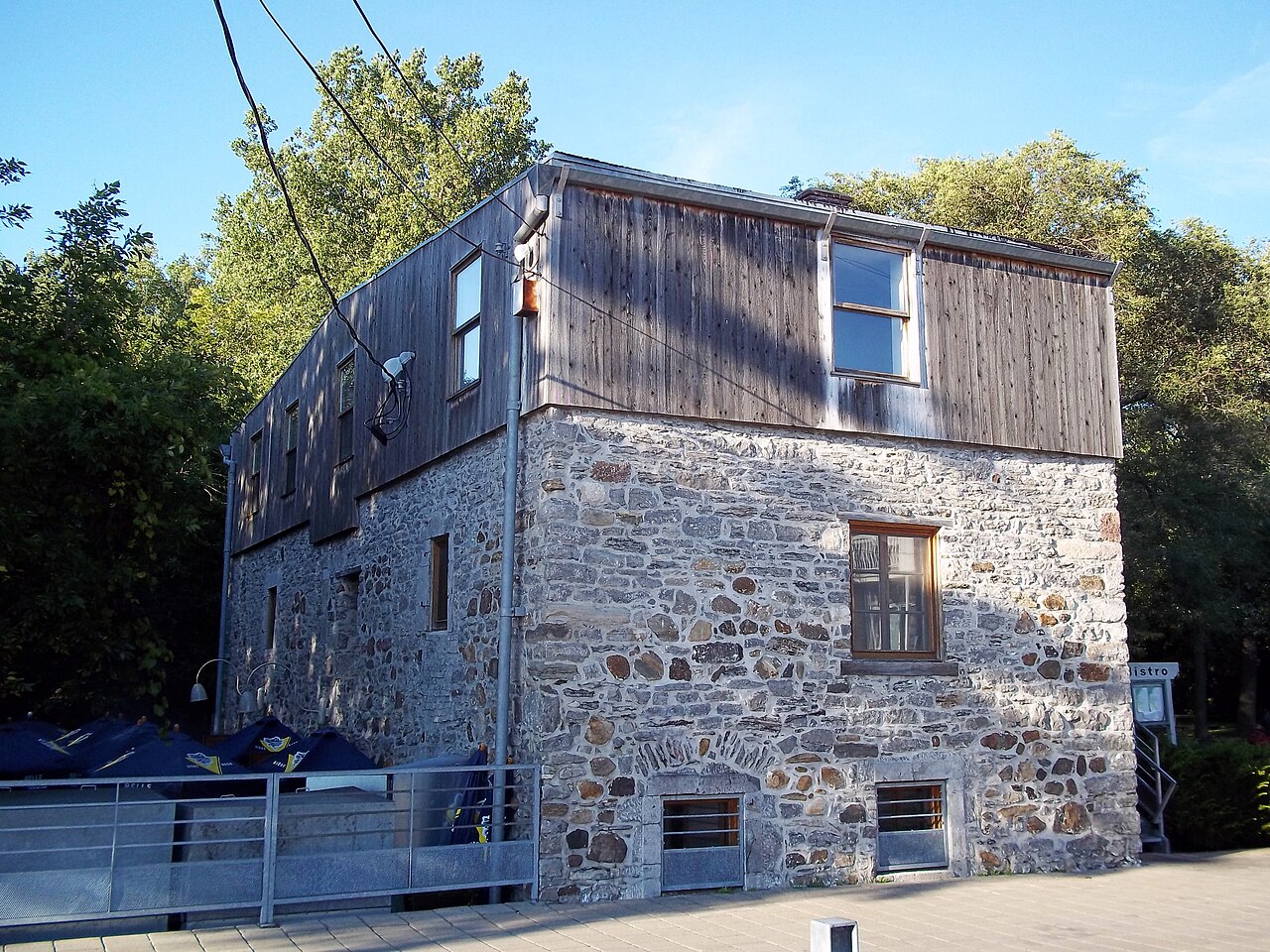
04 The Maison du Meunier, at the Île-de-la-Visitation nature park
Nature

Two nature parks, two worlds

Île-de-la-Visitation: 34 hectares along the river, a wooden footbridge over the old mill dam and the black-crowned night heron as its emblem bird. At the other end, Bois-de-Saraguay: 96 hectares, the island's best-preserved forest, opened to the public in 2016. Two doses of nature without ever leaving the borough.

Ask me about it: ask me when to spot the black-crowned night heron, and more importantly, which residential pockets give you walking access to both parks.
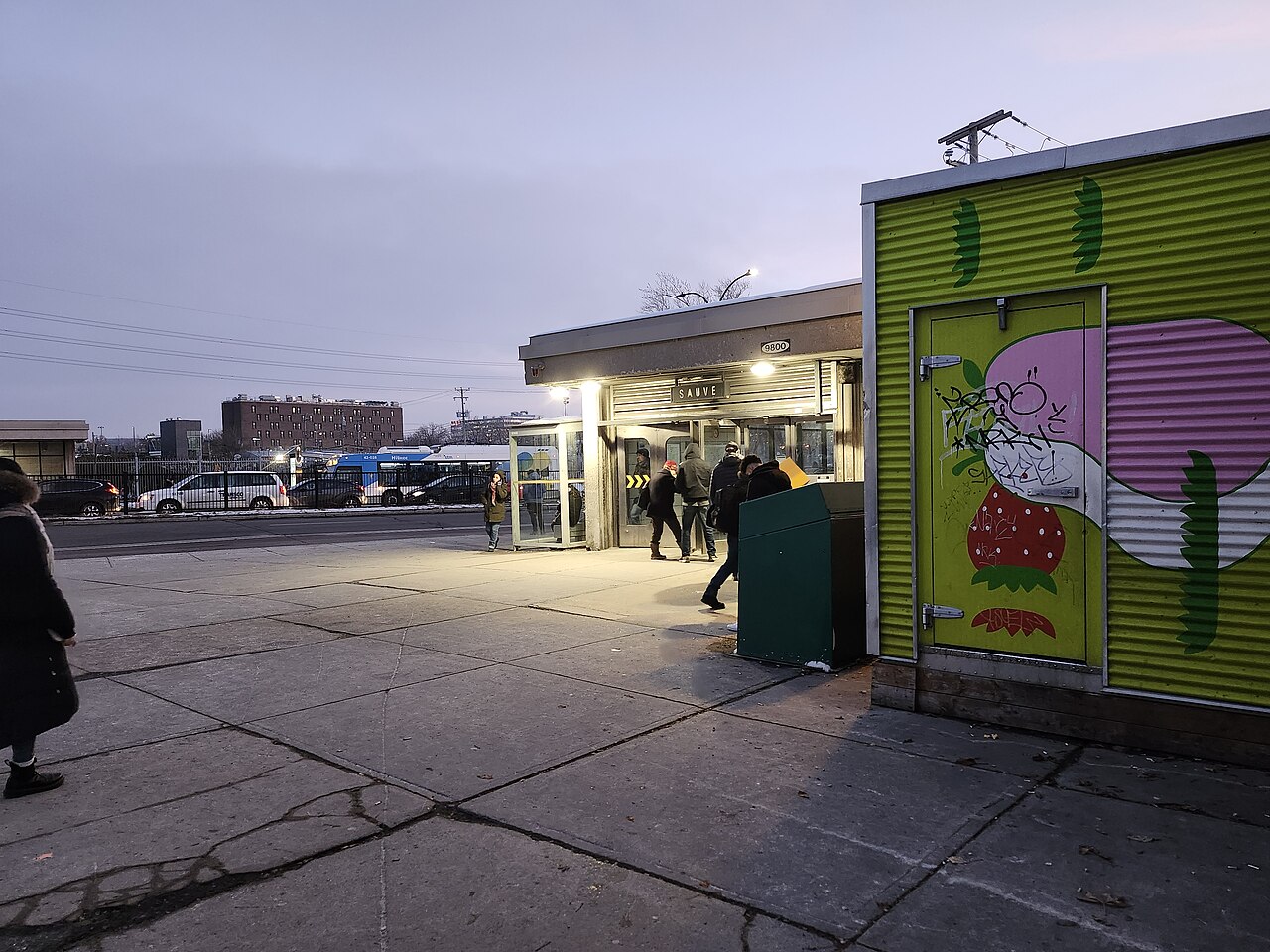
05 The entrance to Sauvé metro station, on the orange line
Transport

Metro, exo trains, REM close by

Three orange line metro stations (Crémazie, Sauvé and Henri-Bourassa), three exo train stations (Chabanel, Bois-de-Boulogne and Ahuntsic) and, since November 2025, the REM Bois-Franc station running right next to Cartierville. For commuters, this is one of the area's strongest selling points.

Ask me about it: ask me how the REM connection at Côte-de-Liesse station, the new terminus for the Mascouche line since January 2026, changes things for commuters in the area.
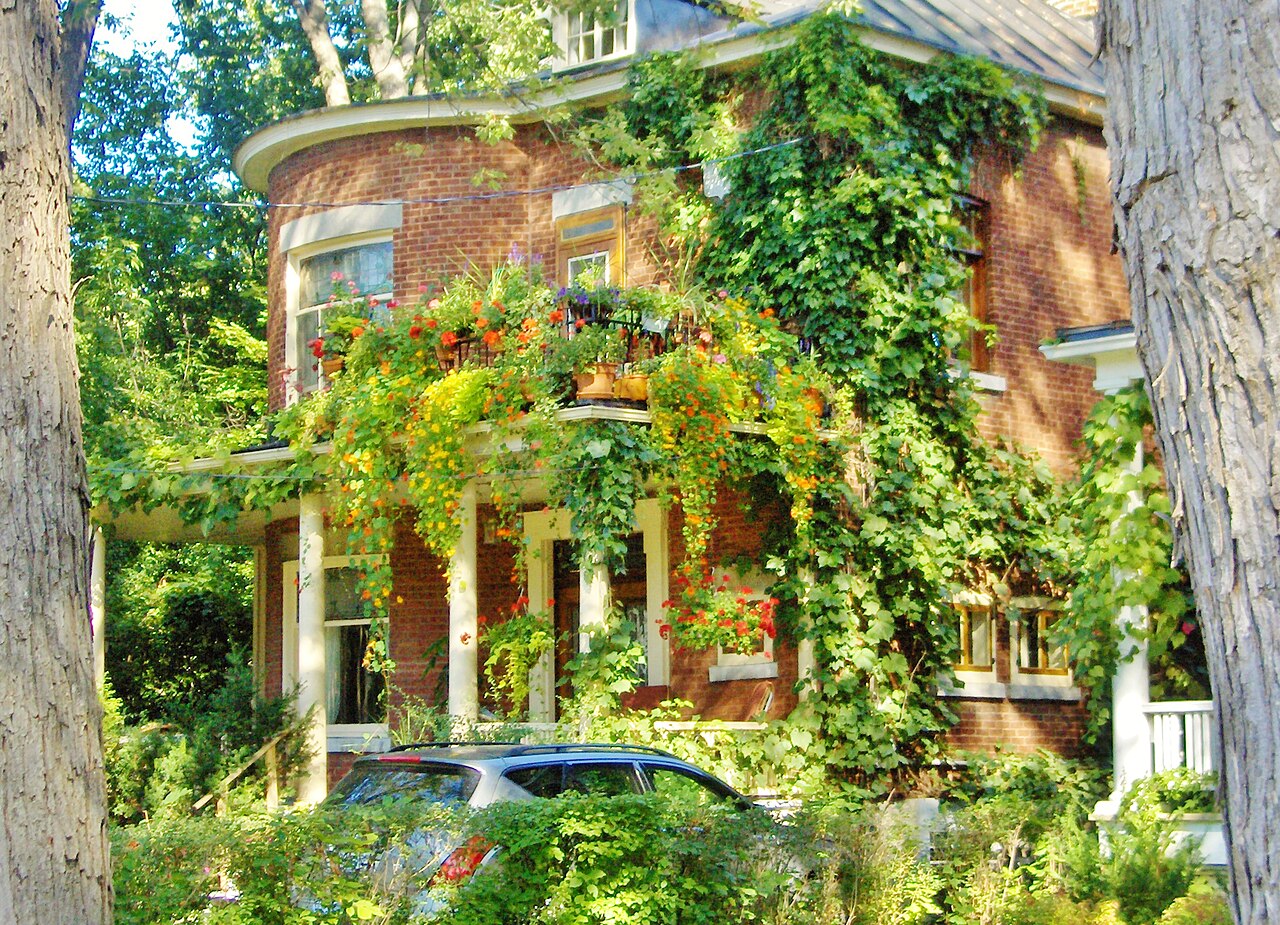
06 A flower-decked brick house, typical of Ahuntsic's residential streets
The safe bet

From brick plex to prestige home

About 134,000 residents and neighbourhoods with distinct personalities: 1940s and 1950s brick plexes in Ahuntsic and Sault-au-Récollet, single-family homes in Saint-Sulpice and Nouveau-Bordeaux, family-friendly pockets in Cartierville, prestige homes in Saraguay. With Sacré-Cœur Hospital and two CEGEPs nearby, rental demand is never in short supply.

Ask me about it: ask me which part of the borough fits your budget and your project. The answer changes a lot from one street to the next, and that is what makes it interesting.
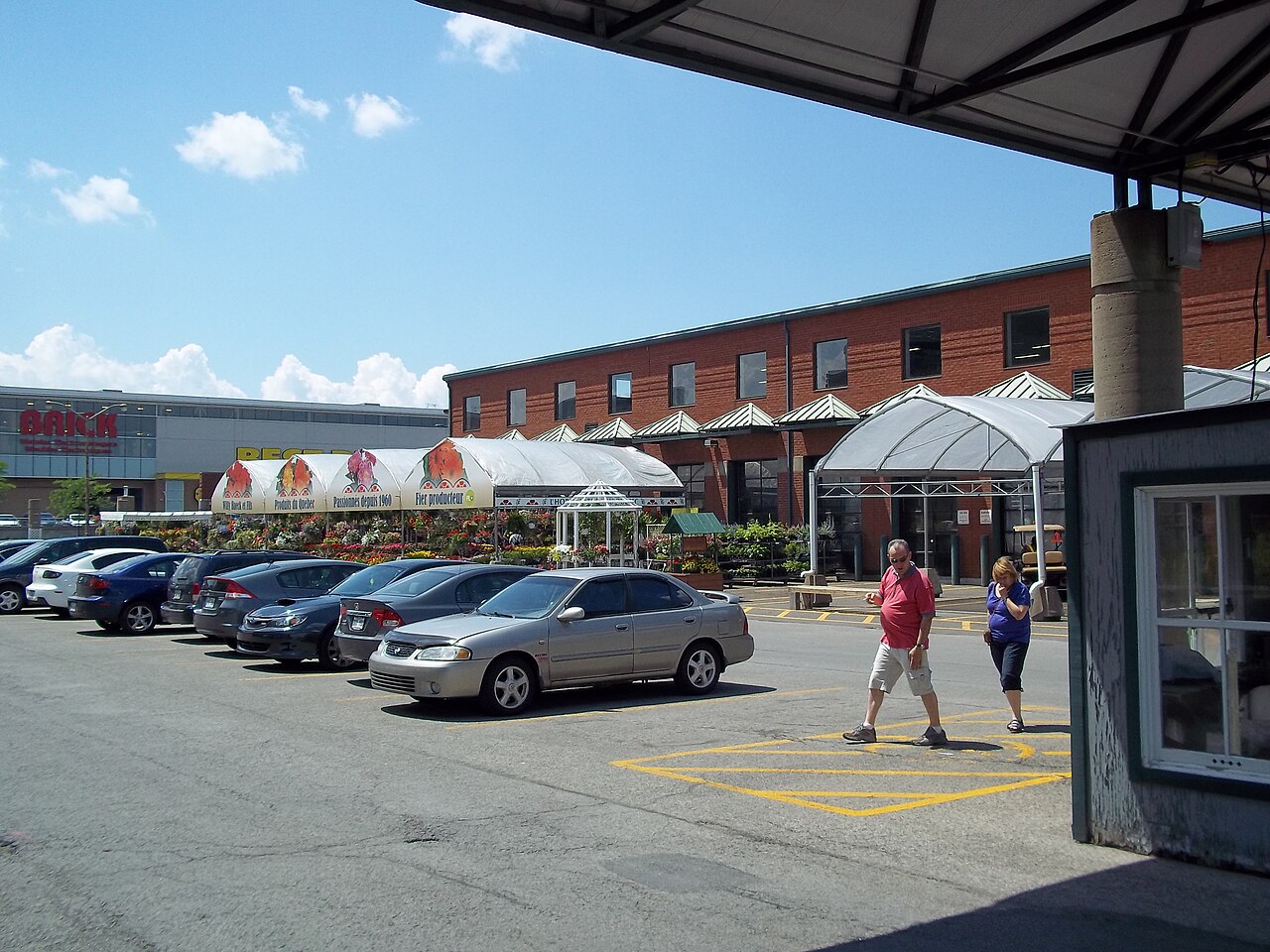
07 Flower stalls at Montreal's Marché Central, during the warm season
The practical side

Marché Central, right nearby

At the southwest edge of the area, Marché Central offers more than 1,000,000 sq. ft. of retail space, about sixty stores and more than 10 million visitors a year, with direct access to Highways 15 and 40. Not the heart of the neighbourhood, but a convenience many buyers end up loving.

Ask me about it: ask me which residential streets benefit from that proximity without dealing with the traffic. That is the kind of nuance that changes a showing.
08 The main entrance of the Claude-Robillard sports complex, on Émile-Journault Avenue
Sports and recreation

Claude-Robillard, an Olympic legacy

Opened in May 1976, on the eve of the Montreal Games, the Claude-Robillard sports complex hosted the handball and water polo events before settling into its role as the neighbourhood's great gym. A 50-metre Olympic pool, a 10-metre diving tower, a track and field facility and about twenty sports associations, all on Émile-Journault Avenue, right in the heart of the borough.

Ask me about it: for a sporty family, a facility of this calibre within walking distance changes everything. Ask me which pockets give you access on foot or by bike.
09 Collège Ahuntsic, the CEGEP of the Ahuntsic-Cartierville borough
Schools and families

Two CEGEPs and well-known schools

Collège Ahuntsic, founded in 1967, welcomes about 10,500 students, making it one of the largest CEGEPs in Quebec, and Collège de Bois-de-Boulogne rounds things out on the Cartierville side. At the high school level, the public Sophie-Barat school sits on a heritage site along Gouin Boulevard, while Mont-Saint-Louis, founded in 1888, and Collège Regina Assumpta draw families from across the island.

Ask me about it: ask me which streets make the school run walkable. From one street to the next, that detail often outweighs the size of the lot.
10 A summer day at Ahuntsic Park, the neighbourhood's big central park
The neighbourhood's heart

Ahuntsic Park, the village square

Between Lajeunesse, Saint-Hubert and Fleury streets, Ahuntsic Park spreads its 10.5 hectares just steps from the Henri-Bourassa metro: an arena, a baseball stadium, a skatepark, a wading pool with water games, and a sledding hill in winter. It is the kind of park where the whole neighbourhood ends up crossing paths, from Saturday morning strollers to Tuesday night ball leagues.

Ask me about it: properties along a big park rarely resell at the same price as the others. Ask me what that looks like in real numbers around Ahuntsic Park.
Let's talk about it

Thinking about buying or selling in Ahuntsic-Cartierville? Let's start with a conversation.

A free evaluation of your property, a picture of the local market, or simply answers to your questions. No strings attached, and a straight answer.

Start my real estate project

Photo credits