← Back to the island map
Area · Saint-Henri, Petite-Bourgogne, Pointe-Saint-Charles, Griffintown, Ville-Émard, Côte-Saint-Paul

Le Sud-Ouest

Canada's industrial cradle became Montreal's most transformed area. A canal, a legendary market, lofts in former factories: here's my top 10, neighbour's view, not brochure view.

Let's talk about this area

The Sud-Ouest is the area I drive through every week between showings, and the one where Montreal's history shows on every street corner. From the factories along the Lachine Canal to the towers of Griffintown, by way of the duplexes of Ville-Émard, no other area has changed this fast, and none tells the city's origin story better.

I put this top 10 together for a simple reason: when you buy or sell, you're not just shopping for a property, you're shopping for a neighbourhood life. Each point comes with an opening for a conversation, so use it.

Maxime Laforest, real estate broker · Équipe Loiselle, RE/MAX Dynamique

Five neighbourhoods, five personalities

Choose your neighbourhood.

The Sud-Ouest is five worlds in one. Each has its own full page, with its own top 7 and insider stories.

The area's top 10

What makes the Sud-Ouest's heart beat.

Ten reasons buyers fall in love with the area, and why the ones who live here never leave.

01 The Lachine Canal and its bike path
The icon

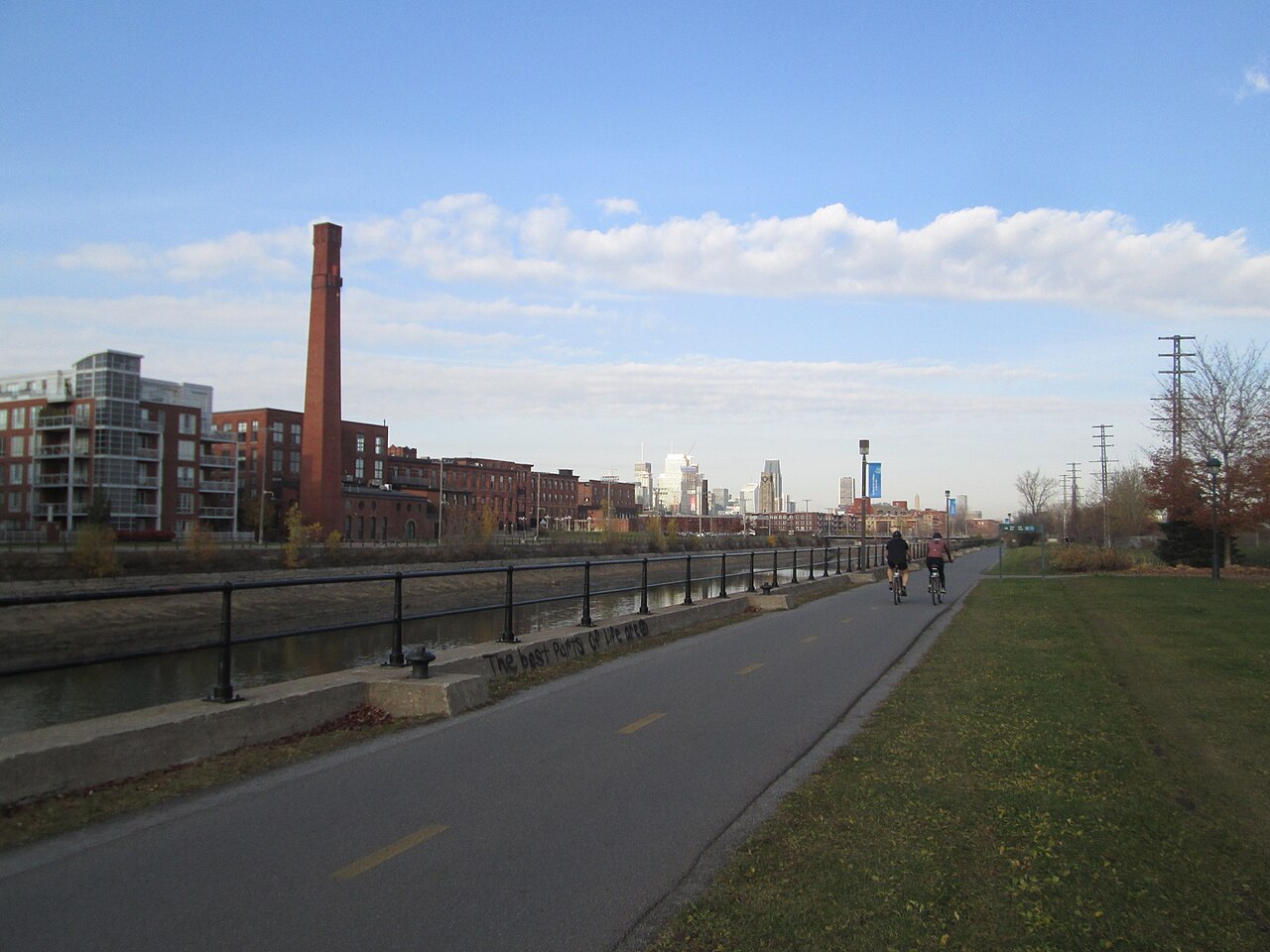
The Lachine Canal

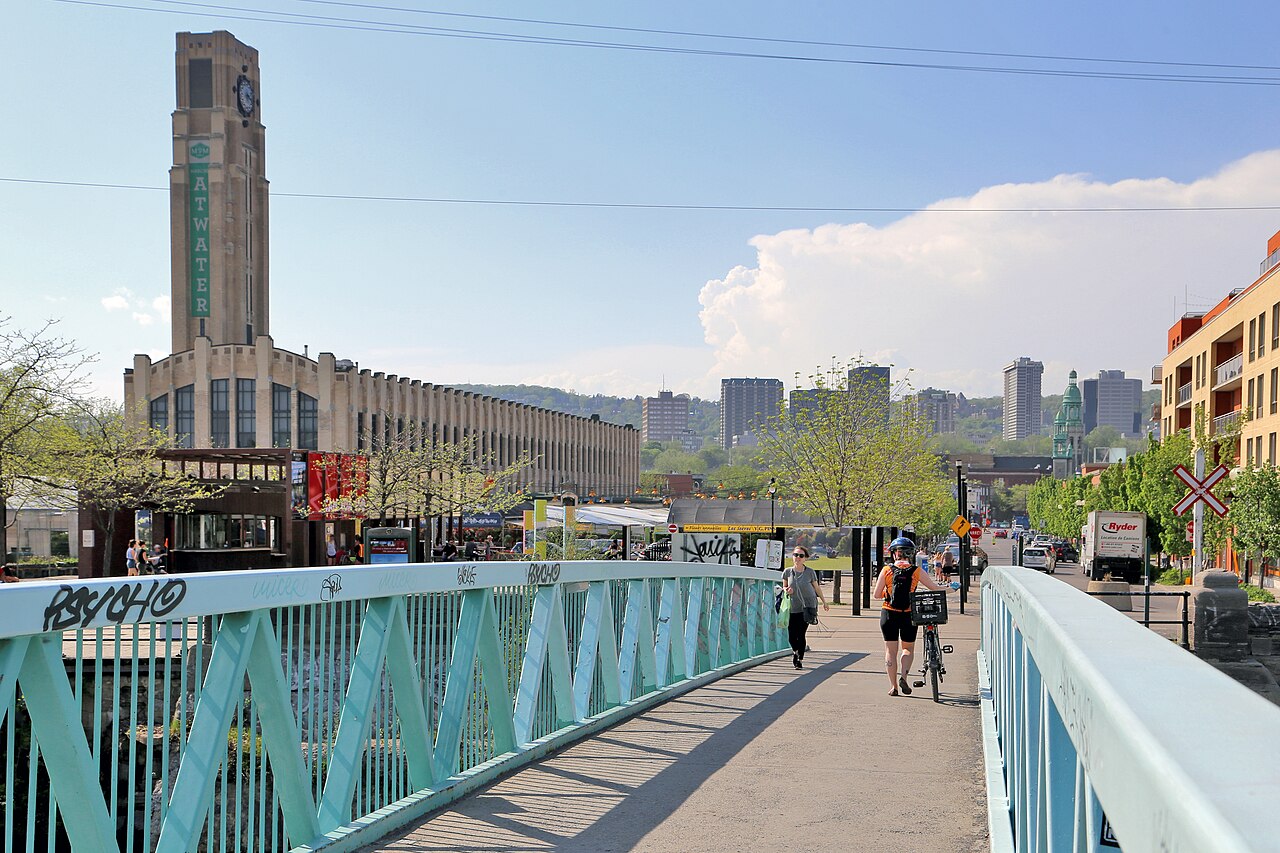
A national historic site, the birthplace of Canadian industrialization, it celebrated its 200th anniversary in 2025. Today: 13.5 km of bike path, kayaks and pleasure boats in summer, and former factories turned into Montreal's most sought-after lofts.

Ask me about it, and I'll tell you why two condos with the same view of the canal can be worth 15% apart. The building's history matters.
02 Atwater Market and its art deco tower
Foodie

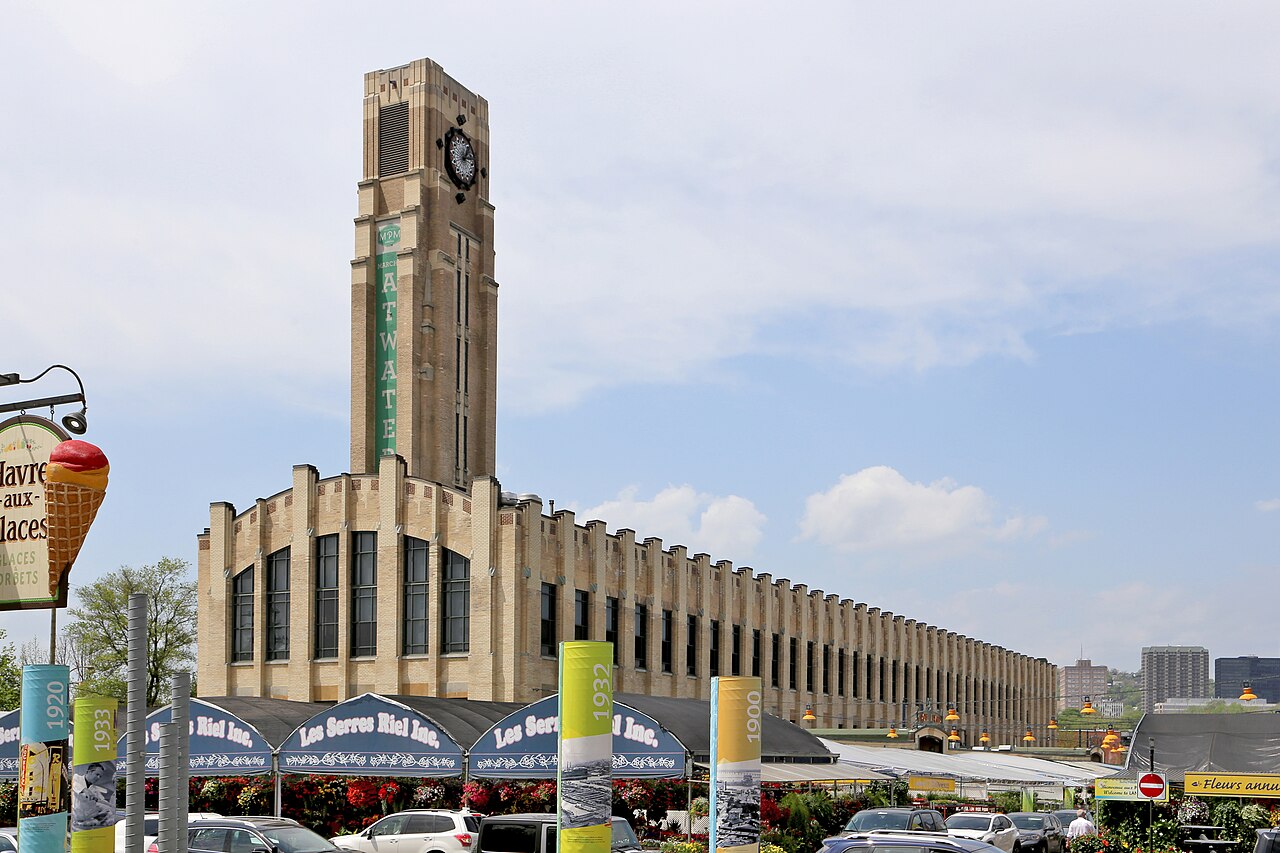
Atwater Market

Since 1933, its art deco tower has kept watch over the canal. Legendary butchers, cheesemongers, flowers in spring, pumpkins in fall: it's the most spectacular neighbourhood market in the city, and a magnet for buyers all around it.

Ask me about it, and I'll tell you what "walking distance to the market" is worth on a sale price. It's measurable.
03 Notre-Dame Street West in Saint-Henri
The food

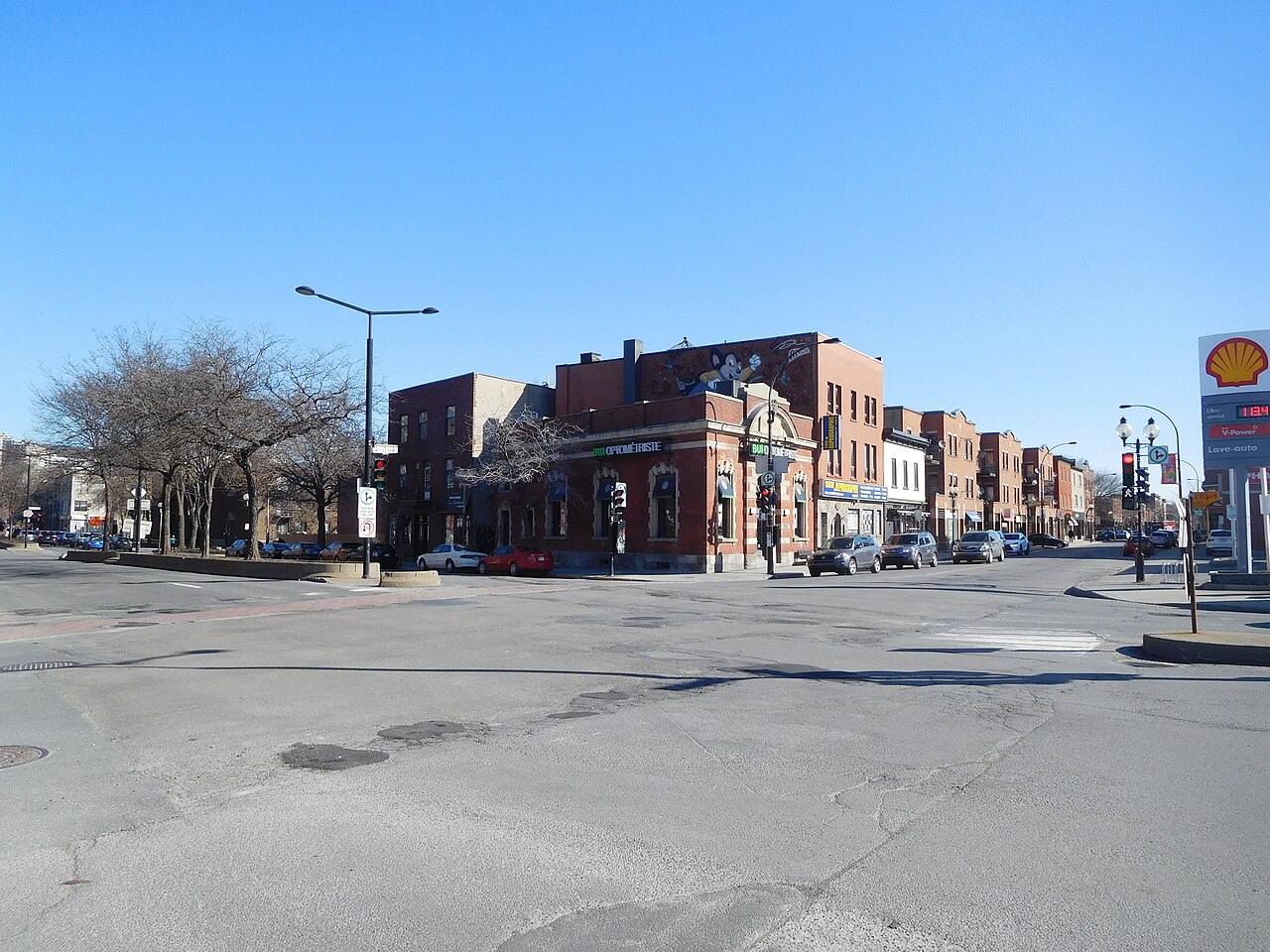
Saint-Henri and Notre-Dame Street West

The neighbourhood of Bonheur d'occasion, Gabrielle Roy's novel that won the Prix Femina in 1947, has become a food destination: Joe Beef, ranked among the world's 100 best restaurants in 2015, Vin Papillon, Tuck Shop and more. Gabrielle wouldn't recognize it.

Ask me about it, and I'll tell you which streets in Saint-Henri still have catching up to do. That's where the deals hide.
04 Griffintown, between industrial heritage and modern towers
Modern living

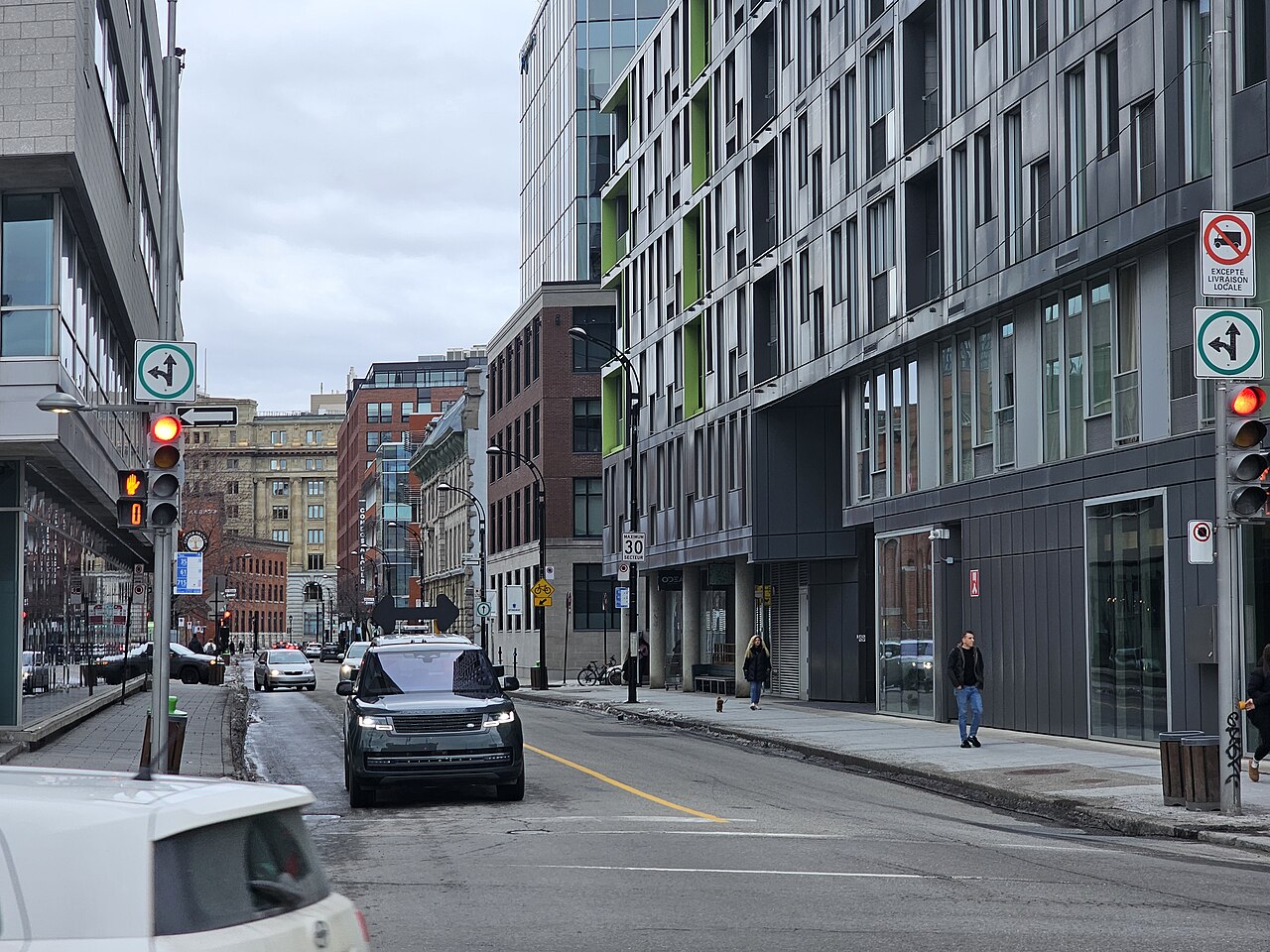
Griffintown, 200 years on fast forward

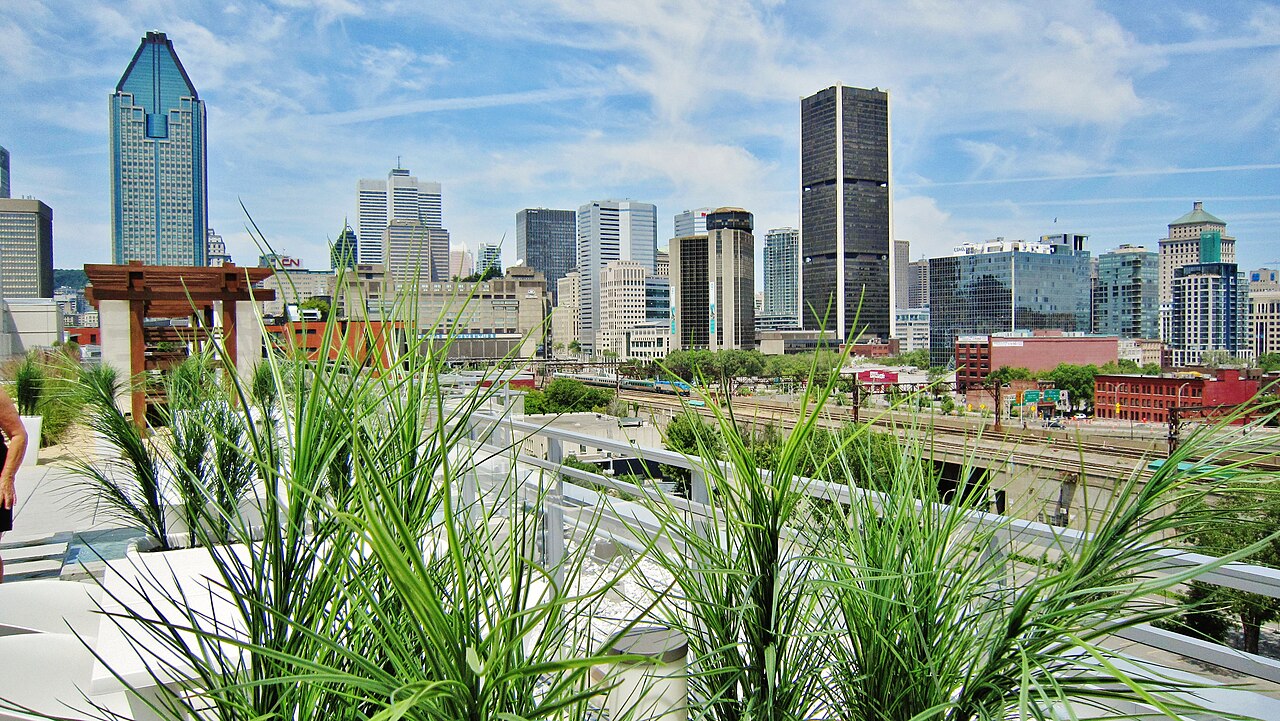
An Irish working-class neighbourhood laid out as early as 1804, turned in twenty years into a forest of towers and rooftop terraces. And the next chapter is already being written: a REM station, Griffintown-Bernard-Landry, is planned for around 2030.

Ask me about it, and I'll tell you what an announced REM station does to values BEFORE it even opens. Timing is everything.
05 A metro station in the Sud-Ouest
Transit

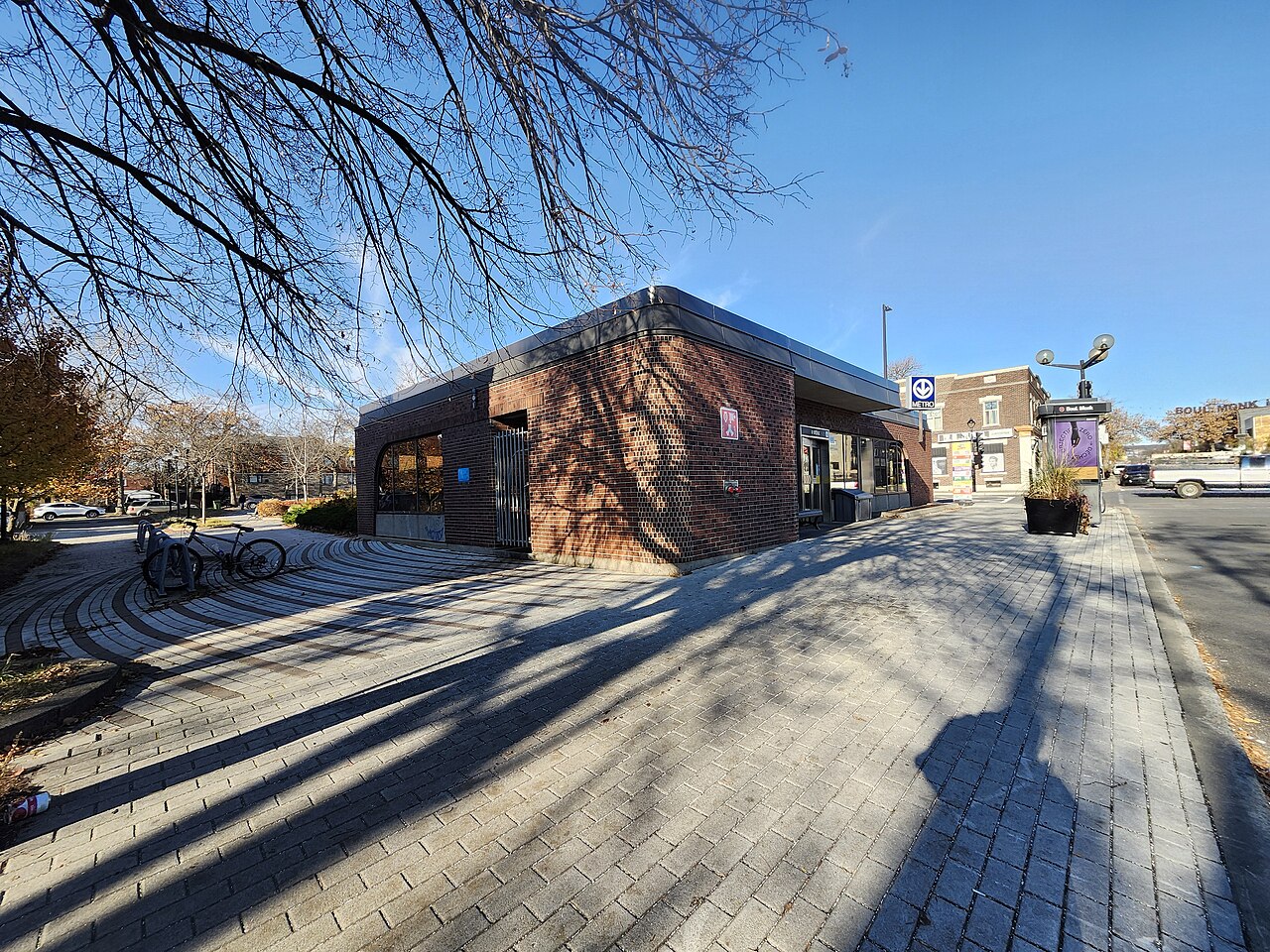
Seven stations, two metro lines

Georges-Vanier, Lionel-Groulx, Place-Saint-Henri on the orange line; Charlevoix, Jolicoeur, Monk and Angrignon on the green. And Lionel-Groulx is THE transfer station of the west end, with two lines on the same platform.

Ask me about it, and I'll tell you why Lionel-Groulx is one of the most strategic locations in all of Montreal for resale.
06 Angrignon Park
Nature

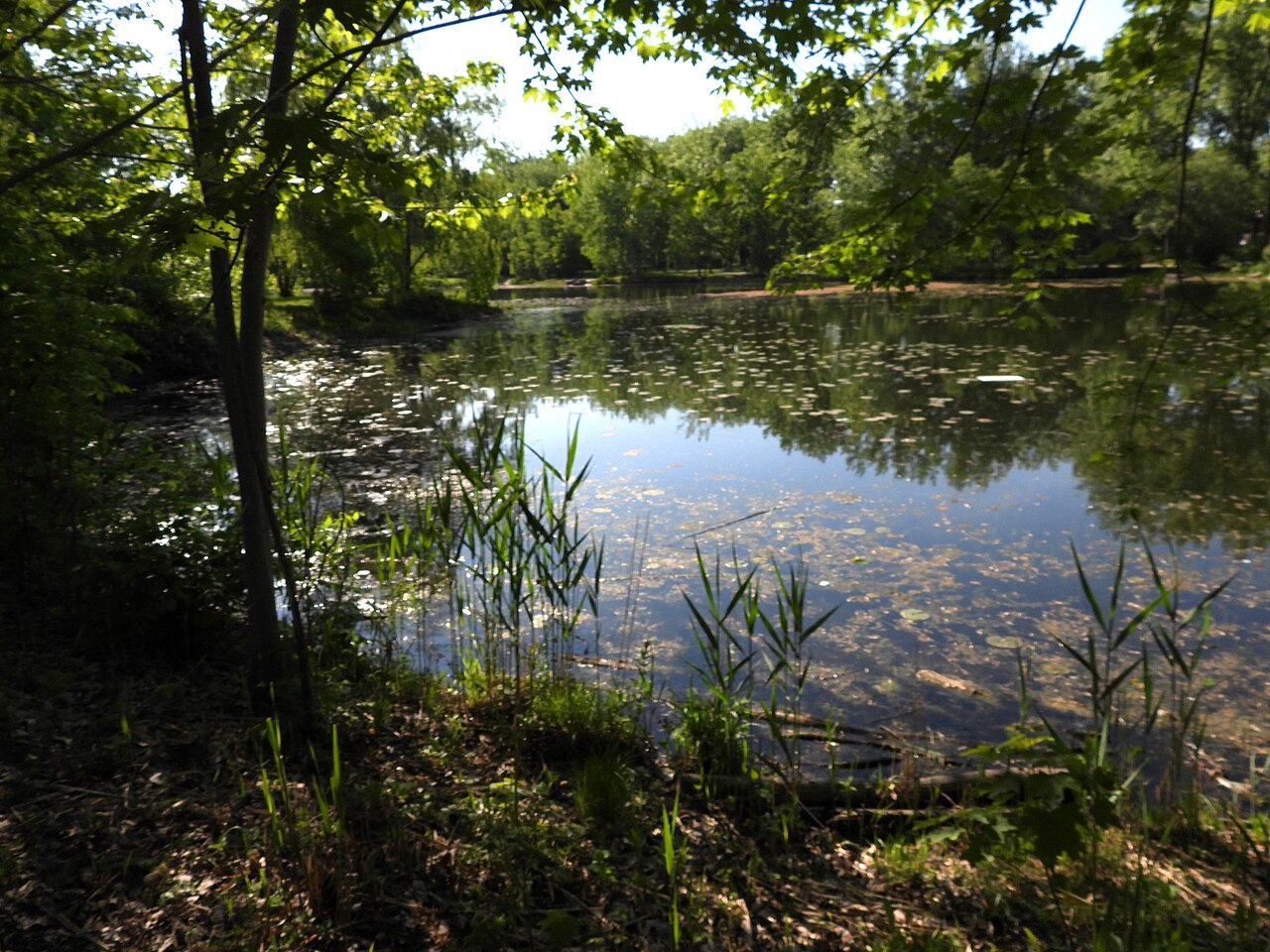
Angrignon Park

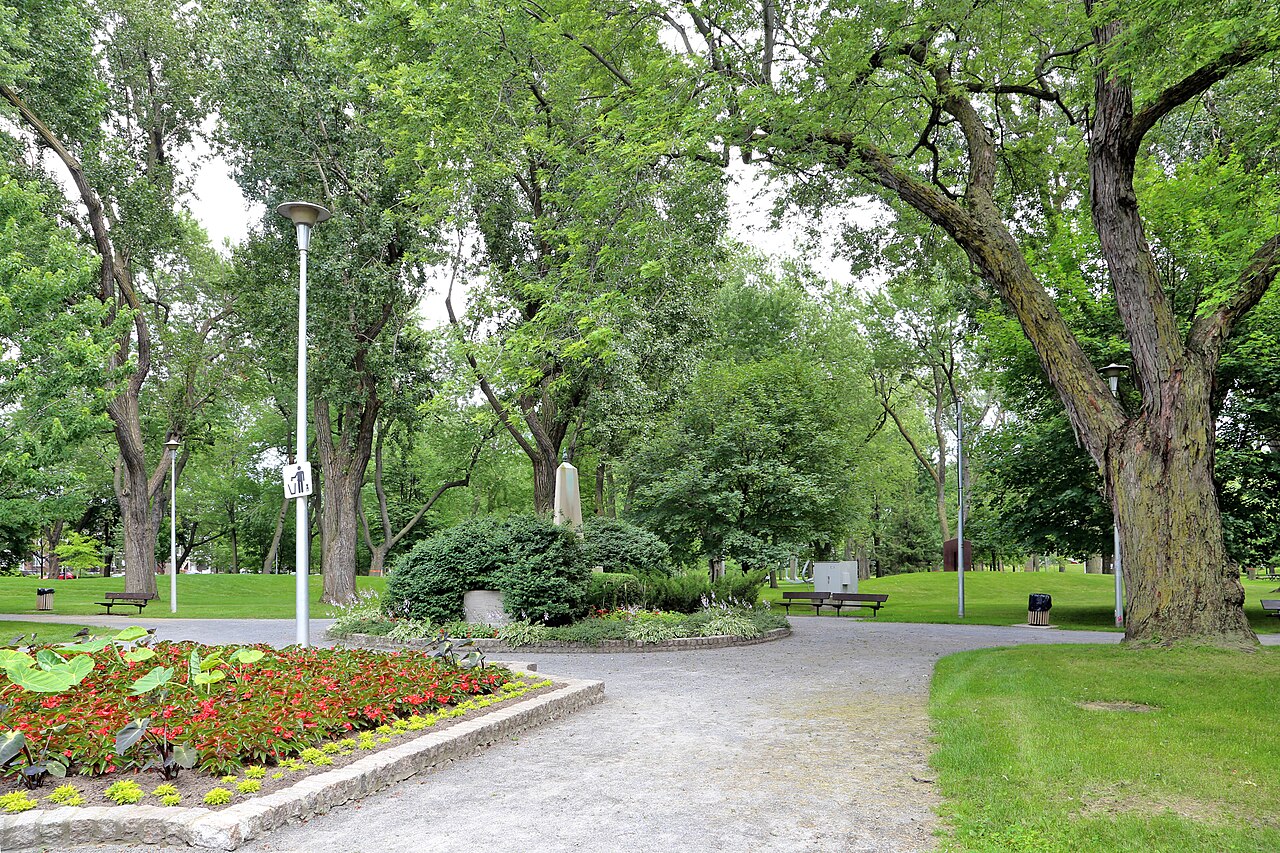
97 hectares, a lake over a kilometre long, avenues of century-old trees: one of Montreal's great parks, with its own metro terminus. In winter it's a postcard, in summer it's the living room for all of Ville-Émard.

Ask me about it, and I'll tell you which streets border the park without the "park price tag." There are a few.
07 Maison Saint-Gabriel, museum and historic site
History

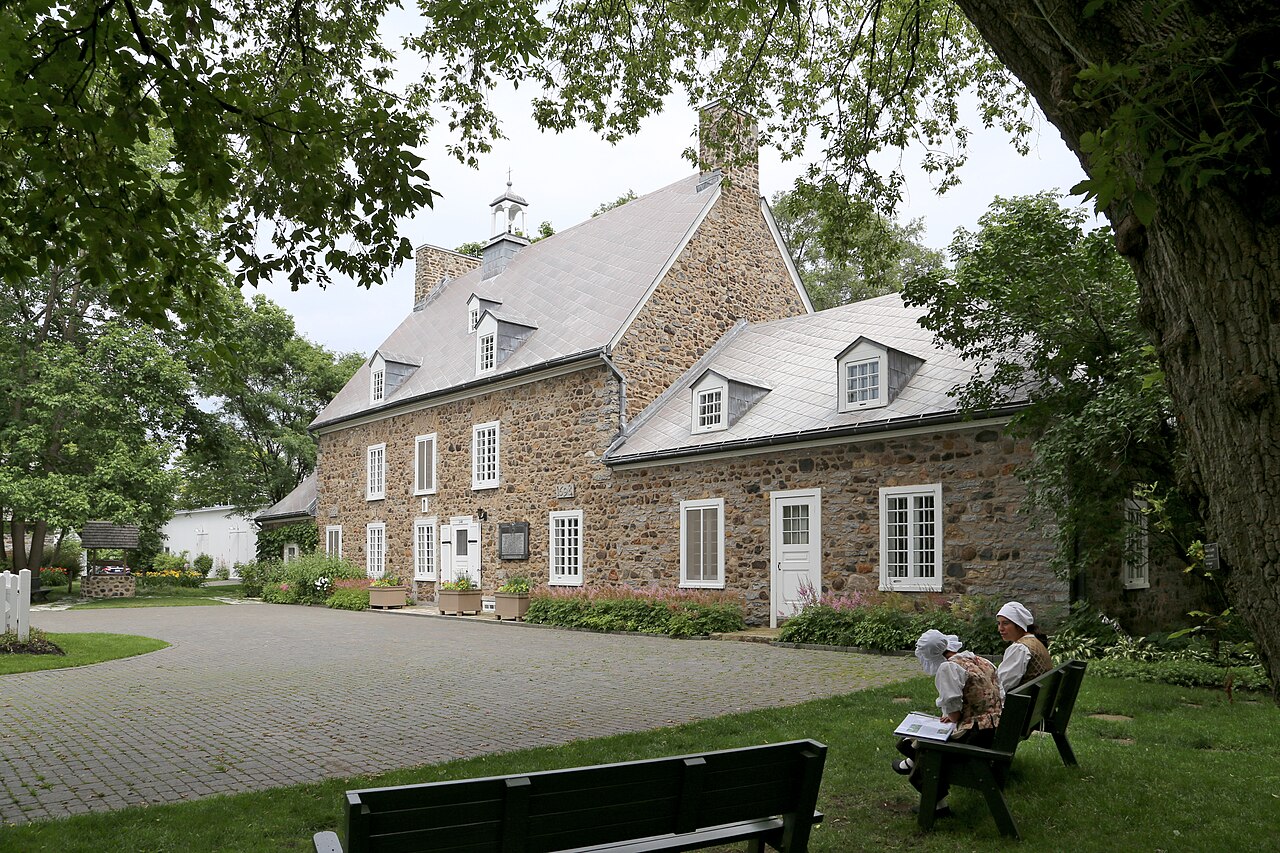
Maison Saint-Gabriel

A farm acquired by Marguerite Bourgeoys in 1668, with its current building dating back to 1698: the oldest surviving example of rural architecture in Montreal, tucked away in the heart of Pointe-Saint-Charles. Today it's a charming museum that even plenty of Montrealers don't know about.

Ask me about it, and I'll tell you what other secret the Pointe hides from visitors in a hurry. The neighbourhood is full of surprises.
08 Pointe-Saint-Charles
Neighbourhood spirit

The Pointe and its Bâtiment 7

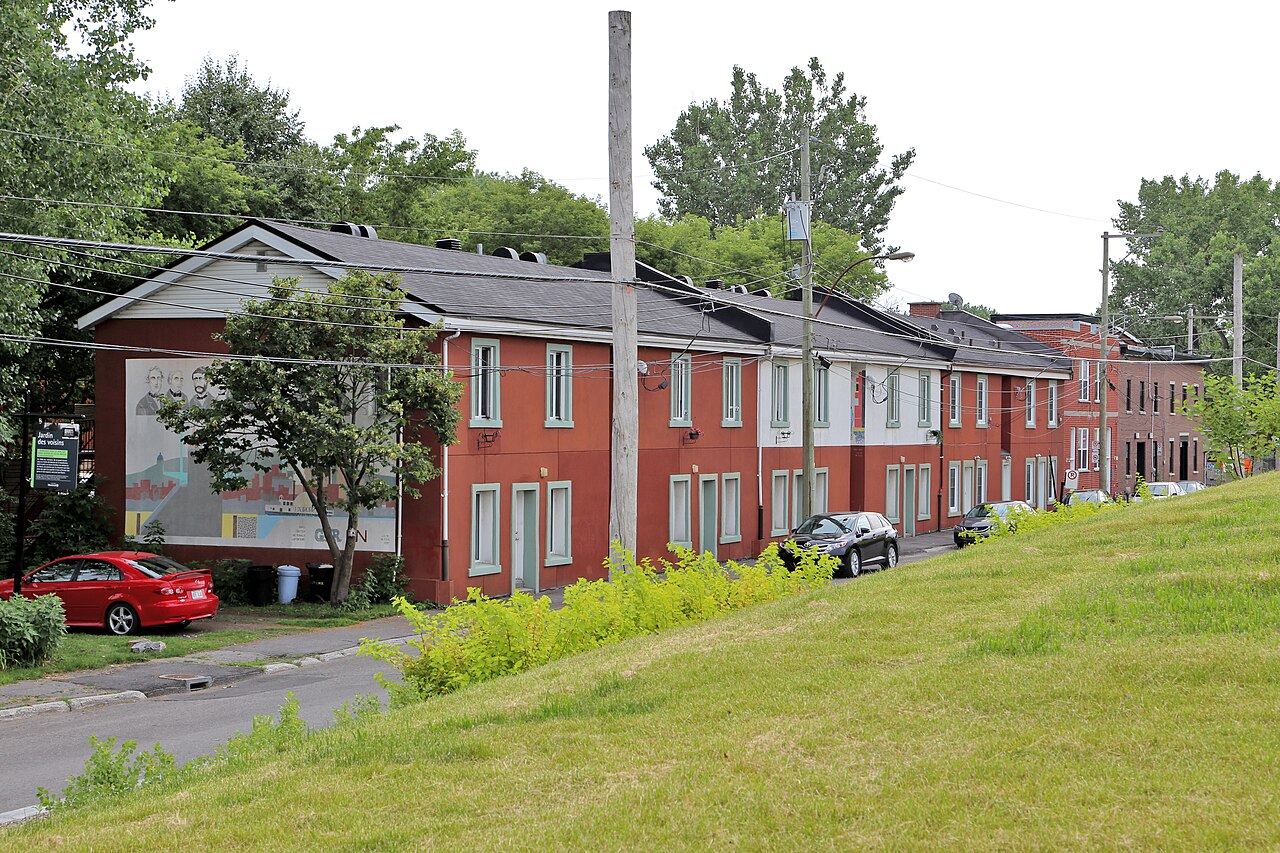
A former 90,000 sq. ft. CN railway workshop, won by residents after a ten year fight, turned in 2018 into a self-managed community centre: grocery store, microbrewery, workshops, daycare. Nowhere else in Montreal is community spirit this tangible.

Ask me about it, and I'll tell you why that village spirit also protects property values in the neighbourhood.
09 The Corona theatre on Notre-Dame Ouest
Culture

From the Corona to the Arsenal, culture in the factory

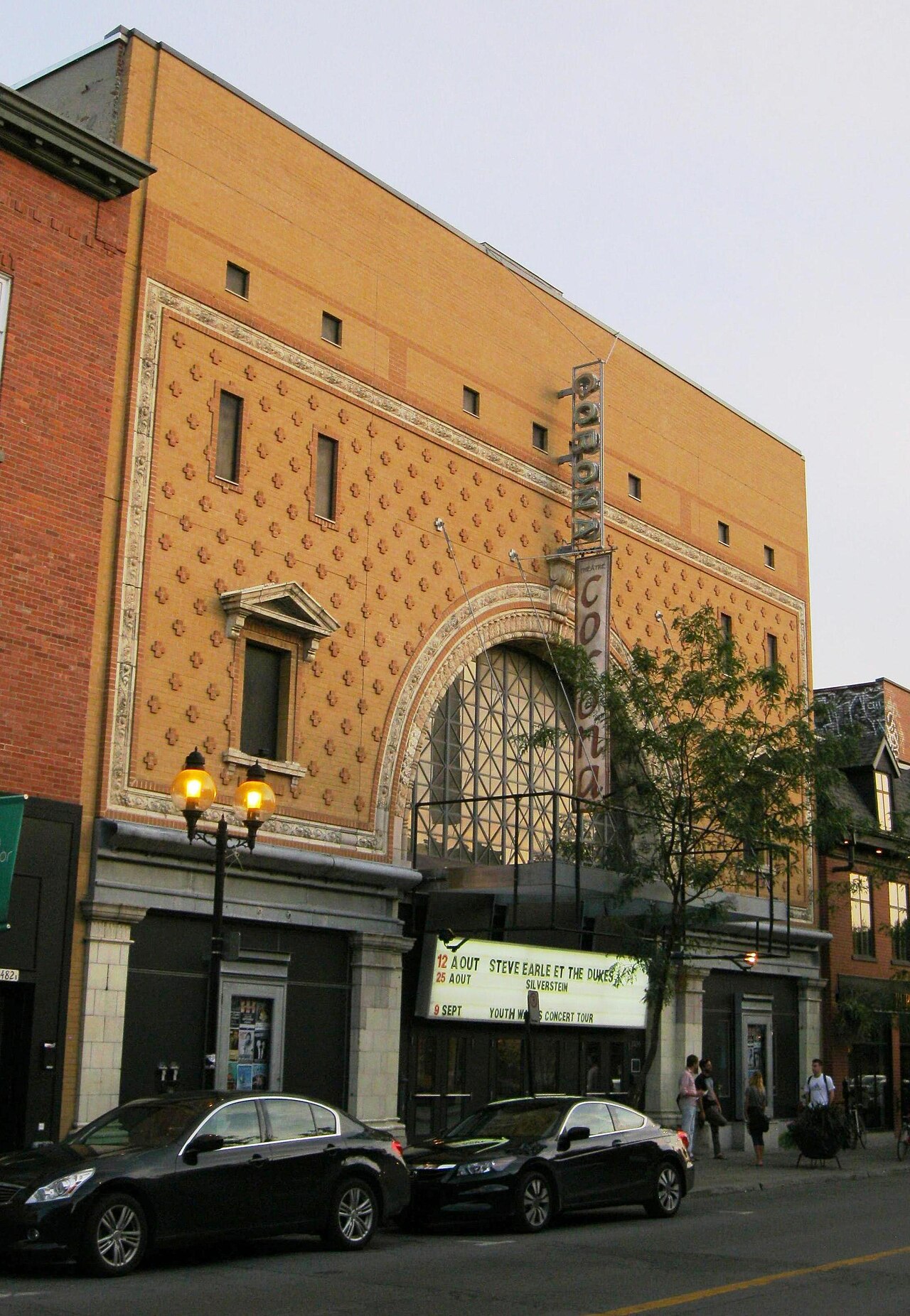
The Corona theatre (1912, now the Beanfield Theatre) still shines on Notre-Dame. Around it: Arsenal contemporary art in a former shipyard, the Darling Foundry, the New City Gas. Here, culture recycled industry.

Ask me about it, and I'll tell you why Oscar Peterson's Petite-Bourgogne is a whole chapter of jazz history on its own.
10 Ville-Émard and Côte-Saint-Paul
The safe bet

Ville-Émard and Côte-Saint-Paul, between two canals

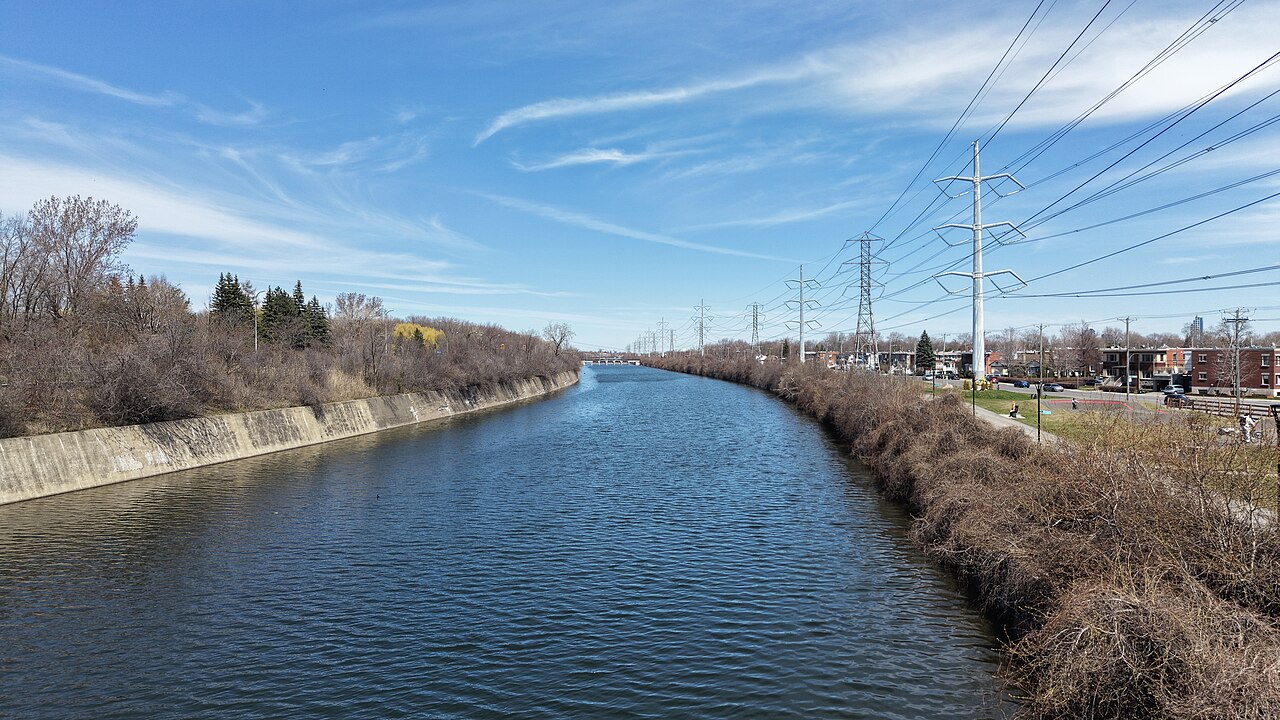
Framed by the Lachine Canal and the Aqueduct Canal, with bike paths on both sides, and their duplexes and triplexes from the 1920s to 1960s, still more affordable than the rest of the area, three metro stations from downtown.

Ask me about it, and I'll tell you why I often say this is where the Sud-Ouest of tomorrow is being decided. The numbers back it up.
Let's talk

Thinking about buying or selling in the Sud-Ouest? Let's start with a conversation.

A free evaluation of your property, a picture of the local market, or simply answers to your questions. No strings attached, and a straight answer.

Start my real estate project

Photo credits