← Back to the island map
Area · Anjou borough

Anjou

Suburban comfort with a Montreal address, and a metro terminus on the way. My top 7, the neighbour's version, not the brochure version.

Let's talk about this area

Anjou is a former city founded in 1956 on farmland, named after Anjou, the French province, and became a Montreal borough in 2002. It has never shied away from its planned-suburb DNA: wide streets, mature trees, proud bungalows. And with the metro on the way, the east end of the island has rarely had such a strong case.

I put this top 7 together for a simple reason: when you buy or sell, you are not just shopping for a property, you are shopping for a neighbourhood life. Each point comes with a conversation starter, feel free to use it.

— Maxime Laforest, real estate broker · Équipe Loiselle, RE/MAX Dynamique

The area's top 7

What makes Anjou's heart beat.

Seven reasons buyers fall for this area, and why the ones who live here never leave.

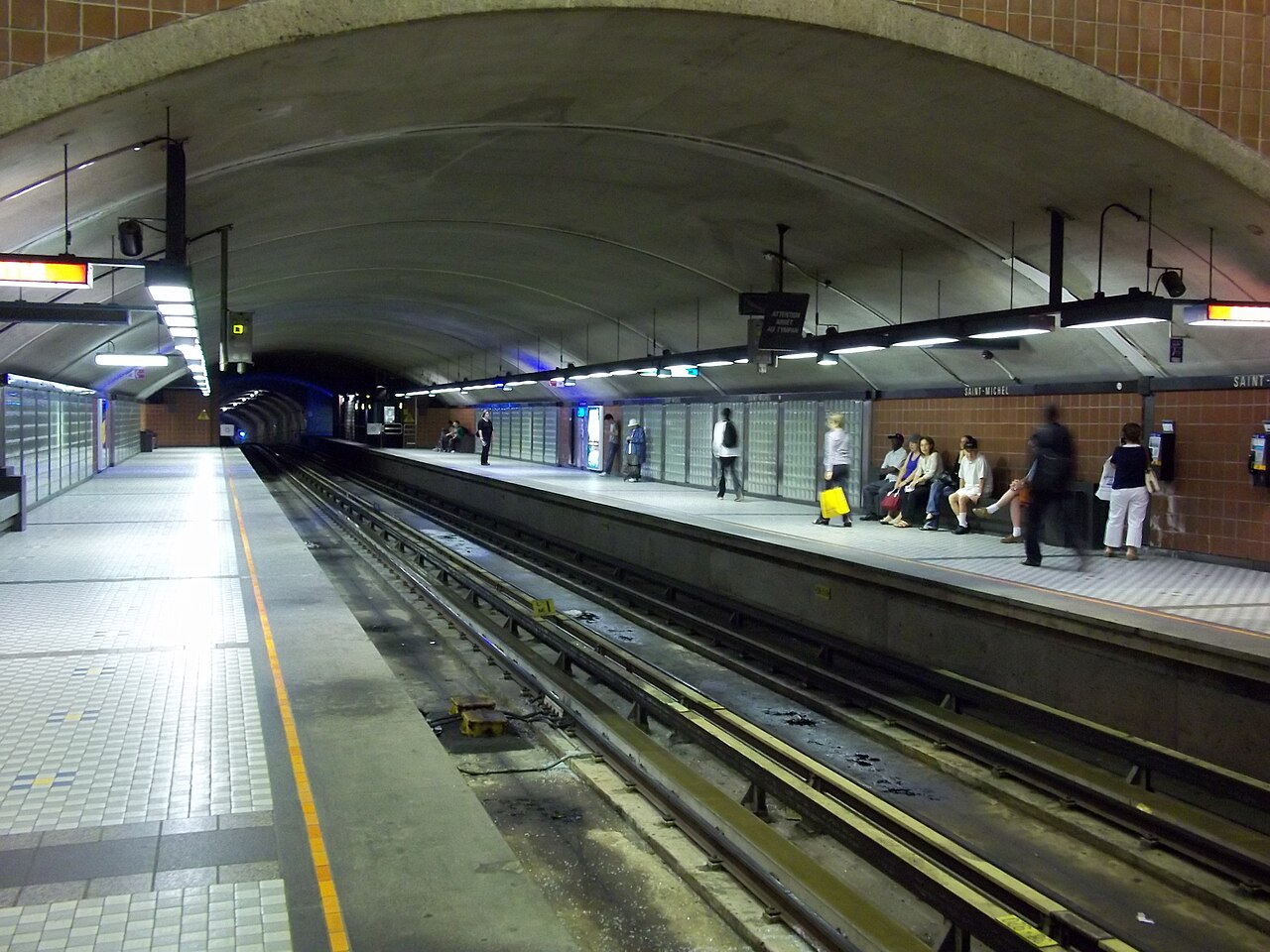
01 The platform at Saint-Michel metro station, the current terminus of the blue line while it awaits its extension to Anjou
The future

The metro is coming, terminus Anjou

The blue line extension adds five stations heading east, and Anjou gets the terminus, with a main entrance right next to the Galeries. Construction is well underway, the tunnel boring machine is set to surface here in 2028, and service is expected to start around 2031. A metro on the way works in a neighbourhood's favour years before it even opens.

Ask me about it: ask me who "Lisette" is. The biggest tunnel boring machine ever used in Quebec is named after the metro's first female operator, and her final destination is Anjou. The story is worth hearing.
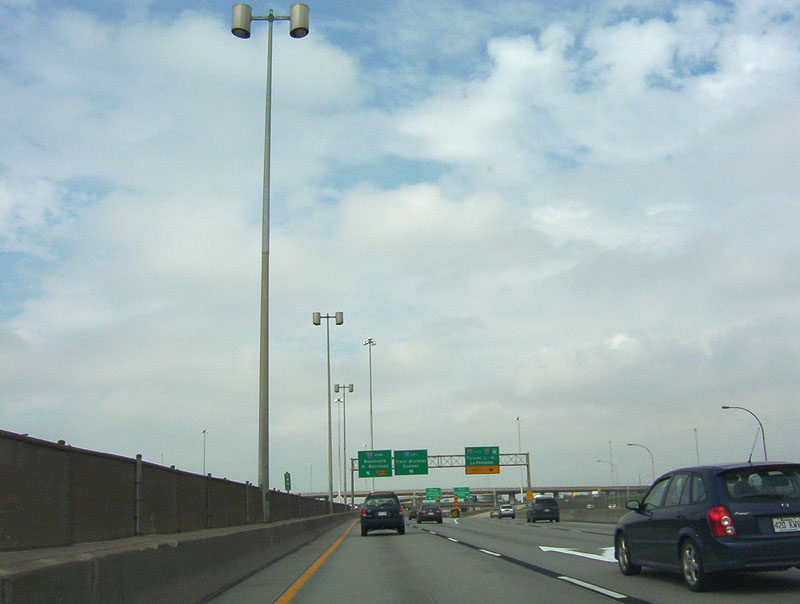
02 Highway 40 eastbound approaching the Anjou interchange, at the junction with Highway 25
Transport

Plugged into every direction

Anjou sits right at the crossing of Highways 25 and 40: downtown and Quebec City via the Metropolitan, Laval to the north, Longueuil through the tunnel bridge. That access is what launched the area's development back in the 1960s, and it remains a strong argument for commuters and commercial real estate alike.

Ask me about it: ask me which residential pockets benefit from that access without living right against the highways. The nuance plays out over a few streets, and it matters at resale.
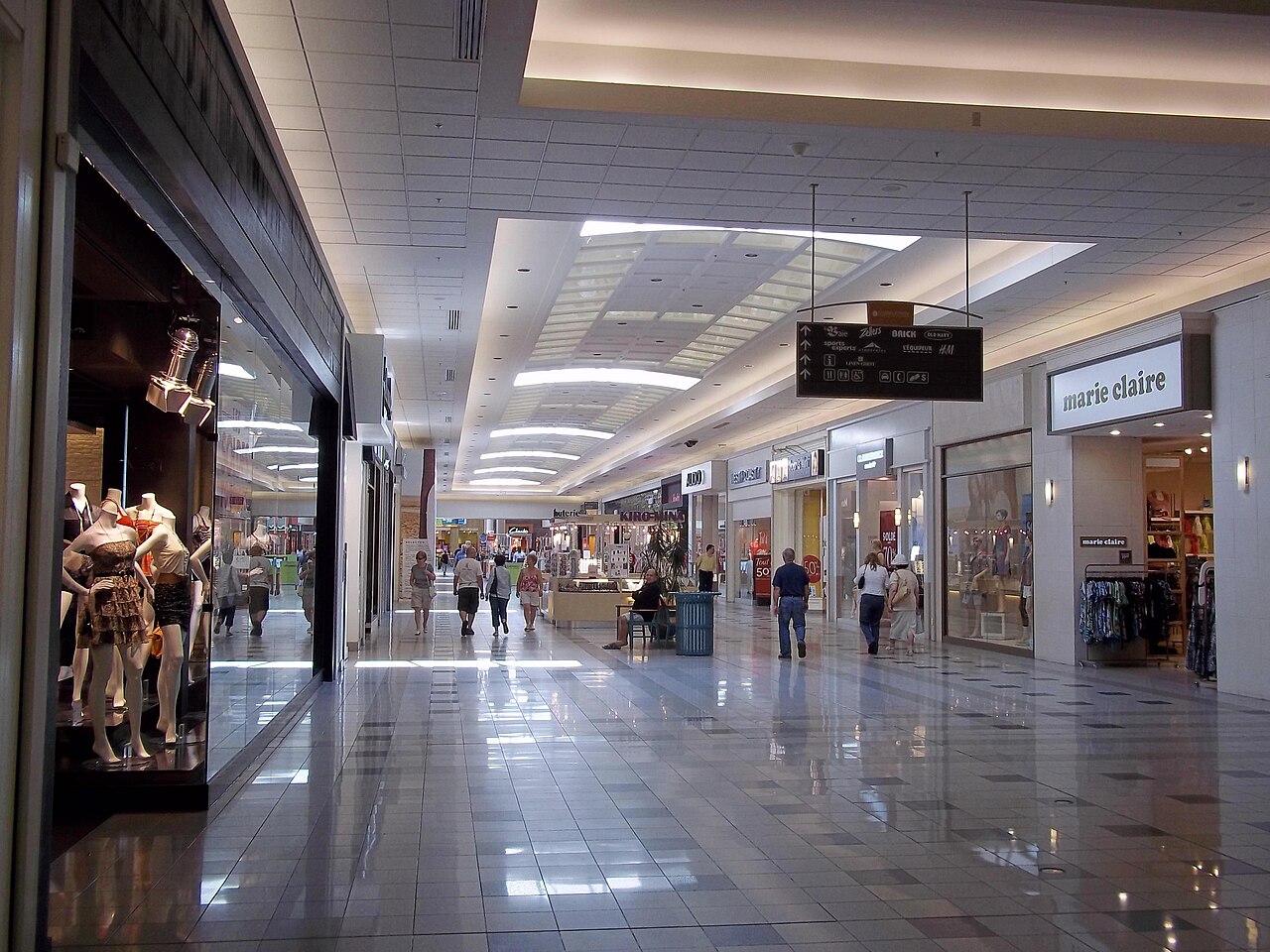
03 An indoor corridor at Galeries d'Anjou, lined with shops
The icon

From the Galeries to the Halles

There is no old-style shopping street here: the commercial heart is the triangle formed by Galeries d'Anjou, more than 175 shops and restaurants since 1968, one of the island's major shopping hubs, and Halles d'Anjou, born from a farmers' market in 1981, with more than 30 gourmet vendors open 363 days a year.

Ask me about it: ask me what the future metro station right next to the Galeries changes in how we read this whole area. Hint: quite a lot.
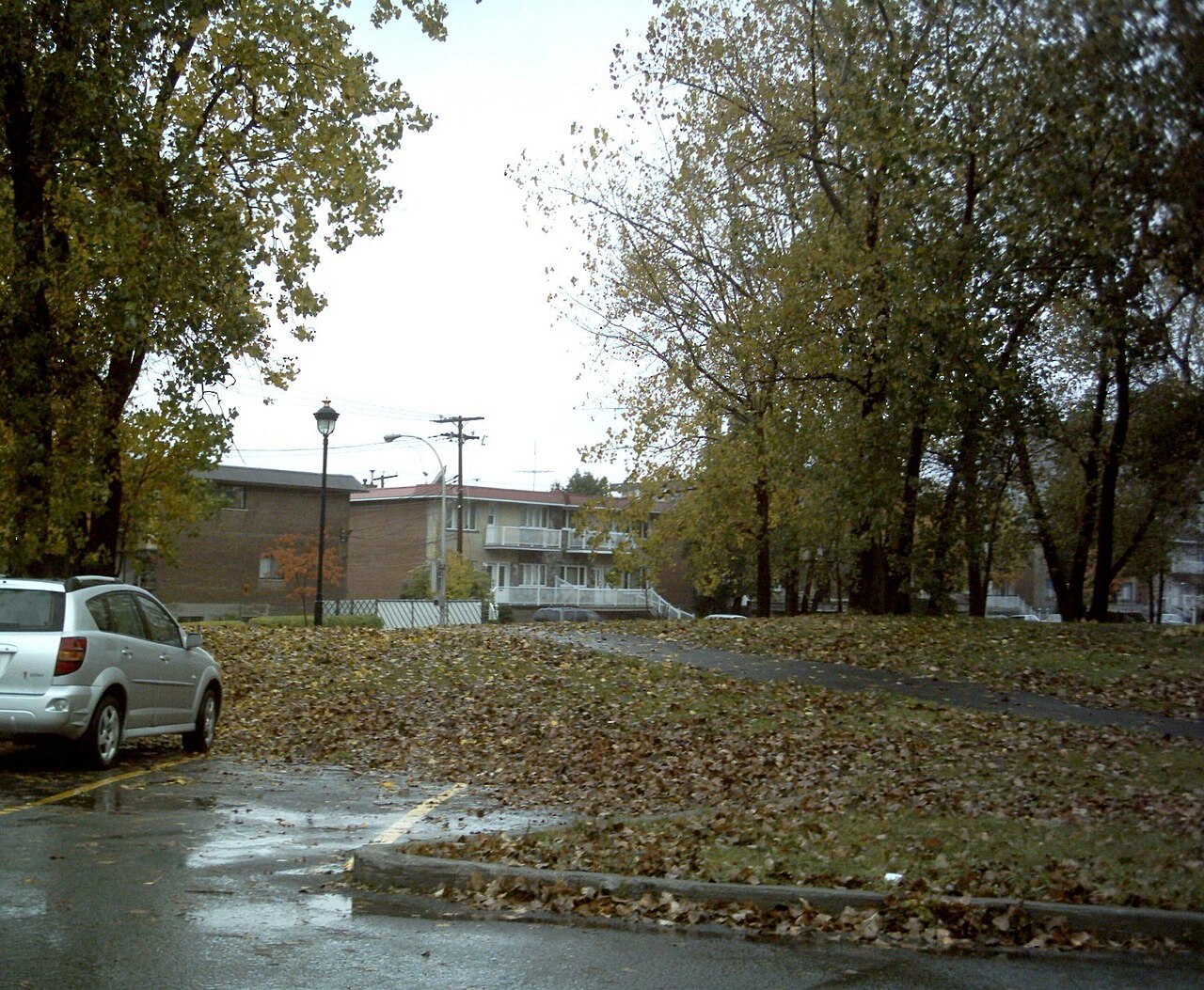
04 A leafy residential street typical of Anjou, lined with homes
The safe bet

Bungalow country, retro edition

Bungalows, split-levels, postwar duplexes and triplexes on wide, tree-lined streets: Anjou owns its heritage as a planned suburb from the 1950s through the 1970s, rounded out by newer condos, including those in Anjou-sur-le-Lac, a neighbourhood built around a man-made lake. More than 44% owner-occupied: a family and first-time buyer profile looking for value on the island.

Ask me about it: ask me where that famous lake is. Row houses, footbridges and walkways around the water, and plenty of Montrealers have never even heard of it.
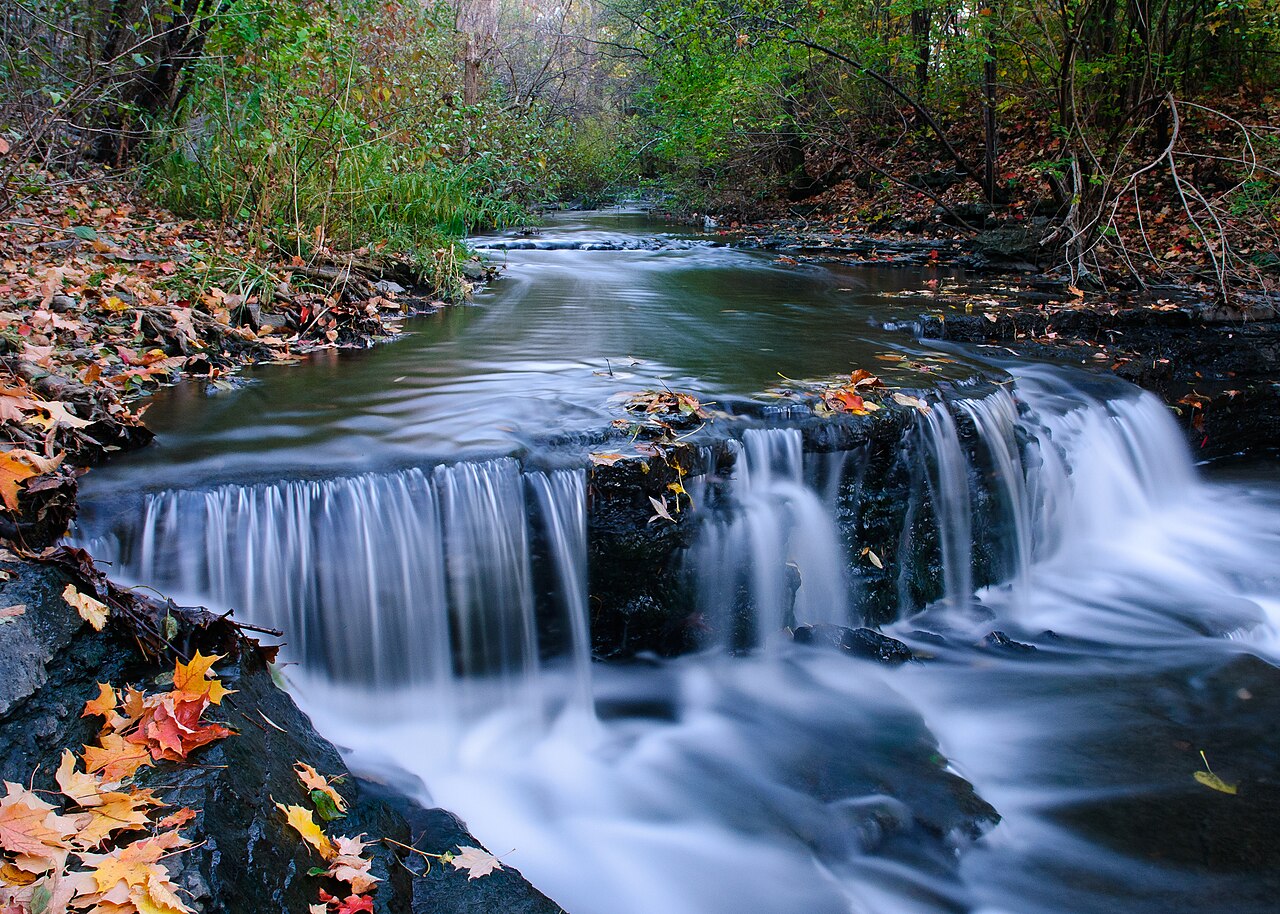
05 A small waterfall on the Ruisseau De Montigny in the fall, at the Ruisseau-De Montigny nature park
Nature

A hidden waterfall, right at the neighbourhood's door

At the edge of Anjou, along Highway 25, the Ruisseau-De Montigny nature park unfolds 3.3 km of trails around a stream running over limestone bedrock, with small cascades and a waterfall of about three metres, rare to find right in the city. About thirty hectares of nature a few steps from home, without ever leaving the island.

Ask me about it: ask me which entrance to use to walk straight to the waterfall. The right entry point saves you plenty of detours.
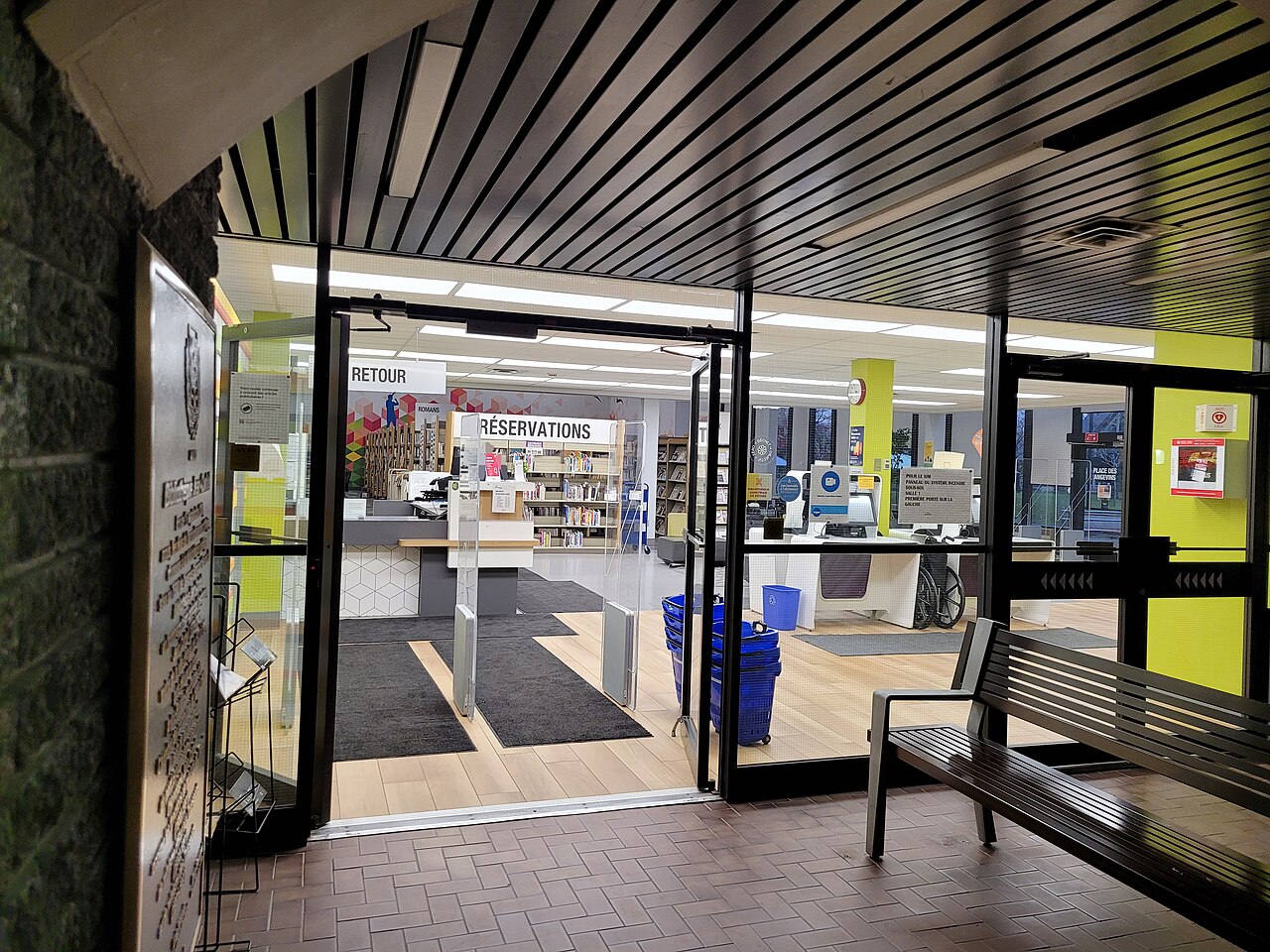
06 The entrance to the Jean-Corbeil library, in Anjou
Family life

Family life, ready to go

The borough counts 18 parks, 7 community gardens, 5 outdoor pools, 4 skating rinks, 2 arenas and 2 libraries, with the popular Parc Lucie-Bruneau leading the way, its running track, tennis courts and pool. For a family, everything is already in place, all that is left is choosing a street.

Ask me about it: ask me which park local families prefer depending on their kids' ages. That is the kind of detail that ends up deciding which street you pick.
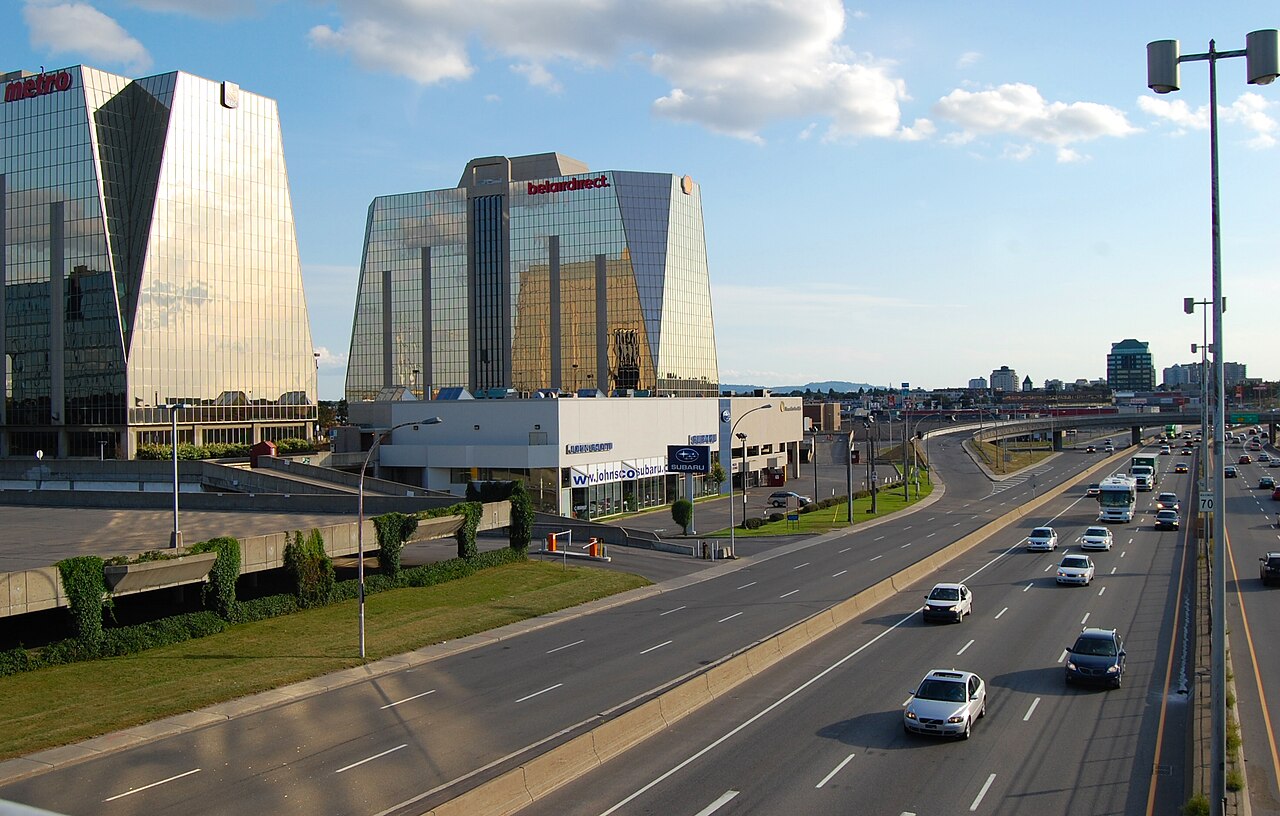
07 Office towers in Anjou along Highway 40
The hidden asset

A borough that is self-sufficient

The industrial park covers about 40% of the territory: a major employment hub for east Montreal, well separated from residential neighbourhoods, keeping jobs and services close by. And a little-known fact: Anjou is home to an 18-hole championship golf course, Club de golf Métropolitain Anjou, designed by architect Graham Cooke.

Ask me about it: ask me why this employment hub interests so many of my investor clients, duplex, triplex or commercial space, and where to start looking.
Let's talk about it

Thinking about buying or selling in Anjou? Let's start with a conversation.

A free evaluation of your property, a picture of the local market, or simply answers to your questions. No strings attached, and a straight answer.

Start my real estate project

Photo credits