← Back to the South Shore map
Area · Municipality of Calixa-Lavallée, South Shore of Montreal

Calixa-Lavallée

About 500 Calixois, stone houses twice over a century old, and the composer of O Canada as the village's own son. Here's my top 9, the neighbour's version, not the brochure version.

Let's talk about this area

Calixa-Lavallée is the South Shore's countryside, unapologetically. Tucked between Verchères and Contrecœur, about forty minutes from downtown when traffic cooperates, this village is the least populated municipality in the entire Montreal metropolitan area. Nearly all its land is farmed, houses are strung out along the rural roads, and some date from before the Conquest. When a client tells me they want space, quiet, and a house with soul, this is the first place I think of.

I put this top 9 together for a simple reason: when you buy or sell, you're not just shopping for a property, you're shopping for a village life. Each point comes with an opener to talk about. Use it.

Maxime Laforest, residential and commercial real estate broker · Équipe Loiselle, RE/MAX Dynamique

The village's top 9

What makes the heart of Calixa-Lavallée beat.

Nine reasons anyone looking for real countryside ends up here, and why the people who settle here never leave.

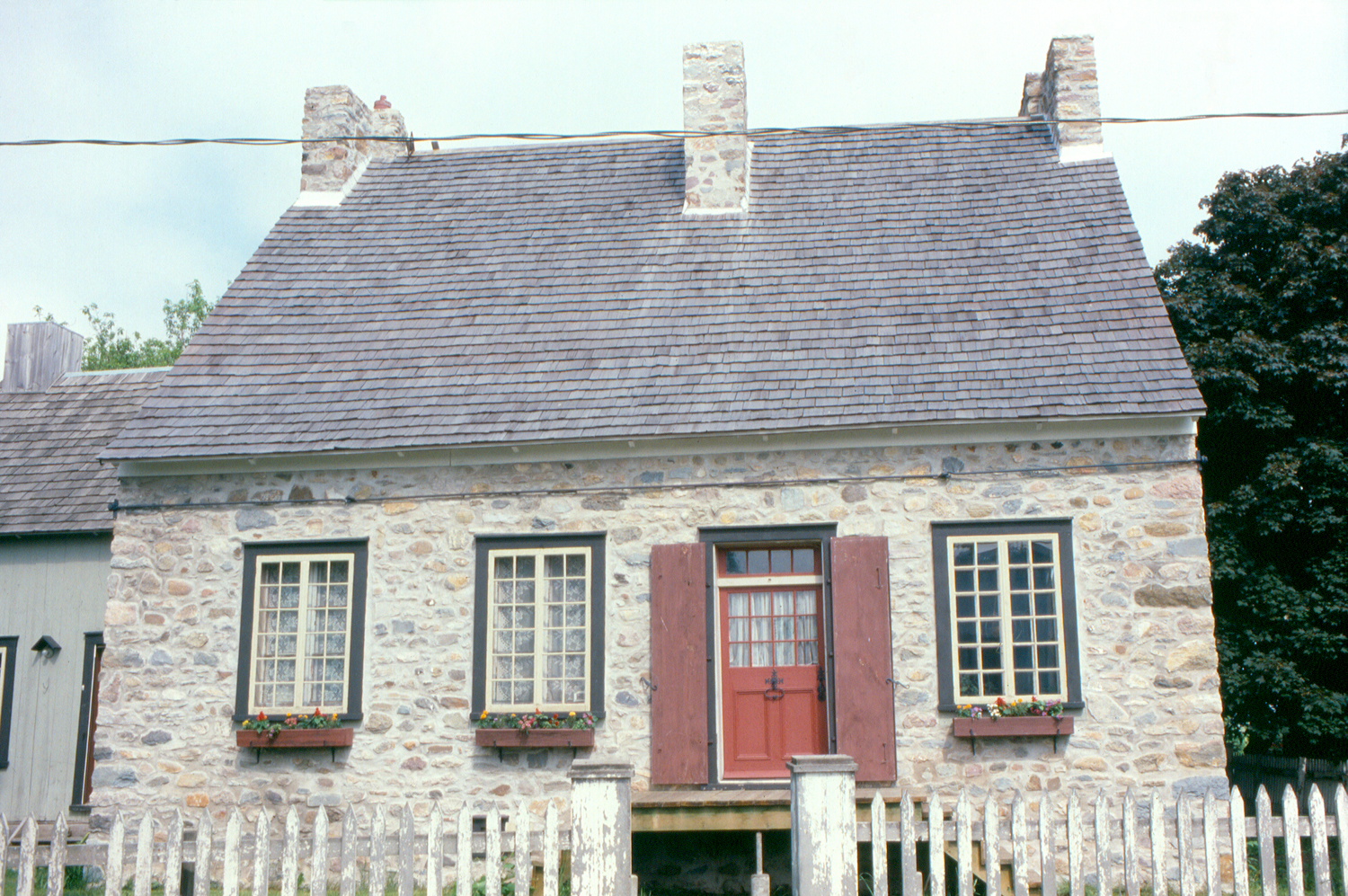
01 The stone facade of the Bégin house and its white fence, on chemin de la Beauce, in Calixa-Lavallée
The icon

Chemin de la Beauce

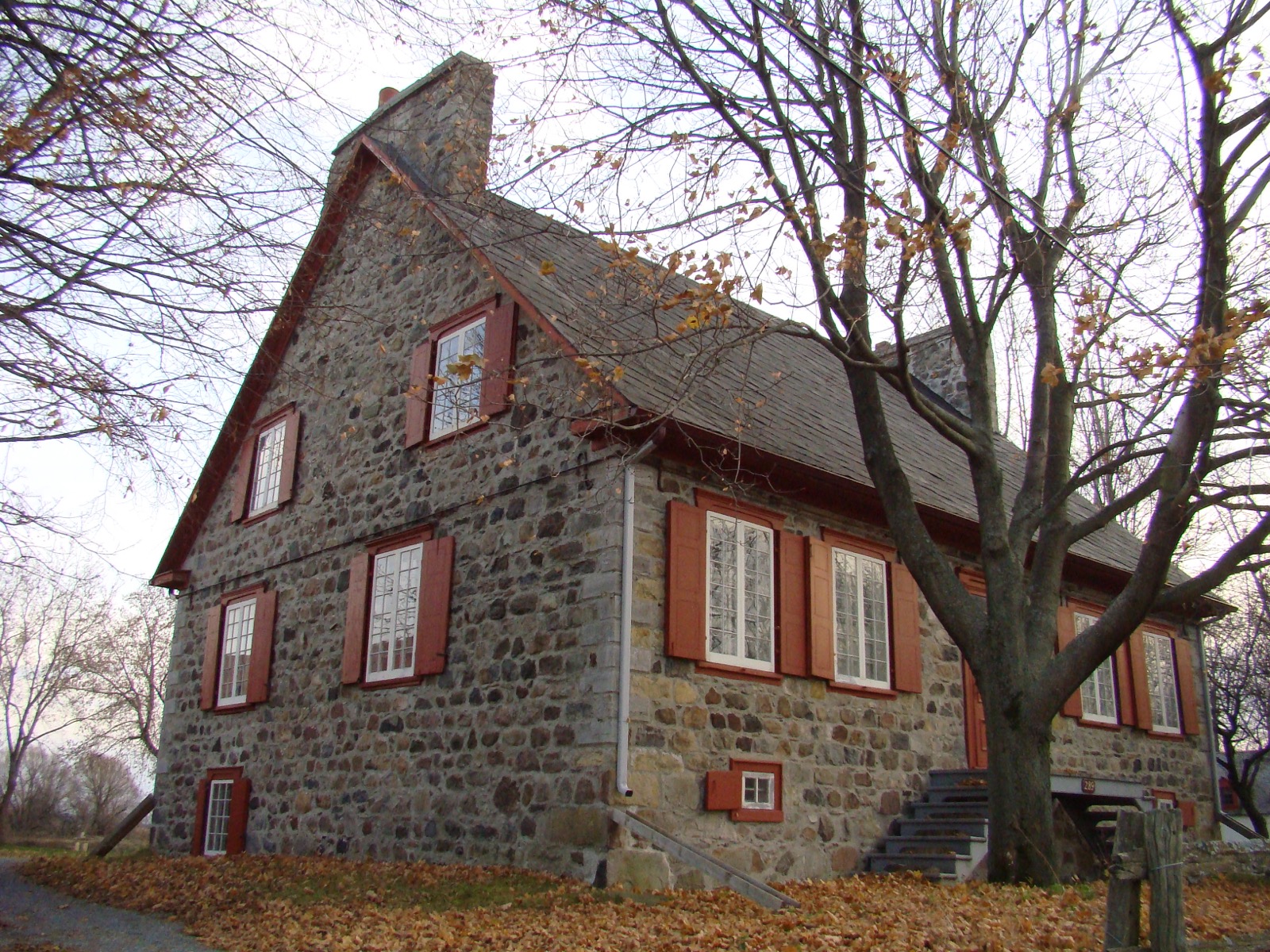
This is the village's backbone, and one of the most impressive heritage ensembles in Quebec. Along this ancestral road, stone houses from the 18th and 19th centuries follow one after another, remarkably well preserved, with their summer kitchens, wells, bread ovens, and former dairies. The land was once part of the Verchères seigneury granted in 1672, and you can feel it at every address.

Ask me about it: ask me what buying a century home involves: inspection, insurance, repairs. I love these files, but we prepare them properly.
02
History

The village that gave the country O Canada

Calixa Lavallée was born here in 1842, on the rang de la Beauce. A musical prodigy who went on to train in Montreal, the United States, and then Europe, he composed the music for O Canada in 1880, which became the official national anthem in 1980. The village, first incorporated in 1878 under the name Sainte-Théodosie, took its famous son's name in 1946, then adopted it outright in 1974. Few municipalities in Quebec are named after an artist.

Ask me about it: ask me why that history matters when selling a property here. A village with a strong identity has a story to tell, and it shows in how you present it.
03 The François-Xavier-Paquette-dit-Lavallée house, a stone house from 1834 classified as a heritage building, in Calixa-Lavallée
Classified heritage

The François-Xavier-Paquette-dit-Lavallée house

Built in 1834 and classified as early as 1973, this stone house blends French tradition with the neoclassical style, with its red shutters and tall chimneys. It has benefited from a protected area since 1975, and popular belief has it that it sheltered Patriotes during the rebellions of 1837 and 1838. It's the flagship of a village that takes care of its old houses.

Ask me about it: ask me what heritage status actually changes for an owner. Yes, it comes with rules, but it's very manageable with the right planning.
04
The heart of the village

Sainte-Théodosie church and the village core

The stone church was built in 1890 to plans by architect Victor Roy, and it keeps the parish's original name. Around it, the village core fits into a handful of addresses on chemin de la Beauce: town hall, the municipal library, the park. No tract housing, no chain stores. That's exactly what its residents want to protect.

Ask me about it: ask me how you set a fair price in a village where comparables are scarce. It's painstaking work, and it's mine to do.
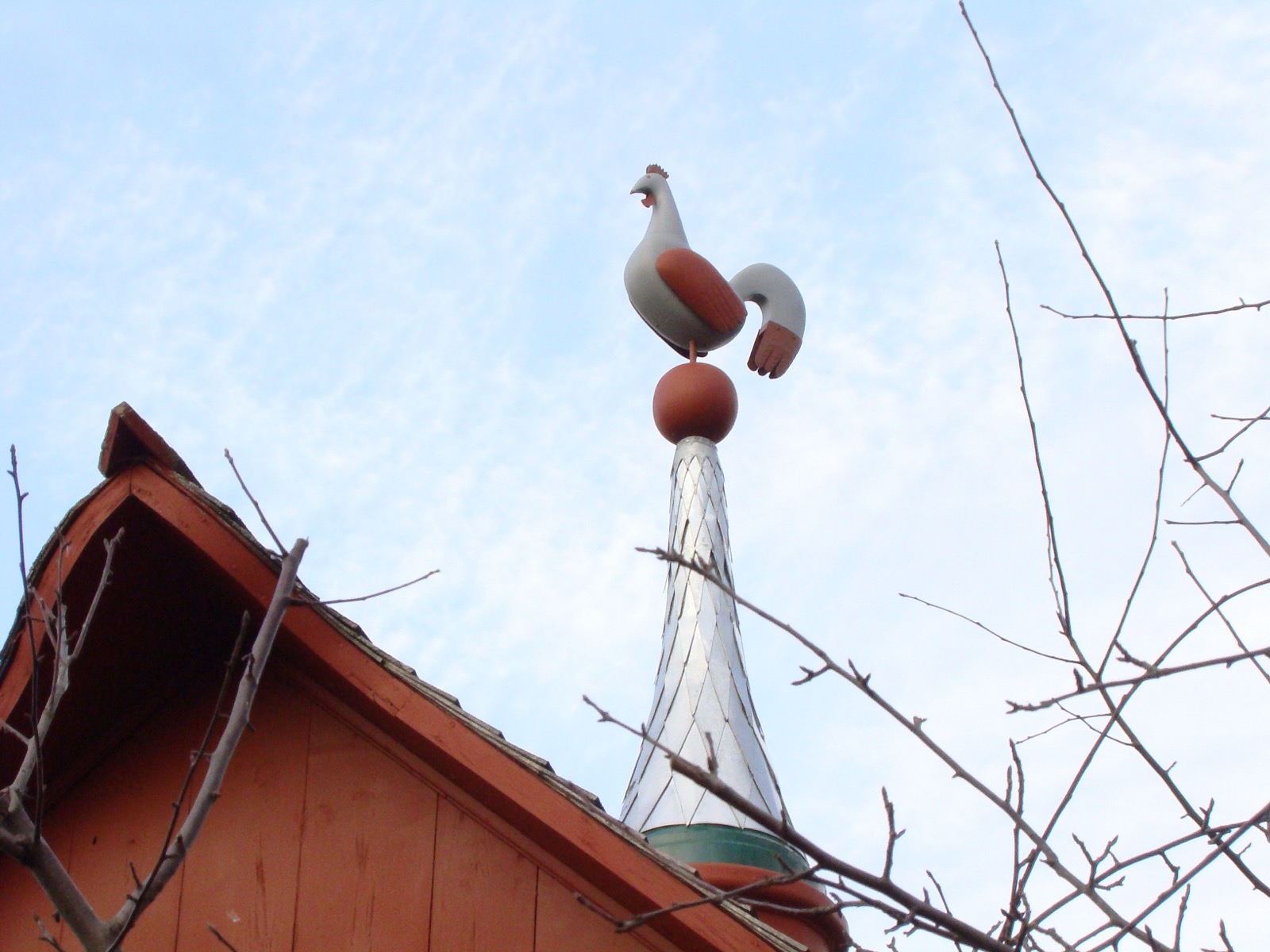
05 A rooster-shaped weathervane on the roof of a red farm building, in Calixa-Lavallée
Local life

The Exposition agricole, running since 1880

Every early July, the whole village turns into an agricultural fairground: horse shows, tractor pulls, a demolition derby, a petting farm, fireworks, and dances. The Calixa-Lavallée agricultural fair held its 146th edition in 2026, and it draws visitors from all over the Montérégie. For a village of about 500 people, that's quite the feat.

Ask me about it: ask me what the vibe is like that weekend. Everyone knows everyone, and newcomers get adopted fast.
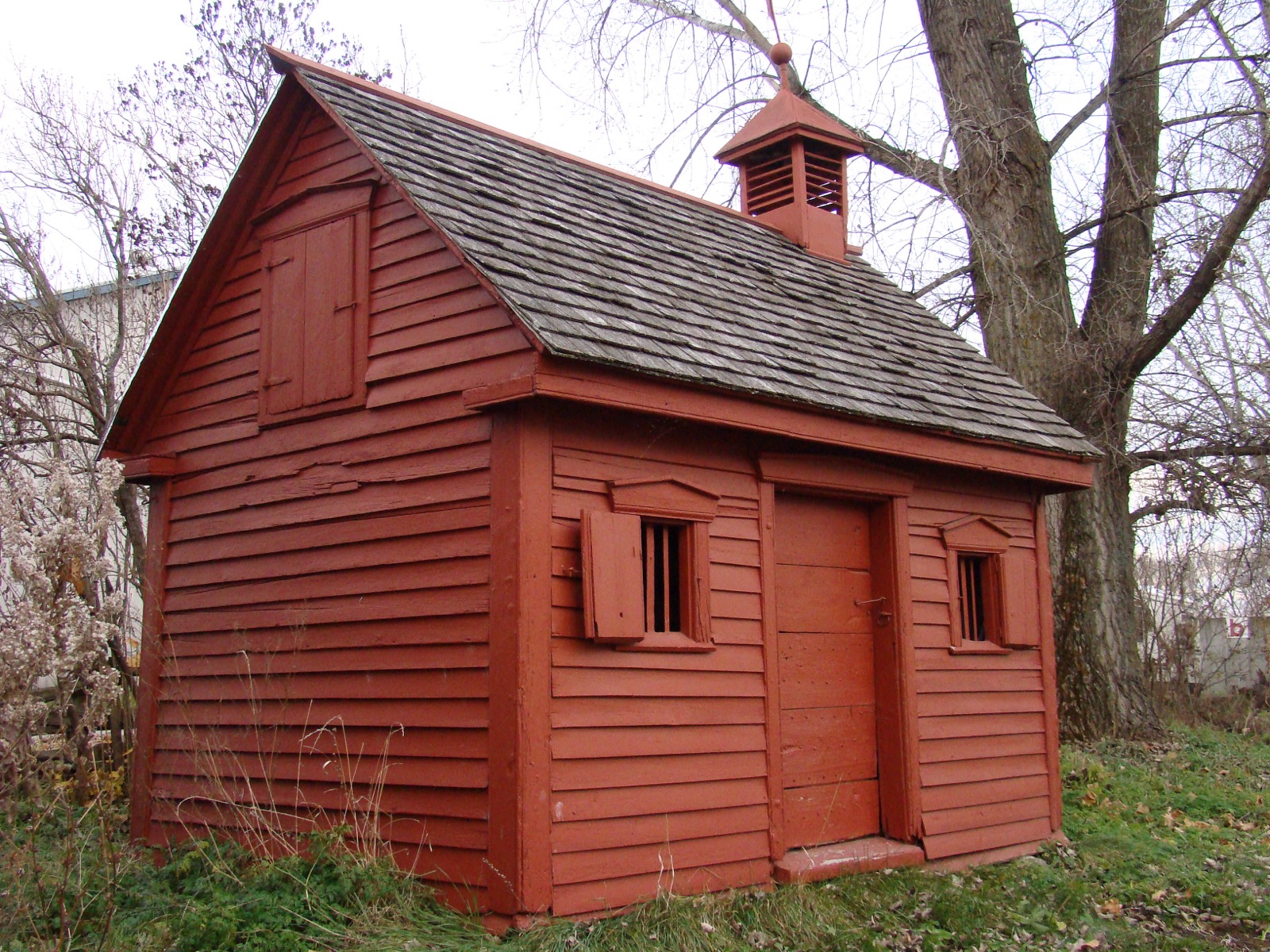
06 The former red dairy with a cupola at the François-Xavier-Paquette-dit-Lavallée house, in Calixa-Lavallée
The character

A territory that's 99% farmland

Across its 32 square kilometres, almost everything is farmed. Houses line up along the rural roads, surrounded by fields, with the Bois de Verchères at the south end of the territory. Here, you're not just buying a house: you're buying air, open horizon, and sunsets over the fields. On the other hand, agricultural zoning strictly governs what you can build or operate, and that's something you need to know before you sign.

Ask me about it: ask me what agricultural zoning does and doesn't allow on the property you're eyeing. It's THE question to settle before any offer here.
07
Outdoors

On horseback and by bike along the roads

The village runs on horse country time: stables and equestrian centres here offer boarding, training, and riding rings, and horse shows are part of the agricultural fair's DNA. For cyclists, the quiet, shaded rural roads connecting Verchères, Contrecœur, and the Richelieu valley make for a real playground, with almost no traffic.

Ask me about it: ask me which local properties are set up for horses. There are a few tucked away, and they never stay listed long.
08
Access

Highway 30 at the end of the road

Montée Calixa-Lavallée runs down from the village toward Verchères and meets Highway 30, which heads to Boucherville, Brossard, and the bridge network. Downtown Montreal is about forty minutes away. Let's be honest: there's no town bus in the village, exo routes run along Route 132 through Verchères and Contrecœur. Here, driving is part of the lifestyle, and the people who choose Calixa-Lavallée know that going in.

Ask me about it: ask me to test the commute on your real schedule before you buy. It's the true test of country living, and I have every client do it.
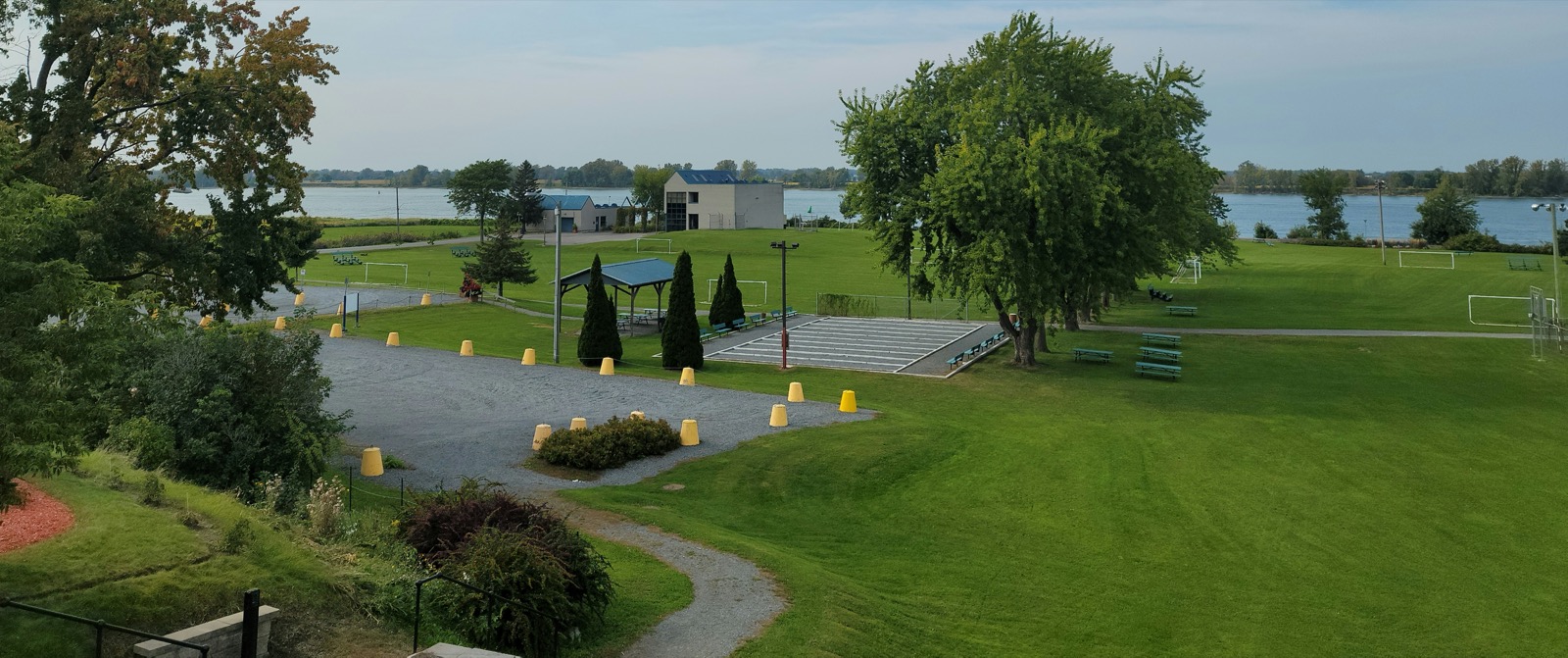
09 Parc des Pionniers and the St. Lawrence River in the neighbouring village of Verchères
The neighbours

Verchères and the river, ten minutes away

Daily life rounds out at the neighbours': Verchères and its beautiful village on the banks of the St. Lawrence, with the school, the grocery store, the wharf, and the old mill turned lighthouse; Contrecœur and its services on the other side. Calixois enjoy the river without paying riverfront street prices, and that's one of the area's best-kept secrets.

Ask me about it: ask me how local families organize their week across the villages. It's simpler than you'd think, and a lot less far than you'd imagine.
Let's talk

Thinking about buying or selling in Calixa-Lavallée? Let's start with a conversation.

A free evaluation of your property, a picture of the local market, or simply answers to your questions. No strings attached, and a straight answer.

Start my real estate project

Photo credits