← Back to the North Shore map
Area · City of L'Assomption, Lanaudière

L'Assomption

An old stone core tucked into a bend in the river, a CEGEP right on the main street, and rangs that start five minutes away. Here's my top 10, the neighbour's version, not the brochure version.

Let's talk about this area

L'Assomption is the seat of its RCM, and you can see it in the streets. I leave Verdun, take the 40 east, head up Route 341 at Repentigny, and I'm there. The parish was called Saint-Pierre-du-Portage when Father Pierre LeSueur arrived in 1724, and the old core has kept its stone houses, its former courthouse and its classical college. Around it, the land is still farmed.

What surprises my clients from the island is how many services there are for about 23,400 people: a 664 seat theatre, a CEGEP, a private college founded in 1832, a cultural centre inside a former convent and dozens of parks. Families who move up here are often looking for exactly that: space, without having to drive an hour for a show or a CEGEP class.

I put this top 10 together for a simple reason: when you buy or sell, you're not just shopping for a property, you're shopping for a neighbourhood life. Each point comes with an opening for a conversation. Use it.

Maxime Laforest, residential and commercial real estate broker · Équipe Loiselle, RE/MAX Dynamique

The area's top 10

What makes the heart of L'Assomption beat.

Ten reasons buyers move up into Lanaudière, and why the people who are already here still talk about their town like it's a village.

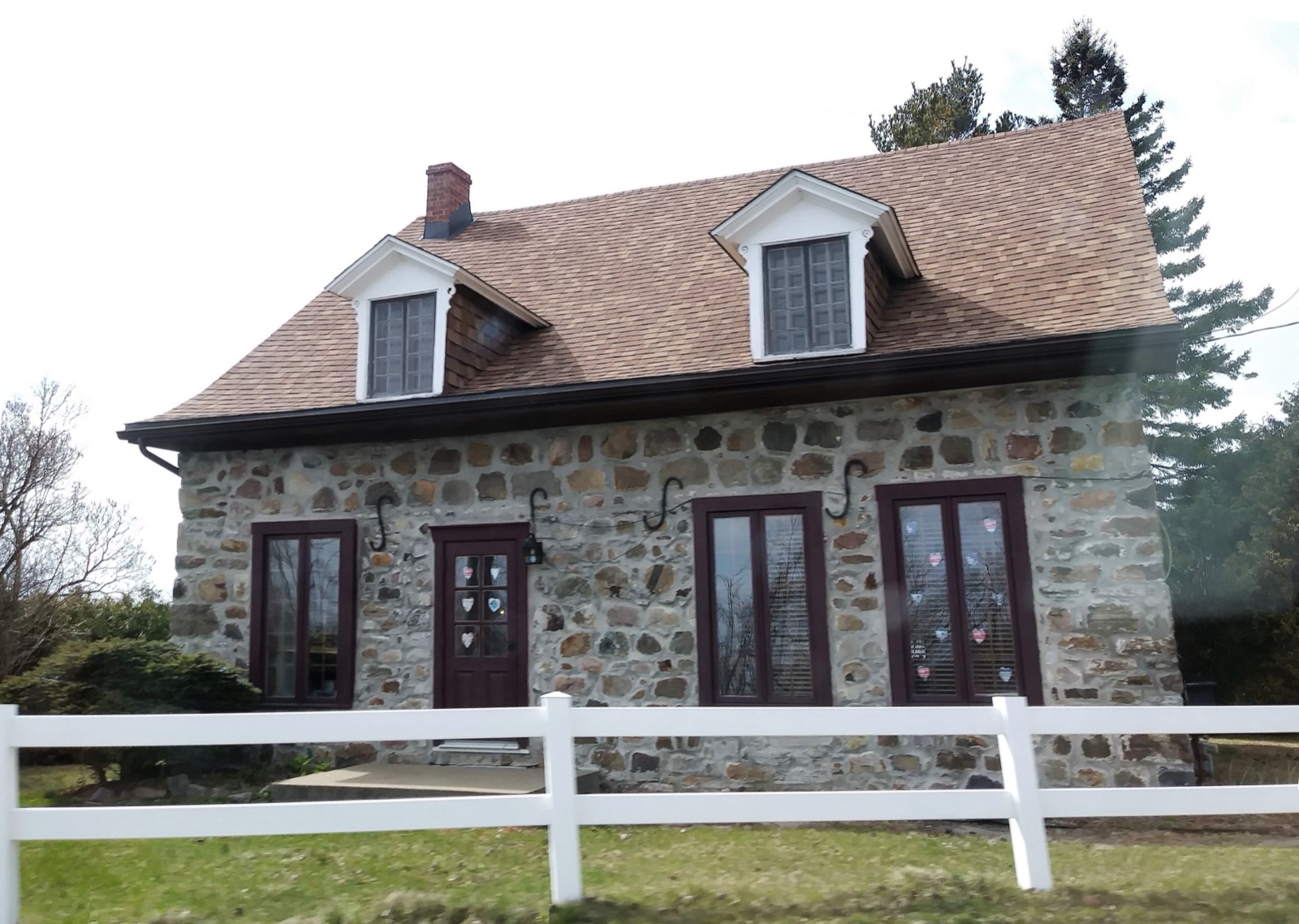
01 Stone farmhouse on the rang du Bas-de-L'Assomption Nord, in L'Assomption
Geography

A town set in a bend of the river

The centre of L'Assomption sits on a peninsula shaped by the river's meanders. The Algonquins called it Outaragasipi, the winding river, and the bend here is the most famous stretch of its whole course. Around the old core, the territory stretches over roughly a hundred square kilometres of rangs and farmland, all the way to the Saint-Gérard-Majella sector, annexed in 2000. About 23,400 people lived here at the 2021 census.

Ask me about it: ask me what changes when you buy in the bend versus in the rangs. Zoning, municipal services and everyday life don't tell the same story.
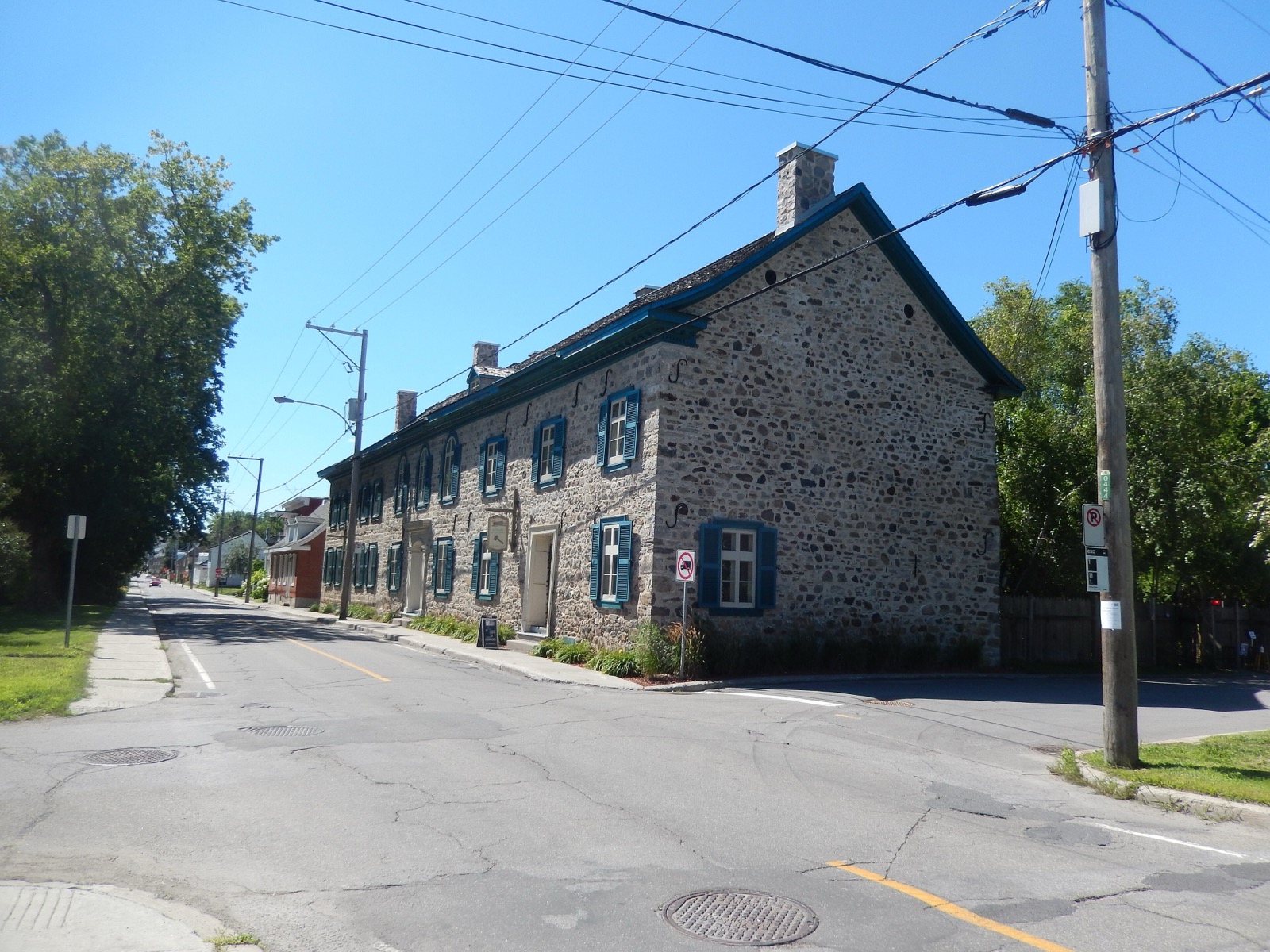
02 The old courthouse of L'Assomption, a stone building from 1811, on Saint-Étienne Street
Heritage

Saint-Étienne Street and its 1811 courthouse

At 255-265 Saint-Étienne Street, the old courthouse has been standing since 1811. It was classified as a heritage building in 1973, and a protection zone has surrounded it since 1975. The town took on this administrative role early, since a court of justice and a registry office moved in as far back as 1842. In summer, guides from the Centre régional d'archives de Lanaudière lead tours of the old core in period costume, and about twenty panels tell the story of the streets along the way.

Ask me about it: ask me what a protection zone means when it's time to renovate or add on. Better to know before the offer than after.
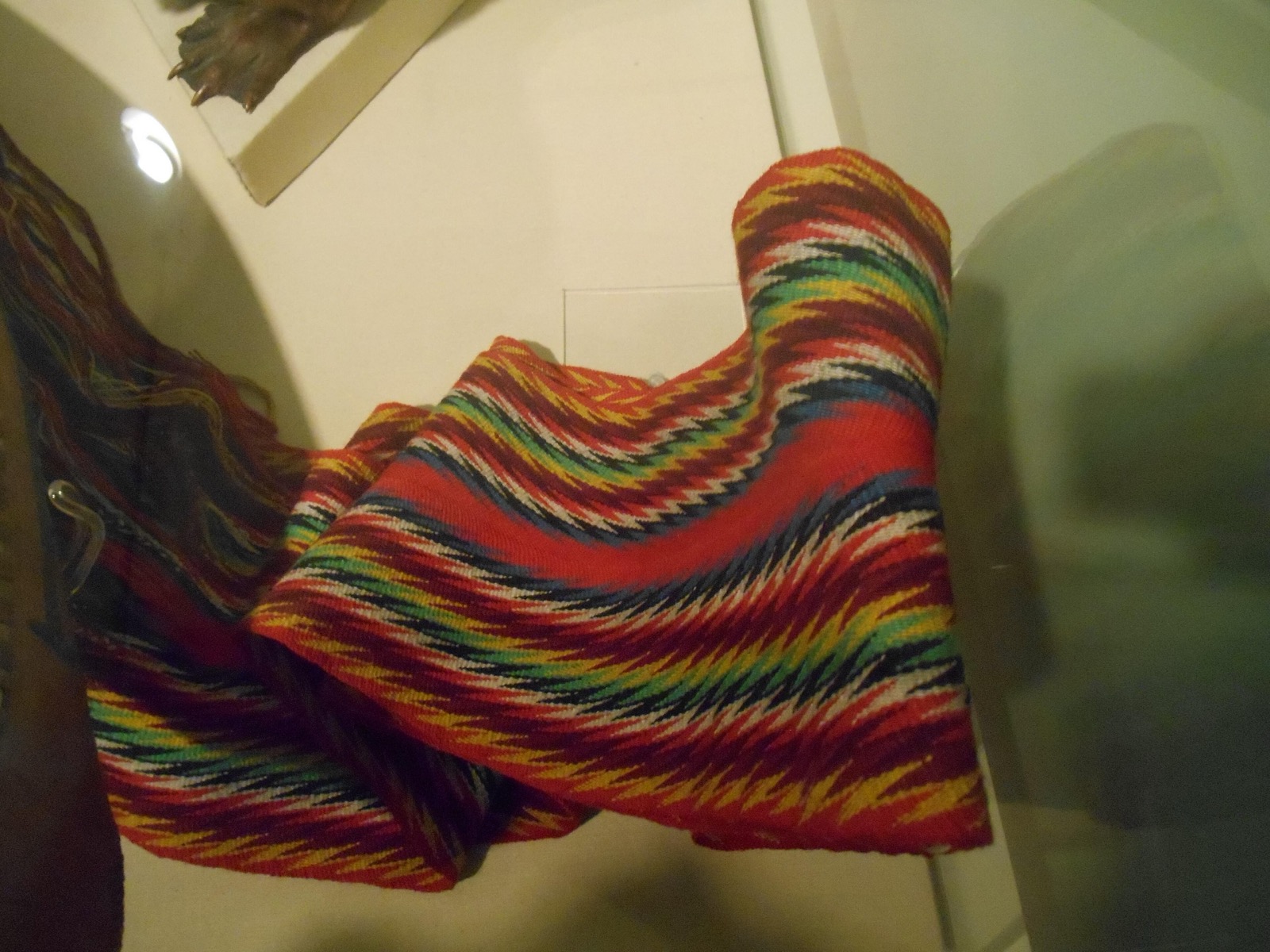
03 A finger-woven ceinture fléchée, the pattern that made L'Assomption known
Identity

The ceinture fléchée, a pattern that carries its name

Not many towns this size have given their name to an object known from coast to coast. Starting in 1835, the making of ceintures fléchées, the finger-woven sashes, became concentrated in L'Assomption, where weavers made them by hand, often the wives of voyageurs. The Hudson's Bay Company bought them and sold them all across the fur trade, then fixed the pattern around 1850: the arrowhead framed by lightning bolts became known as the L'Assomption pattern. In 1985, Lanaudière made it its regional emblem.

Ask me about it: ask me why the town presents itself as a city of culture and heritage. You can hear it in the way people here talk about home.
04 The stone buildings of the Collège-de-L'Assomption heritage site, on Boulevard de l'Ange-Gardien
Education

Collège de l'Assomption, where Wilfrid Laurier studied

Founded in 1832 by Father François Labelle and doctors Louis-Joseph-Charles Cazeneuve and Jean-Baptiste Meilleur, the college still sits at 270 Boulevard de l'Ange-Gardien. Its oldest buildings date back to 1844 and form a heritage site of their own, with a chapel and gardens opening onto the street. A future prime minister of Canada did his classical studies here: Wilfrid Laurier. The school has been coed since 1970 and now takes in about 1,350 high school students.

Ask me about it: ask me which streets downtown let kids walk to the college. For a lot of families, that's the very first question.
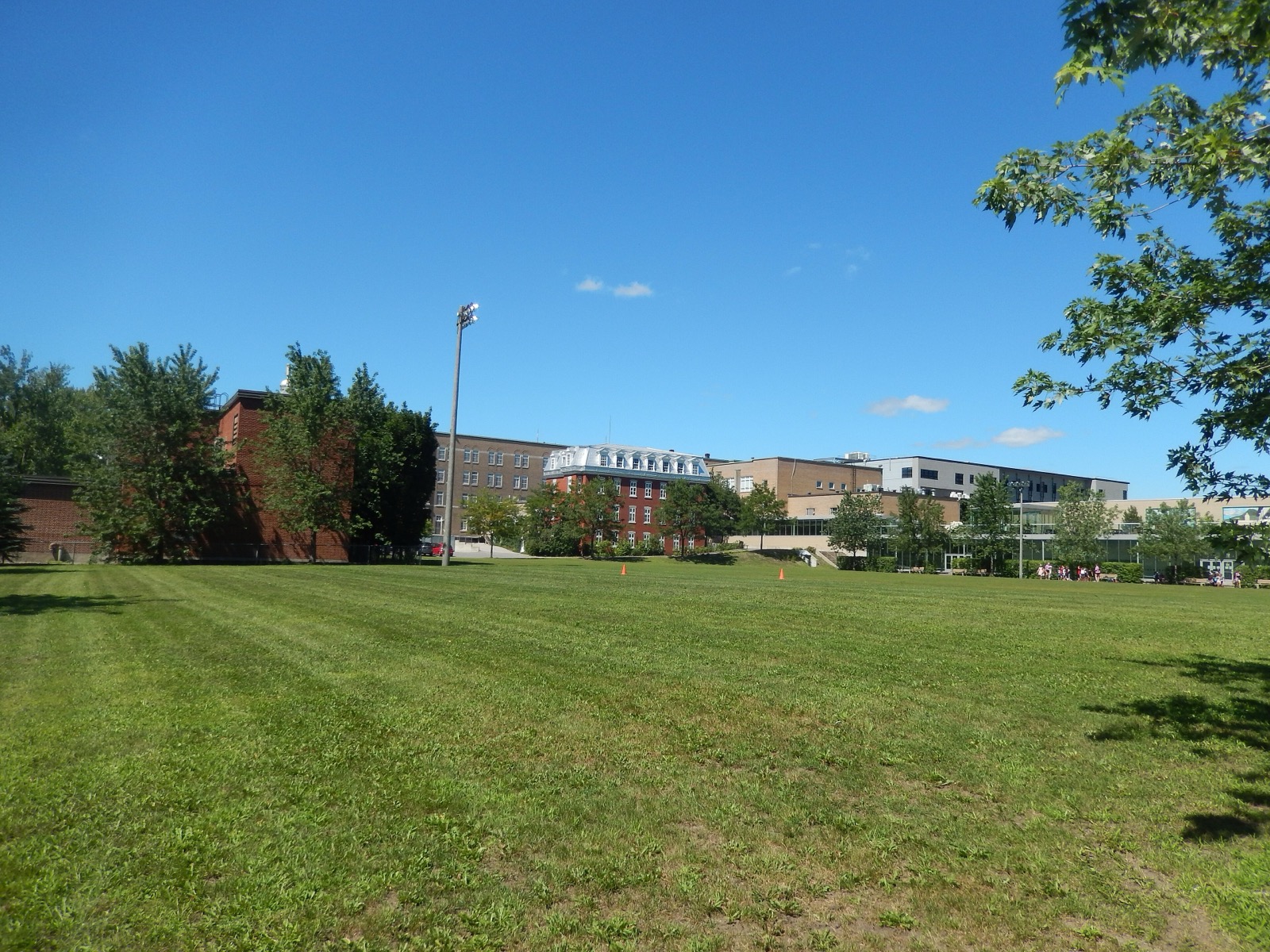
05 The pavilions and large sports field of Collège de l'Assomption, in the downtown school sector
Studies

A CEGEP right on the main street

The Cégep régional de Lanaudière in L'Assomption sits at 180 Dorval Street, steps from the college, with about 2,200 students and a dozen pre-university and technical programs. There are student residences, a childcare centre and the Cyclones sports teams. On the public side, the Centre de services scolaire des Affluents runs five elementary schools, including École du Méandre with its three pavilions, plus the high schools Paul-Arseneau and de l'Amitié.

Ask me about it: ask me what a CEGEP right in town does to the local rental market. That's not a minor detail when you're looking at an income property.
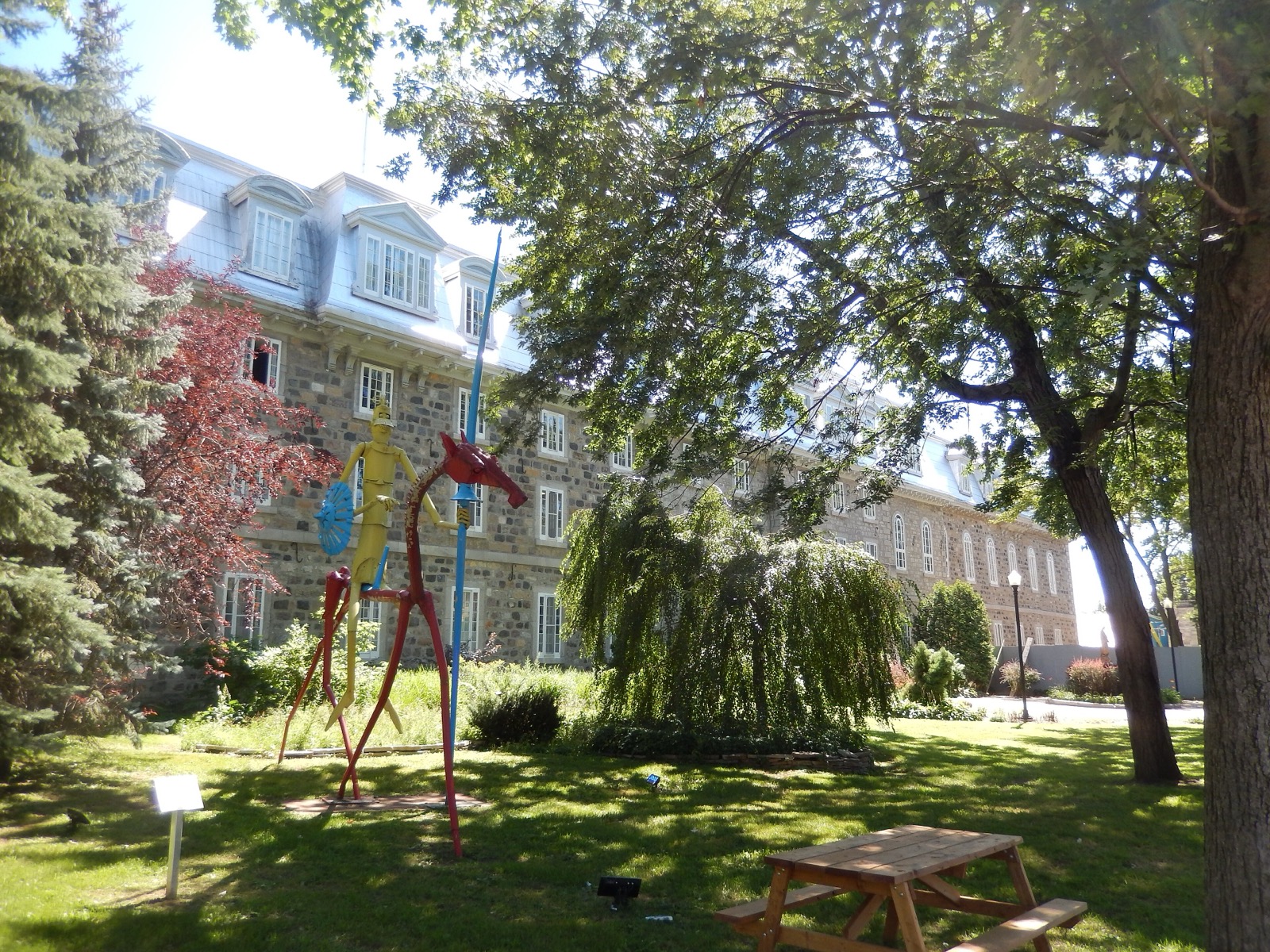
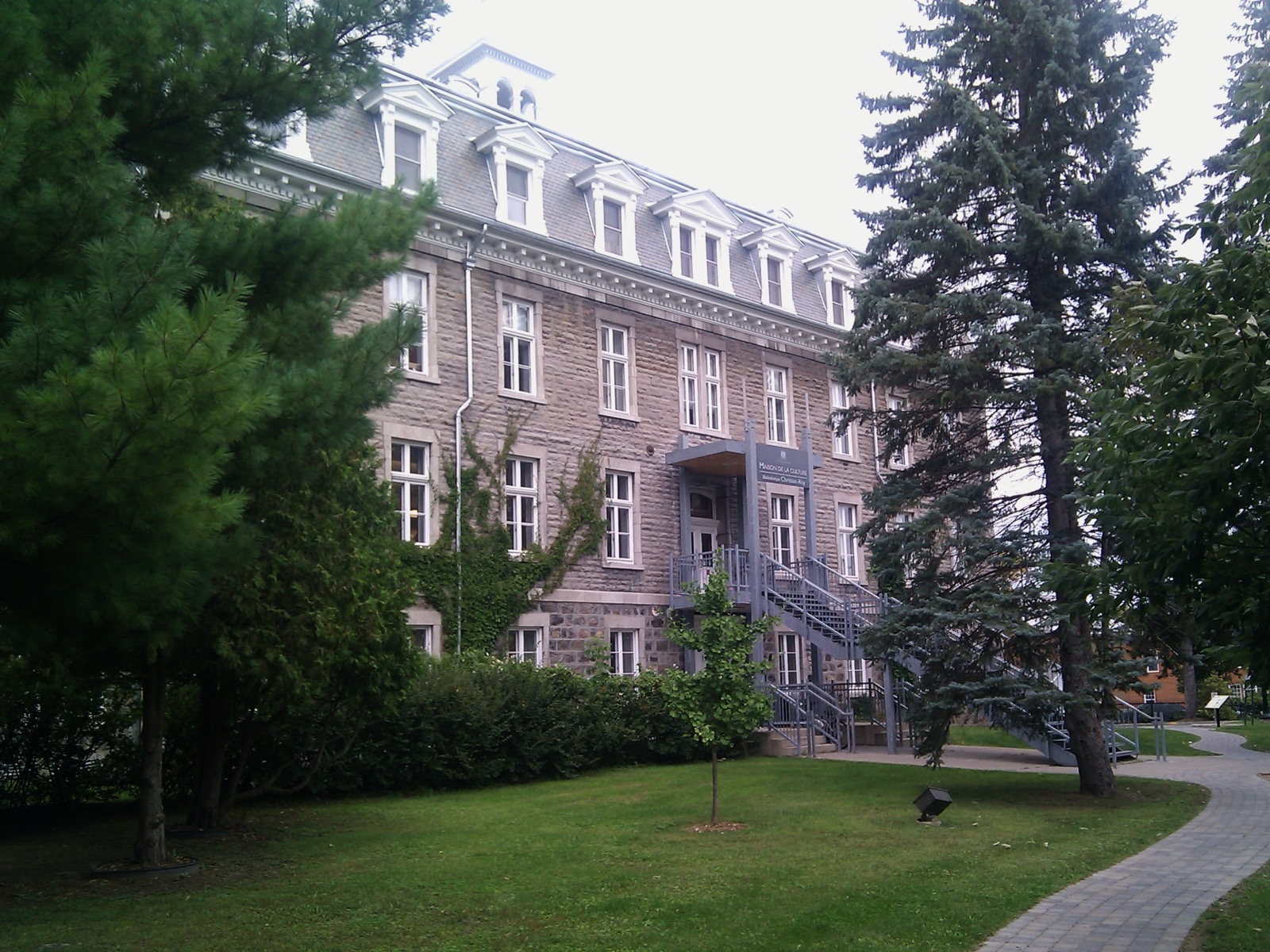
06 La Maison de la Culture de L'Assomption, an 1889 former convent, on Saint-Pierre Street
Culture

Théâtre Hector-Charland, 664 seats, Italian style

Opened in the fall of 1999 at 225 Boulevard de l'Ange-Gardien, it draws a bit more than 130,000 spectators a year, which is huge for a town this size. Its name honours Hector Charland, born in L'Assomption and a former student at the college, who played Séraphin Poudrier in the radio drama Un homme et son péché. A few streets over, the Maison de la Culture occupies the old convent of the Congrégation de Notre-Dame, an 1889 building at 375 Saint-Pierre Street, converted into a cultural centre in 2004.

Ask me about it: ask me how many of my clients from the island get sold just by walking from the theatre down to the river. That short walk is almost always what does it.
07
Come nightfall

Cité Mémoire, the town that tells its story at dusk

Every evening, as soon as the light drops, four large projected scenes light up on the walls of the college, the theatre, the old courthouse and Parc du Souvenir. The images are by Michel Lemieux, the texts by Michel Marc Bouchard, and actors like Martin Drainville and Catherine Trudeau lend their voices. About twenty more stories round out the walking route, through podcasts and augmented reality. It's free, no reservation needed, and the app is available in both French and English.

Ask me about it: ask me to take you there some evening when you visit. It tells you far more about the feel of downtown than any brochure.
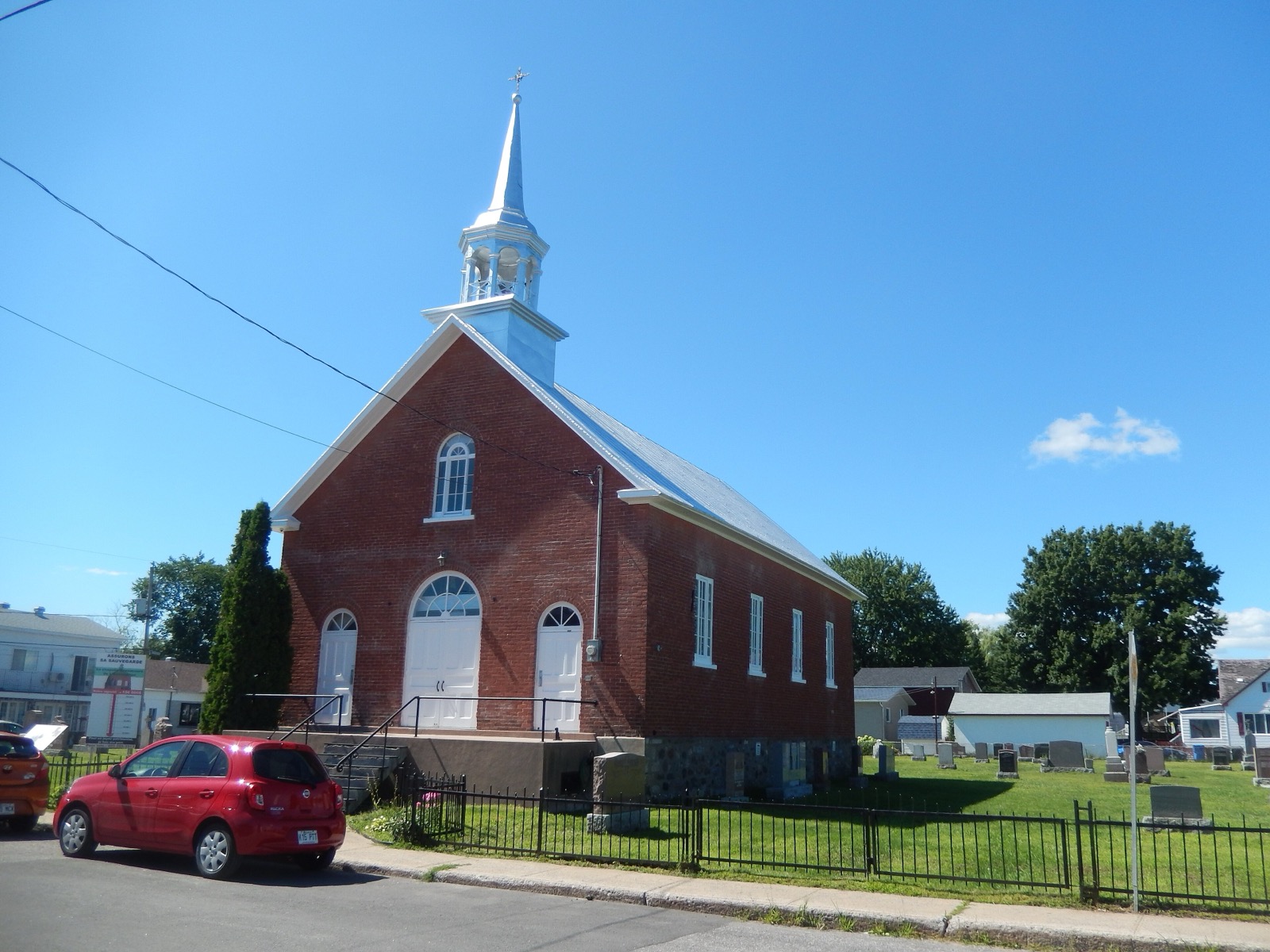
08 The 1858 Bonsecours chapel and its cemetery, on Sainte-Ursule Street in L'Assomption
Religious heritage

Two steeples, a Casavant organ and a cemetery chapel

The Église de l'Assomption-de-la-Sainte-Vierge opened in 1820, was expanded in 1864 to plans by Victor Bourgeau, then cited as a heritage building in 1996. Built in stone in a neo-baroque style, it has a facade with three arched portals framed by two steeples, and its Casavant organ dates from 1923. A little further off, at 299 Sainte-Ursule Street, the small 1858 Chapelle Bonsecours served as a burial chapel. The town cited it as heritage too, in 2020.

Ask me about it: ask me what parking is like around the church on weekends. The streets in the old core are narrow, and it's worth planning for.
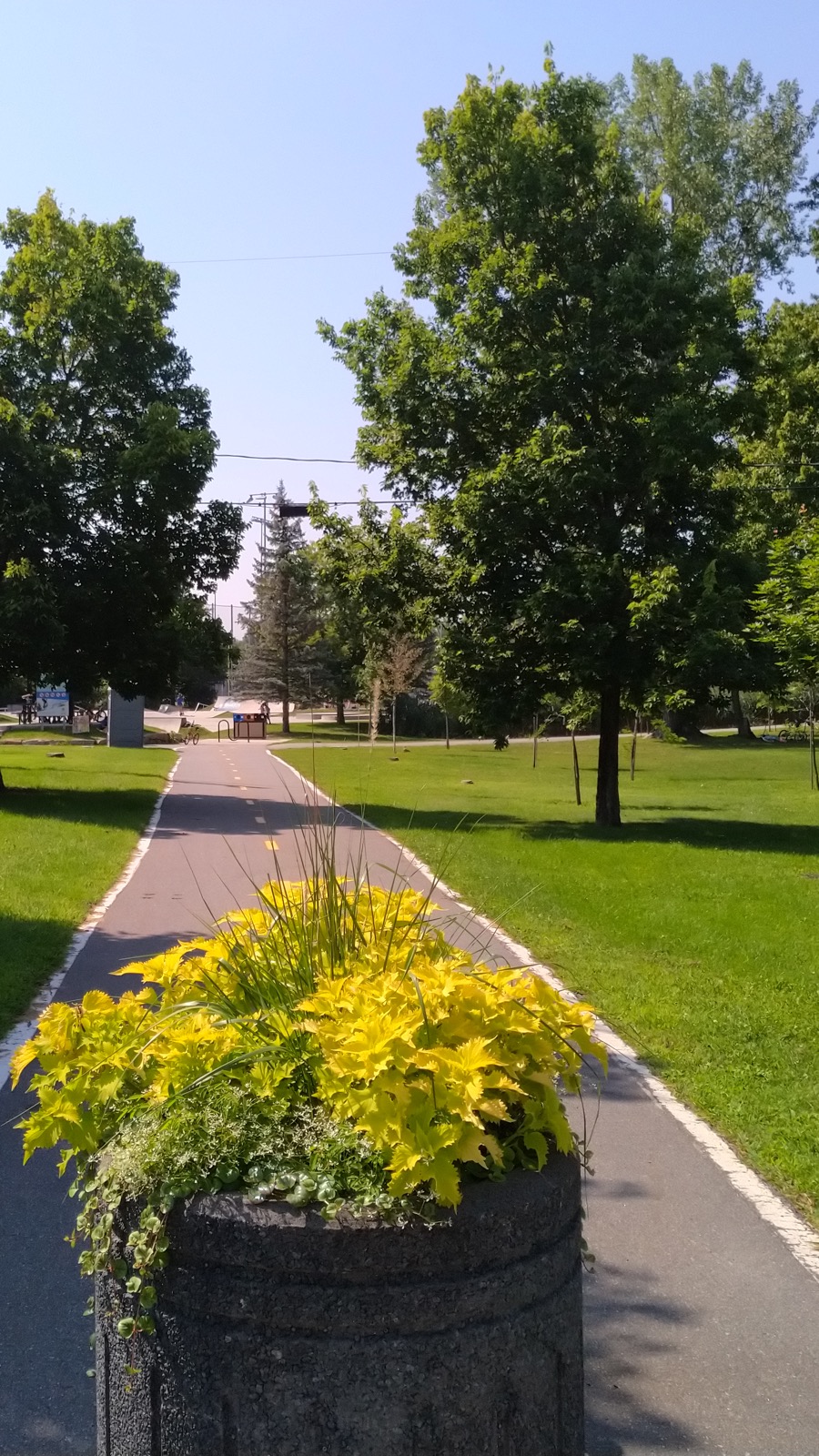
09 The entrance to Parc des Moissons and its bike path, on Pierre-LeSueur Boulevard in L'Assomption
Outdoors

Eleven kilometres of canoeing and parks everywhere

Since 2009, the town has maintained an eleven-kilometre canoe and kayak route along a calm stretch of the river, between Saint-Gérard-Majella and downtown, with a shuttle to bring paddlers back to their starting point. On land, Parc des Moissons brings together a skatepark, pickleball courts, a gazebo and the bike path, while Parc écologique and Parc Outaragavisipi keep the riverbanks wilder. The Van Dun-Richard footbridge opened on August 23, 2025, and new multisport surfaces have appeared at Parc Juneau and Parc du Partage.

Ask me about it: ask me which streets give you access to the river or the bike path without needing the car. Those addresses never stay on the market long.
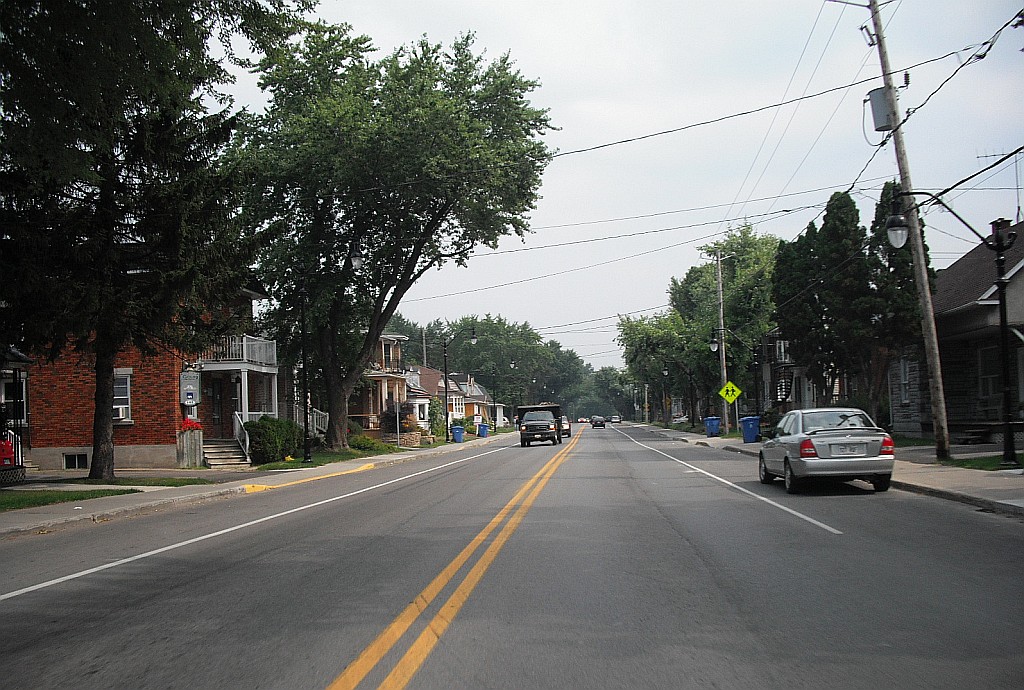
10 A tree-lined residential street along Route 344, in L'Assomption
Access

Four routes, Highway 40 to the south and the 100 bus

Routes 339, 341, 343 and 344 cross through the territory, and Route 341 runs down to connect directly with Highway 40 in Repentigny, putting the Charles-De Gaulle Bridge and the east end of Montreal about twenty minutes away. There's no commuter train station here, since the rail line running through town is used for freight. The closest station is in Repentigny, on exo's Mascouche line. On the bus side, exo's line 100 connects L'Assomption to Montreal by way of Repentigny and Charlemagne, all the way to the Radisson and Honoré-Beaugrand metro stations, line 6 reaches L'Épiphanie, line 14 connects to Le Gardeur, and line 9 leads to the Centre hospitalier Pierre-Le Gardeur. Residents 65 and older ride free throughout the RCM with the PLATINE card.

Ask me about it: ask me how long the morning commute really takes depending on the area. Two addresses five kilometres apart don't live through the same rush hour.
Let's talk

Thinking about buying or selling in L'Assomption? Let's start with a conversation.

A free evaluation of your property, a picture of the local market, or simply answers to your questions. No strings attached, and a straight answer.

Start my real estate project

Photo credits