← Back to the island map
Area · Borough of Lachine

Lachine

A name born from a joke in 1669, a bicentennial canal and Lake Saint-Louis as your backyard. My top 10, the neighbour's version, not the brochure version.

Let's talk about this area

In Lachine, you live with your feet in history and your eyes on Lake Saint-Louis. It is one of the rare spots on the island where the waterfront is part of daily life, without giving up proximity to downtown and the airport, about fifteen minutes by car. The housing stock follows the same logic: from heritage buildings to new construction, from plexes to waterfront condos, there is an entry point for pretty much every kind of project.

I put this top 10 together for a simple reason: when you buy or sell, you are not just shopping for a property, you are shopping for a neighbourhood life. Each point comes with a conversation starter, feel free to use it.

Maxime Laforest, real estate broker · Équipe Loiselle, RE/MAX Dynamique

The area's top 10

What makes Lachine's heart beat.

Ten reasons buyers fall for this area, and why the ones who live here never leave.

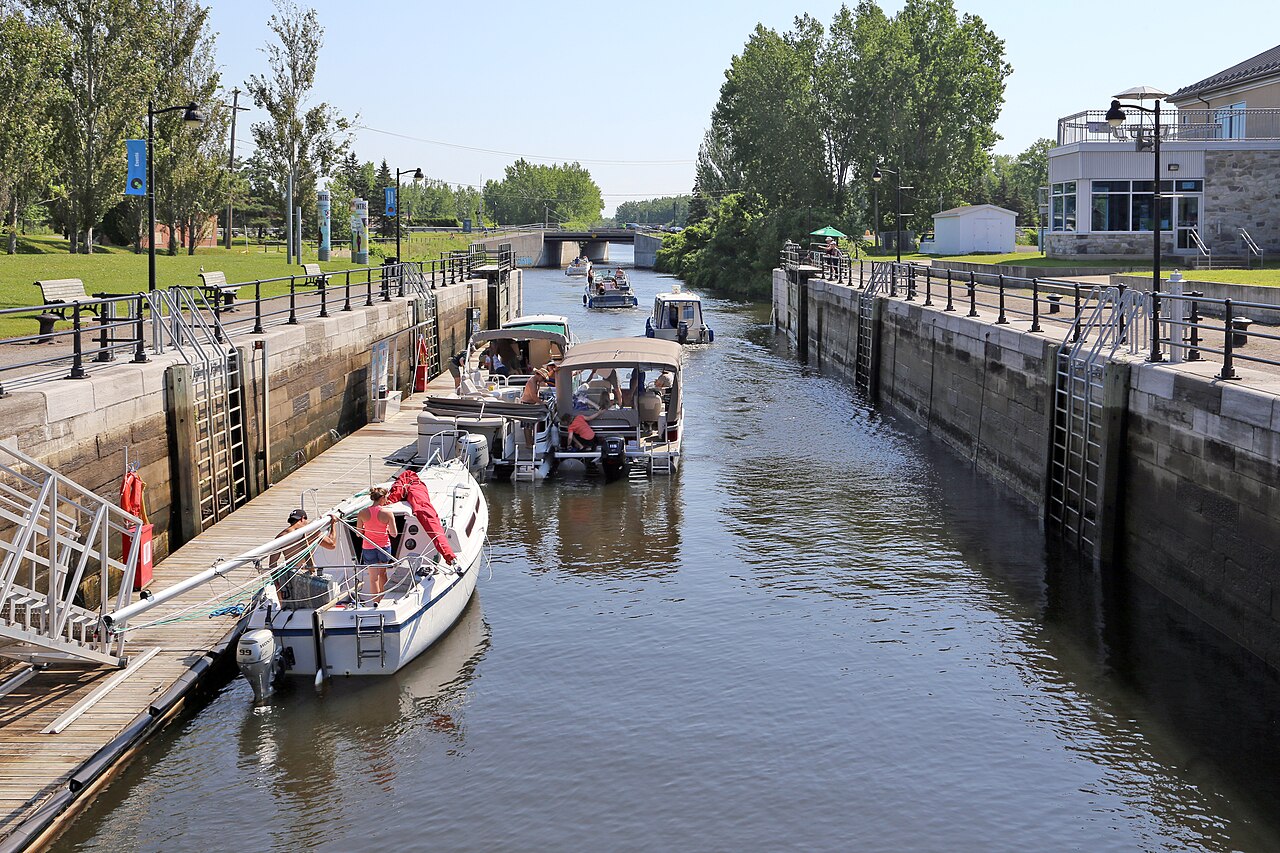
01 Pleasure boats in the Lachine locks, at the entrance to the canal
The icon

The Lachine Canal, two hundred years of history

Opened to navigation in 1825, a national historic site since 1929 and managed by Parks Canada, the canal celebrated its 200th anniversary in 2025. Reopened to pleasure boating since 2002, it went from industrial engine to the neighbourhood's backbone, and living within walking distance of the locks never goes out of style.

Ask me about it: ask me where things stand with the Lachine-Est eco-district, that former industrial site being converted along the canal, with potential for 7,800 homes over roughly twenty years. It is the file I follow most closely in this area.
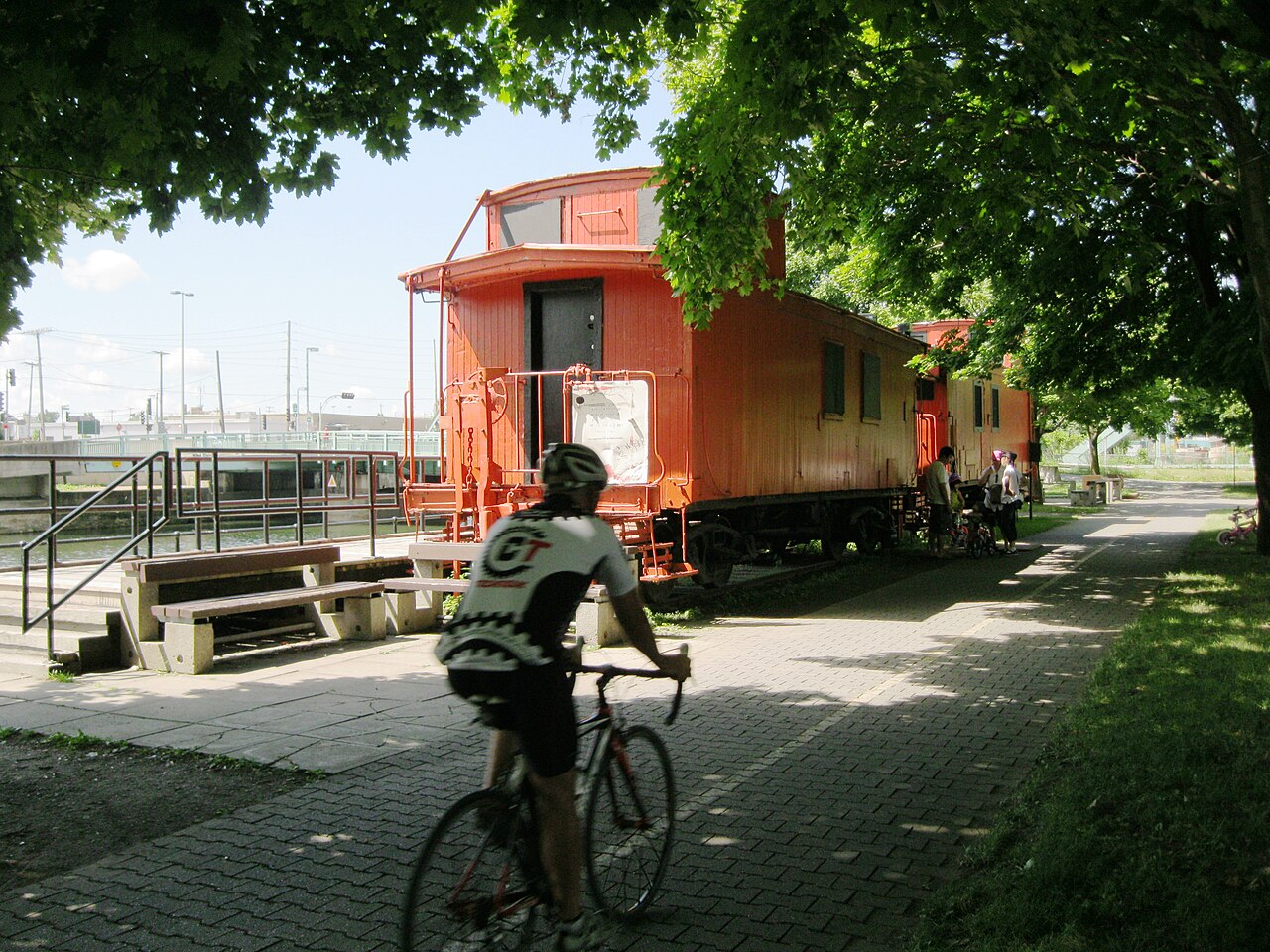
02 A cyclist on the Lachine Canal bike path, near the red rail car at the rest area
Active transportation

13.5 km of path, a pioneer since 1977

Opened in 1977, this is one of the oldest bike paths in the greater Montreal area: 13.5 km along the canal to the Old Port, part of the Route Verte and cleared of snow so you can ride year-round. Biking to work downtown, here, is a way of life.

Ask me about it: ask me which streets give you access to the path without crossing a busy road. That is a detail that matters more than people think at resale time.
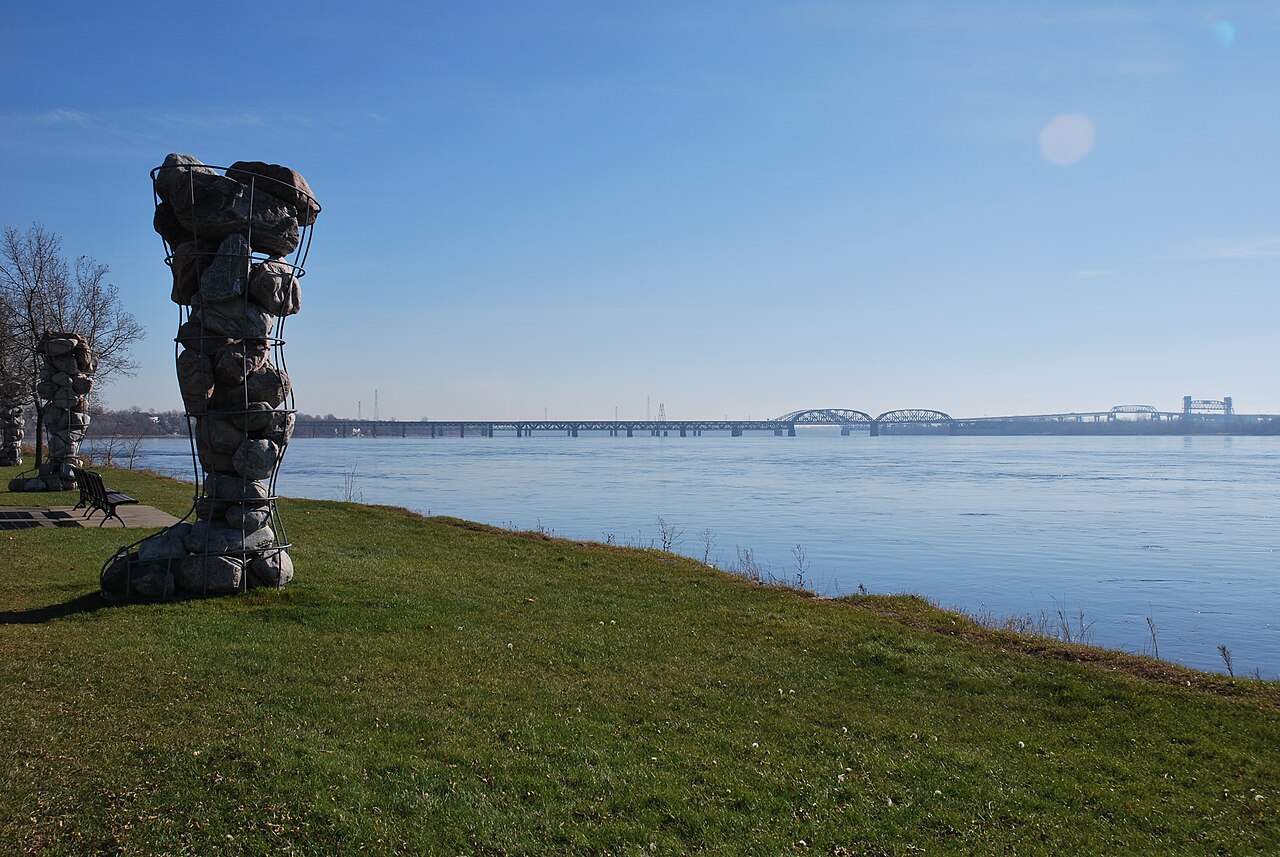
03 A sculpture from the Lachine Open-Air Museum at Parc René-Lévesque, facing Lake Saint-Louis
Culture

Parc René-Lévesque and its sculptures

A peninsula between the canal and Lake Saint-Louis, the status of a major Montreal park and the Lachine Open-Air Museum: 51 works spread across three sections, 22 of them on the peninsula itself, one of the few sculpture gardens of this scale in Canada. It is easy to lose track of time here, on purpose.

Ask me about it: ask me which corner of the park has the best sunsets over the lake. Hint: the locals keep that one to themselves.
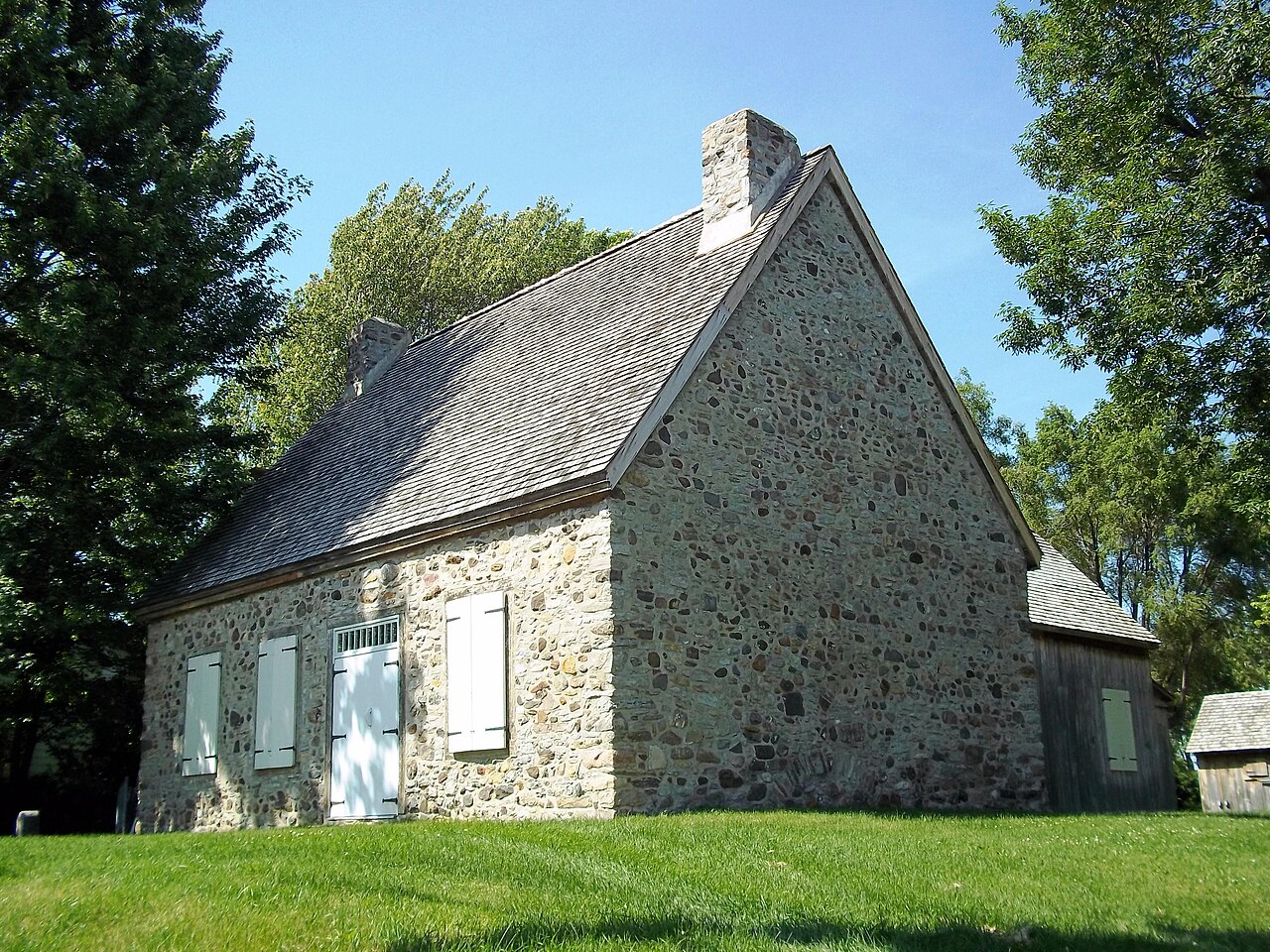
04 The Le Ber-Le Moyne house, a former trading post built between 1669 and 1671
Heritage

The Le Ber-Le Moyne house, the island's oldest

Built between 1669 and 1671 as a trading post, it is described by the city as the oldest complete building on the island of Montreal, classified by Quebec and designated a national historic site. The museum buildings are under renovation, but the heritage site stays alive through outdoor programming. History, here, is part of the everyday backdrop.

Ask me about it: ask me why Old Lachine holds its value even when the market cools off. Heritage like this cannot be built anymore.
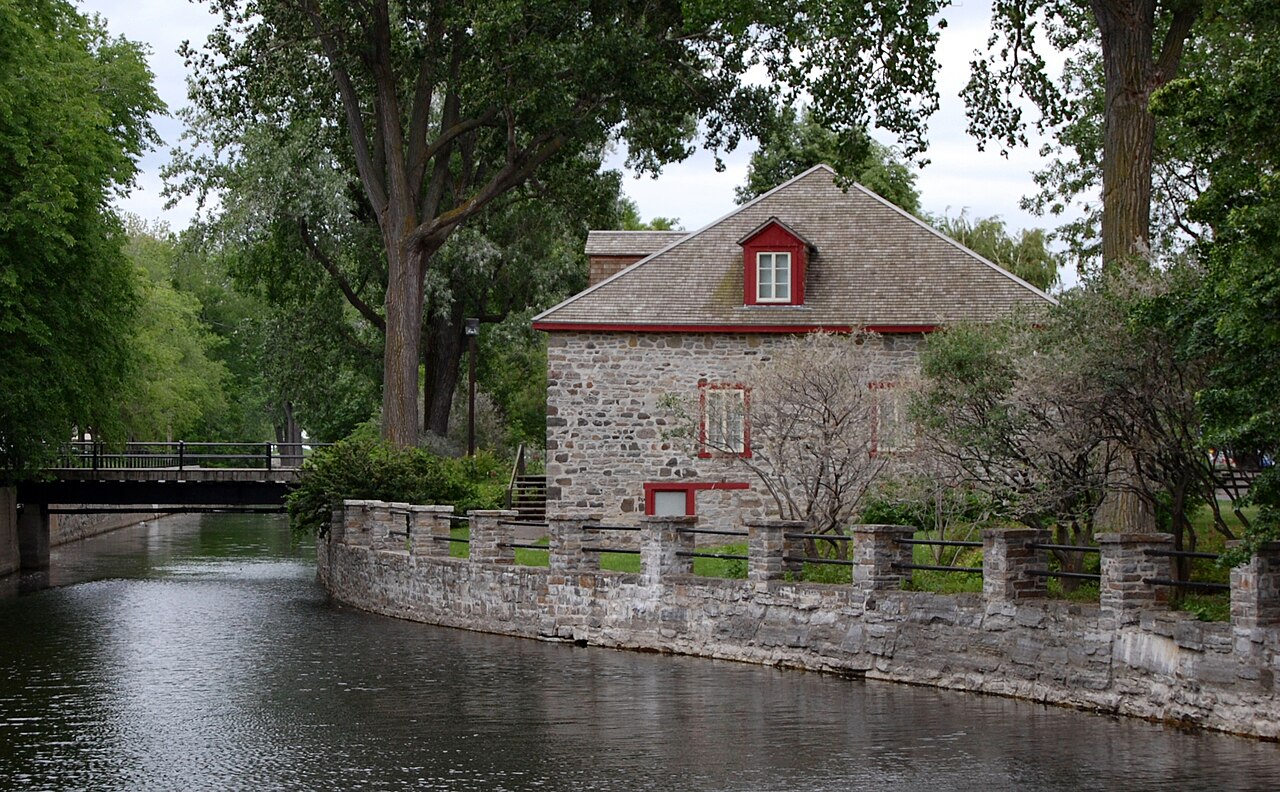
05 The Fur Trade at Lachine National Historic Site, an 1803 stone warehouse
Living history

An 1803 warehouse along the canal

A genuine 1803 stone warehouse sitting right along the canal, managed by Parks Canada and open to visitors in the warmer months. Few Montreal neighbourhoods can tell the story of the fur trade era from their own sidewalk. Lachine can.

Ask me about it: ask me about the route I suggest to my buyers for getting a feel of Old Lachine in an hour. The 1803 warehouse always makes the cut.
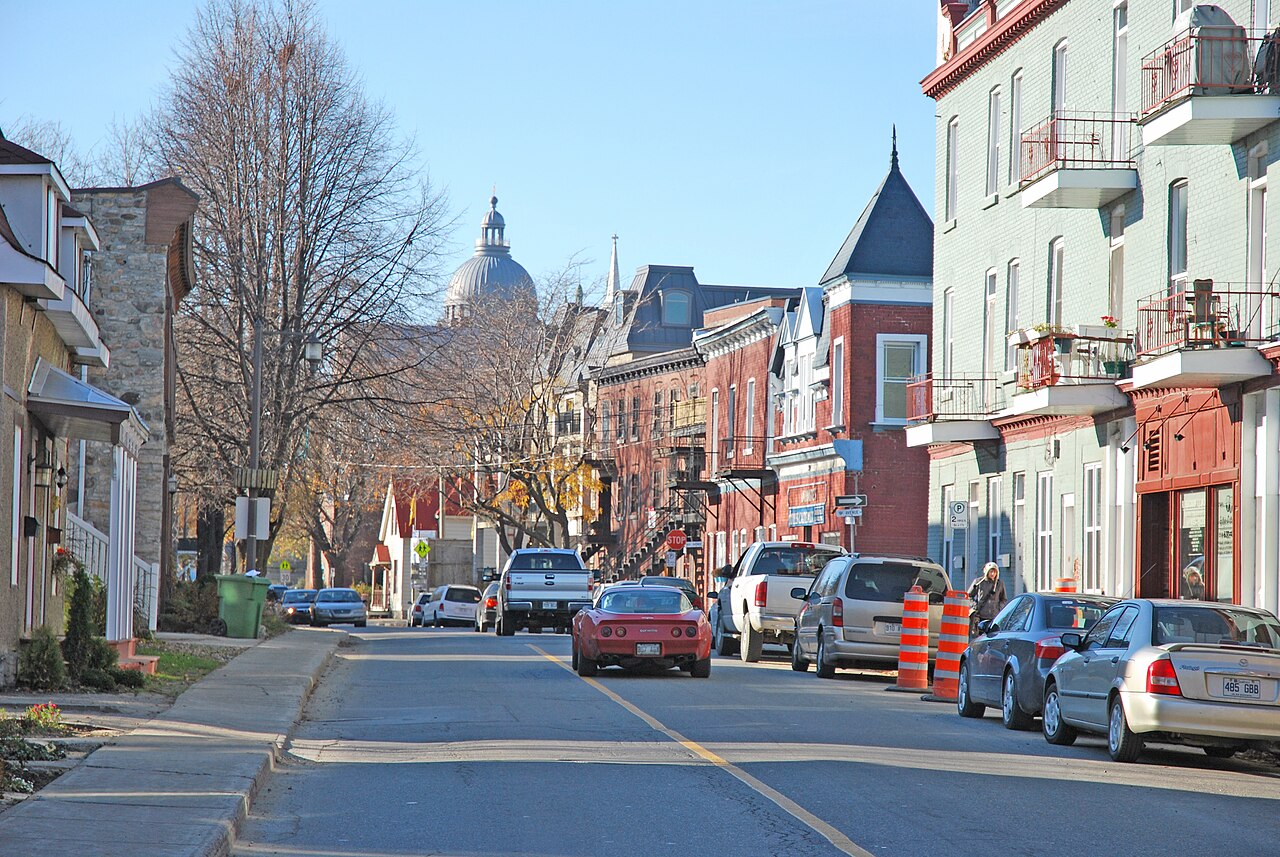
06 A commercial street in Old Lachine, with the dome of the Sainte-Anne convent on the horizon
Neighbourhood life

Notre-Dame Street and its 1845 market

About 125 businesses between 6th and 18th Avenue, a street in the middle of a revival, and nearby, the Lachine Market: founded in 1845, the city's oldest public market according to the city itself. New food spots, thrift shops, terraces, Old Lachine has found its stride again.

Ask me about it: ask me which streets benefit the most from Notre-Dame's revival. When a main street comes back to life, the surrounding blocks follow, and you can see it on the ground.
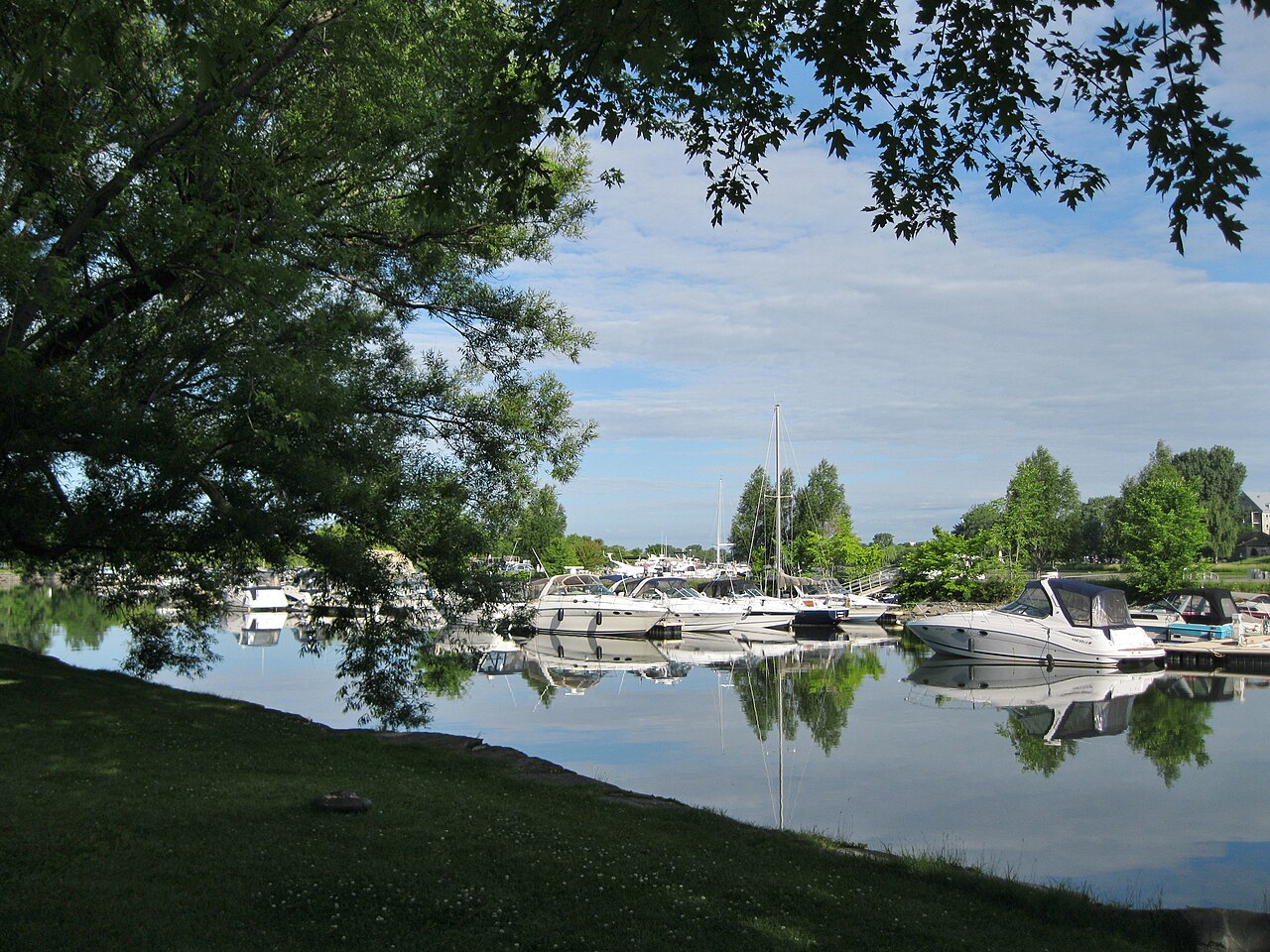
07 Sailboats on Lake Saint-Louis, off the Lachine shore
Waterfront

Lake Saint-Louis as your backyard

Saint-Joseph Boulevard lines up riverside parks, a bike path and restaurants with a view of Lake Saint-Louis, the borough counts 49 parks plus one major park. And the former marina site is being reinvented as a riverside park, with water access for non-motorized activities. Here, the waterfront is part of everyday life.

Ask me about it: ask me what the shoreline redevelopment changes for condos along Saint-Joseph Boulevard. That is the kind of file you follow before buying, not after.
08 The stone building of Collège Sainte-Anne on Saint-Joseph Boulevard in Lachine
Schools and families

Collège Sainte-Anne, a pillar since 1861

Founded in 1861 by the Sisters of Saint Anne under the name Villa Anna, with 68 boarders in its first school year, Collège Sainte-Anne has grown into one of Montreal's major private schools: elementary, high school and even college level, steps from the lake. Close to 2,000 students attend today. For plenty of families, the school is reason number one to settle in Lachine.

Ask me about it: ask me which streets put it within walking distance: the one-kilometre radius around the college has its own market logic.
09 The former industrial workshops of the Dominion Bridge complex, site of the future Lachine-Est eco-district
The local market

Lachine-Est, the next chapter

At the east end of the borough, the old industrial cradle around Dominion Bridge is being transformed: the special planning program adopted in June 2023 lays out an eco-district of about 70 hectares, with a potential of roughly 7,800 housing units, a school, a civic hub and parks, all right up against the canal. The build-out will stretch over some twenty years, and it will redraw the eastern gateway to Lachine.

Ask me about it: ask me what a project of this scale signals for values in the area, before, during and after.
10 The old Dawes Brewery, a fieldstone building on Saint-Joseph Boulevard in Lachine
Brewing heritage

The Dawes brewery and its Black Horse

Before the condos, the beer: the brewery founded by Thomas Dawes in 1811 grew into one of the country's biggest by the 1860s, famous for its Black Horse. A rare ensemble survives on Saint-Joseph Boulevard, including the fieldstone Vieille Brasserie raised around 1861, now devoted to cultural activities. Few Montreal neighbourhoods can tell their story by pointing at the buildings like that.

Ask me about it: ask me why this stretch of Saint-Joseph Boulevard charms heritage lovers so much, and what that does to prices.
Let's talk about it

Thinking about buying or selling in Lachine? Let's start with a conversation.

A free evaluation of your property, a picture of the local market, or simply answers to your questions. No strings attached, and a straight answer.

Start my real estate project

Photo credits