← Back to the Laval map
Area · Saint-Vincent-de-Paul, Laval

Saint-Vincent-de-Paul

An old village surrounded by Duvernay, two stone bell towers you can see from the other shore, and a designated former penitentiary waiting for what comes next. Here's my top 10, the neighbour's version, not the brochure's.

Let's talk about this area

Saint-Vincent-de-Paul is the old village of eastern Laval, wedged between the rivière des Prairies to the south and the Duvernay neighbourhood, which wraps around it on every other side. From my home base in Verdun, I come up via Highway 15, then Highway 19 and the Papineau-Leblanc Bridge, or via Highway 25 and the Olivier-Charbonneau Bridge when I'm coming from the east. I work here with buyers who want a human-scale area without leaving the metropolitan region, and with sellers whose family has been there for two or three generations.

I put together this top 10 for a simple reason: when you buy or sell, you're not just shopping for a property, you're shopping for a neighbourhood life. Each point comes with an opening for a conversation. Use it.

Maxime Laforest, residential and commercial real estate broker · Équipe Loiselle, RE/MAX Dynamique

The area's top 10

What makes the heart of Saint-Vincent-de-Paul beat.

Ten reasons this little corner of Laval doesn't look like any other neighbourhood on Île Jésus, and why the people who settle here stay a long time.

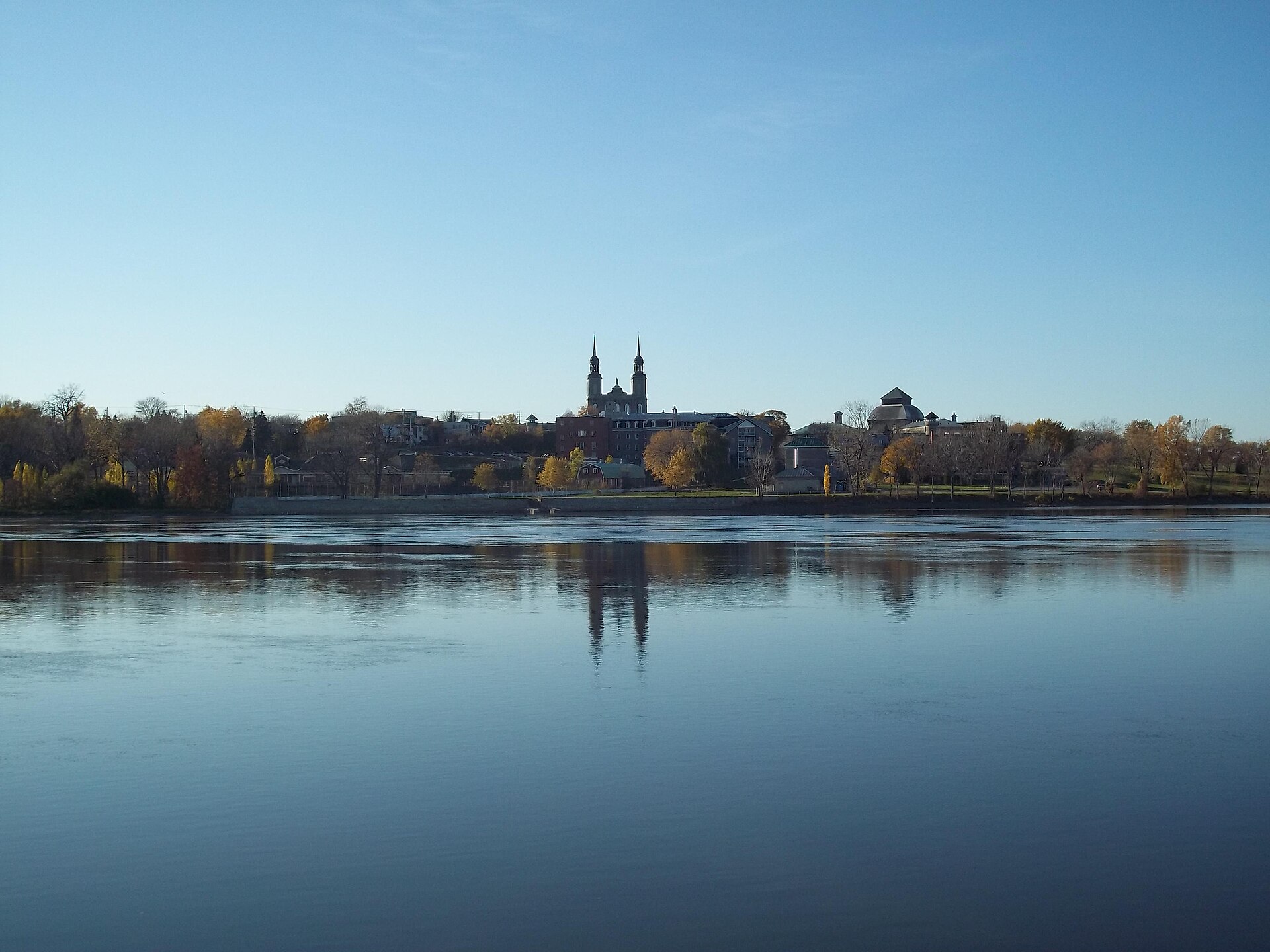
01 The Saint-Vincent-de-Paul neighbourhood and its two bell towers seen from Montréal-Nord, across the rivière des Prairies
The portrait

A neighbourhood surrounded by its neighbour

Along with Sainte-Rose, this is one of Laval's two oldest neighbourhoods. The rivière des Prairies closes it off to the south, and Duvernay wraps around it on every other side, which makes it a genuine enclave inside Laval's largest neighbourhood. It counted 15,591 residents at the 2011 census. The result is a compact area that still behaves like a village: people recognize each other from one street to the next.

Ask me about it: ask me exactly where the neighbourhood's boundaries run. A lot of listings here get advertised as "Duvernay" or just "Laval," which complicates comparables.
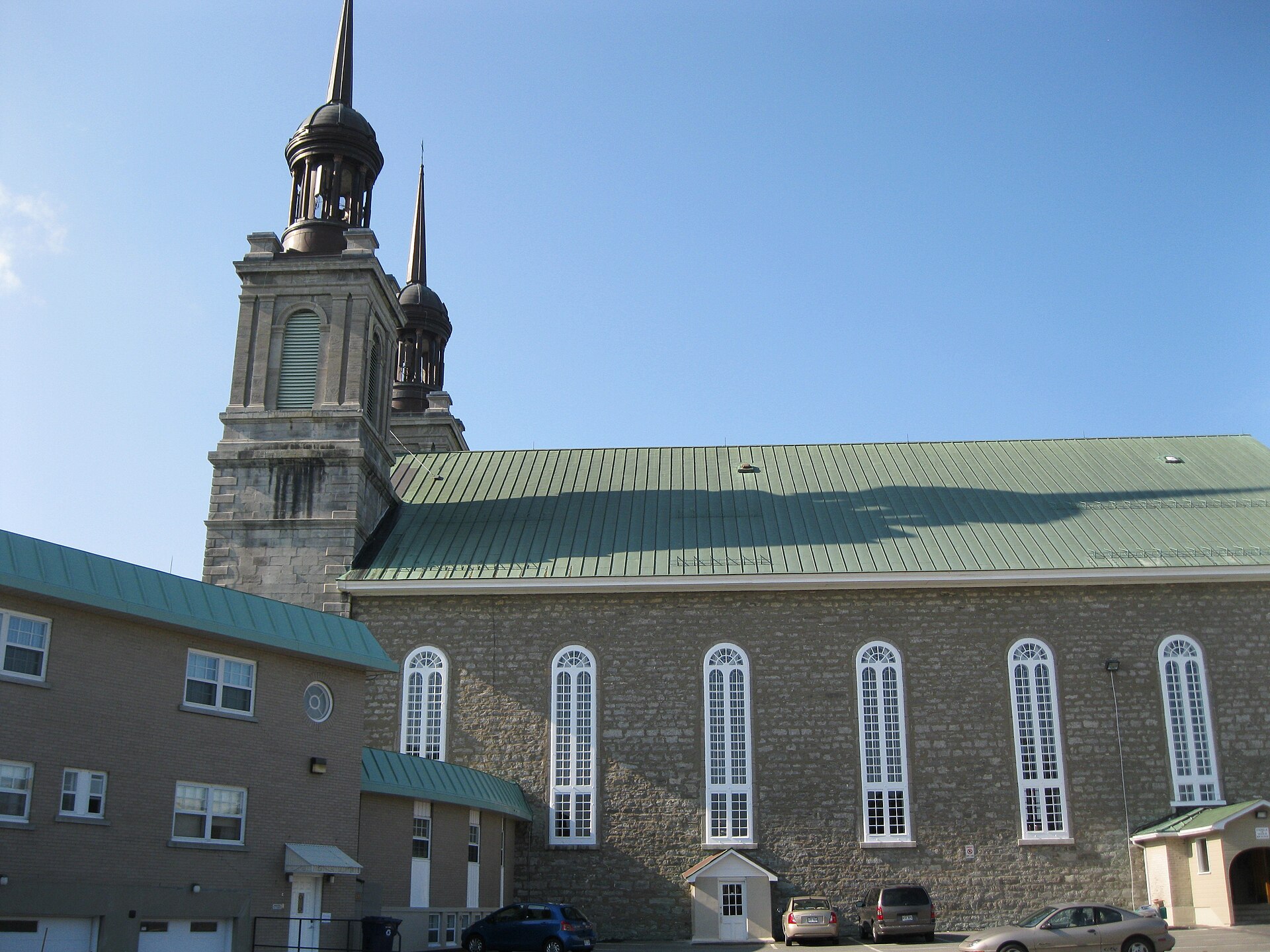
02 The stone wall and two bell towers of the Saint-Vincent-de-Paul church, in Laval
Heritage

A parish founded in 1740

The neighbourhood takes its name from the parish founded in 1740, dedicated to Saint Vincent de Paul, the apostle of charity. Established as a parish municipality in 1855, it then covered a large part of eastern Île Jésus, before shrinking piece by piece: Pont-Viau broke off in 1926, and the village of Saint-Vincent-de-Paul itself in 1952. What remained was renamed Duvernay in 1957. The stone church, with its two bell towers and cemetery, still holds the old core.

Ask me about it: ask me which streets make up the original village core. That's where you'll find the area's oldest buildings.
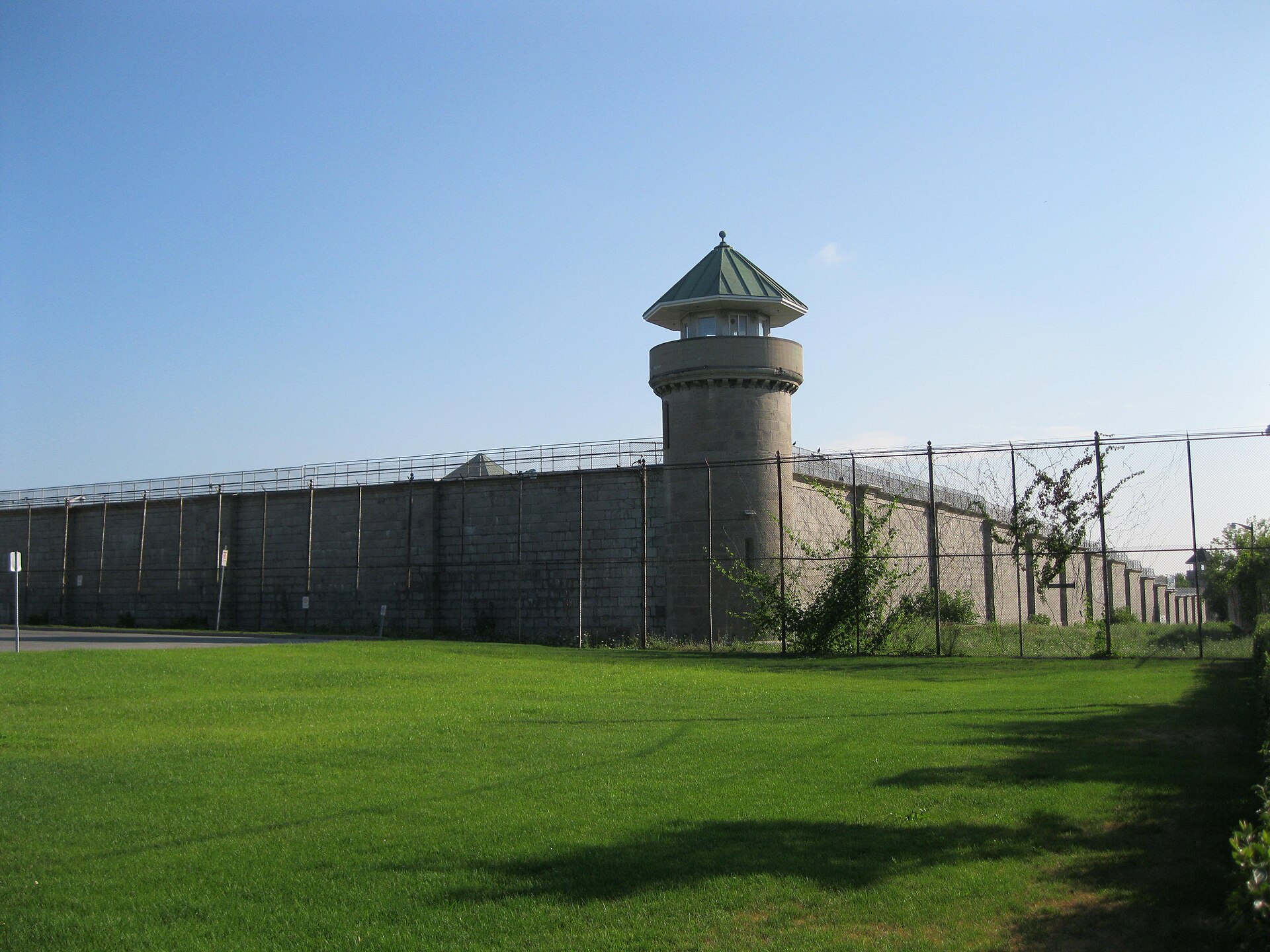
03 The stone wall and a watchtower of the old Saint-Vincent-de-Paul penitentiary
History

The old penitentiary, a national historic site

Opened in 1873 and closed in 1989, the Saint-Vincent-de-Paul penitentiary was designated a national historic site of Canada on February 23, 1990, with protection covering the main block and the towers. Its history runs through some hard moments: an escape attempt by fire on November 4, 1932, then fires set by inmates on June 17, 1962 that destroyed nine buildings. Charles Ponzi, Jacques Mesrine, and Richard Blass all did time here, and the site has served as a backdrop for several films.

Ask me about it: ask me how my clients react when they discover these stone walls during a tour of the area. Once the surprise wears off, most people find the site fascinating.
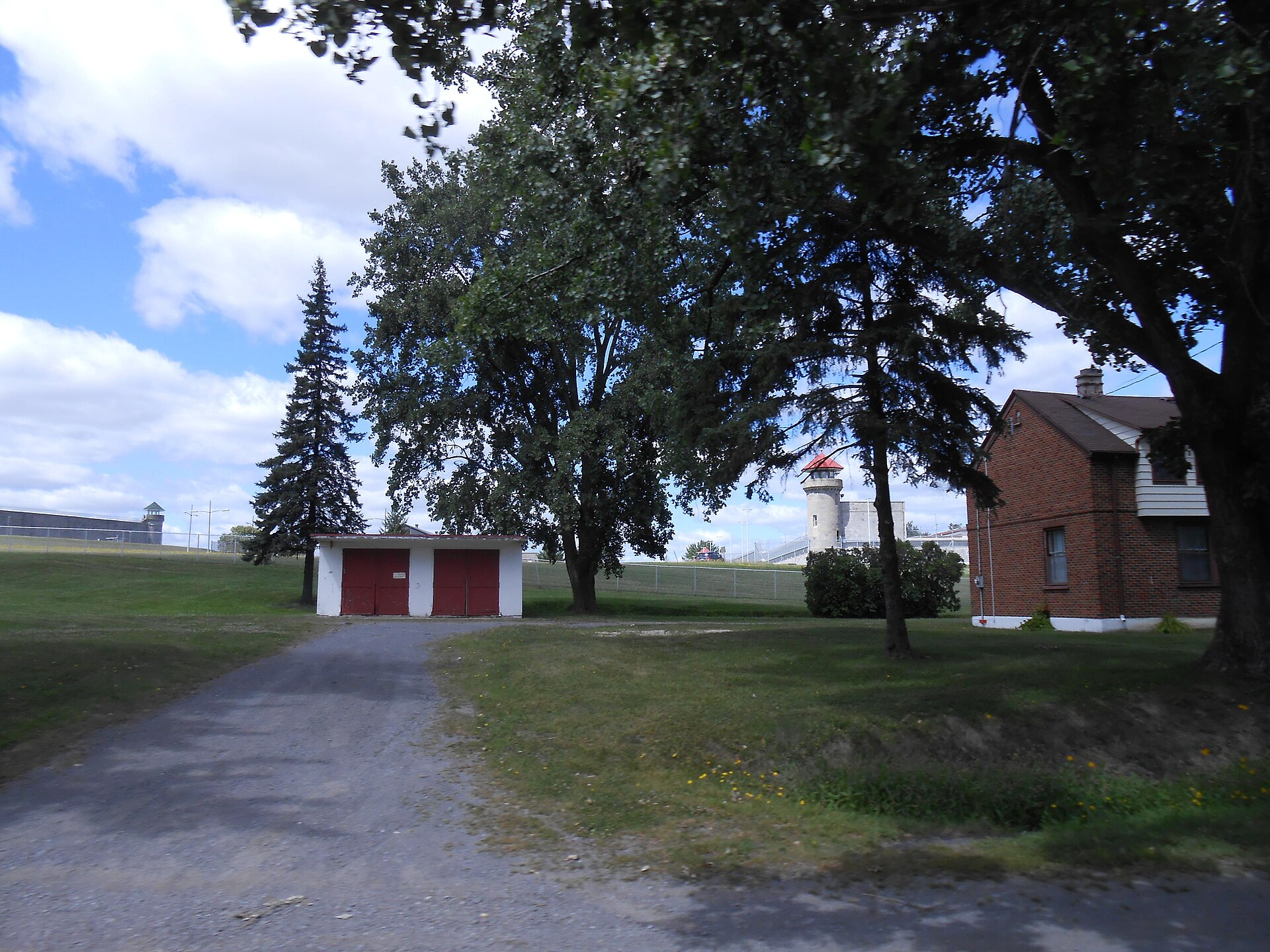
04 View of boulevard Lévesque Est with the watchtowers of the old penitentiary and the Centre fédéral de formation in the background
The projects

A federal site waiting for what's next

Despite its national historic site status, the old penitentiary has sat abandoned since it closed, and Correctional Service Canada demolished some blocks in 2012. Calls for redevelopment keep coming, including one in 2020 backed by then-mayor Marc Demers, by Héritage Montréal, and by Collège Laval, with city councillor Paolo Galati pushing to get Vieux-Saint-Vincent-de-Paul officially recognized. On June 23, 2022, Ottawa announced the site would be transferred to the Canada Lands Company in 2024. In the meantime, other facilities remain active close by, including the Leclerc detention centre, which is provincial, and the Centre fédéral de formation.

Ask me about it: ask me what a redevelopment of this scale could change for the area. It's a file I follow closely, without selling you a dream.
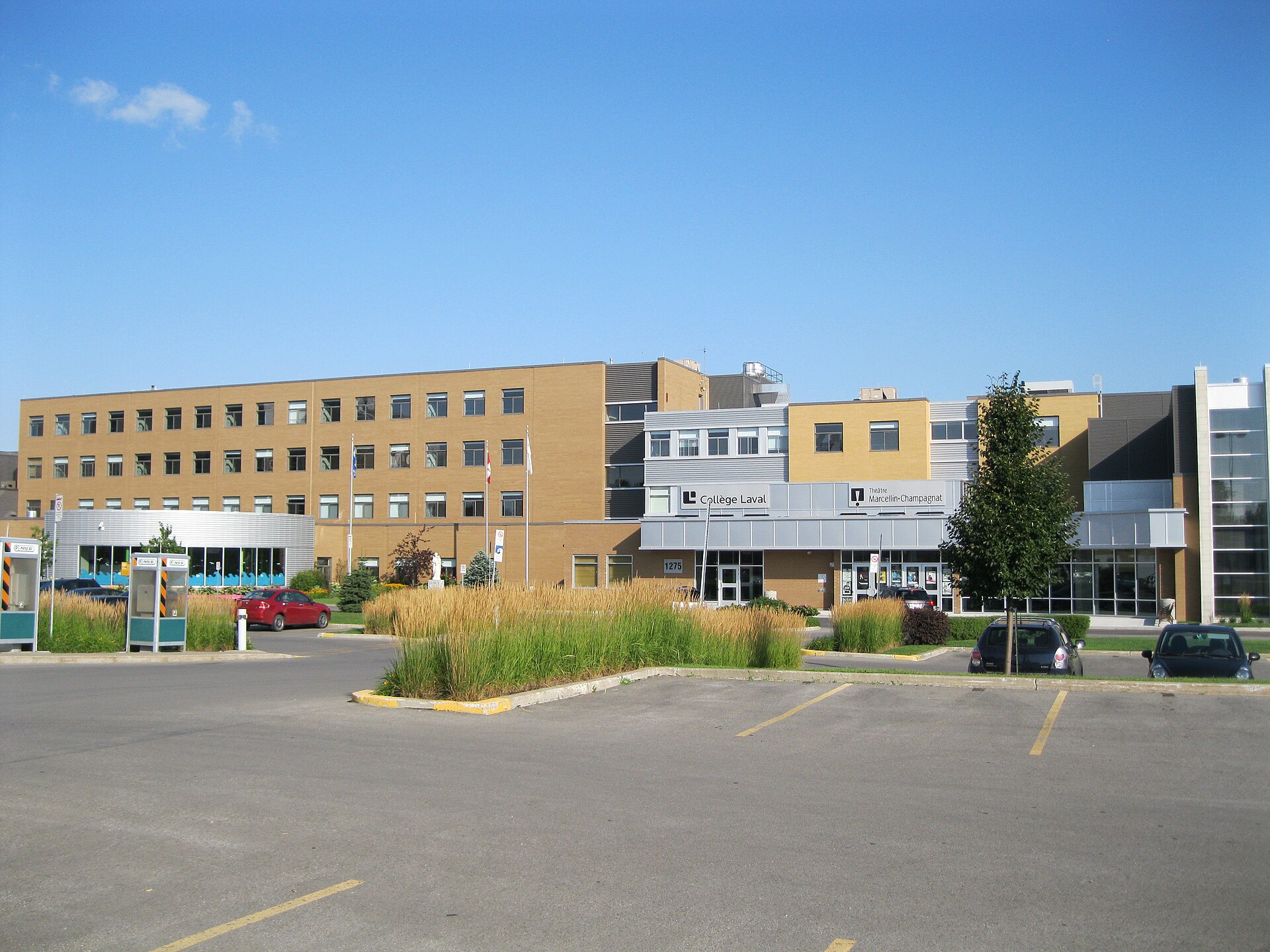
05 The facade of Collège Laval and the entrance to the Marcellin-Champagnat theatre, rue Laval
Schools

Collège Laval, here since 1855

Parish priest Norbert Lavallée and notary Césaire Germain founded a commercial college for the parish's boys in 1855, which moved into a new building in 1859. The Marist Brothers took over its direction in 1888, and the boarding school welcomed students from 1897 to 1996, with as many as 470 boarders in 1970. The sports education program launched in 1970 is the ancestor of today's sport-study programs, girls have been admitted since 1996, and a modern building costing more than twenty million replaced the oldest wing between 2002 and 2004. In 2024, the school ranked tenth among Quebec's 465 high schools. Jean Doré, Pierre Bourque, Serge Fiori, and Luc De Larochellière all studied here.

Ask me about it: ask me how many families choose the area just to walk to the college. It's a buying motive I hear often here.
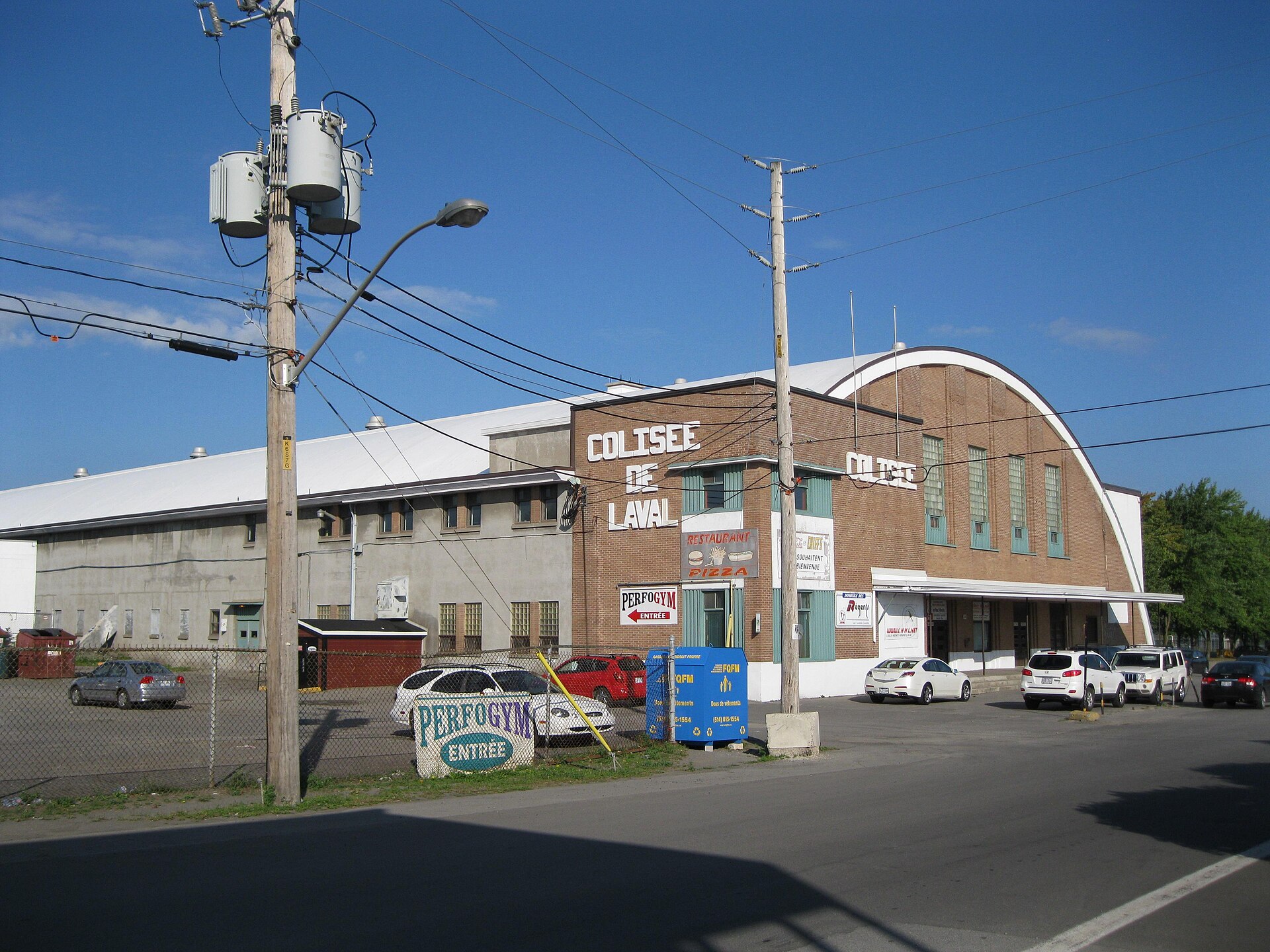
06 The arched facade of the Colisée de Laval, rue Saint-Vincent
Sports

The Colisée and its reputation as the House of Pain

The Marist Brothers had the Colisée de Laval built in 1954, a stone's throw from the college. Three Quebec Major Junior Hockey League teams played there, the National, the Voisins, and the Titan, and the Memorial Cup tournament was held there in 1994. Brawls involving the Chiefs de Laval, a semi-professional senior club, earned the arena its nickname, the "House of Pain." The Pétroliers du Nord have been based there since 2019, and the Laval figure skating club puts on its ice show there every year.

Ask me about it: ask me which streets are within walking distance of the arena. For a hockey family, that changes weekday mornings.
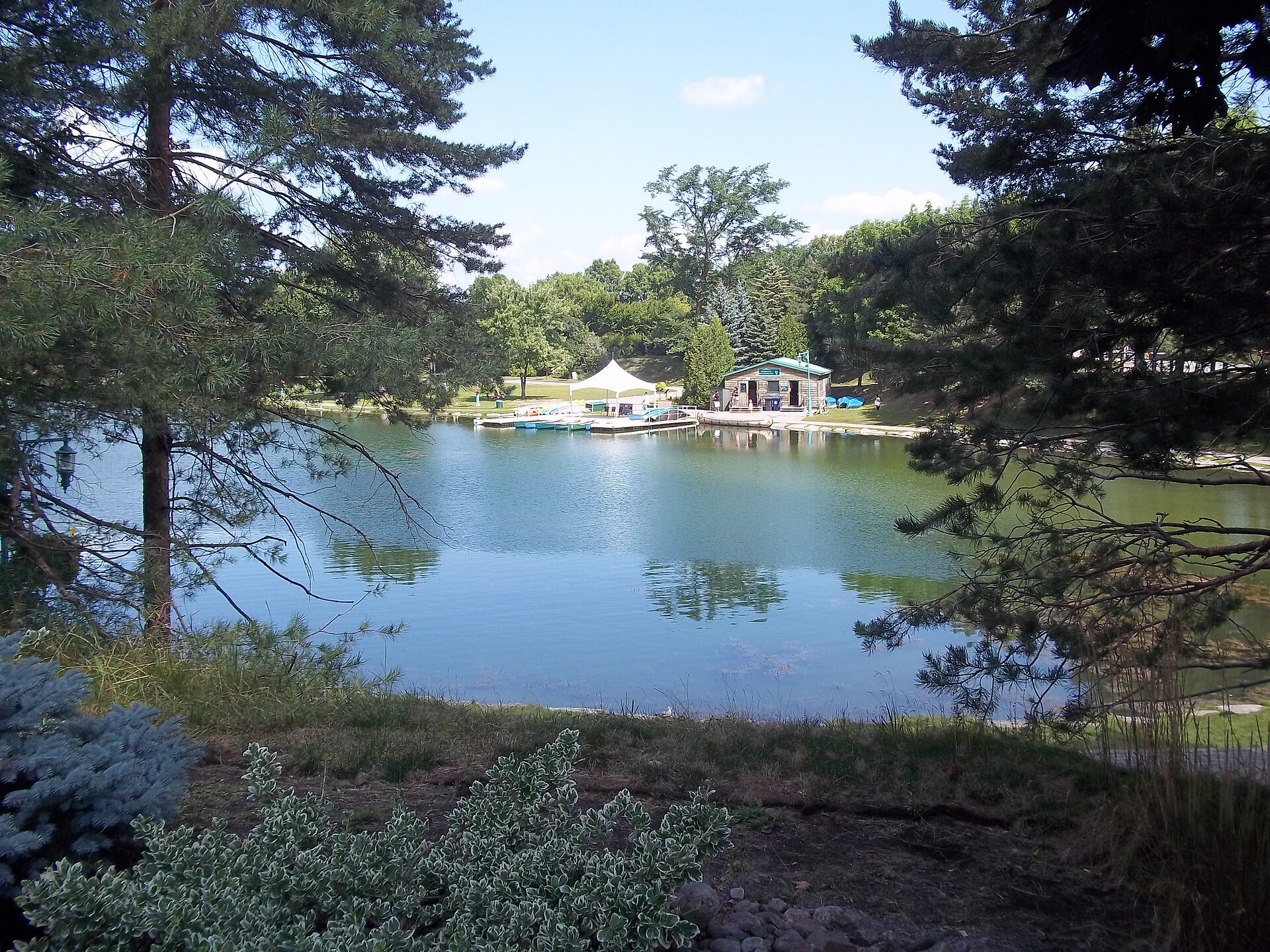
07 The lake and boat rental dock at the Centre de la nature de Laval, in summer
Nature

The Centre de la nature, built on a former quarry

At the end of avenue du Parc, fifty hectares were developed on a former quarry and, in part, on an old dump: it's one of the rare redevelopments of this kind in North America. Opened to the public in 1970, the park offers a large lake, greenhouses, farm animals, the Laval astronomical observatory, and year-round programming. It's officially in Saint-Vincent-de-Paul, even though all of Laval uses it.

Ask me about it: ask me which addresses let you walk there. For a local listing, that's an argument that sells itself.
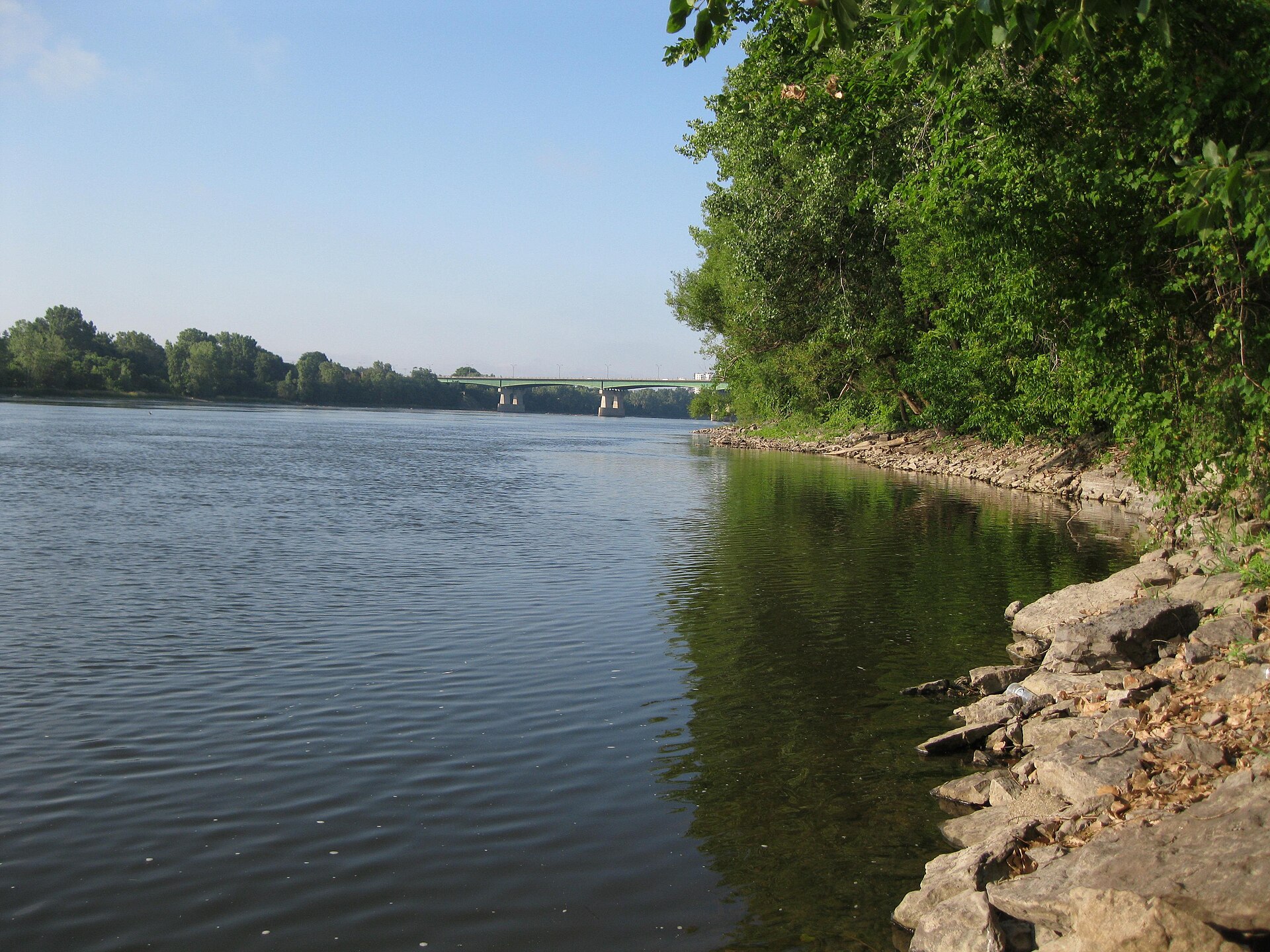
08 The rocky shoreline of the rivière des Prairies in Saint-Vincent-de-Paul, with the Pie-IX Bridge in the distance
Waterfront

The rivière des Prairies, running the whole south side

Boulevard Lévesque Est follows the river from one end of the neighbourhood to the other. From the Laval shore, you see Montréal-Nord right across, the Rivière-des-Prairies hydroelectric plant to the west, and the deck of the Pie-IX Bridge downstream. The shoreline is accessible in spots, and it's along this boulevard that you'll find the area's most sought-after lots.

Ask me about it: ask me the difference between an address on Lévesque Est that has water access and one that only has the view. At resale, that's really not the same story.
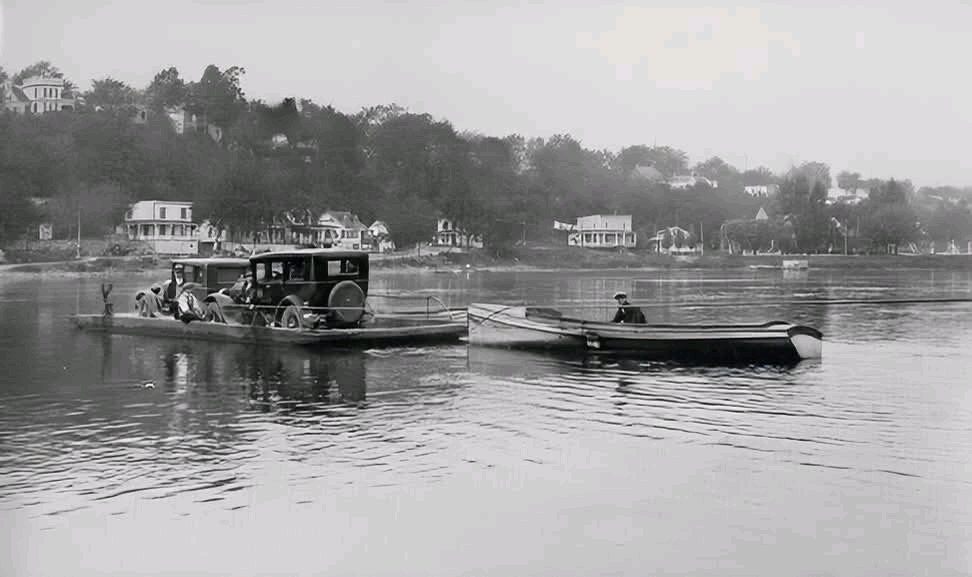
09 Old photo, around 1930, of the ferry crossing that linked Montréal-Nord to Saint-Vincent-de-Paul over the rivière des Prairies
Transit

From the 1930s ferry to the Pie-IX bus rapid transit

Before 1937, you crossed to Montréal-Nord by ferry, between avenue L'Archevêque and the village. The Pie-IX Bridge opened on December 5, 1937, was rebuilt and widened in the mid 1960s, and today carries route 125 with six lanes and about 83,000 vehicles a day. Further east, Highway 25 crosses the river via the Olivier-Charbonneau Bridge, with an electronic toll since it opened on May 21, 2011, free for pedestrians, cyclists, and electric vehicles, and it connects to Highway 440 to the north. On the transit side, the Saint-Martin terminus, on boulevard Pie-IX in the neighbourhood, has been the head of the bus rapid transit line since November 7, 2022: 750 park and ride spots and the Express 439, which runs in a dedicated corridor down the centre of the boulevard to the Pie-IX metro station, on the green line. There's no train station here, and the Laval metro stations Cartier, De la Concorde, and Montmorency are reached by car or bus.

Ask me about it: ask me how long it really takes from the Saint-Martin terminus to downtown at rush hour. I'd rather time it than guess.
10
Family life

A choice of schools unusual for an area this size

On the French side, the neighbourhood has the public high school Georges-Vanier and three elementary schools, Du Bois-Joli, Jean XXIII, and L'Envol, the last being an alternative school. On the English side, the Sir Wilfrid Laurier school board runs Saint-Vincent elementary school. Add Collège Laval on the private side, and you've got a range that a lot of much more populous areas don't offer.

Ask me about it: ask me to check each school's catchment before we submit a promise to purchase. One street of difference can change the elementary school.
Let's talk

Thinking of buying or selling in Saint-Vincent-de-Paul? Let's start with a conversation.

A free evaluation of your property, a picture of the local market, or simply answers to your questions. No strings attached, and a straight answer.

Start my real estate project

Photo credits