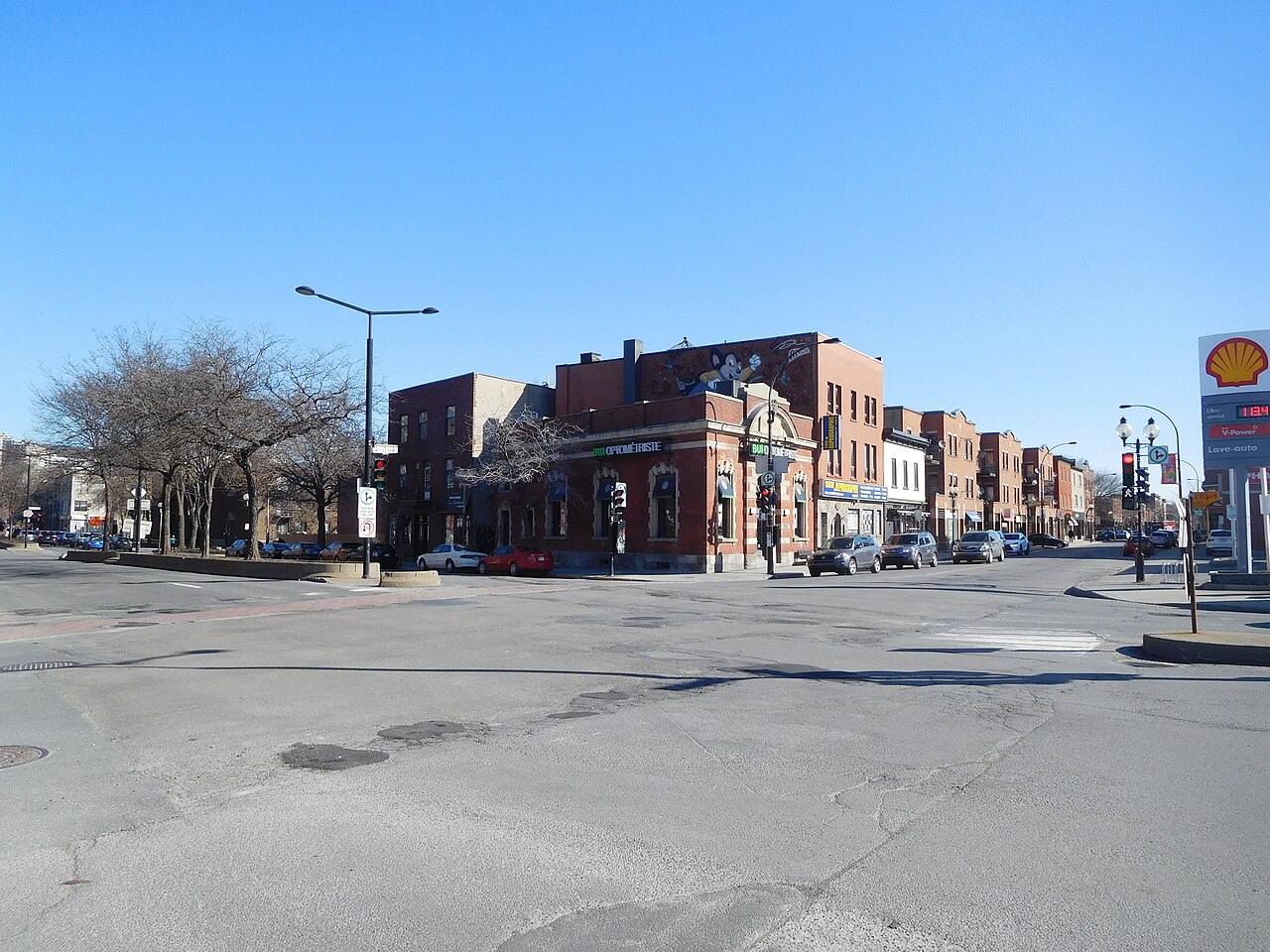
← Back to the Le Sud-Ouest area
Southwest borough · Saint-Henri

Saint-Henri

Gabrielle Roy's neighbourhood has become one of Montreal's most sought-after addresses, without turning its back on its tanneries, its market or its iron staircases. My top 10, neighbour style, not brochure style.

Saint-Henri is the beating heart of the Southwest: a former tanners' village turned working-class neighbourhood, immortalized in a novel, then reinvented along its canal. Today, families live alongside chefs, and brick lofts watch the bikes go by.

I put together this top 10 for a simple reason: when you buy or sell, you're not just shopping for a property, you're shopping for a neighbourhood life. Every point comes with an opening for a conversation, use it.

Maxime Laforest, real estate broker · Équipe Loiselle, RE/MAX Dynamique

The neighbourhood's top 10

What makes the heart of Saint-Henri beat.

Ten reasons buyers fall in love with the neighbourhood, and why the ones who live here don't leave.

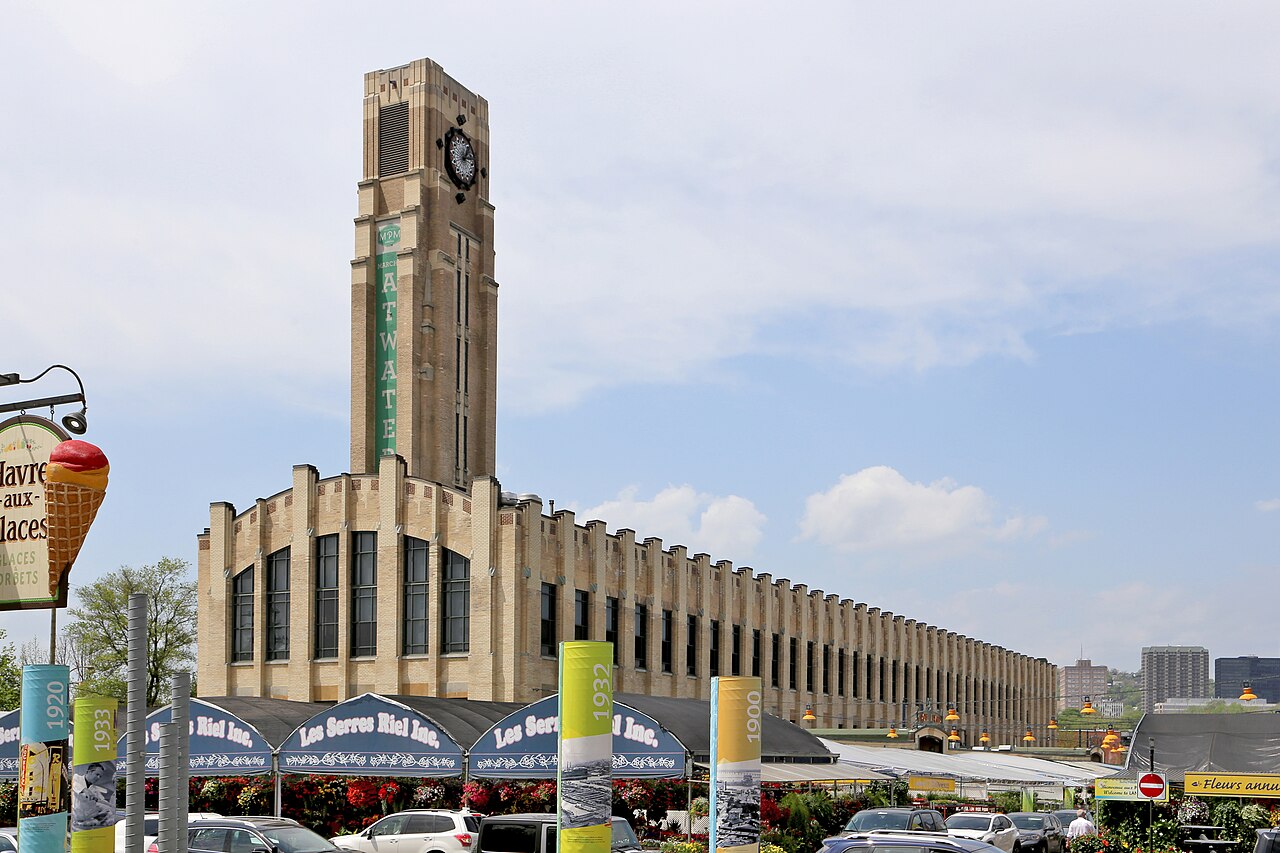
01 Atwater Market and its art deco tower
The icon

Atwater Market

Born in 1933, in the middle of the Depression, with its art deco tower designed by Ludger Lemieux watching over the canal. Legendary butchers, cheesemongers, flowers in spring: it's the most spectacular neighbourhood grocery in the city, and it's in Saint-Henri.

Ask me about it: ask me what "walking distance to the market" is worth on a sale price. It's measurable.
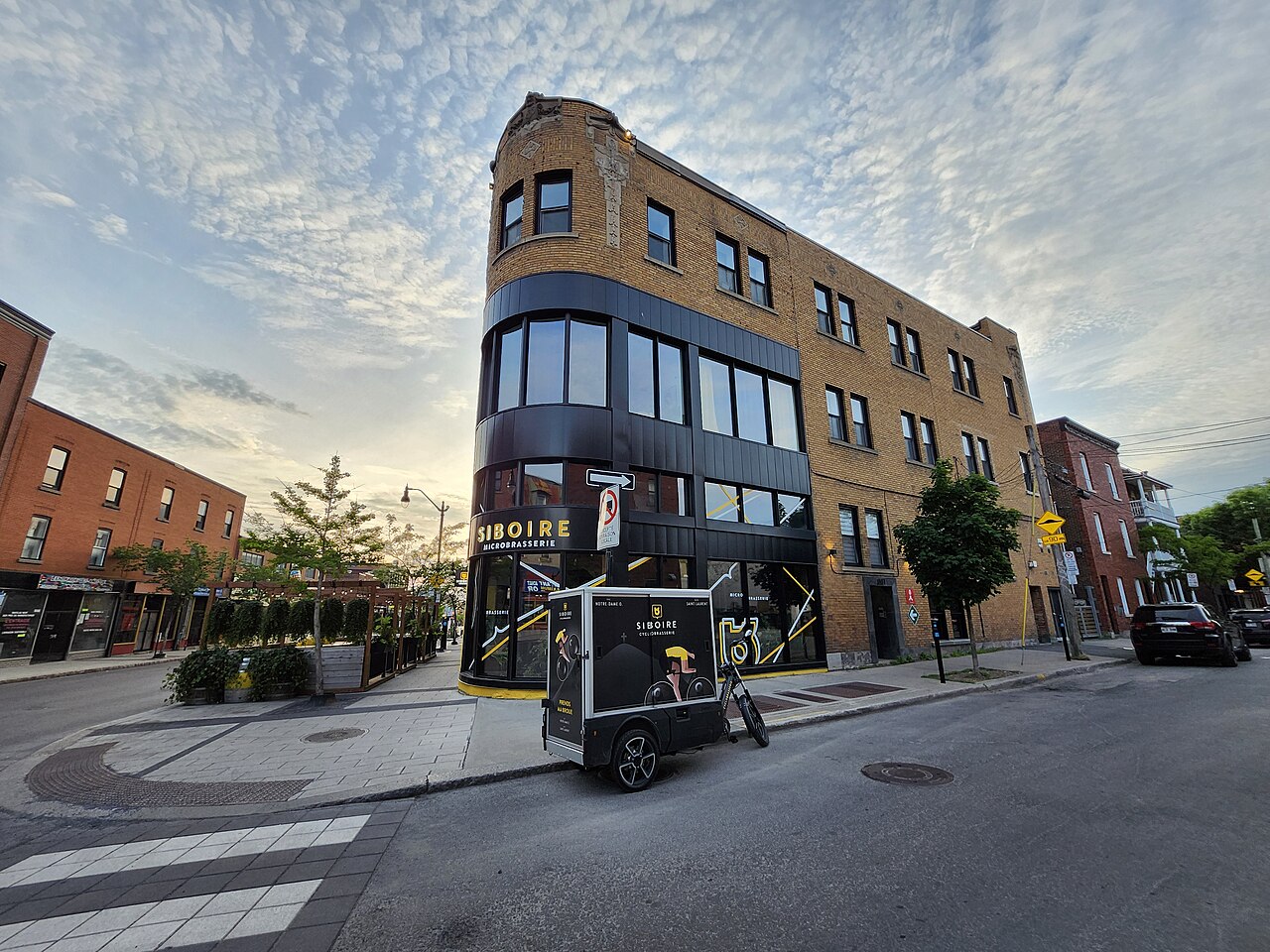
02 Notre-Dame Street West in Saint-Henri
The table

Notre-Dame Street West

The Tuck Shop, a neighbourhood institution since 2010, sits along this foodie corridor that runs right up to the edge of Petite-Bourgogne, Joe Beef and Vin Papillon are five minutes away. People come from all over Montreal to have dinner here.

Ask me about it: ask me which streets in Saint-Henri still have some catching up to do, that's where the deals are hiding.
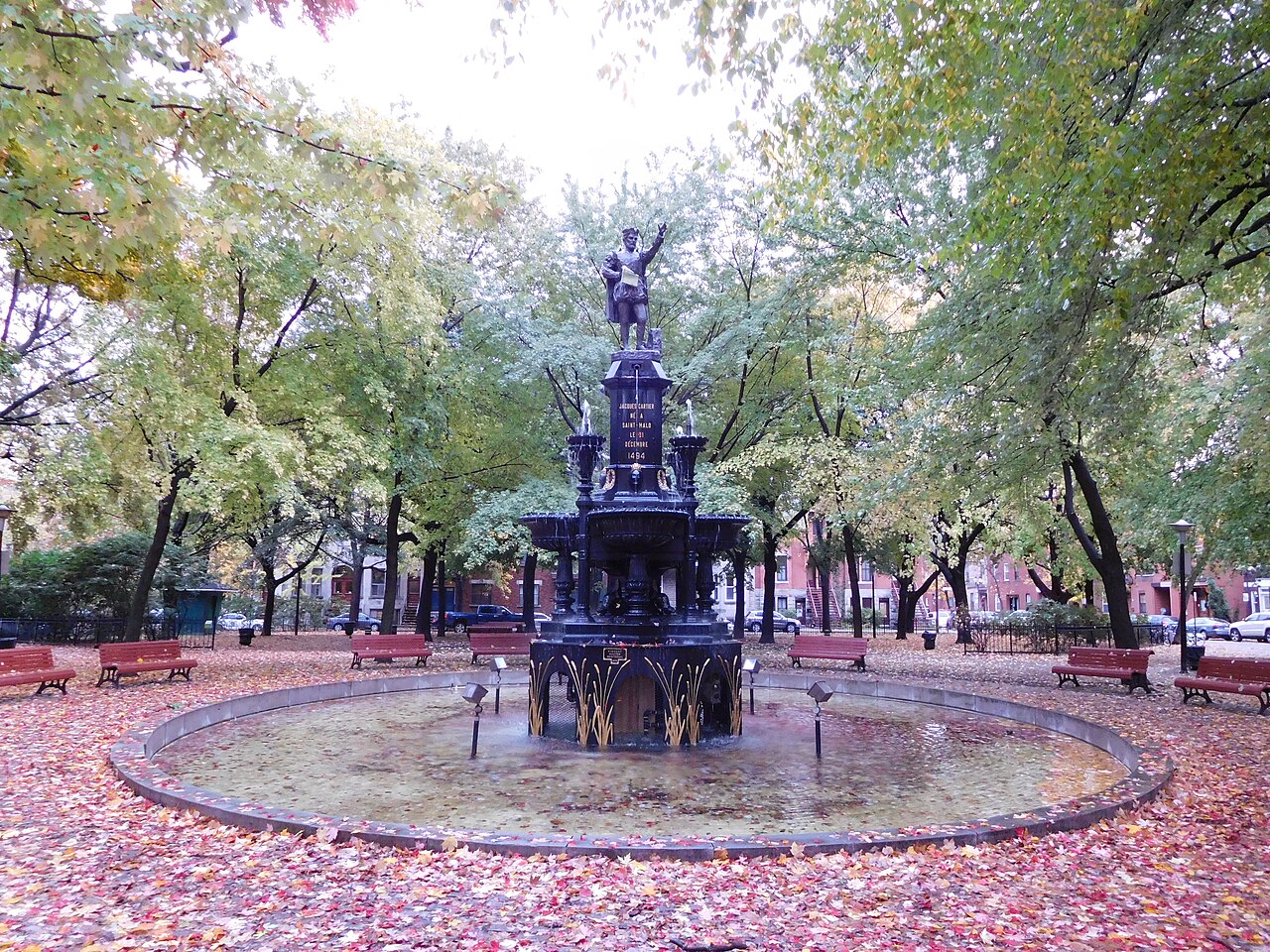
03 Saint-Henri Square and its Jacques Cartier fountain
Heritage

Saint-Henri Square

Laid out in 1893, surrounded by the former residences of the village's notable citizens. At its centre: the Jacques Cartier fountain-monument, with four beavers at its base, one of the most photogenic corners of the Southwest, one many Montrealers don't even know about.

Ask me about it: ask me why addresses around a historic square hold their value even when the market slows down.
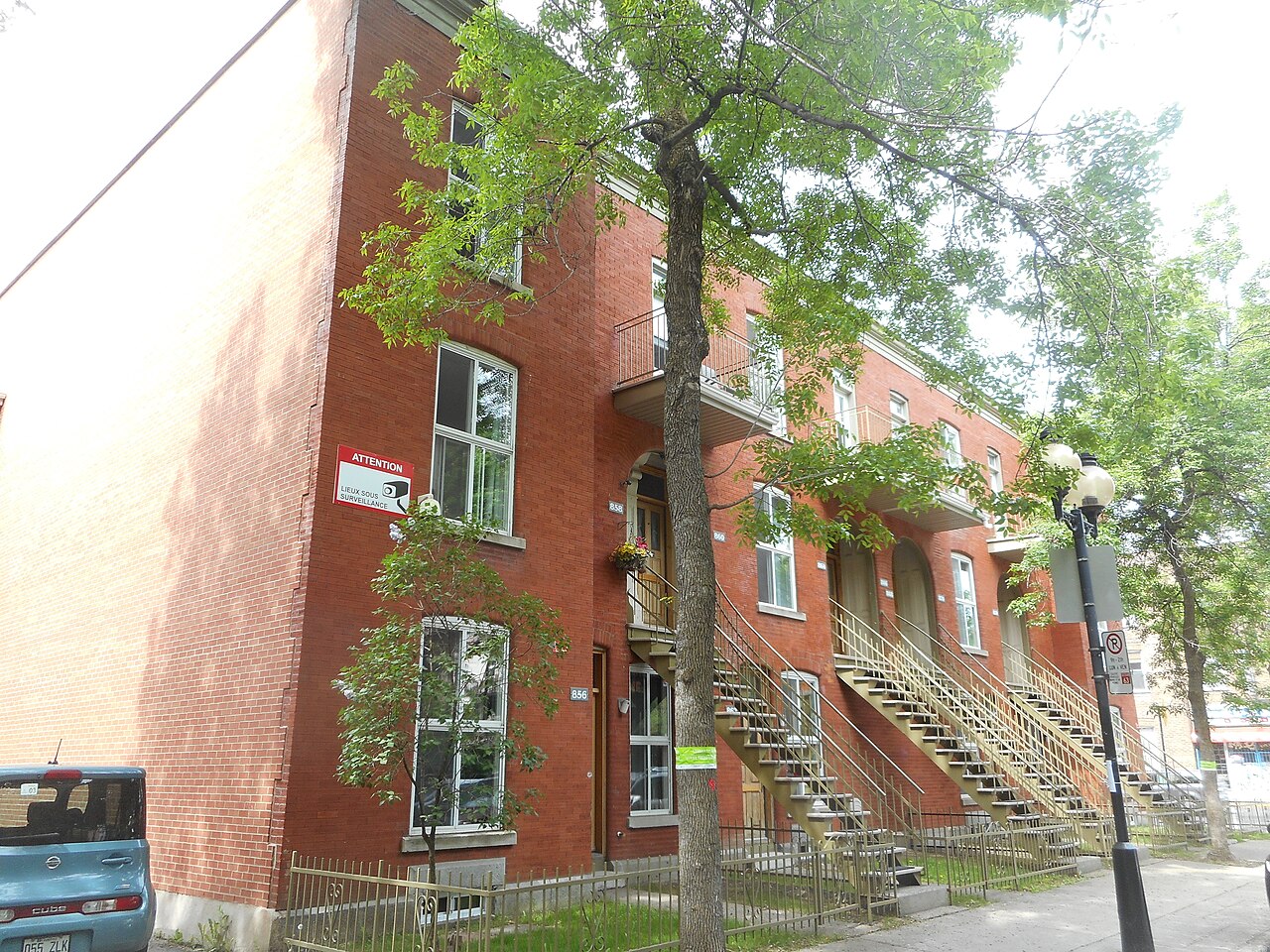
04 Typical residential street in Saint-Henri
Literature

Gabrielle Roy's neighbourhood

Bonheur d'occasion (1945), the first Canadian novel to win the Prix Femina, is set right here, among these duplexes and iron staircases. Since 2017, Place du Bonheur-d'occasion, on Notre-Dame Street, has excerpts from the novel engraved in the very neighbourhood that inspired it.

Ask me about it: ask me what Gabrielle Roy would still recognize today, the answer is more touching than you'd think.
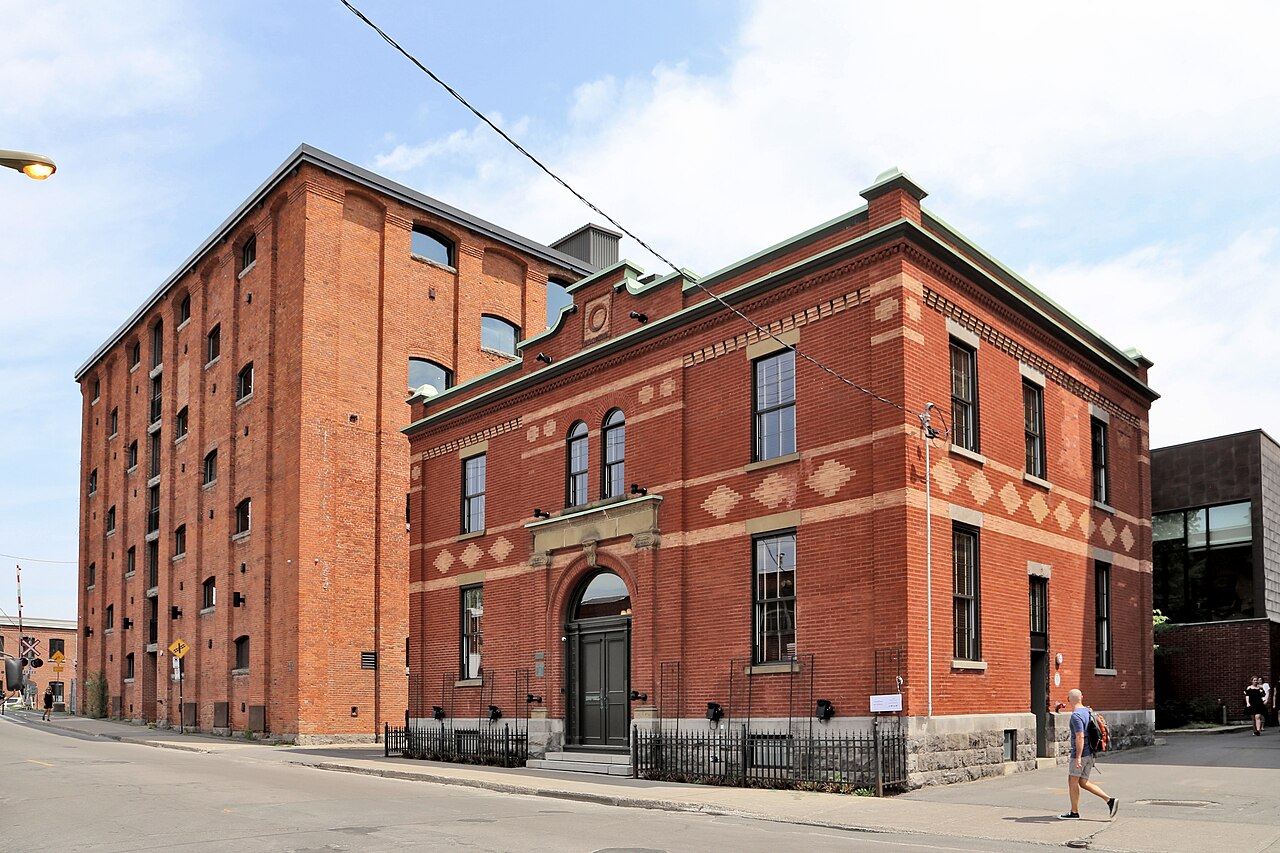
05 The Lachine Canal on the Saint-Henri side
Canalside

The canal lofts and the St-Ambroise Terrace

Château Saint-Ambroise, an 1880s textile mill that once employed 3,000 workers, is now home to hundreds of creative businesses. Right next door, the McAuslan brewery and its waterside terrace: the neighbourhood's perfect way to end a day.

Ask me about it: ask me why "brick and beam" buildings along the canal resell at a premium, and which ones are actually worth one.
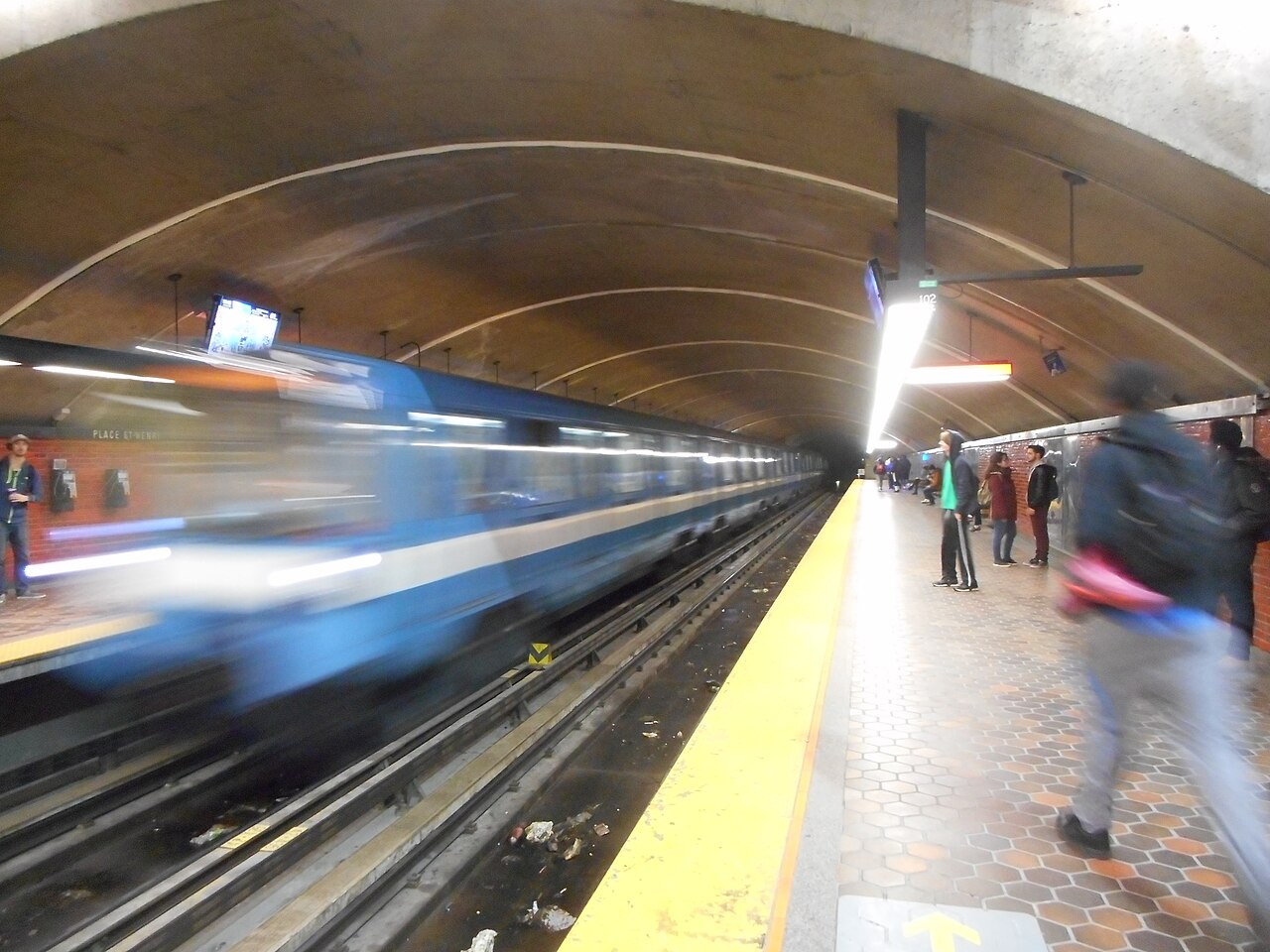
06 Metro station in Saint-Henri
Transit

Two stations, including the major transfer point

Place-Saint-Henri right in the heart of the neighbourhood, and Lionel-Groulx, one of the network's major hubs, where the green and orange lines cross on the same platform. Few neighbourhoods offer this quality of connection without the noise of downtown.

Ask me about it: ask me why Lionel-Groulx is one of the most strategic locations in all of Montreal for resale.
07 Commercial street corner in Saint-Henri
The origins

A tanners' village born around 1700

Saint-Henri-des-Tanneries: three centuries before the condos, artisans processed leather here. Excavations for the Turcot project uncovered an 18th-century tannery and its wooden vats, the neighbourhood literally walks on its own history.

Ask me about it: ask me why a neighbourhood with 300 years of history sells differently than a new tower, and to whom.
08 Sir-George-Étienne-Cartier Square, seen from Notre-Dame Street West
Parks and nature

The other square, west side

Saint-Henri has two squares, and the second one is worth the walk: Sir-George-Étienne-Cartier Square, laid out in 1912 on the site of a former slaughterhouse, a promise made to the neighbourhood when it was annexed to Montreal in 1905. Its cast-iron fountain, ordered from the Mott ironworks in New York, has stood at the centre from the start, surrounded by one of the Southwest's most photogenic rows of houses.

Ask me about it: ask me what sets the streets around the two squares apart, same neighbourhood, two micro-markets, and price gaps that surprise people.
09 The facade of the Corona Theatre, at 2490 Notre-Dame Street West
Culture

The Corona, a venue from 1912

Opened on November 11, 1912 on Notre-Dame West and renamed the Corona in 1923, this Beaux-Arts theatre is one of the rare mid-size Montreal venues where the crowd is right up against the stage. Renamed the Beanfield Theatre in 2023, it draws shows that fill the neighbourhood's restaurants on weeknights.

Ask me about it: ask me what a living concert hall does for a commercial strip, Notre-Dame Street West is the best proof there is.
10 The Gadbois recreation complex, on Côte-Saint-Paul Road
Sports and leisure

Gadbois, the Southwest's gymnasium

Inaugurated in October 1960 by the Lachine Canal, the Gadbois recreation complex lines up two arenas, including the Georges-Mantha, plus gyms and pools across three successive buildings. Its name honours Dr. Joseph-Pierre Gadbois, director of Montreal's playgrounds from 1914 to 1930. For local families, it's the winter-evening reflex.

Ask me about it: ask me which corners of Saint-Henri put the canal, the metro and Gadbois within walking distance, that triangle simplifies a lot of weeks.
Let's talk

Thinking of buying or selling in Saint-Henri? Let's start with a conversation.

A free evaluation of your property, a picture of the local market, or simply answers to your questions. No strings attached, and a straight answer.

Start my real estate project

Photo credits