← Back to the North Shore map
Area · City of Lorraine, Basses-Laurentides

Lorraine

A 195-hectare forest at the end of the streets, not a single traffic light, and street names from eastern France. Here's my top 10, neighbour's version, not brochure version.

Let's talk about this area

Lorraine sits about 45 kilometres north of Montreal, in the Basses-Laurentides, surrounded by Rosemère, Bois-des-Filion, Blainville, and Sainte-Thérèse. Around 9,500 people live here on barely six square kilometres, almost entirely residential. I work with buyers from the island who want quiet without moving too far from the main routes, and with owners selling after twenty or thirty years on the same street.

What strikes you the first time you drive through is what you don't see: no traffic lights, no power lines overhead, no factories. Instead, woods at the end of almost every street. I put this top 10 together for a simple reason: when you buy or sell, you're not just shopping for a property, you're shopping for a neighbourhood life. Every point comes with an opening to talk. Use it.

Maxime Laforest, residential and commercial real estate broker · Équipe Loiselle, RE/MAX Dynamique

The area's top 10

What makes the heart of Lorraine beat.

Ten reasons buyers fall for the city, and why the ones who move here never leave.

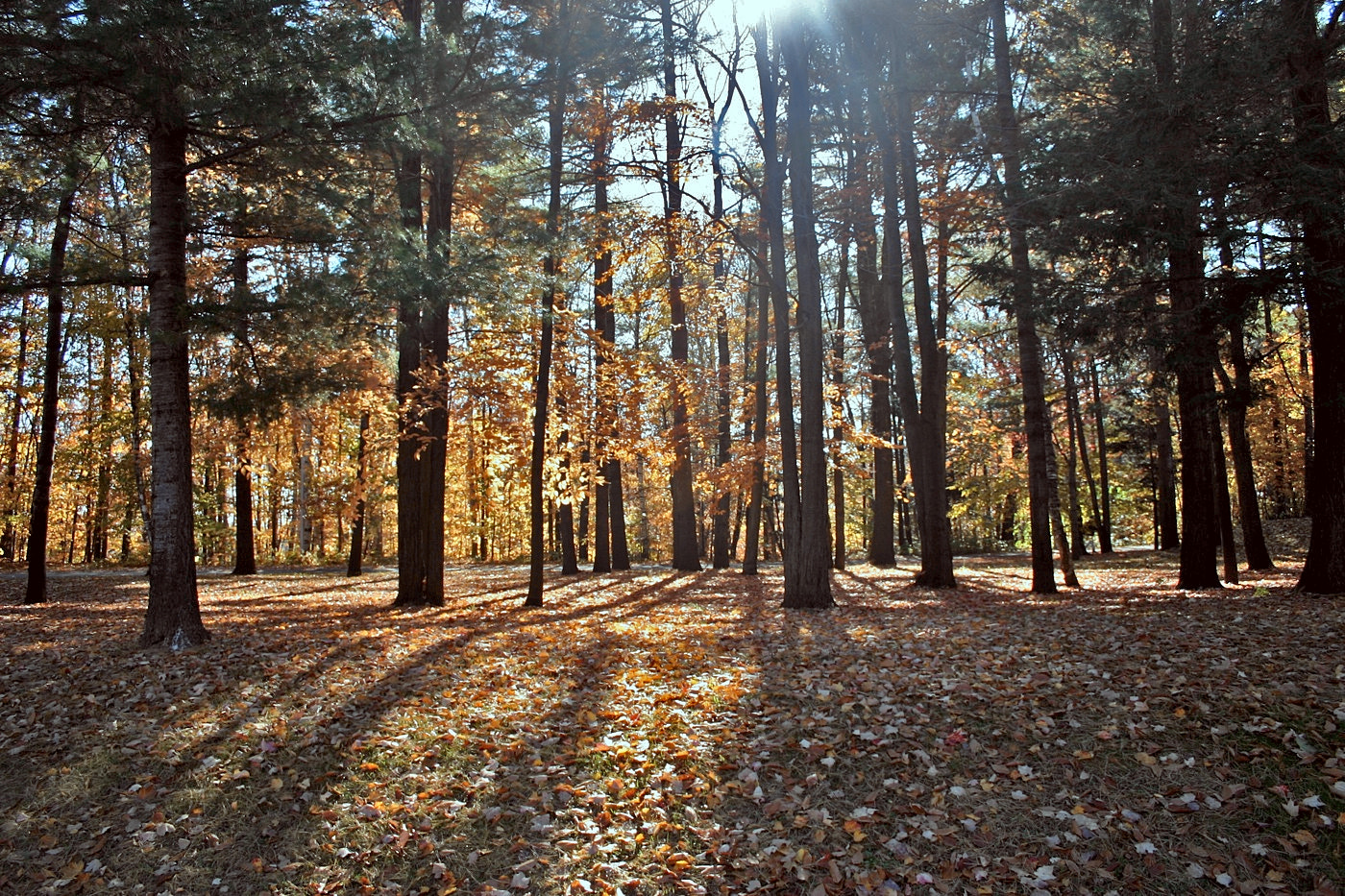
01 Fall trail in the Grand Coteau forest, in Lorraine
Outdoors

The Grand Coteau forest, right at the end of the street

A 195-hectare forest shared between Lorraine, Sainte-Thérèse, and Blainville, with a little over 50 hectares on the Lorraine side. The main trail runs about six kilometres and stays open year-round; a 2.2-kilometre interpretive trail covers the wildlife, plant communities, and the Dominique-Juteau stream. Residents approved a special tax by referendum to fund the forest's protection, which says a lot about how much people here care about it.

Ask me about it: ask me which streets open directly onto a trailhead. That's the kind of detail that never shows up on a listing sheet.
02
The origin

A town planned all at once

Lorraine has only existed since 1960. It was carved out of land from Bois-des-Filion, Sainte-Thérèse, and Rosemère by businesspeople who wanted a mostly residential town: no industry, no sprawling commercial development, underground utilities, and tight zoning rules. The result still shows more than sixty years later, in how consistent the streets look and the total absence of traffic lights.

Ask me about it: ask me what this kind of zoning changes when it's time to add on or renovate. That's something to plan before you buy, not after.
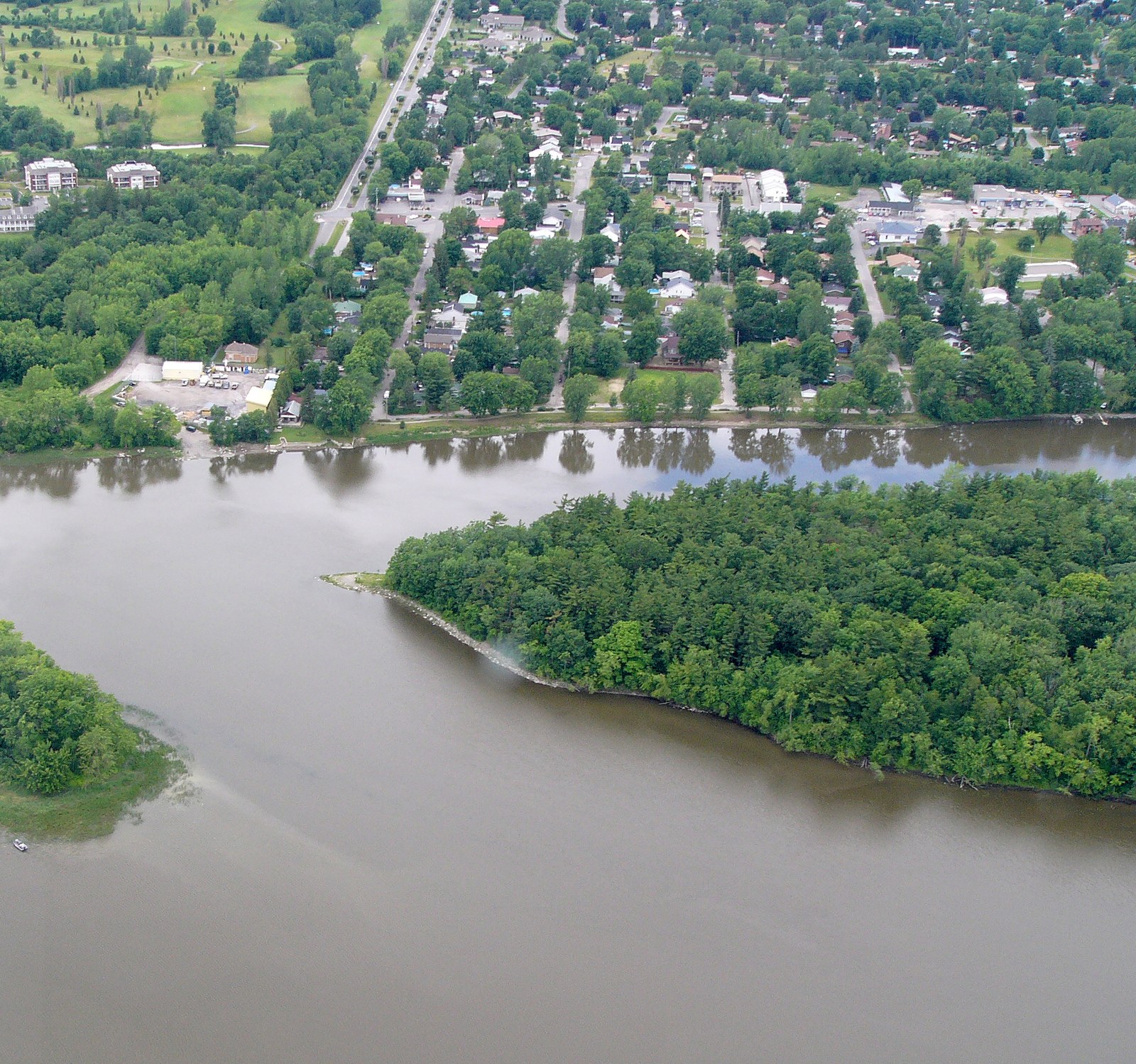
03 Aerial view of the Rivière des Mille Îles and the Îles Garth, in Bois-des-Filion
The water

The Rivière des Mille Îles, right below the hill

The town is built on a plateau overlooking the Rivière des Mille Îles. The Rivière aux Chiens crosses the territory and joins the larger river at the southern boundary, on the Bois-des-Filion side, where wooded islands like the Îles Garth break up the current. To launch a canoe or kayak, the Parc de la Rivière-des-Mille-Îles, in Sainte-Rose, is just a few minutes away by car.

Ask me about it: ask me how the area handles spring, when the river rises. The answer isn't the same everywhere on the North Shore.
04
The signature

Streets that speak of France

Boulevard De Gaulle, Boulevard de Nancy, Avenue de Metz, Boulevard de Montbéliard, Boulevard d'Orléans, Boulevard de Bourbonne: almost every street name comes from a town, village, or waterway in the French region of Lorraine. The town signed a friendship pact with Saint-Dié-des-Vosges in 1988, which became an official twinning in 1990, the same year it received the Prix international de l'Art de vivre. The FONDIA fountain, at the corner of Boulevard De Gaulle and Boulevard de Bourbonne, marks that distinction.

Ask me about it: ask me how buyers find their way around in a town with no major commercial strip. Once you understand the logic of the boulevards, everything gets simple.
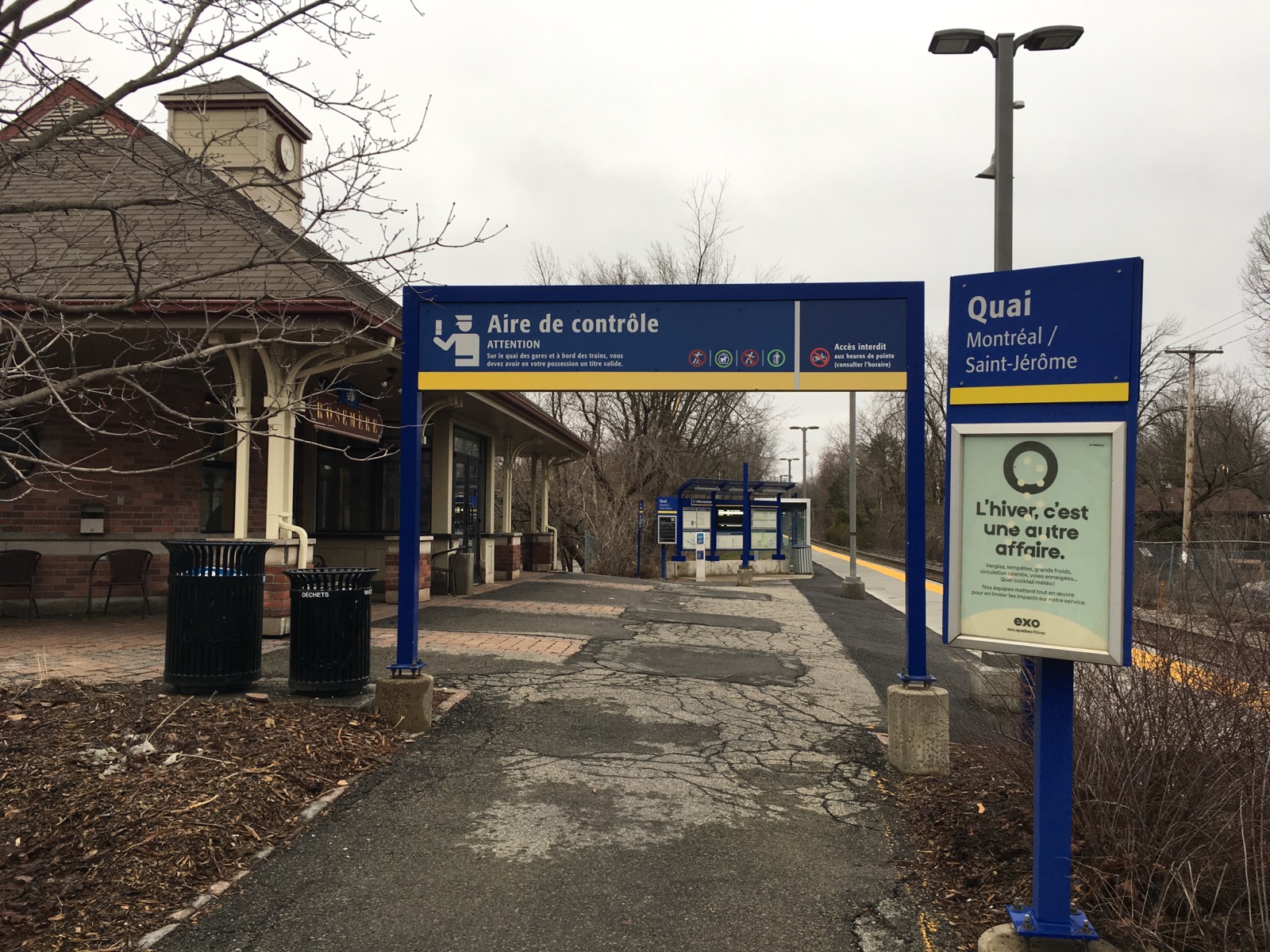
05 The platform at Gare de Rosemère, on the exo Saint-Jérôme train line
Transit

The Saint-Jérôme train, right next door

Lorraine doesn't have its own station, but the one in Rosemère is a few minutes away by car, on the exo Saint-Jérôme line that runs down to Gare Lucien-L'Allier, downtown, with connections to the metro at De La Concorde, Parc, and Vendôme stations. Gare de Sainte-Thérèse, the other neighbouring station, serves as a bus hub for the whole Laurentides area, and exo bus routes link Lorraine to Sainte-Thérèse, Terrebonne, and Gare de Rosemère.

Ask me about it: ask me how many minutes of walking or driving separate a given address from the station parking lot. For a couple working downtown, that changes everything.
06
Access

Highway 640 crosses the town, Highway 19 is coming

Highway 640 cuts Lorraine in two and gives its two halves their names: Lorraine-en-Haut to the north, Lorraine-en-Bas to the south. Heading west, it meets Highway 15 within minutes; heading east, it leads to Terrebonne and Highway 25. The big project around here is the extension of Highway 19 between Laval and Bois-des-Filion: close to twelve kilometres, a new bridge over the Rivière des Mille Îles, a reserved lane for public transit and carpooling, plus a multi-use path. It's set to open by the end of 2027.

Ask me about it: ask me what the Highway 19 extension could change for the area. That's exactly the kind of bet we evaluate together before you buy.
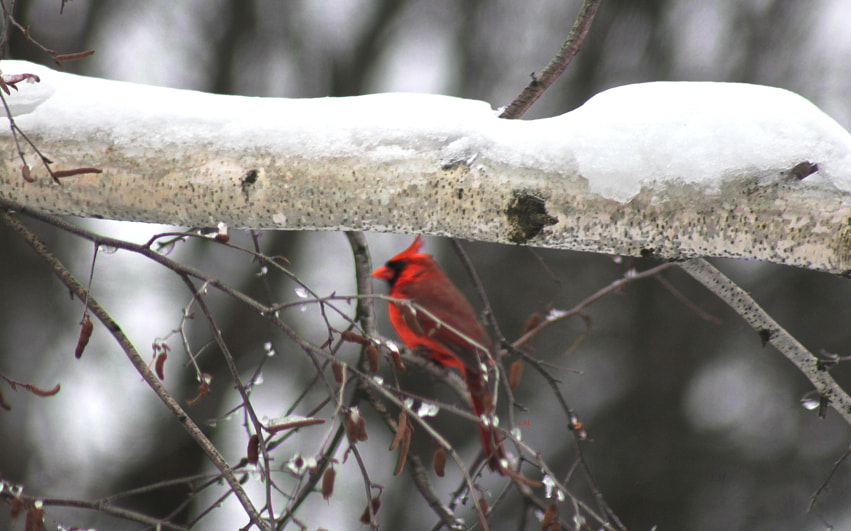
07 A red cardinal on a snowy branch, in a Lorraine garden
Local Life

Twenty-eight parks and plenty of birds

The town has 28 parks and green spaces, an arena on Boulevard De Gaulle, a municipal pool at Parc Albert-Clément, tennis and pickleball courts, a dog park, and outdoor skating rinks in winter. Two marked urban routes, one north and one south, let you walk or run a loop through the neighbourhoods. In winter, an agreement with the neighbouring golf course opens up cross-country skiing and snowshoeing trails.

Ask me about it: ask me which parks young families use the most. The answer varies a lot from one end of town to the other.
08
Heritage

The Garth estate, an 1833 town hall

The stone house you see at the top of this page, on the Grande-Côte, is the historic heart of Lorraine. It was built in 1833 on the Spring Valley farm, which the Garth family bought in 1879 and used for market gardening until 1957. The young town acquired the property in 1962 and turned it into its town hall. Council still meets there, the building hosts exhibitions, and the stone barn attached to it is one of the most imposing of its kind still standing in Quebec.

Ask me about it: ask me why an area's history helps you read its future. A town that protects its memory also protects its built environment.
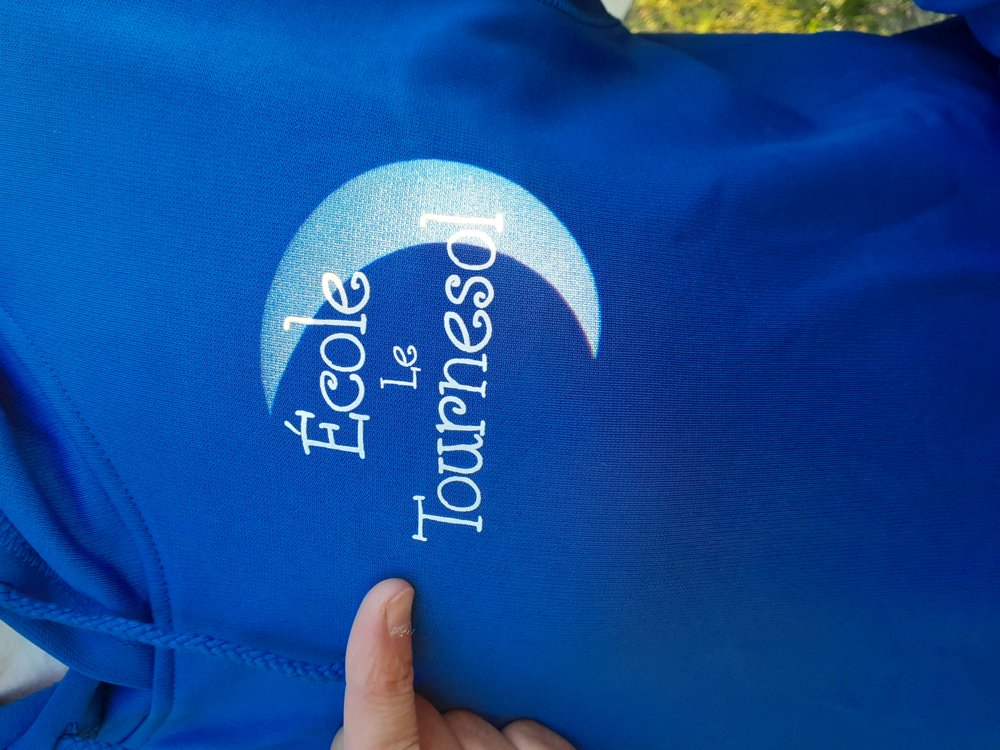
09 The crescent of the June 2021 eclipse projected onto a sweater at École Le Tournesol, in Lorraine
Family Life

Three elementary schools in town

Le Carrefour, Le Tournesol, and du Ruisselet, all three under the Centre de services scolaire des Mille-Îles, share the area's children. Le Tournesol builds its educational project around physical activity and offers an intensive English program. For high school, you leave town: Hubert-Maisonneuve in Rosemère, Rive-Nord in Bois-des-Filion, and Rosemere High School on the English side.

Ask me about it: ask me which school catchment area serves a specific address. Boundaries shift, and it's worth checking before you sign an offer to purchase.
10
Everyday life

One commercial hub, and that's on purpose

Place Lorraine, near the Highway 640 exit, holds pretty much all of the town's commerce: grocery store, pharmacy, medical clinic, an SAQ branch, and a few shops. For everything else, you head down to Rosemère or over to Sainte-Thérèse and Blainville. Cultural life runs through the Centre culturel Laurent-G. Belley, on Boulevard de Montbéliard, where Les Chanteurs de Lorraine rehearse and perform, and through the municipal library. Every June, the Fête nationale brings almost everyone out to the same spot.

Ask me about it: ask me whether this lifestyle would really suit you. Some buyers love the quiet, others miss having a café on the corner.
Let's talk

Thinking about buying or selling in Lorraine? Let's start with a conversation.

A free evaluation of your property, a picture of the local market, or simply answers to your questions. No strings attached, and a straight answer.

Start my real estate project

Photo credits