← Back to the North Shore map
Area · City of Mirabel, Basses-Laurentides

Mirabel

Thirteen villages under one name, fields stretching to the end of the road, and an aerocity giving thousands of people work. Here's my top 10, the neighbour's version, not the brochure's.

Let's talk about this area

Mirabel is a place you need to understand before you shop it. At 486 square kilometres, it's the largest municipality by area in the Montreal metropolitan region, and yet it counts barely more than 68,000 people. The reason is simple: 87% of the territory is agricultural zone. So what people call "Mirabel" isn't one neighbourhood, it's a mosaic of thirteen areas that each have their own church, library and way of life.

From my home base in Verdun, I regularly head up into the Basses-Laurentides for clients looking for a bigger lot without leaving the broader region. Mirabel comes up often in conversation, because you can still find quiet country roads fifteen minutes from a commuter train station.

I put this top 10 together for a simple reason: when you buy or sell, you're not just shopping for a property, you're shopping for a neighbourhood life. Every point comes with an opening for a conversation. Use it.

Maxime Laforest, residential and commercial real estate broker · Équipe Loiselle, RE/MAX Dynamique

The area's top 10

What makes the heart of Mirabel beat.

Ten reasons buyers head up to the Basses-Laurentides, and why the ones who get here don't leave.

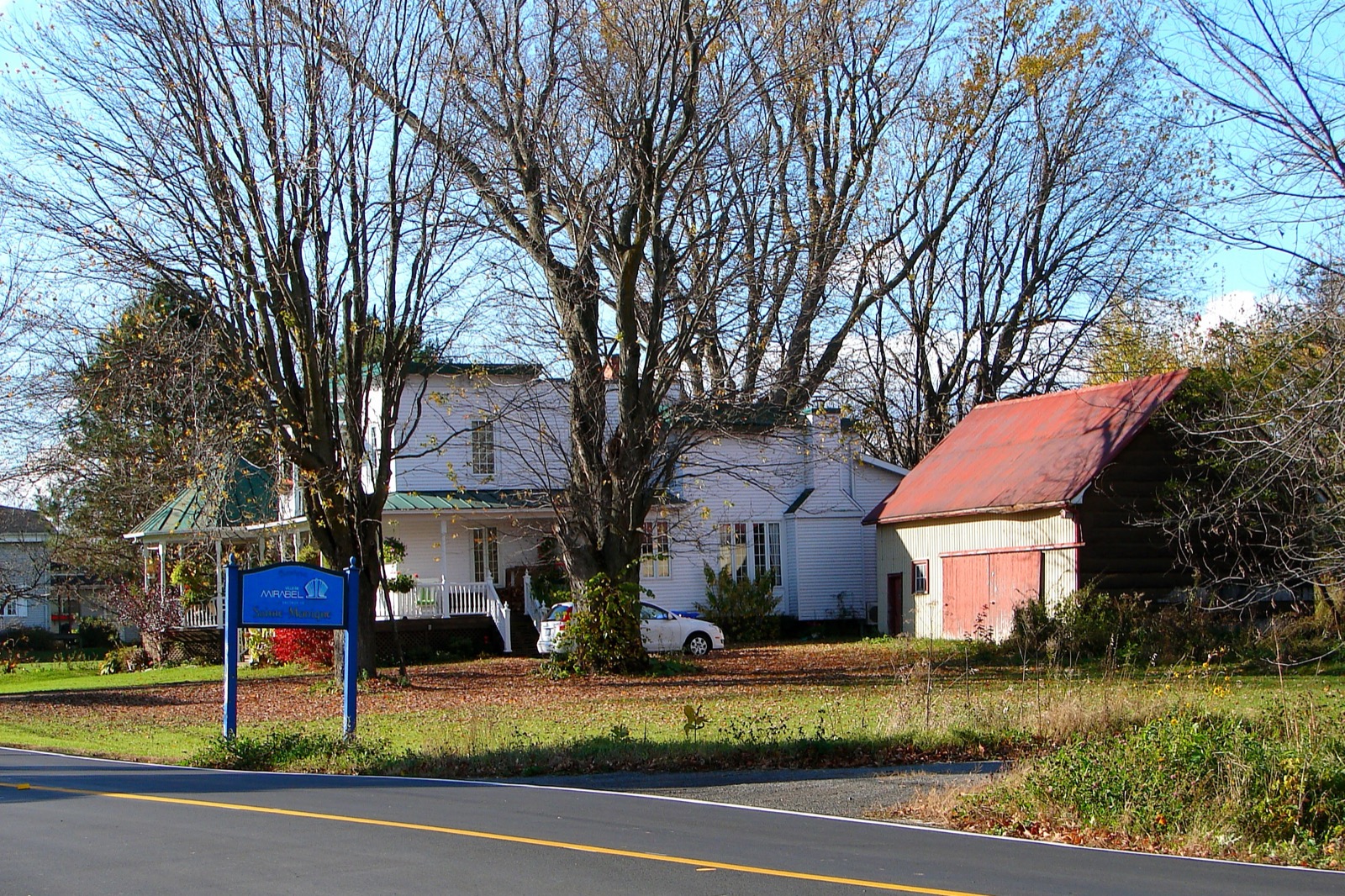
01 Ancestral house and red barn in the Sainte-Monique area, Mirabel
The neighbourhoods

Thirteen villages under one name

The city was born on January 1, 1971 from the merger of about a dozen municipalities, under the name Sainte-Scholastique, before becoming Mirabel in 1973. The old villages stayed: Saint-Janvier, Saint-Augustin, Saint-Canut, Saint-Benoît, Sainte-Scholastique, Sainte-Monique, Saint-Hermas, Saint-Antoine, Saint-Jérusalem, Petit-Saint-Charles, Mirabel-en-Haut, Domaine-Vert Nord and Domaine-Vert Sud. Saying "I live in Mirabel" doesn't really mean much here, people introduce themselves by their area.

Ask me about it: ask me which of the thirteen areas really fits your project. It's the first question to settle, even before looking at properties.
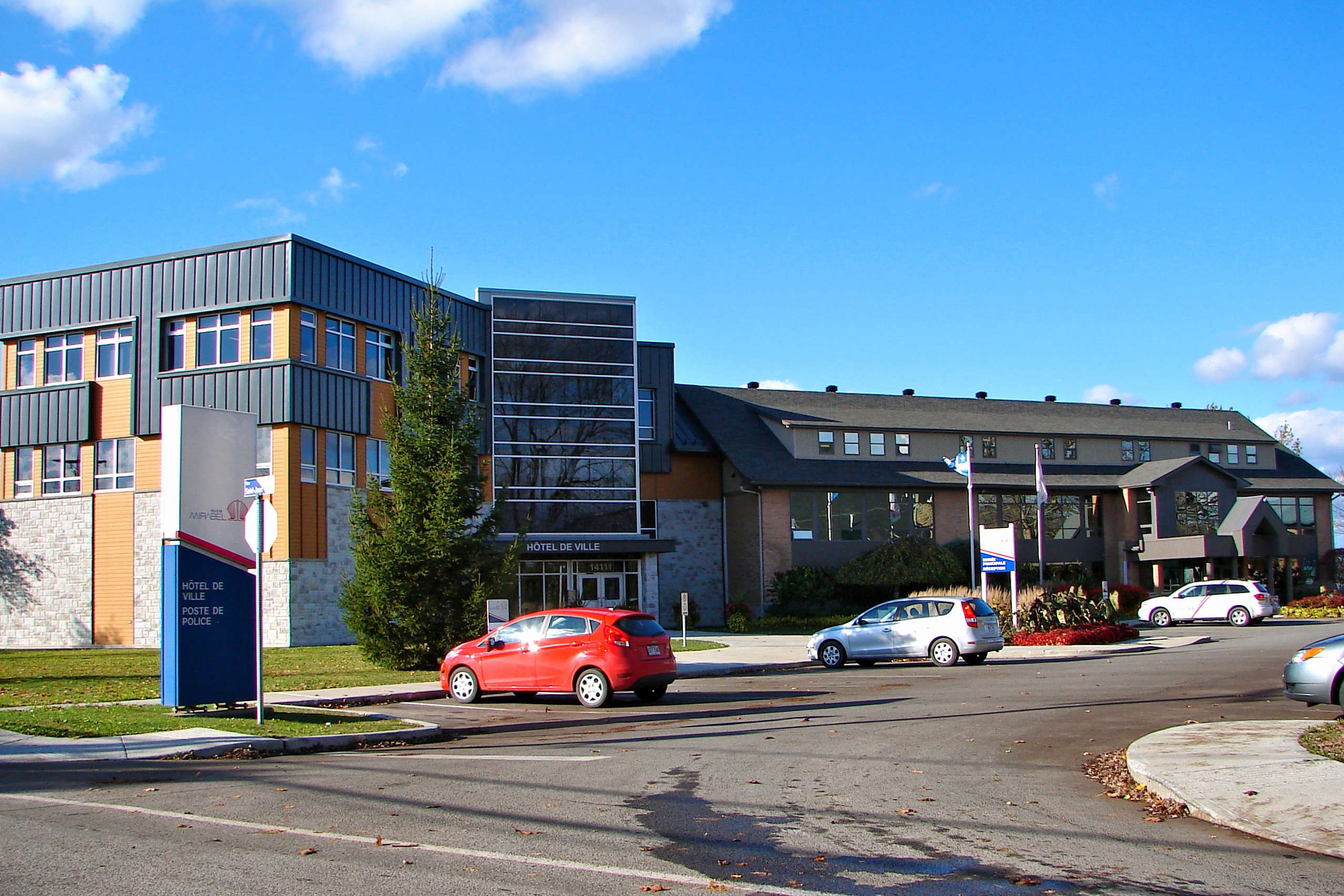
02 Mirabel city hall and police station, in the Saint-Janvier area
The urban core

Saint-Janvier, where everything gets done

This is the most urban area and the densest in services: city hall and the police station, the sports complex, the shops on boulevard Curé-Labelle and the train station. You'll find as many 1970s bungalows as recent condo projects. When a client wants walkable services and a highway entrance two minutes away, this is where I start.

Ask me about it: ask me what's being built around the Saint-Janvier core right now. It moves faster than the city's reputation suggests.
03
Family life

Domaine-Vert, Mirabel-en-Haut and Saint-Canut

This is where the city is growing. Domaine-Vert Nord and Sud line up planned developments near Highway 15, with schools, parks and bike paths built into the plan. Mirabel-en-Haut, further up toward Saint-Jérôme, banks on big lots and recent builds. Saint-Canut, to the northeast, keeps its country character while its residential streets stretch a little further every year. The average age in the city is 37, and it shows in the backyards.

Ask me about it: ask me the real difference between buying in a brand-new development and buying a 1990s house three streets over. It's not just a matter of finishes.
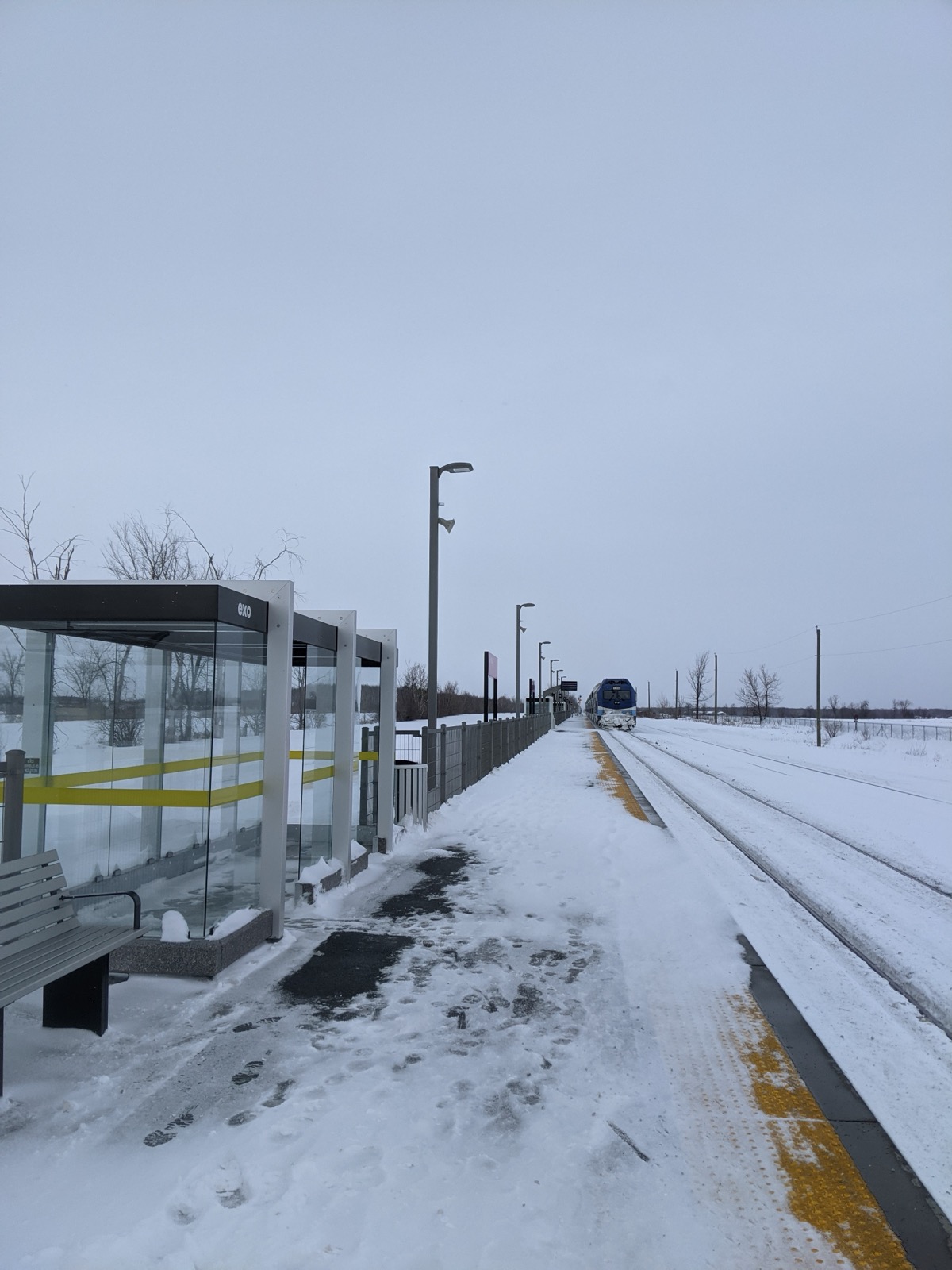
04 A commuter train arrives at gare Mirabel, on the exo Saint-Jérôme line
Transit

Gare Mirabel and the ligne Saint-Jérôme

Put into service on January 4, 2021 on rue Victor, in Saint-Janvier, gare Mirabel gave the city its first access to commuter rail. It sits on exo's ligne Saint-Jérôme, which runs to Laval and downtown Montreal, with a 333-spot park-and-ride, four charging stations and a bike shelter. The exo 9 bus also crosses Saint-Janvier between Saint-Jérôme and the Montmorency metro station, in Laval.

Ask me about it: ask me which streets are actually within walking distance of the station. It's an argument I bring up often during showings, and there are fewer of them than you'd think.
05
Access

Four highways and 480 km of streets

Highways 15, 13, 640 and 50 serve the territory, rounded out by routes 117, 148 and 158. Highway 15 is the backbone: it links Domaine-Vert and Saint-Janvier to Laval and Montreal, and heads up to the Laurentians for the cottage. Highway 50 opens toward Lachute and the Outaouais, and Highway 640 runs to Terrebonne and Repentigny. The city maintains 480 kilometres of municipal roads, which gives you an idea of how large the territory is.

Ask me about it: ask me how long it really takes from the area you're interested in to your workplace, at rush hour. The answer often changes a decision.
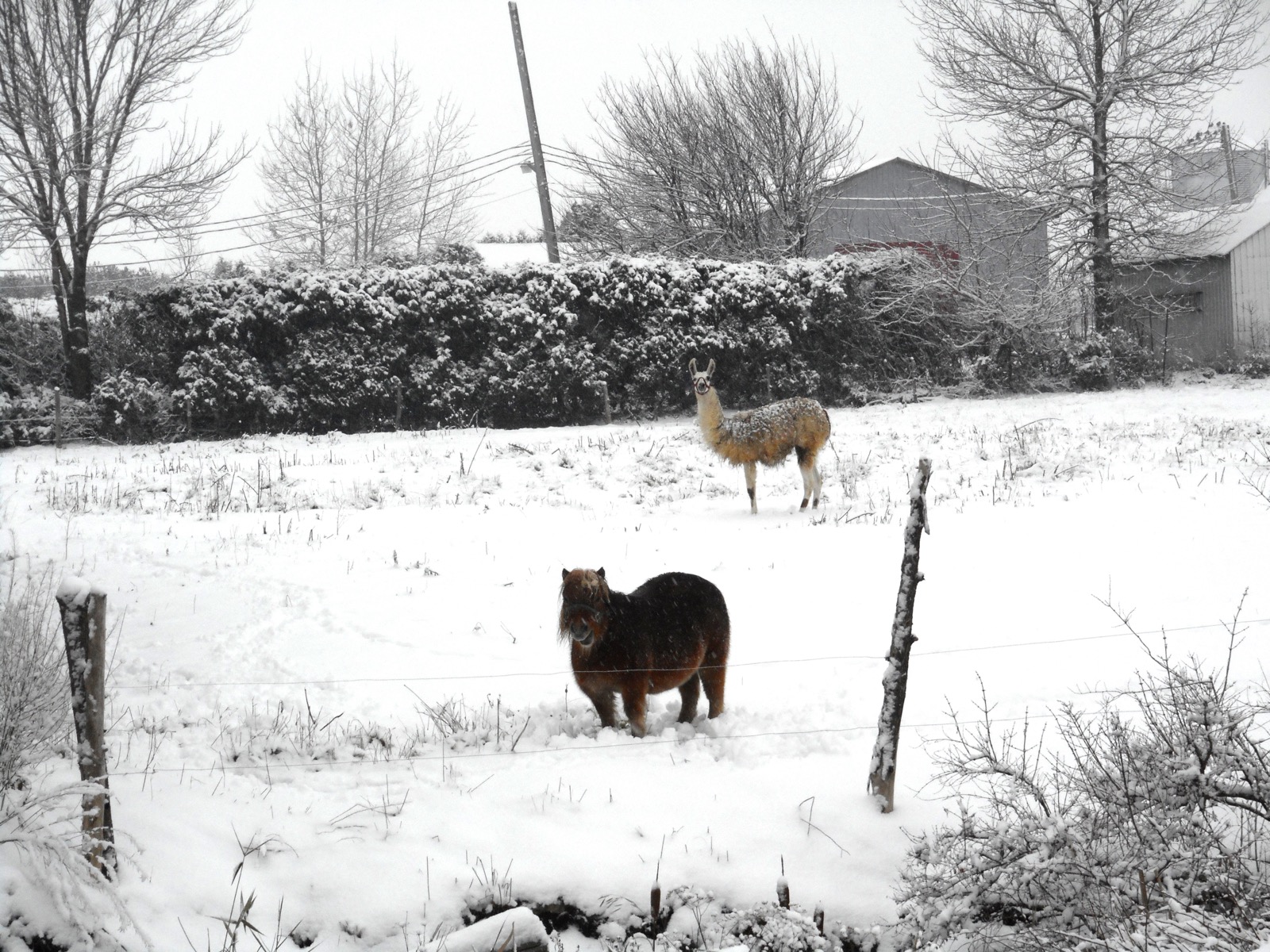
06 A pony and a llama in a snowy field along chemin Victor, in Mirabel
Nature

The countryside starts at the end of the street

There are more than 300 farms in the territory, and agriculture takes up 87% of the area. In practical terms, that means cows, horses and cornfields a few minutes from residential developments, sugar shacks and honey farms open to the public, and a horizon that never closes in. Some clients love it, others discover that a country road comes with machinery noise in spring and fall.

Ask me about it: ask me what agricultural zoning changes for a buyer. The subdivision and construction rules aren't the same as in a white zone.
07
Outdoors

Parc du Domaine Vert

Managed jointly with Blainville and Boisbriand, this large wooded area off montée Sainte-Marianne is everyone's playground around here. In summer: hiking trails, a mountain biking network, a pool and water play area, a picnic area, day camps and the Arbre Mirabel treetop course. In winter: cross-country skiing, snowshoeing, fatbiking, a skating rink and a sliding hill, with equipment rental on site. The city has more than a hundred parks and green spaces in total.

Ask me about it: ask me which areas give you access to the Domaine Vert without taking the car. Those addresses move fast with families.
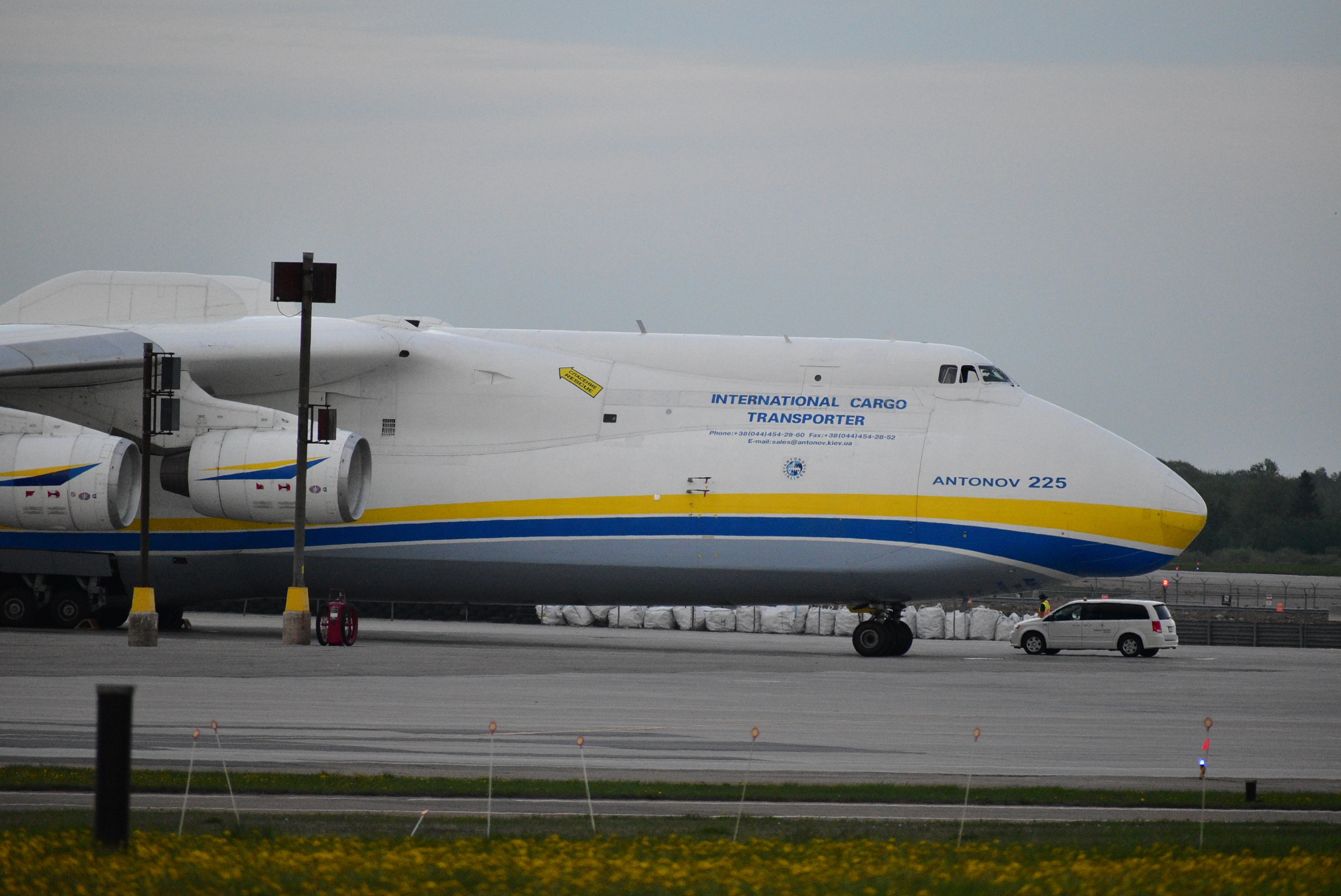
08 A giant cargo plane parked on the tarmac at Mirabel airport
Economy

The YMX aerocity, the local factory

Mirabel airport hasn't handled passenger flights since 2004, but it has never been busier: two 12,000-foot runways open around the clock, air freight, and an aerospace hub where Airbus assembles the A220, where Bell Textron builds helicopters, and where Safran, Sonaca and Pratt & Whitney Canada also work. In May 2024, Quebec designated an aerospace innovation zone there called Espace Aéro, shared with Longueuil and Montreal. With five industrial parks, the city counts more than 25,000 jobs on its territory.

Ask me about it: ask me what it means to buy in a city where people work, instead of a bedroom community. It affects rental demand and resale.
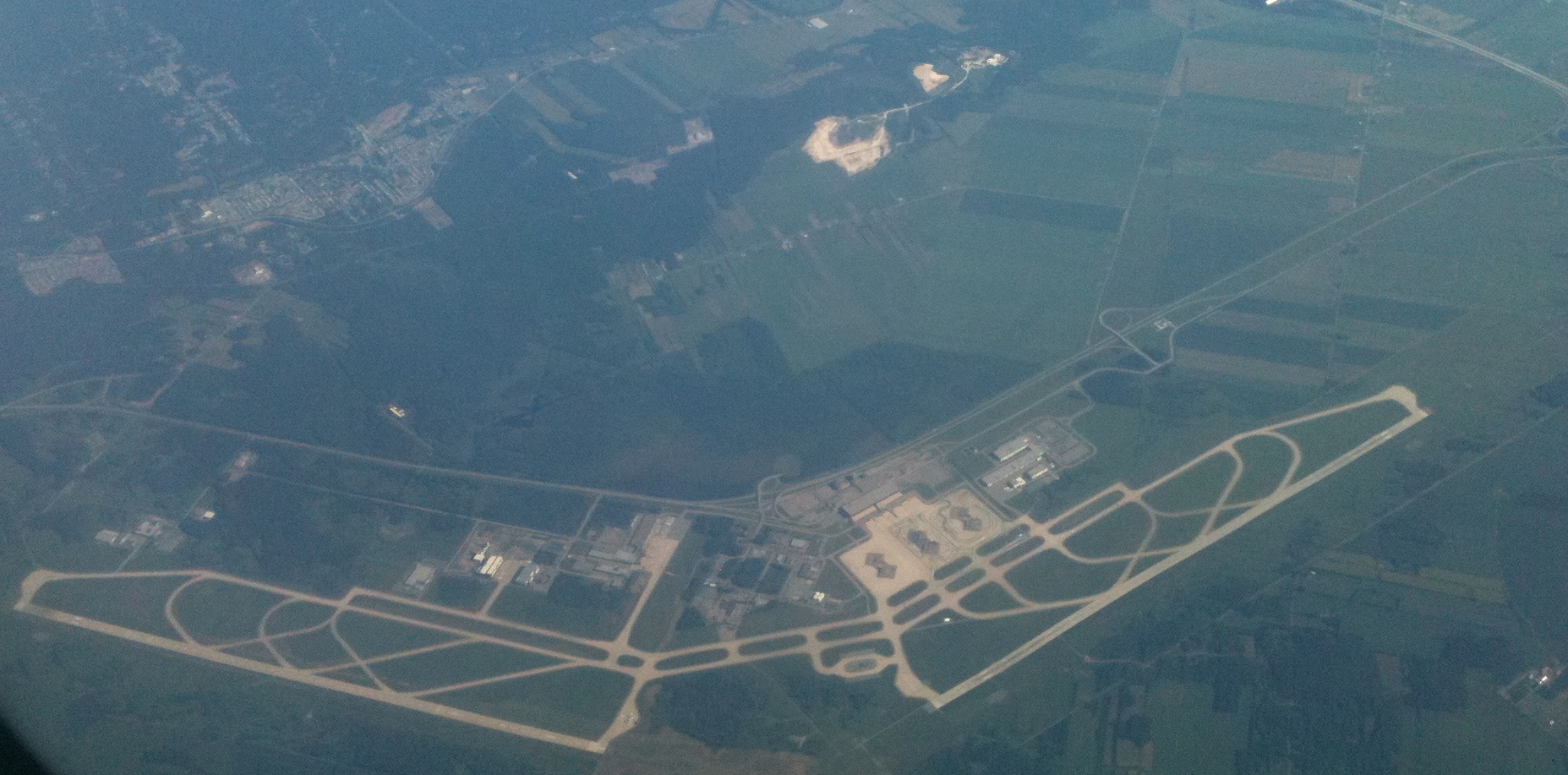
09 Aerial view of the Mirabel airport runways and the farmland around them
History

1969, the great expropriation and the land's return

To build the airport, Ottawa expropriated more than 39,000 hectares in 1969, the largest operation of its kind in the country. Thousands of people lost their farm or their home, and the airport inaugurated in 1975 never lived up to its promises. The unused land has since been handed back, often to the original farming families. That wound is still part of Mirabel's identity, and it's worth knowing to understand the city you're visiting.

Ask me about it: ask me why certain parcels have a particular title history in that area. It's worth checking before you sign.
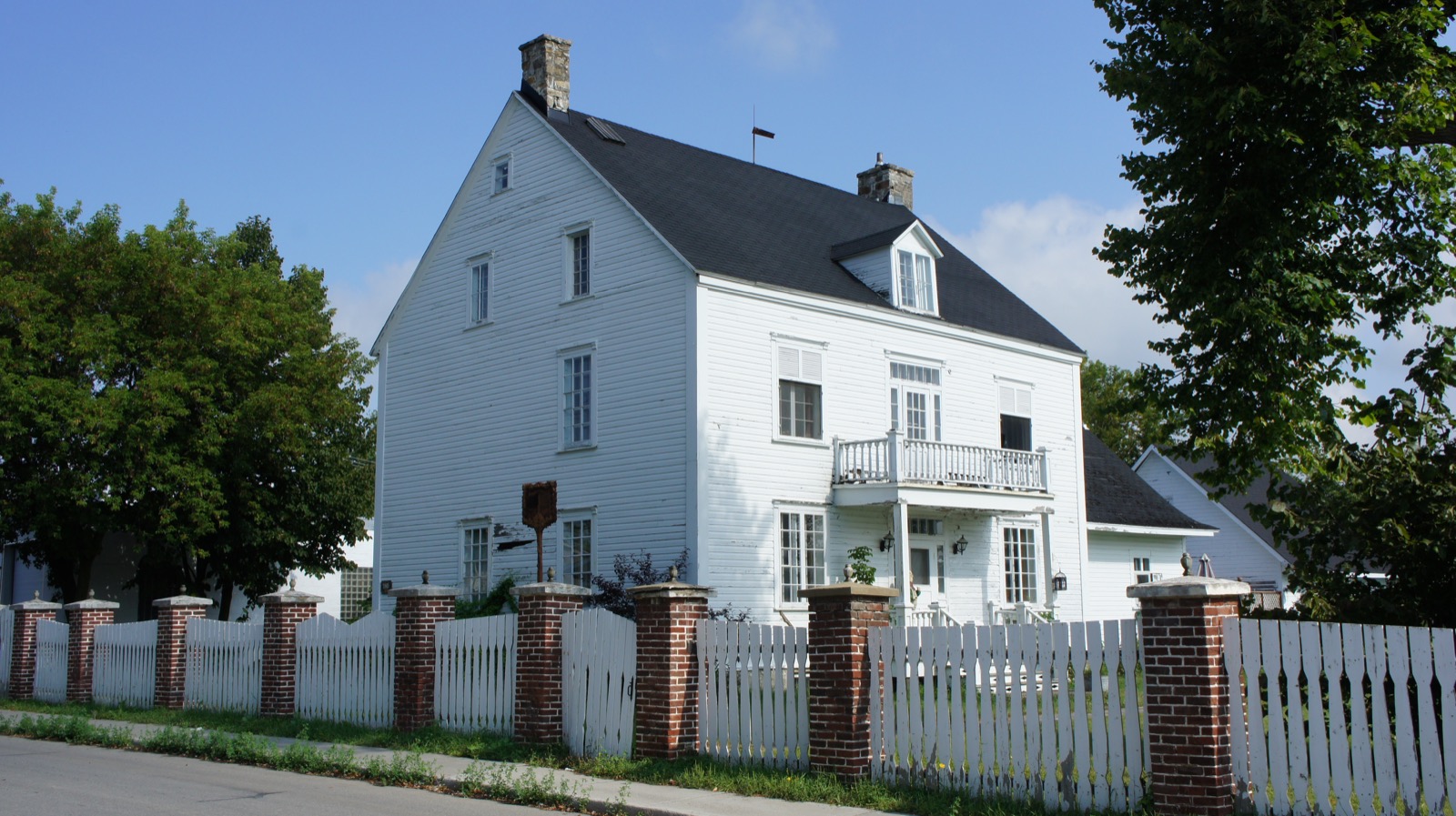
10 The Jean-Joseph-Girouard house, rue Saint-Jean-Baptiste, in the village of Saint-Benoît, Mirabel
Heritage

Saint-Benoît, patriote village

In the winter of 1837, Saint-Benoît was a hotbed of the Patriote resistance north of Montreal. The village was looted and burned after the Battle of Saint-Eustache, church included, then rebuilt in the 1850s. The house of notary and Patriote Jean-Joseph Girouard, built around 1840 on rue Saint-Jean-Baptiste, is still standing. A few minutes away, in Sainte-Scholastique, the stone manor of the Domaine de Belle-Rivière, raised by the Sulpicians in 1804 and classified as heritage in 1963, today houses a training centre of the Cégep de Saint-Jérôme.

Ask me about it: ask me what it means to buy an ancestral home in a protected village core. The charm comes with rules.
Let's talk

Thinking about buying or selling in Mirabel? Let's start with a conversation.

A free evaluation of your property, a picture of the local market, or simply answers to your questions. No strings attached, and a straight answer.

Start my real estate project

Photo credits