← Back to the island map
Area · Montréal-Est, a linked city on the island of Montreal

Montréal-Est

A small independent town, a tight-knit core built around Broadway, and the island's biggest industrial transformation on the horizon. Here's my top 7, neighbour's view, not brochure view.

Let's talk about this area

Montréal-Est isn't a borough: it's a linked city in its own right, with its own town council, a village-sized scale and an industrial past it wears with pride, once the country's leading refining hub. Today, its roughly 4,400 residents live in a tight-knit core between Broadway and Notre-Dame, while the island's biggest industrial transformation takes shape around it.

I put this top 7 together for a simple reason: when you buy or sell, you're not just shopping for a property, you're shopping for a neighbourhood life. Each point comes with an opening for a conversation, so use it.

Maxime Laforest, real estate broker · Équipe Loiselle, RE/MAX Dynamique

The area's top 7

What makes Montréal-Est's heart beat.

Seven reasons buyers fall in love with the area, and why the ones who live here never leave.

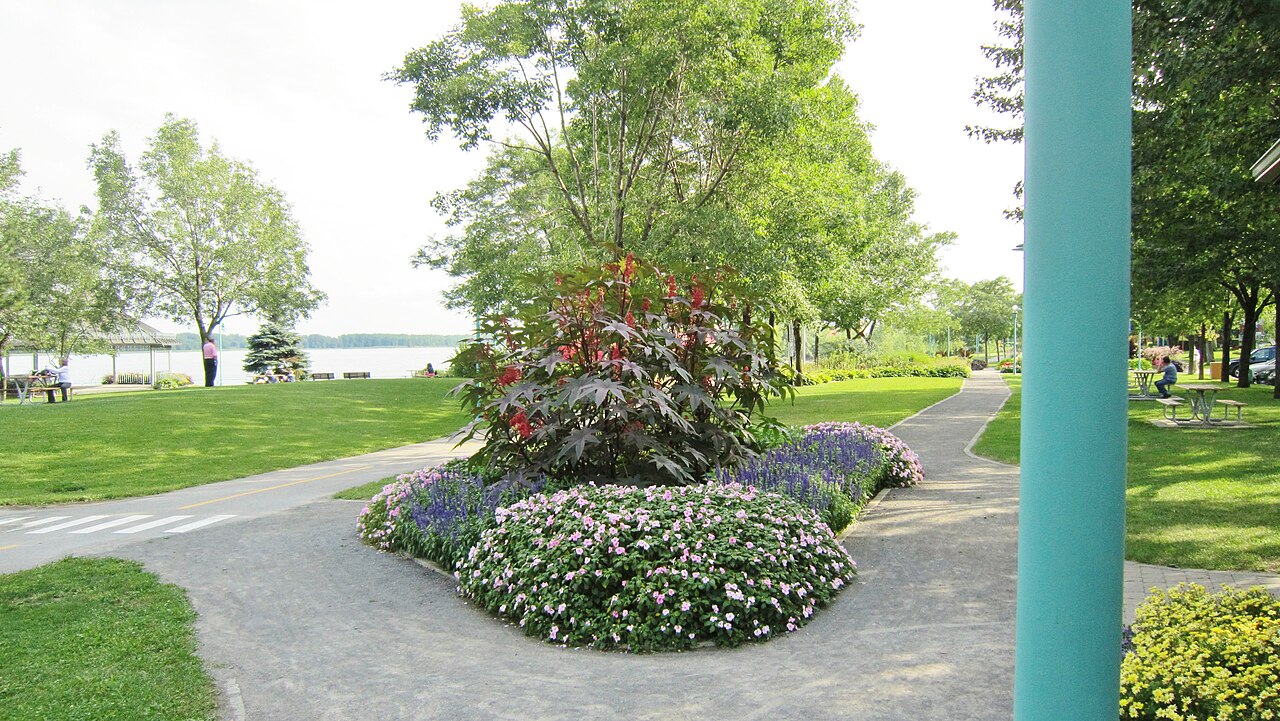
01 A flower-lined promenade along the St. Lawrence River, facing the Boucherville islands, at Montréal-Est's town hall park
History

A garden city born in 1910

Founded on June 4, 1910 by businessman Joseph Versailles on the garden city model, with parks, sidewalks, sewers and electric lighting planned in from the start, Montréal-Est became an independent town again in 2006, with its own town council and mayor. More than a century of municipal history, and a local pride that's very much alive.

Ask me about it, and I'll tell you why the town hall had to be entirely rebuilt after 1988. The story involves an earthquake, and very few people know it.
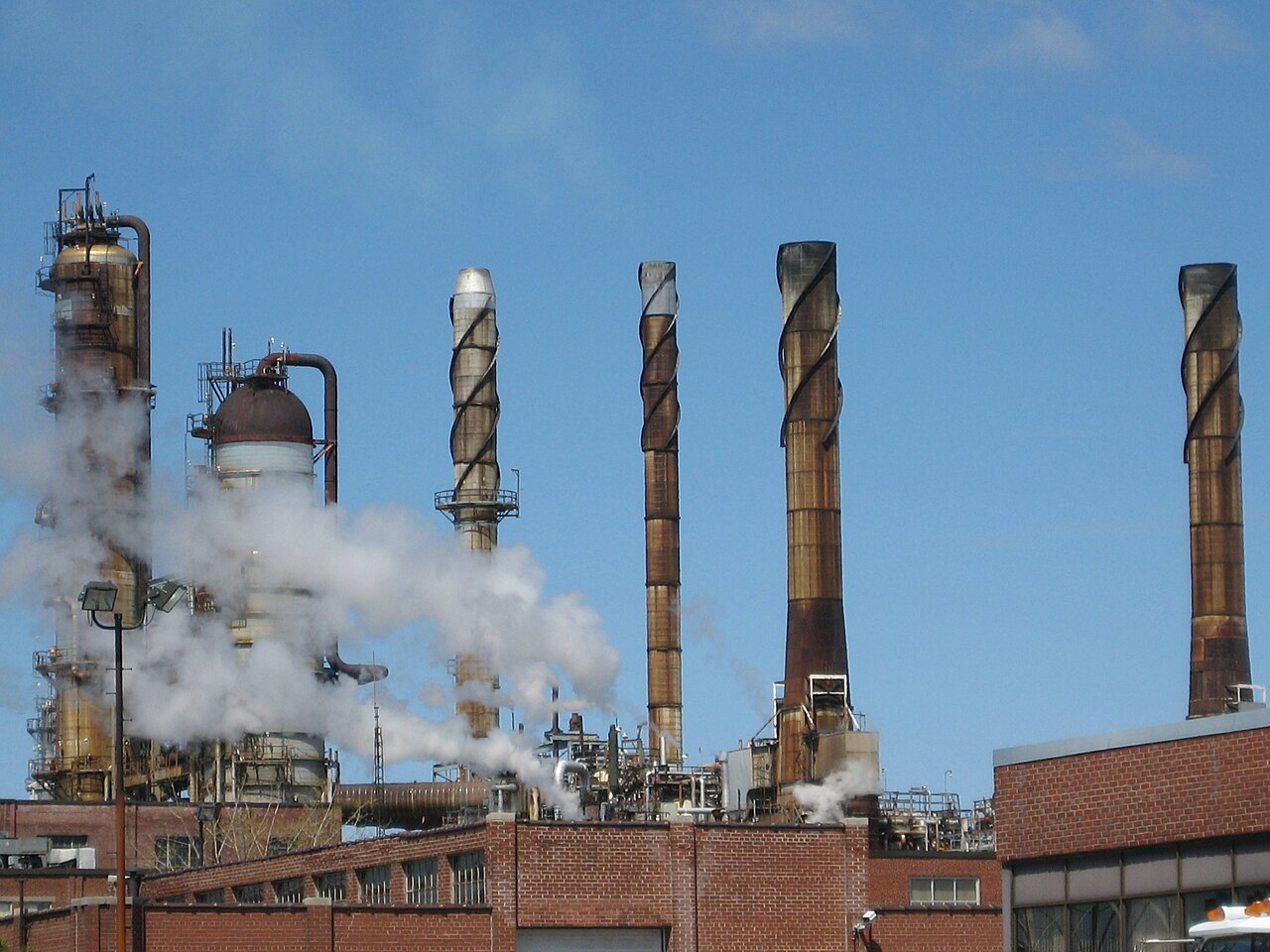
02 Facilities of the former Shell refinery in Montréal-Est, which stopped refining in 2010
The transformation

Vision 2050: 23 million sq. ft. to reinvent

The town unveiled its Vision 2050 plan in January 2025: repurposing about 23 million sq. ft. of former industrial brownfields, including the ex-Shell and ex-Esso sites, into a logistics hub, an innovation zone and green corridors, over a roughly thirty-year horizon. Private investors already believe in it: Broccolini paid $56.8 million for 2.5 million sq. ft. in 2021.

Ask me about it, and I'll tell you what these announced plans could mean for the value of the residential core, and why patience is the watchword on a file like this one.
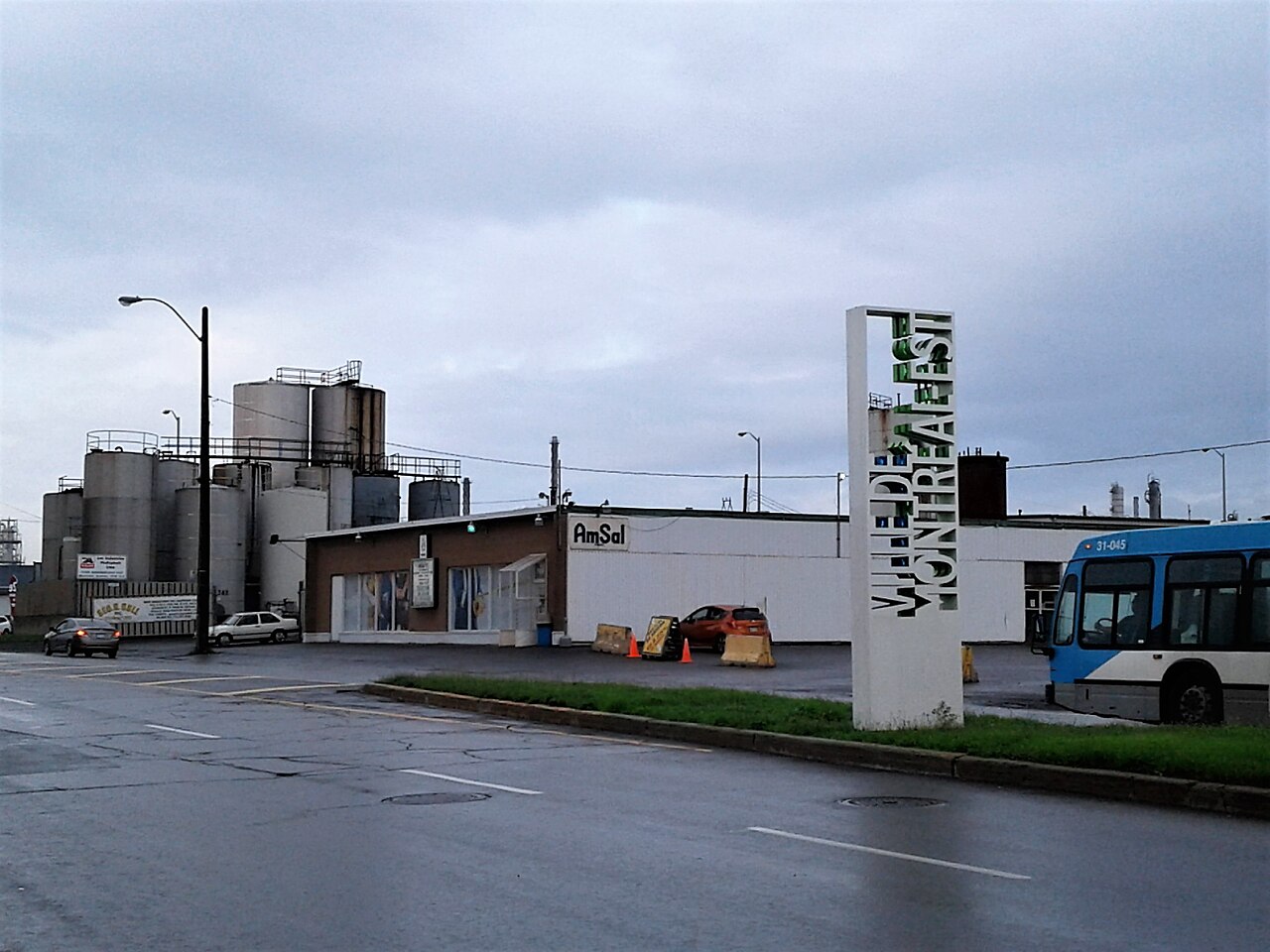
03 Entrance sign for the Town of Montréal-Est with an STM bus
Transit

The blue line is digging eastward

The blue line extension is a real construction project: the tunnel boring machine has been digging since May 2026, with an opening planned for 2031 and a terminus in Anjou just minutes from Montréal-Est. In the meantime, the nearby exo Pointe-aux-Trembles station (Mascouche line) offers about 360 park-and-ride spots and runs straight to Central Station.

Ask me about it, and I'll tell you where the tramway from the Projet structurant de l'Est would run along Sherbrooke. It's still at the planning stage, but it's a file I follow closely for my clients in the east end.
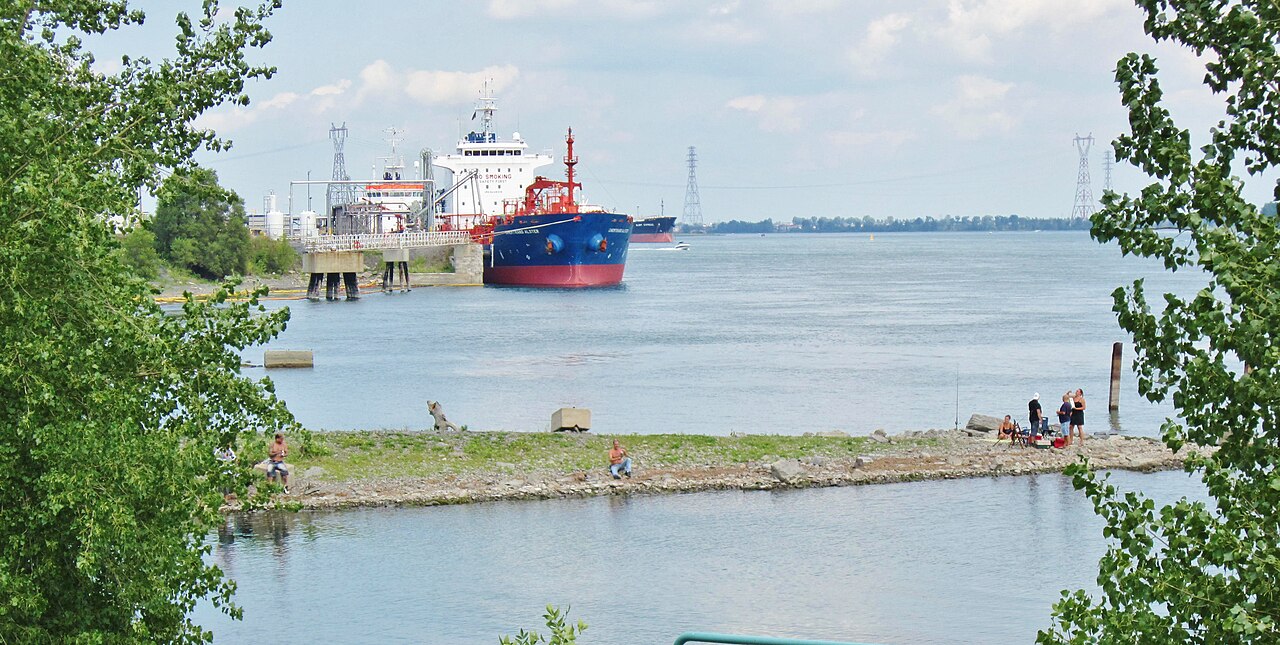
04 Anglers and picnickers on the St. Lawrence shoreline in Montréal-Est, with a ship at port
Nature

The river, the islands, and a free summer shuttle

Right at the town's edge, Promenade-Bellerive park stretches 2.2 km of landscaped shoreline along the St. Lawrence. In summer, a free river shuttle crosses in about thirty minutes to Boucherville and its islands, turning the national park into a weekend backyard.

Ask me about it, and I'll tell you where the shuttle leaves from and which stretches of shore the regulars save for their picnics. Watching the ships go by here is the daily show.
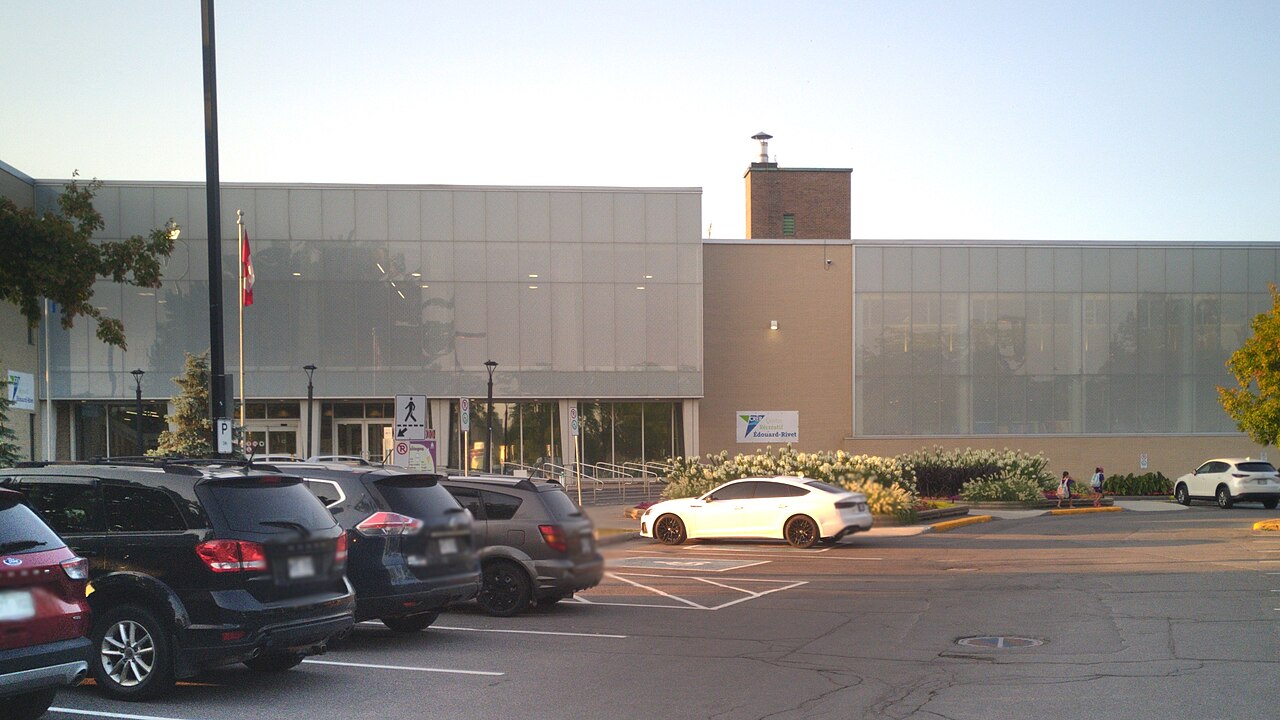
05 The entrance building of the Édouard-Rivet Recreation Centre in Montréal-Est
Family life

Big-city amenities for 4,400 residents

Ten municipal parks, splash pads, an outdoor pool, a dog park, and the Édouard-Rivet Recreation Centre with its indoor pool, gym and the Ralph-Buchanan arena. At Saint-Octave school, right in the heart of the residential core, the town even opened its first park-school in September 2025.

Ask me about it, and I'll tell you what daily life looks like for a family in the Broadway-Notre-Dame core. When the school, the pool and the arena are all within walking distance, it changes everything.
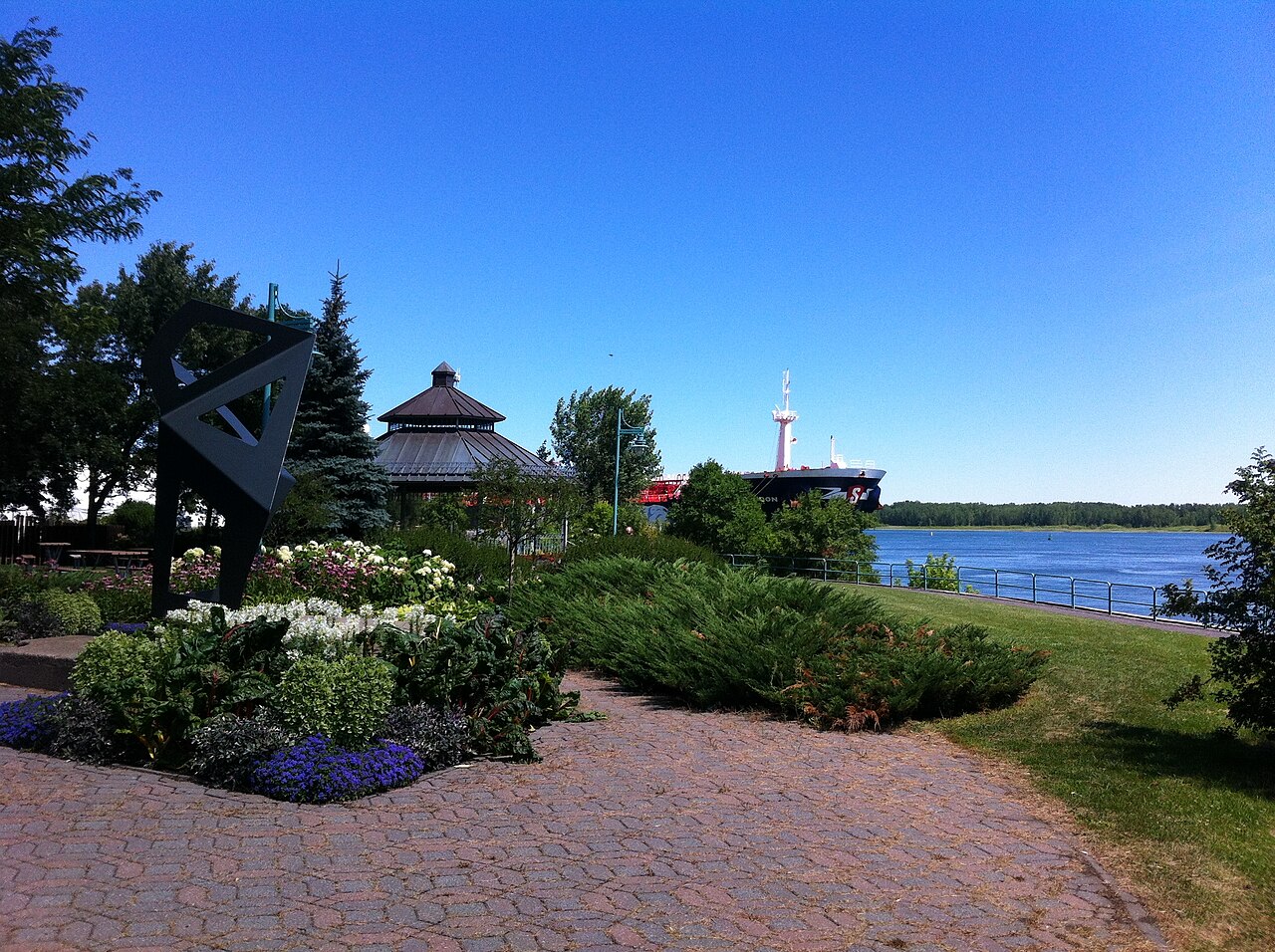
06 The flower-lined gazebo at René-Labrosse park, at the foot of Broadway Avenue, with a view of the river
Neighbourhood life

Broadway, the human-scale avenue

Broadway Avenue, known as "Place de l'Église" until 1993, is the signature artery of the residential core. The Broadway Project redid its underground infrastructure in 2020 and gave it a new visual identity and a bike path; Vision 2050 allows gentle densification here, up to six storeys.

Ask me about it, and I'll tell you where the bells from the former Saint-Octave church ended up. It's a piece of local memory that even some residents have lost track of.
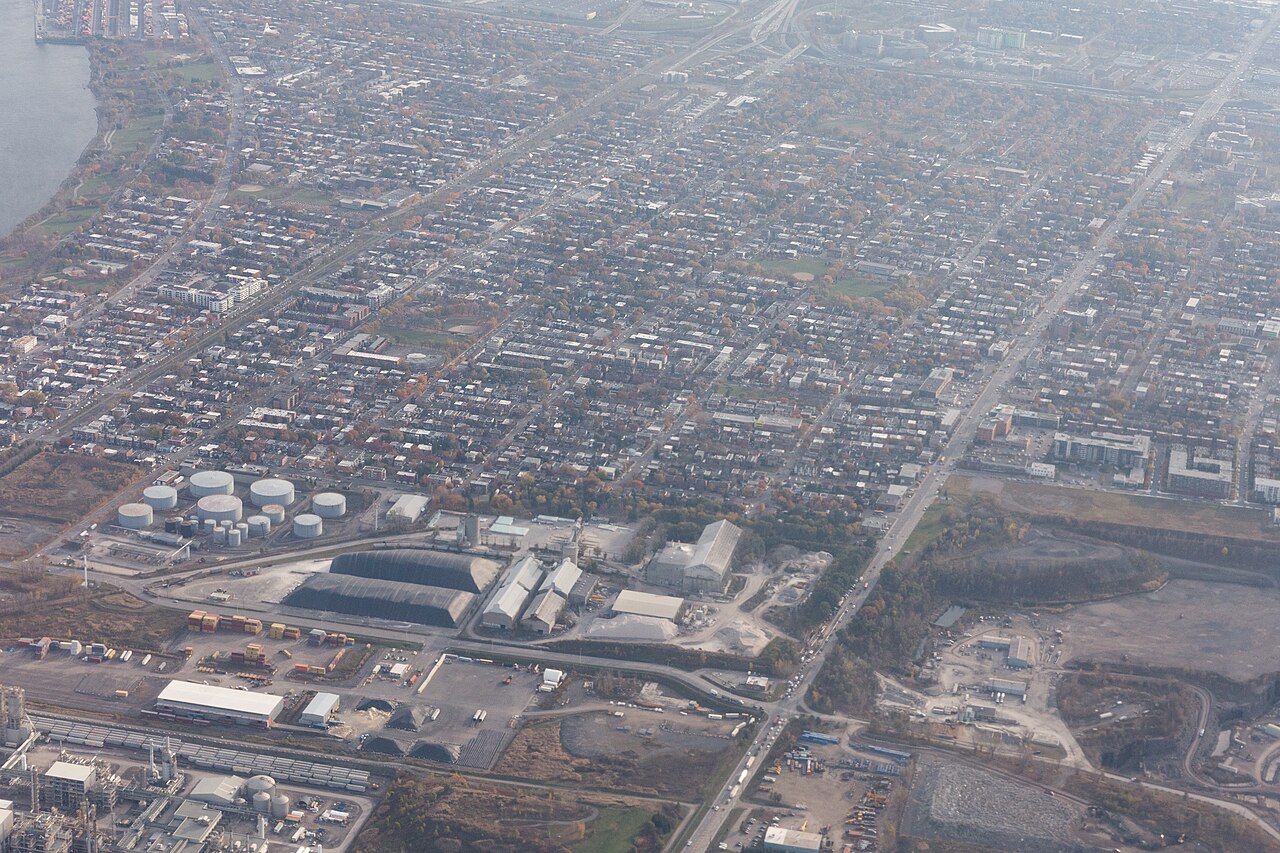
07 Aerial view of the residential neighbourhoods and industrial fringe of Montréal-Est
The safe bet

Small town, big growth

4,394 residents at the 2021 census, up 14.1% since 2016, one of the strongest growth rates on the island, packed into just 12.15 km². The Broadway-Notre-Dame core lines up duplexes, small plexes and modest single-family homes, with new condo builds such as the M Montréal-Est complex.

Ask me about it, and I'll tell you what the industrial neighbour actually changes, both at purchase and at resale. It's THE question to ask, and I'll give you a straight answer.
Let's talk

Thinking about buying or selling in Montréal-Est? Let's start with a conversation.

A free evaluation of your property, a picture of the local market, or simply answers to your questions. No strings attached, and a straight answer.

Start my real estate project

Photo credits