← Back to the island map
Area · Borough of Outremont

Outremont

"Beyond the mountain": a former village dating to 1875, tree-lined avenues and a neighbourhood life you live on foot. Here's my top 10, neighbour's view, not brochure view.

Let's talk about this area

Outremont is literally the neighbourhood "beyond the mountain": a village founded in 1875 that stayed an independent town until 2002, and never lost its village instincts, with well-regarded schools like Collège Stanislas, shopping avenues where everyone runs into each other, and enough history to have seen Pierre Elliott Trudeau born here in 1919. As a broker, I put it among the areas where neighbourhood life sells just as much as the property itself.

I put this top 10 together for a simple reason: when you buy or sell, you're not just shopping for a property, you're shopping for a neighbourhood life. Each point comes with an opening for a conversation, so use it.

Maxime Laforest, real estate broker · Équipe Loiselle, RE/MAX Dynamique

The area's top 10

What makes Outremont's heart beat.

Ten reasons buyers fall in love with the area, and why the ones who live here never leave.

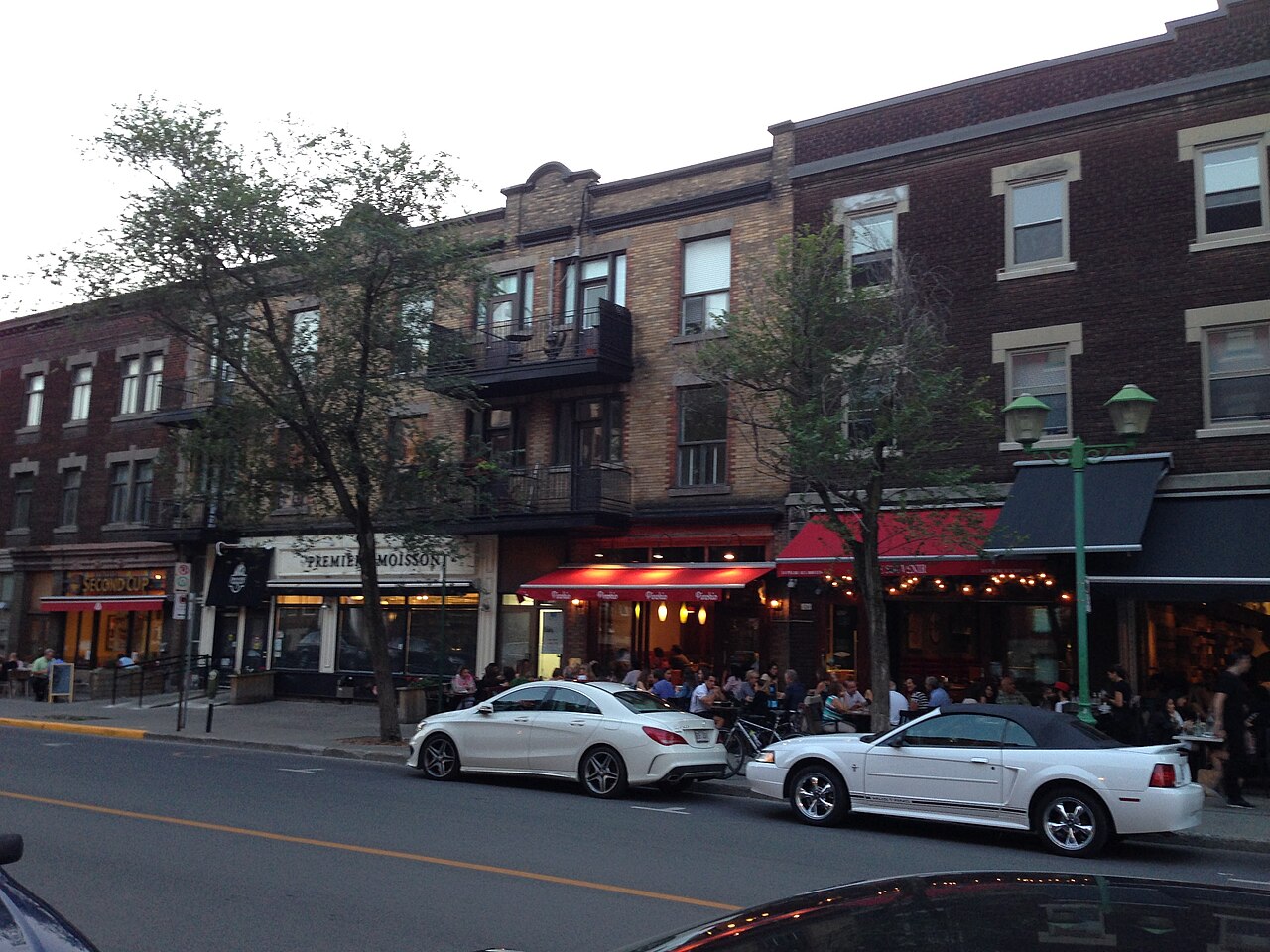
01 Lively café patios and restaurants in the evening on Bernard Avenue, in Outremont
The icon

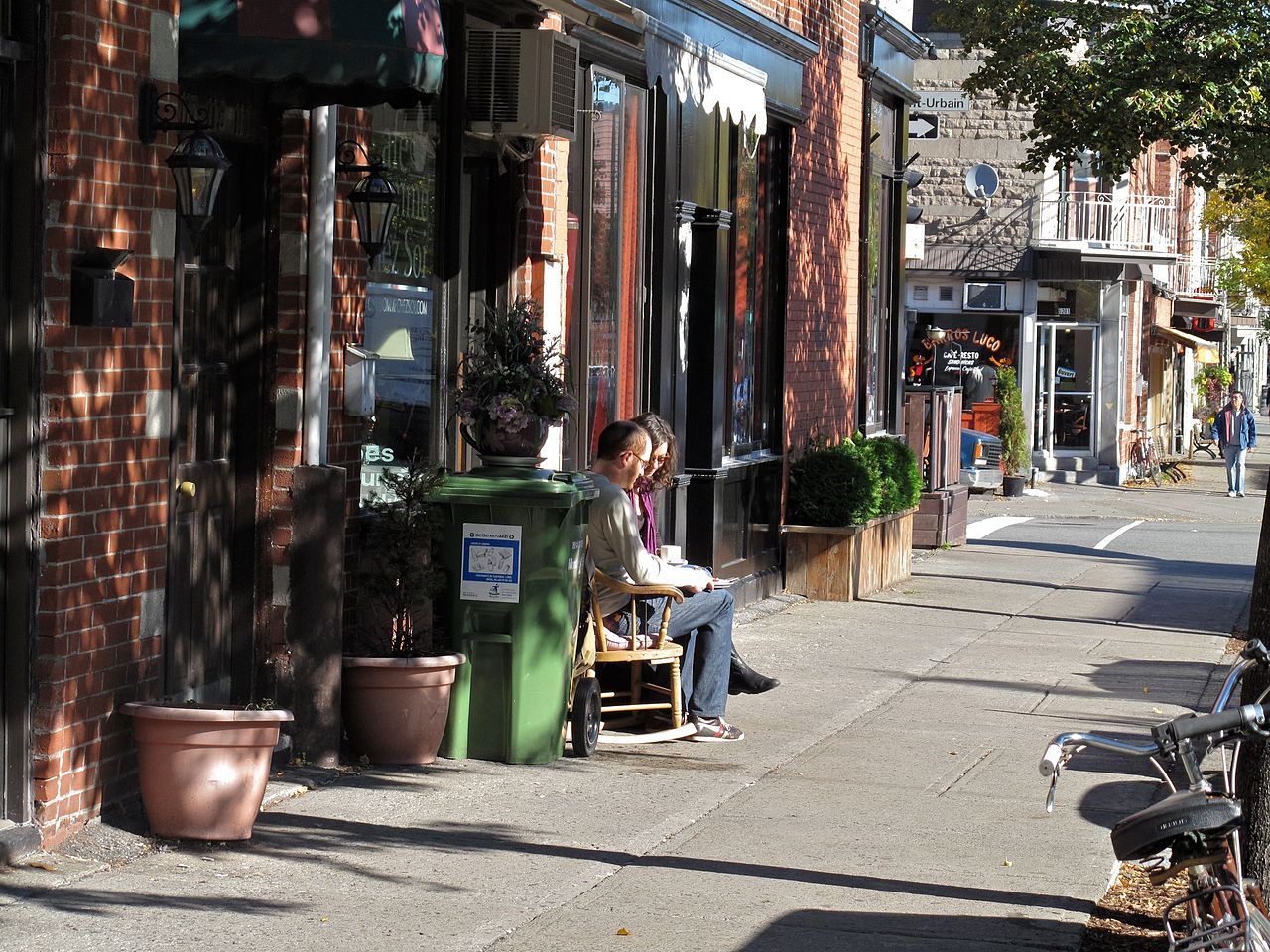
Bernard Avenue, pedestrian all summer

With its early 20th century Parisian-style buildings, Bernard Avenue closes to cars every summer between Wiseman and Bloomfield, with the 2026 edition confirmed from May 23 to September 20. Café patios, exhibits, and Bilboquet, an ice cream institution since 1983: this is where the neighbourhood comes together.

Ask me about it, and I'll tell you which residential streets put Bernard five minutes away on foot without the evening buzz. It's the kind of nuance you won't see on a Centris listing.
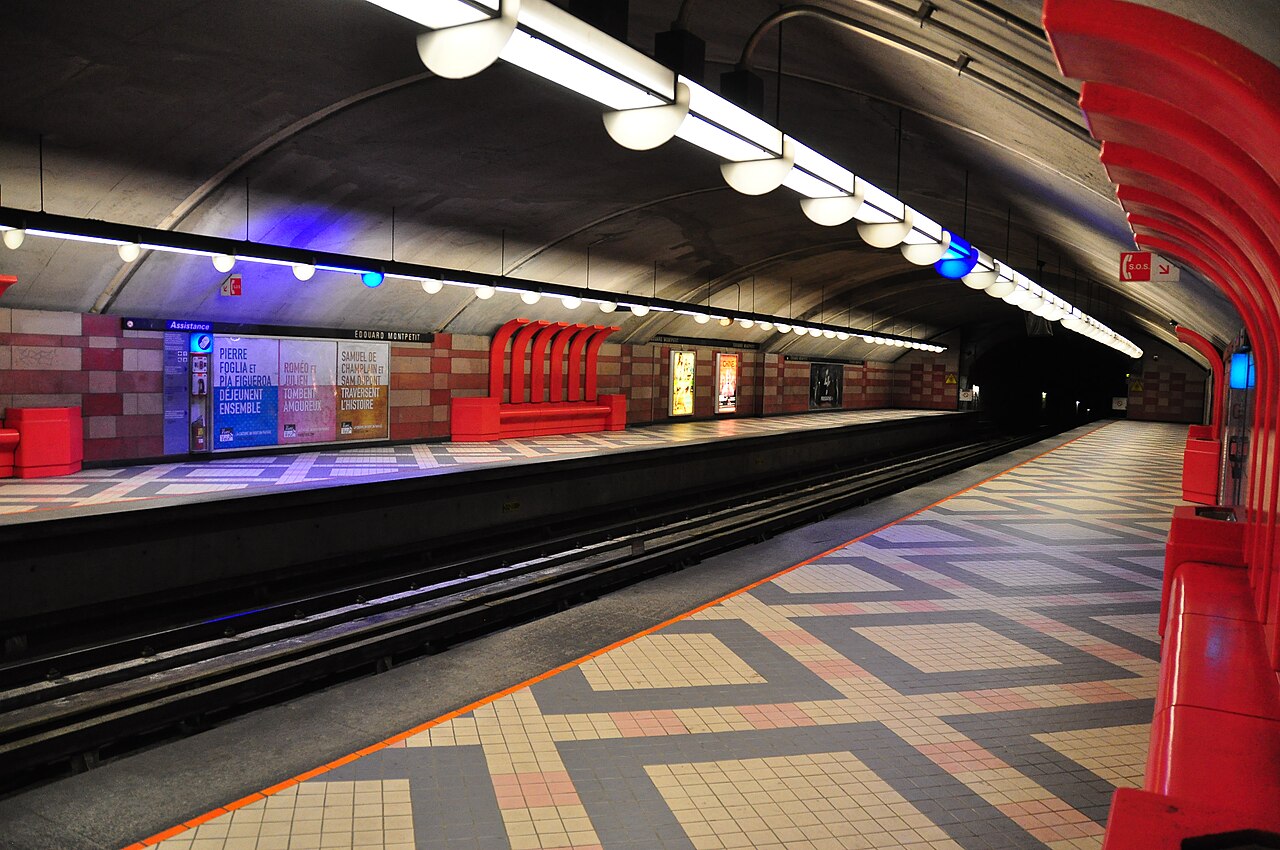
02 The platform at Édouard-Montpetit station, connecting to the REM beneath Mount Royal
Transit

The REM, 72 metres under the mountain

Since November 2025, the Édouard-Montpetit REM station, the deepest in Canada at 72 metres underground, puts downtown about three minutes away by tunnel, right at Outremont's doorstep. Add the Outremont metro station on the blue line, right in the heart of the neighbourhood, and you get an area that's doubly well connected.

Ask me about it, and I'll tell you what the REM's arrival actually changes depending on which corner of the neighbourhood you're in. The answer isn't the same near Édouard-Montpetit as it is on Bernard. Worth a conversation before you buy.
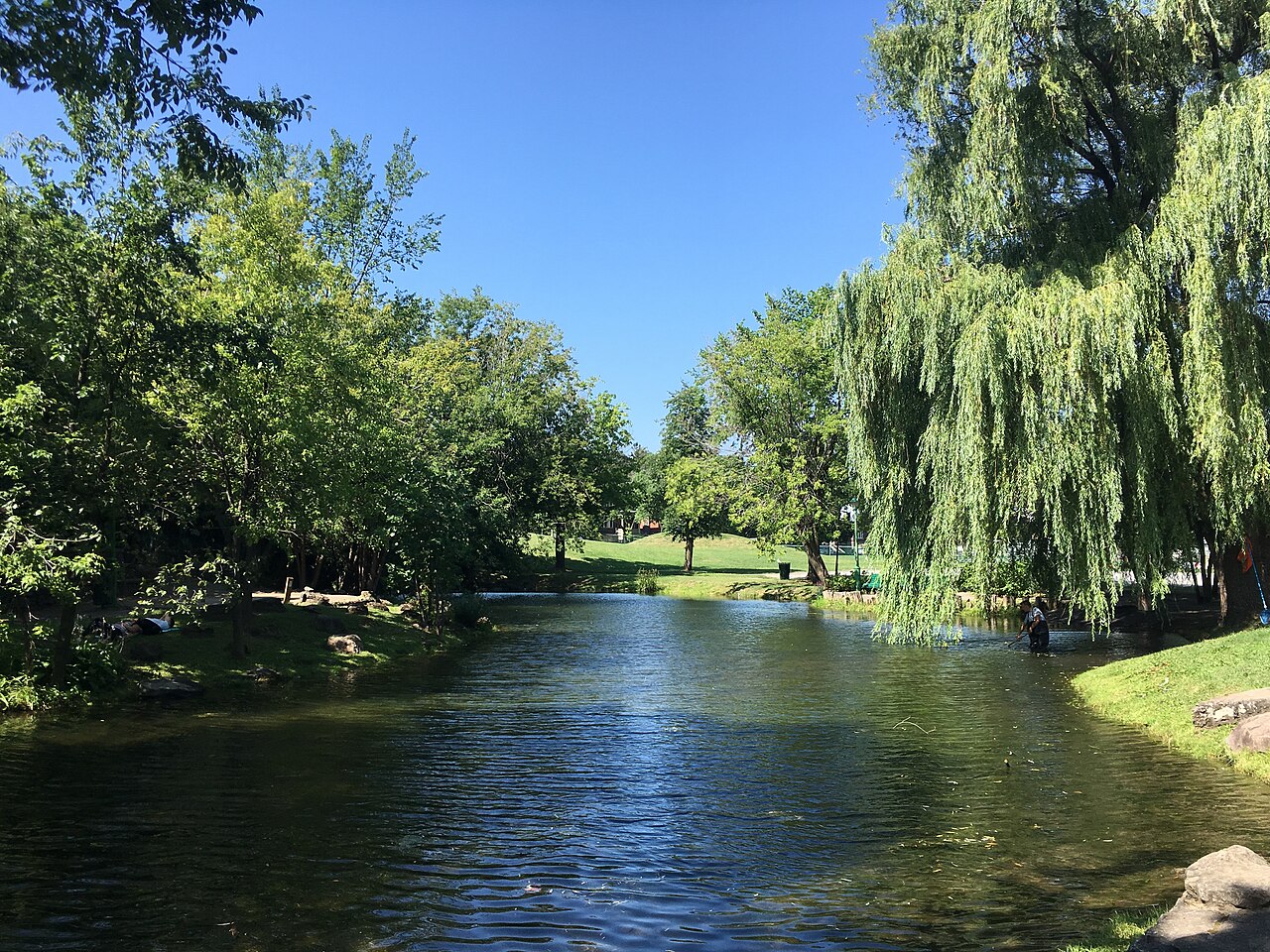
03 A pond and weeping willows at Beaubien Park in Outremont, in summer
Nature

Thirteen parks across 3.9 km²

Thirteen parks, five mini-parks and seven outdoor skating rinks packed into just 3.9 km²: the city describes Outremont as "a green oasis," and it earns the title. The pond at Outremont Park, the stream and stone bridge at Pratt Park, the winter slide at Beaubien Park: each one has its own following.

Ask me about it, and I'll tell you which park drives up demand for the streets around it. Between Pratt, Outremont and Beaubien, buyers each have their own camp.
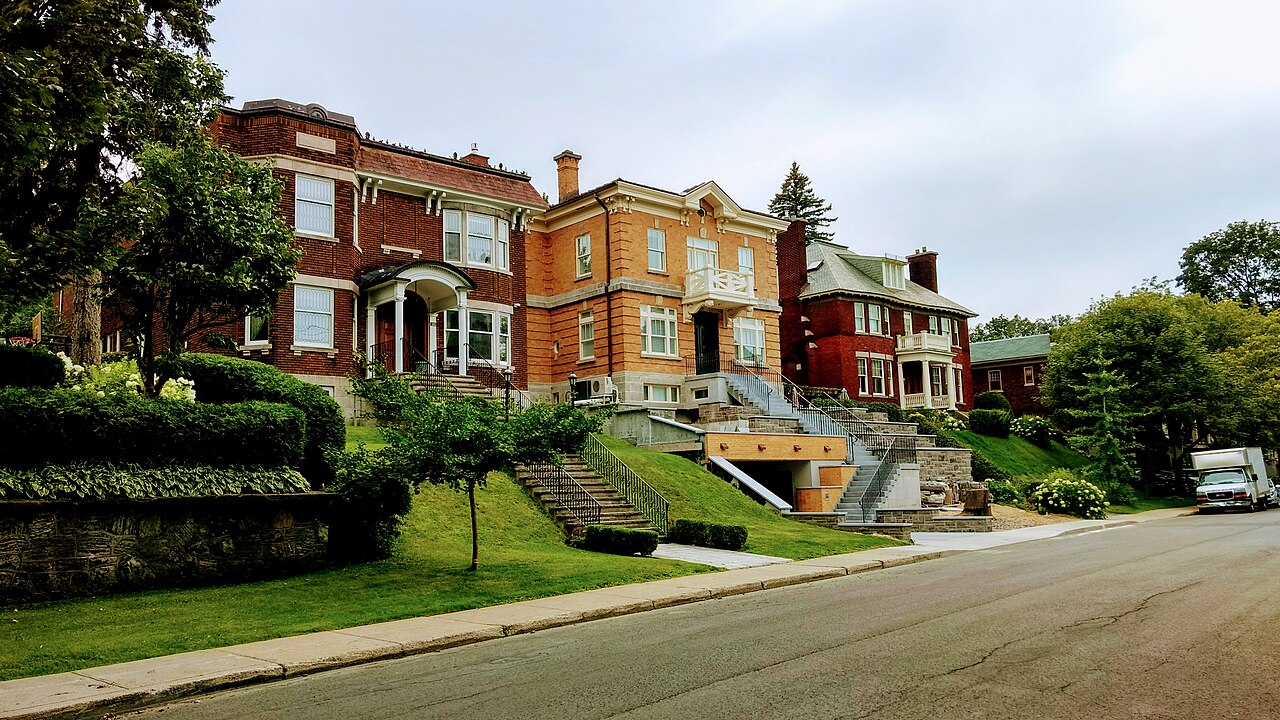
04 Stately homes on Maplewood Avenue, in Outremont
Heritage

The slopes of Mount Royal, the prestige side

On the slopes of Mount Royal, along Maplewood, Pratt, Springgrove, Pagnuelo and Mont-Royal Boulevard, prestigious homes follow one another without ever repeating themselves: Art Deco, eclectic, international style. The area south of the boulevard is part of the designated Mount Royal heritage site, and Robert Bourassa once lived on Maplewood Avenue.

Ask me about it, and I'll tell you what the Mount Royal heritage site means when it's time to renovate. Better to know before you make an offer than to find out in front of the borough.
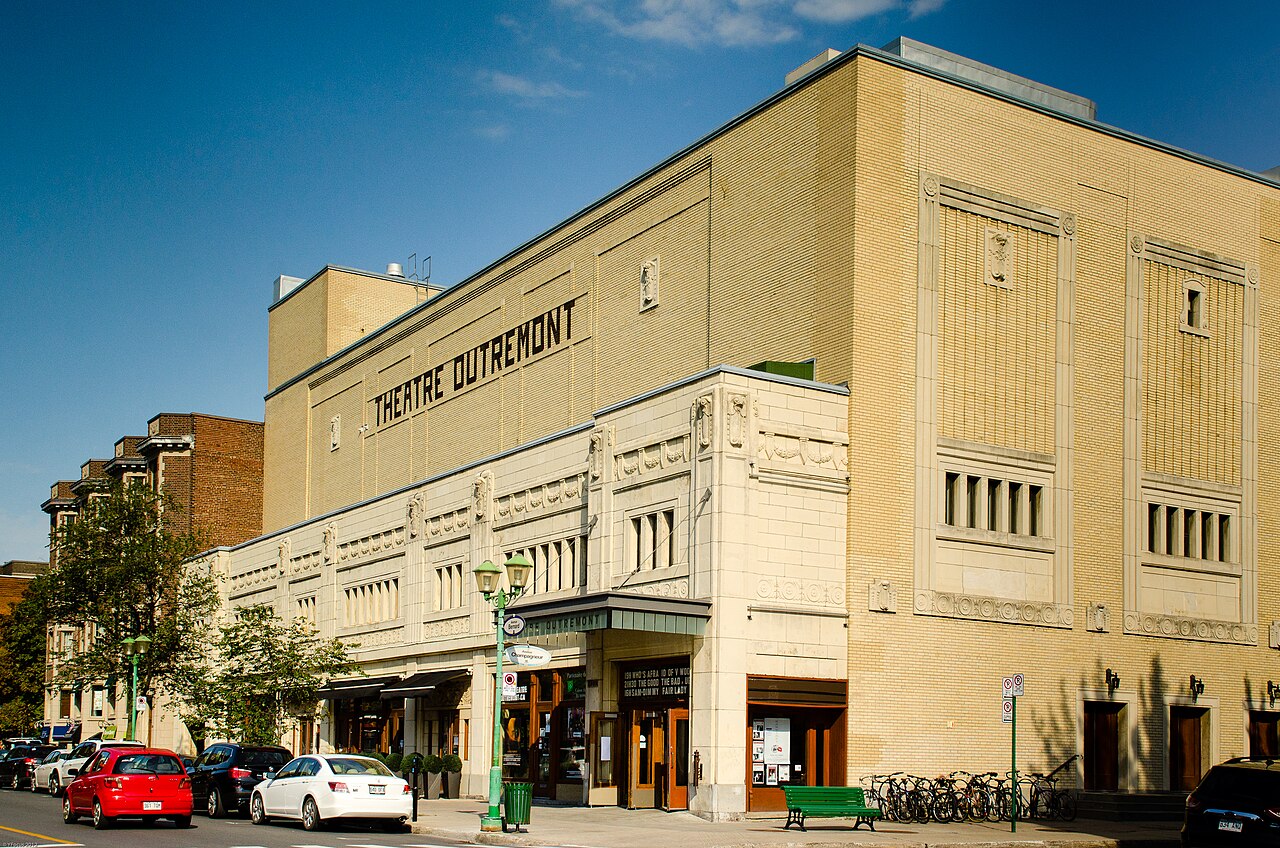
05 The Art Deco facade of the Théâtre Outremont, on Bernard Avenue
Culture

Théâtre Outremont, a 1929 Art Deco gem

Opened in 1929, designed by René Charbonneau with decor by Emmanuel Briffa, the Théâtre Outremont is both a national historic site of Canada and a heritage building classified by Quebec. Restored and very much alive, it still hosts music, theatre, comedy and film: an Art Deco gem right around the corner.

Ask me about it, and I'll tell you why a still-active heritage venue within walking distance carries weight when choosing a neighbourhood. Buyers from outside the area almost always underestimate it.
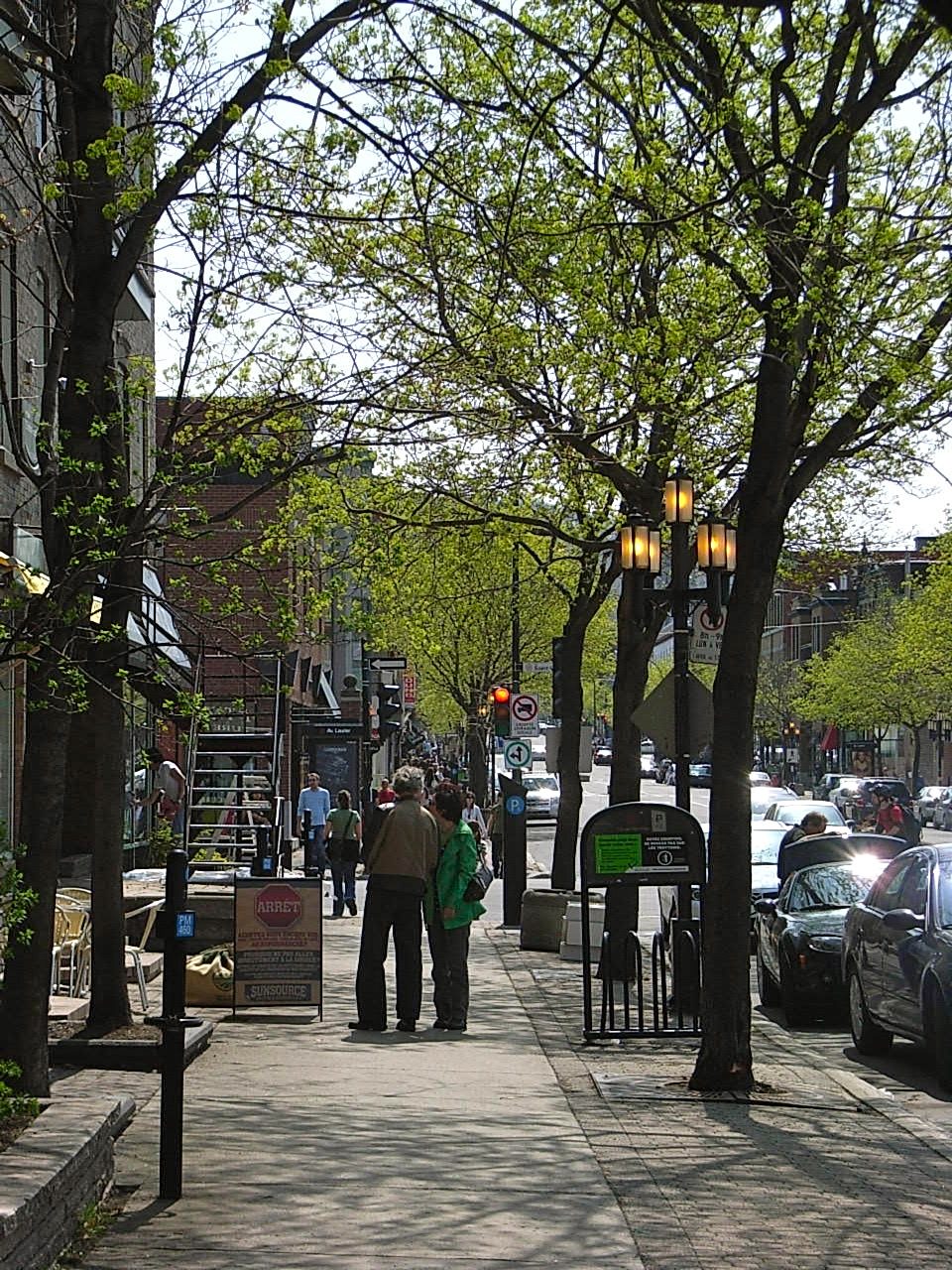
06 Laurier Avenue, a tree-lined shopping street with boutiques and pedestrians
The food

Laurier West, the foodie address

Pastry shops, fine chocolate, cheesemongers, galleries: Laurier Avenue West lines up dozens of independent shops, with well-known tables like the Leméac brasserie, serving for more than twenty years, and Chez Lévêque. Redone in 2017-2018, it's the neighbourhood's chic and gourmet artery.

Ask me about it, and I'll tell you which side of Hutchison Street you're really on when a listing says "Laurier." The boundary between Outremont and the Plateau runs right there, and plenty of listings play loose with geography.
07 Shops and neighbourhood life on Saint-Viateur Street, in the neighbouring Mile End
The neighbour

Mile End, just across Hutchison

On the other side of Hutchison Street begins Mile End, with its cafés, bagels and creative scene, a trendy neighbourhood that officially belongs to Le Plateau-Mont-Royal but lives door to door with Outremont. Well-heeled calm on one side, buzz on the other: plenty of buyers come looking for exactly that contrast.

Ask me about it, and I'll tell you why buyers who dream of Mile End often end up on the Outremont side of Hutchison Street. The characterful duplexes and triplexes at the bottom of the neighbourhood have a lot to do with it.
08 The Science Complex of Université de Montréal's MIL campus and its public square, in Outremont
The future

The MIL campus, a district on the rise

On Outremont's former rail yard, Université de Montréal opened the Science Complex of its MIL campus in 2019: 60,000 square metres bringing together chemistry, physics, geography and biological sciences. All around it, a whole sector is taking shape, with public squares, housing and shops at the meeting point of four boroughs. For the north end of the neighbourhood, it's the big project redrawing the map.

Ask me about it, and I'll tell you what the MIL campus changes for property values in the north end. A university campus next door is something you can put a number on.
09 The neo-Gothic facade and twin towers of Saint-Viateur d'Outremont church, at Laurier and Bloomfield
History

Saint-Viateur, Laurier's neo-Gothic landmark

At the corner of Laurier West and Bloomfield, Saint-Viateur church has stood since 1913: soaring neo-Gothic arches by architects Gauthier and Daoust, interior decor and stained glass by Guido Nincheri, and a Casavant organ installed the same year. Its silhouette can be spotted from far off and gives this whole stretch of the avenue its face. Hard to find a more solemn neighbour for a Sunday stroll.

Ask me about it, and I'll tell you which streets benefit most from this heritage setting. Buyers who love character ask me every time we visit the area.
10 The beaux-arts building of Académie Querbes, on Bloomfield Avenue in Outremont
Schools and families

Académie Querbes, ahead of its time since 1916

Opened in 1916 by the Clerics of Saint Viator, Académie Querbes was an avant-garde school: a pool, a gymnasium, a billiard room and bowling lanes, unheard of at the time. The beaux-arts building by architect Joseph-Arthur Godin, on Bloomfield Avenue, now houses the public alternative school Nouvelle-Querbes. In a neighbourhood where the school offer weighs heavily in family decisions, it's an address that speaks for itself.

Ask me about it, and I'll tell you how the neighbourhood's schools shape demand street by street. In Outremont, that's often what tips the scale.
Let's talk

Thinking about buying or selling in Outremont? Let's start with a conversation.

A free evaluation of your property, a picture of the local market, or simply answers to your questions. No strings attached, and a straight answer.

Start my real estate project

Photo credits