← Back to the island map
Area · Borough of Rosemont–La Petite-Patrie

Rosemont–La Petite-Patrie

Brick triplexes, green alleys and Montreal's pantry right around the corner. My top 7, neighbour style, not brochure style.

Let's talk about this area

Rosemont–La Petite-Patrie is the Montreal you picture when you close your eyes: outdoor staircases, Jean-Talon Market overflowing with producers, green alleys where kids play behind the triplexes. A tightly knit neighbourhood, crossed by the REV Saint-Denis, Montreal's busiest bike path, and served by the metro's orange line, with the blue line along the north edge.

I put together this top 7 for a simple reason: when you buy or sell, you're not just shopping for a property, you're shopping for a neighbourhood life. Every point comes with an opening for a conversation, use it.

— Maxime Laforest, real estate broker · Équipe Loiselle, RE/MAX Dynamique

The area's top 7

What makes the heart of Rosemont–La Petite-Patrie beat.

Seven reasons buyers fall in love with the area, and why the ones who live here don't leave.

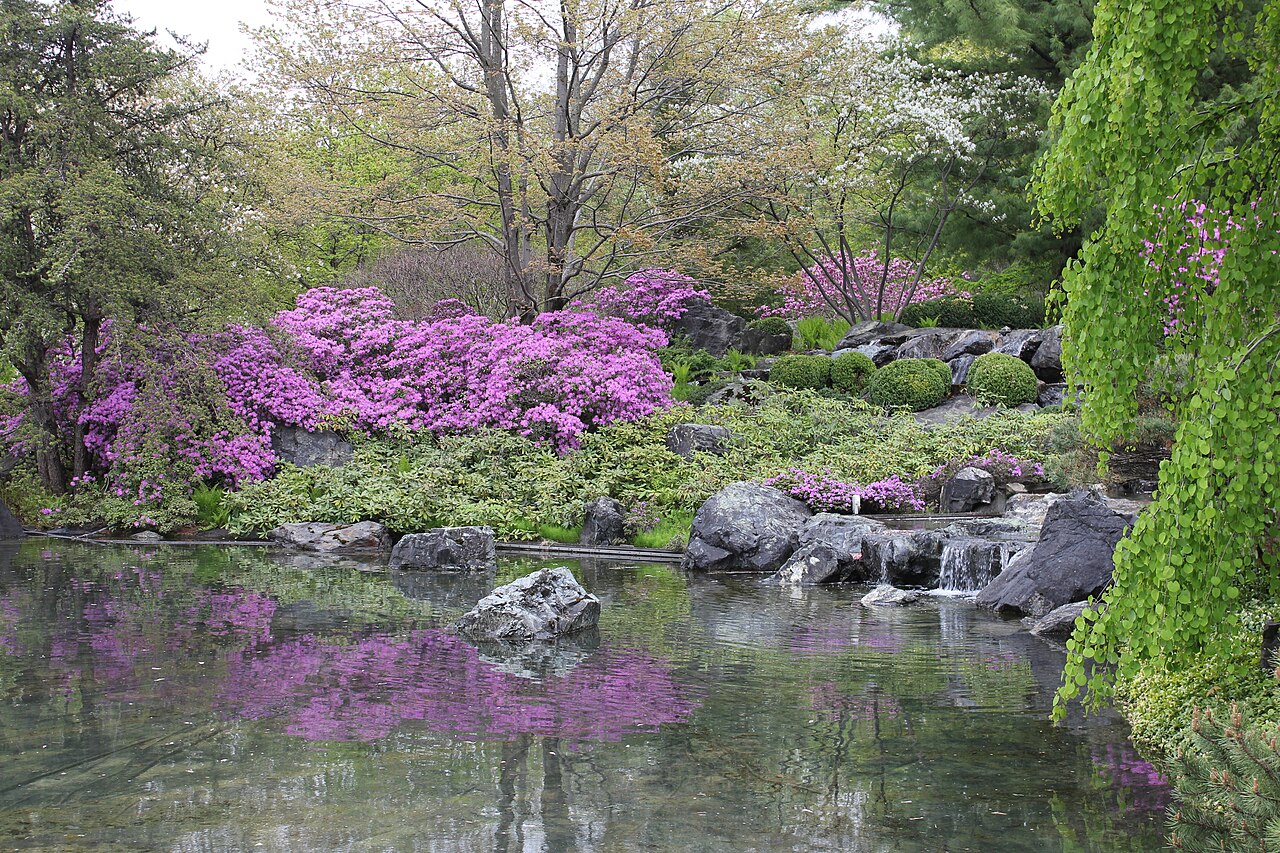
01 The pond and pavilion of the Japanese Garden at the Montreal Botanical Garden
The icon

The Botanical Garden

75 hectares, about twenty gardens, 10 greenhouses: the Botanical Garden, a National Historic Site of Canada since 2008, sits right in the borough, at Parc Maisonneuve. Since 2022, the transformed Insectarium, the largest insect museum in North America, rounds out the picture, free-flying butterflies included.

Ask me about it: ask me which parts of the area let you walk to the Botanical Garden, living next to a national historic site is worth shopping for.
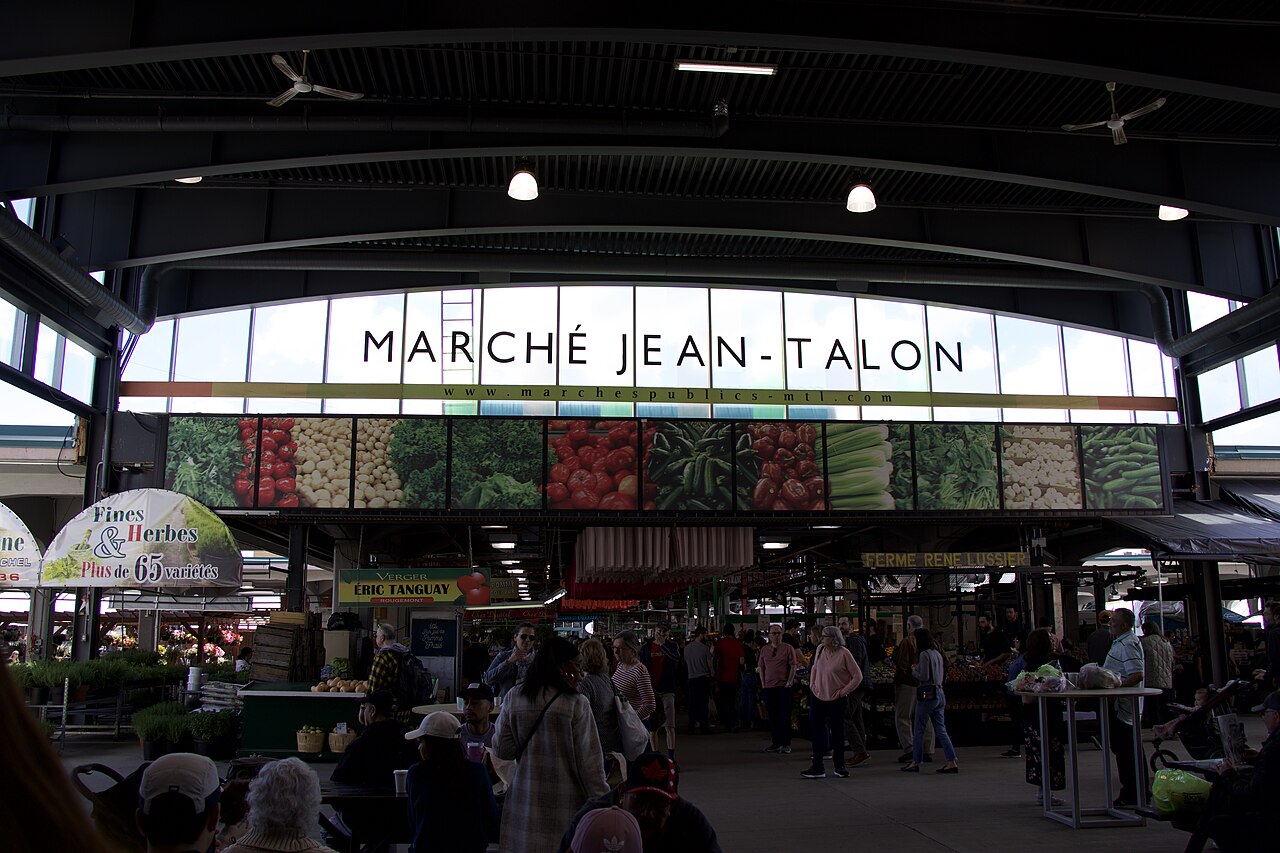
02 Inside Jean-Talon Market and its iconic sign
The table

Jean-Talon Market

Opened in 1933 and renamed Jean-Talon Market in 1982, the former "Marché du Nord" sits at the heart of Little Italy, rooted here since the 1900s. It's one of the largest open-air public markets in North America, open year-round, and the selling point I never have to push.

Ask me about it: ask me where the name "La Petite-Patrie" comes from, hint: it all starts with a Claude Jasmin novel published in 1972. Your future neighbours love telling the rest of the story.
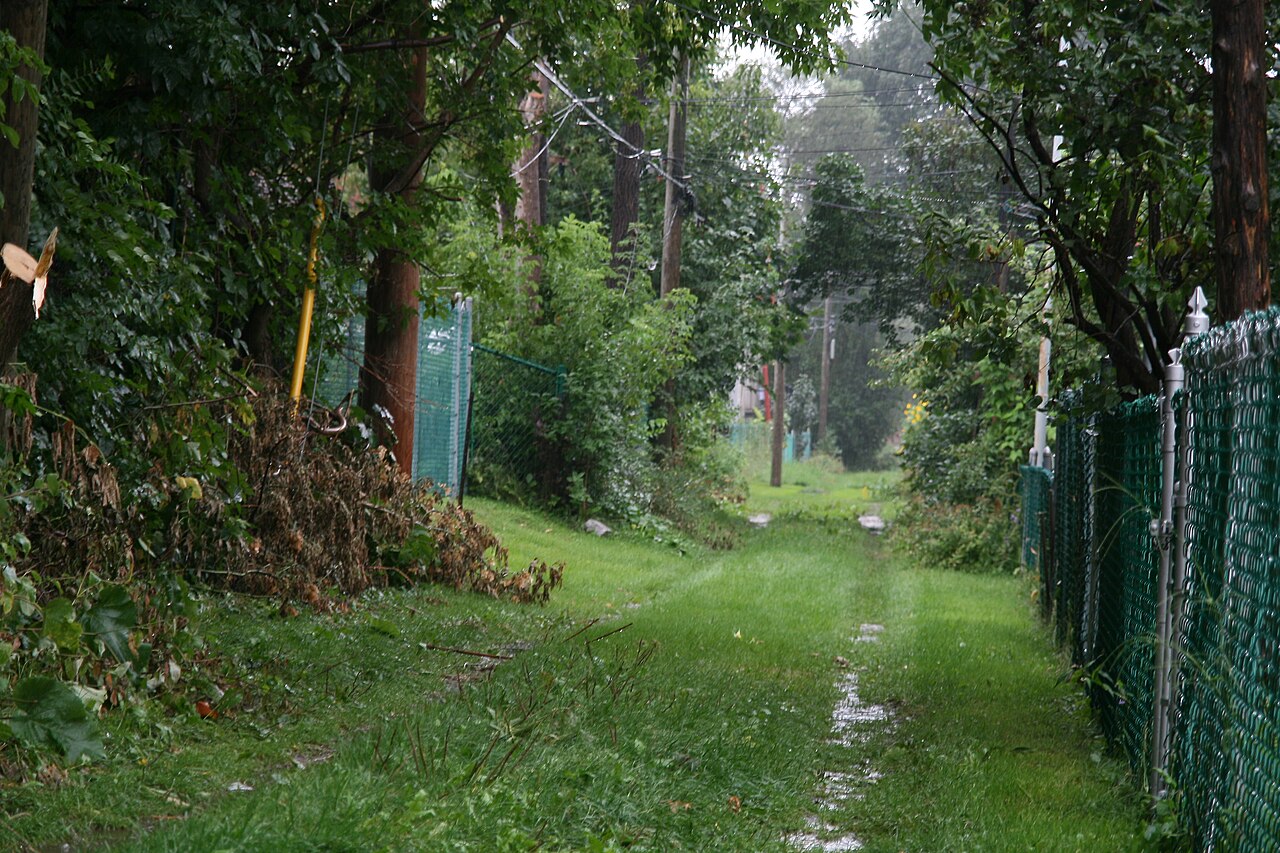
03 Rustic green alley between 30th and 31st Avenues, in Rosemont
Nature

More than 140 green alleys

A Montreal record: more than 140 green alleys, de-paved and planted by the neighbours themselves. Behind the facades, it's a second network of streets, vegetable gardens, kids' games, alley parties. A shared backyard that becomes a real deciding factor when you're torn between two plexes.

Ask me about it: ask me how to check whether the alley behind a property is green, rustic or on its way there, it doesn't always show up on Centris.
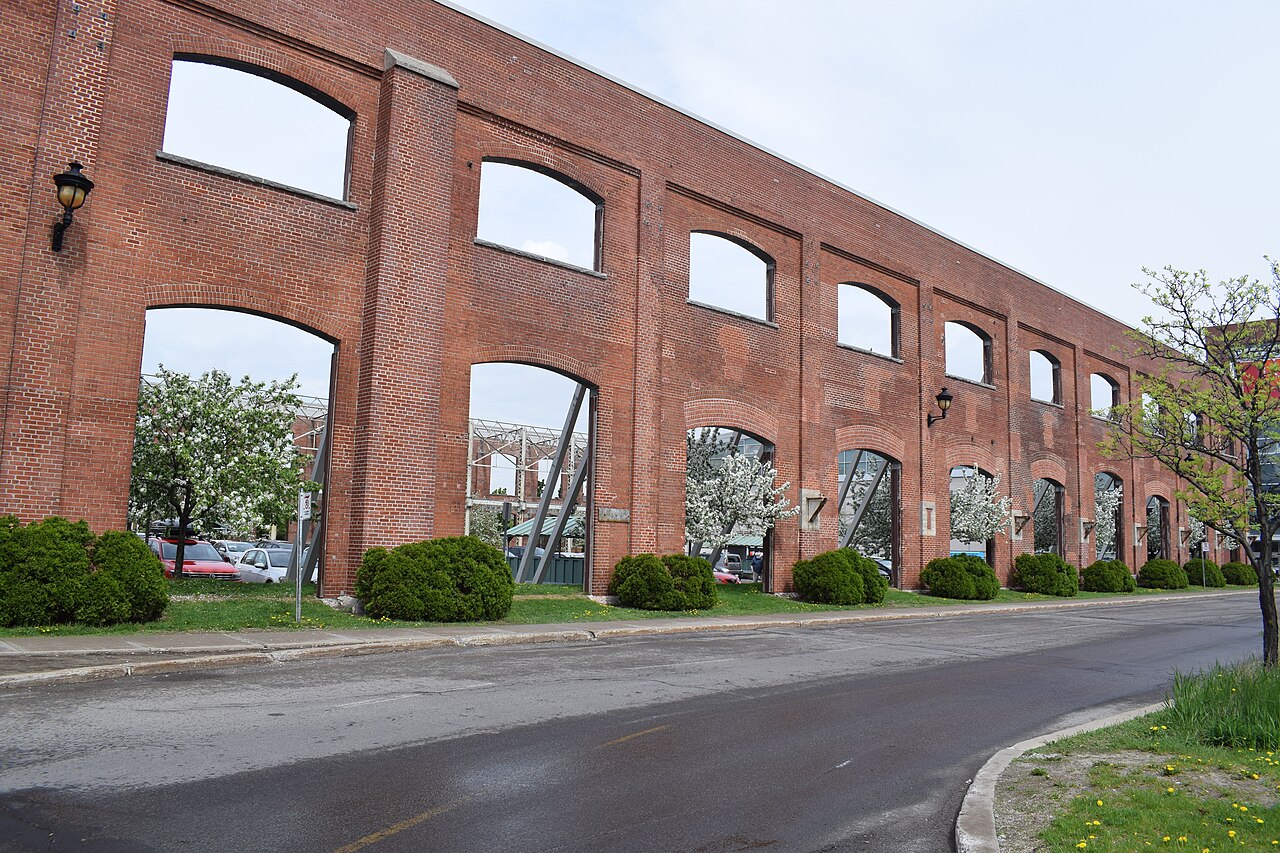
04 Heritage brick wall of the former Canadian Pacific Angus Shops
Heritage

Technopôle Angus

The Canadian Pacific Angus Shops kept Rosemont running for nearly a century, employing up to about 8,000 people, before closing in 1992. The brownfield became Technopôle Angus, Quebec's first LEED ND Platinum certified neighbourhood: jobs, housing, public spaces, with new phases still rolling out.

Ask me about it: ask me what they used to make at Angus during the Second World War, the answer is surprising, and it says a lot about the neighbourhood's working-class pride.
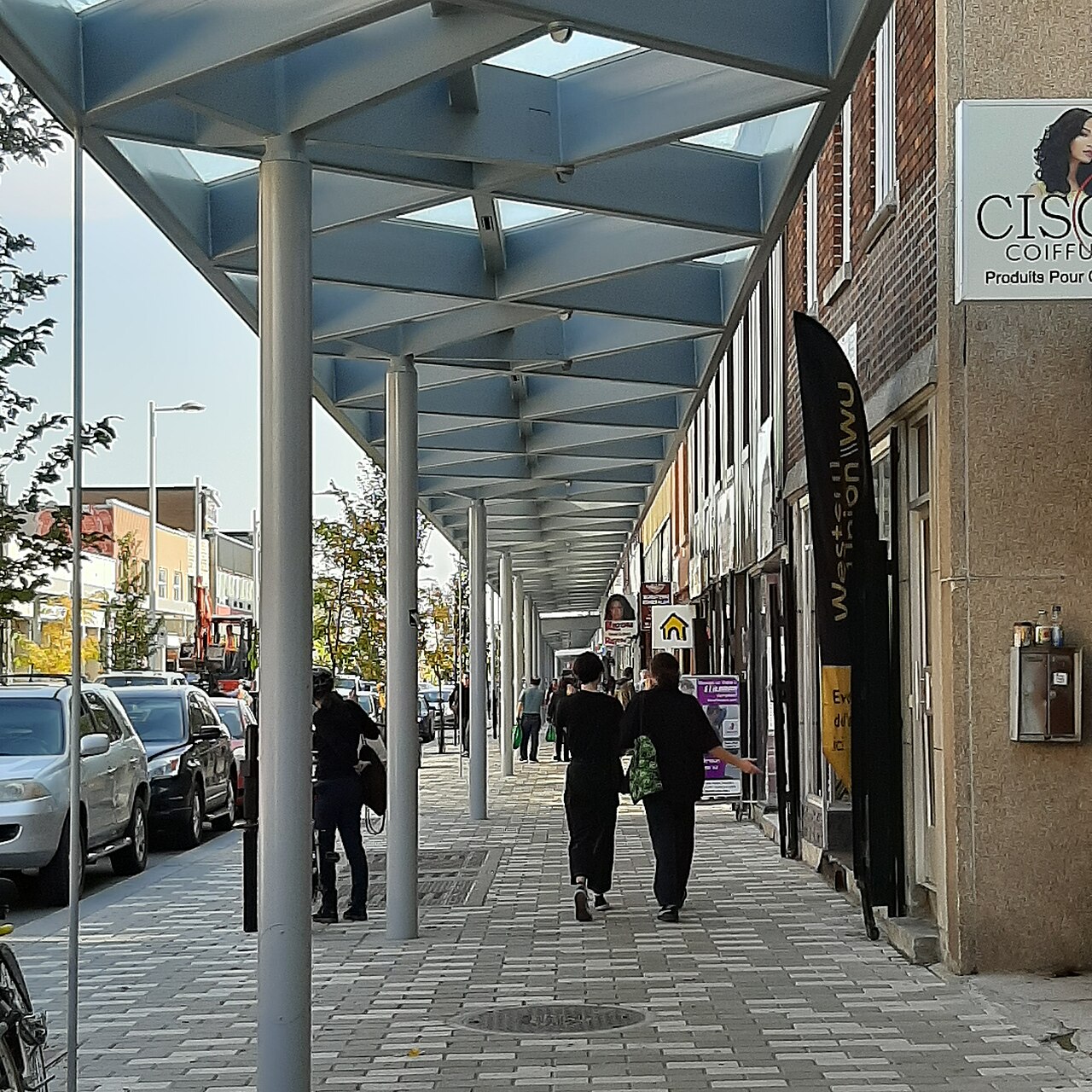
05 The glass canopy of Plaza St-Hubert, rebuilt during the renovation completed in 2020
Shopping

Plaza St-Hubert and its canopies

About 400 shops along 1.2 km of Saint-Hubert Street, between Bellechasse and Jean-Talon. The merchants' association has existed since 1959, and the landmark canopies, rebuilt in steel and glass during the renovation completed in 2020, let you shop dry, rain or shine.

Ask me about it: ask me which residential streets hide just steps from the canopies, you'll find plexes that are surprisingly quiet for such a lively area.
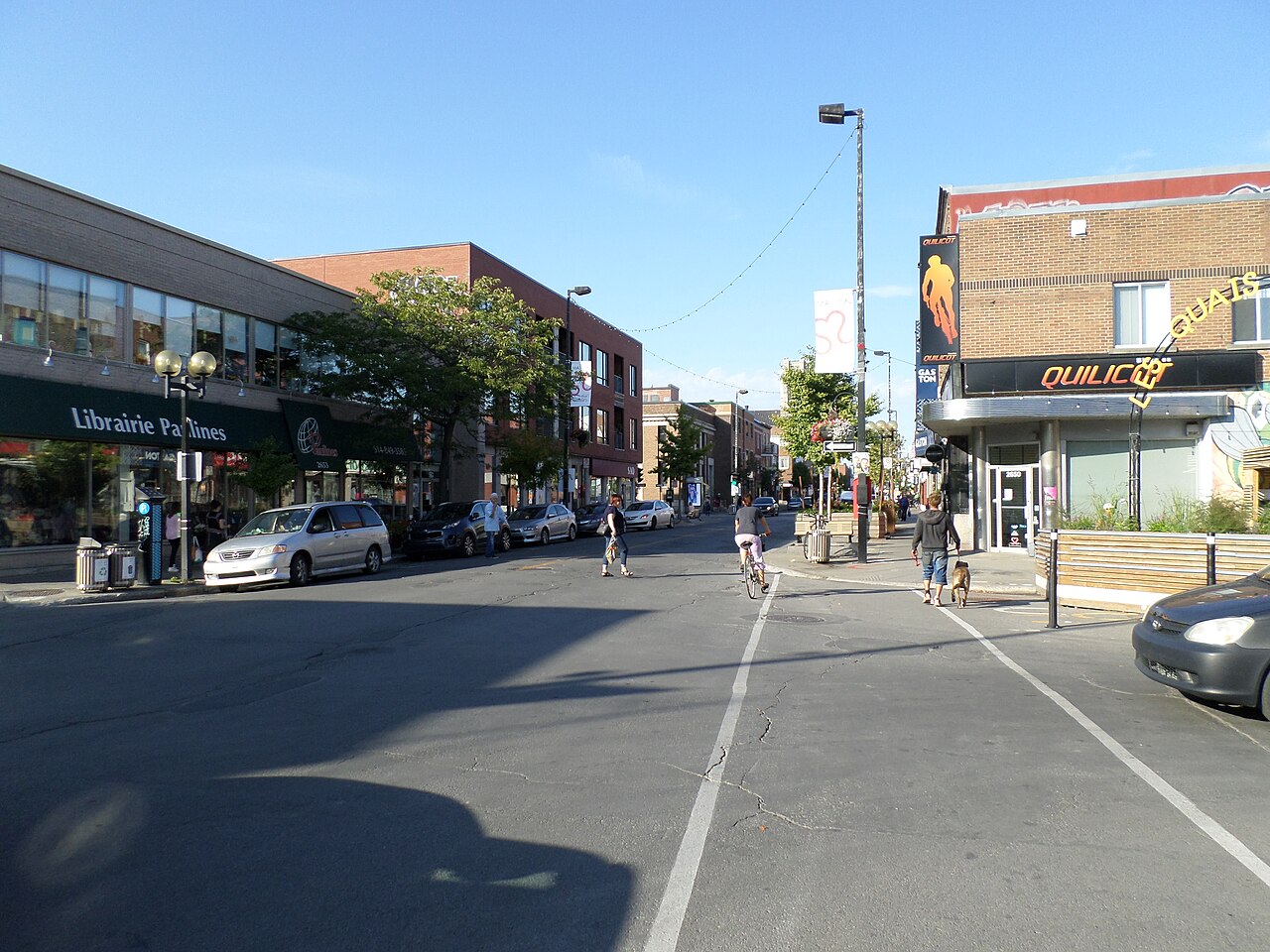
06 Masson Street and its shops, the main artery of Old Rosemont
Neighbourhood life

The Masson Promenade

More than 150 shops and services along Masson Street, driven by a merchants' association active since 1981, one of the oldest of its kind, serving roughly 90,000 residents. And a few streets over, on Beaubien, the 1937 Cinéma Beaubien, saved by its community and reopened in 2001, still watches over the neighbourhood.

Ask me about it: ask me why people in Old Rosemont never leave, and what that means, strategy-wise, when you're trying to get in.
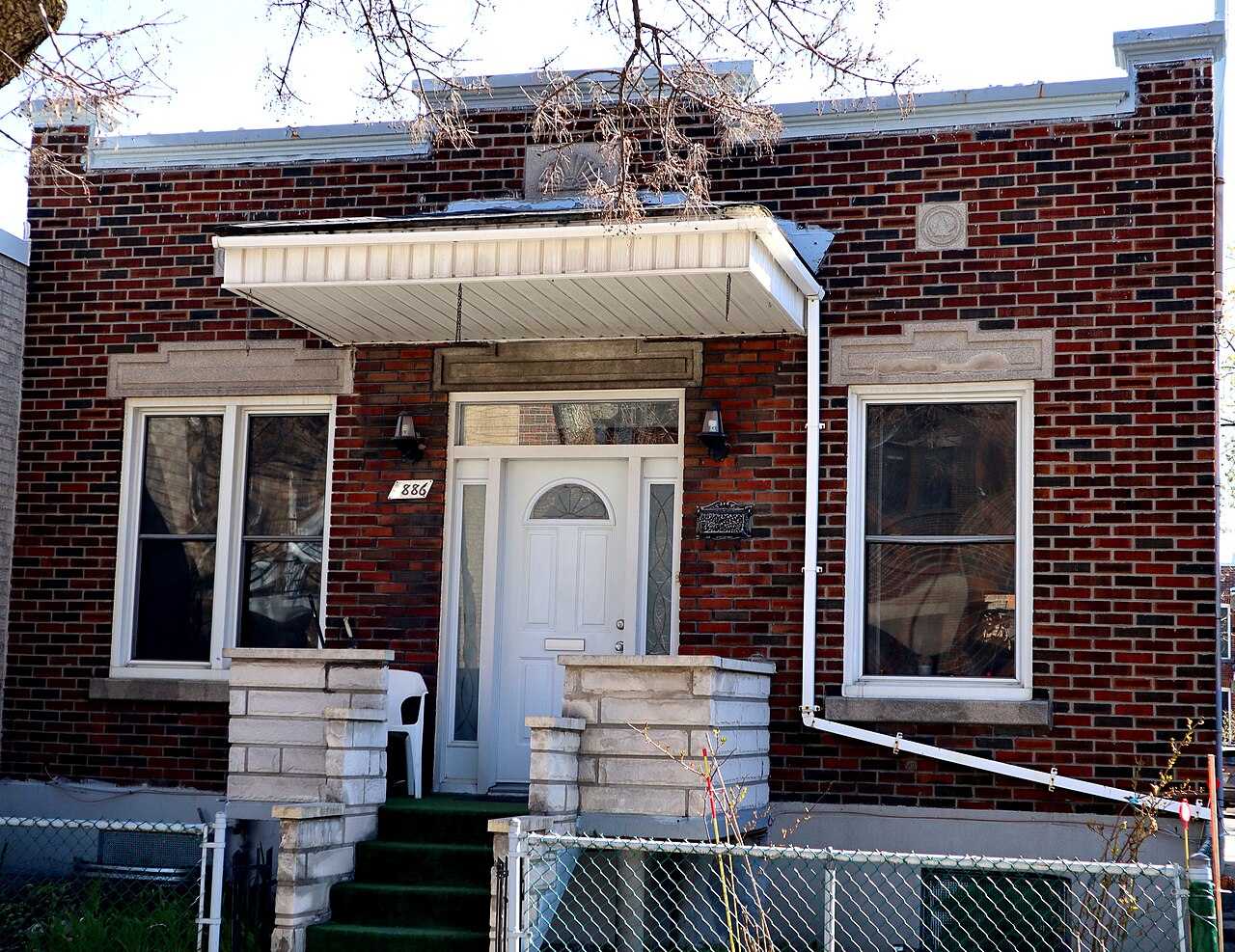
07 Red brick shoebox house, typical of Rosemont
The safe bet

The kingdom of the plex

Montreal duplexes and triplexes, outdoor staircases, woodwork, moulded ceilings, a yard on the alley, sought after by owner-occupants and investors alike, rounded out by new builds in the Angus eco-district. With 141,813 residents in 2021, it's Montreal's third most populous borough: demand here never sleeps.

Ask me about it: ask me the difference between a Petite-Patrie triplex and a Rosemont shoebox house before you go visit, the right choice depends on your project, not on what's trendy.
Let's talk

Thinking of buying or selling in Rosemont–La Petite-Patrie? Let's start with a conversation.

A free evaluation of your property, a picture of the local market, or simply answers to your questions. No strings attached, and a straight answer.

Start my real estate project

Photo credits