← Back to the South Shore map
Area · Saint-Constant, South Shore of Montreal

Saint-Constant

The country's biggest railway museum, two train stations to downtown and a village core born in 1744. Here's my top 10, neighbour's version, not brochure version.

Let's talk about this area

Saint-Constant is the South Shore a lot of buyers discover while looking for more space without moving far from Montreal. A town of about 30,000 residents in the Roussillon RCM, between Sainte-Catherine, Delson and Candiac, with fields at its southern edge and the river a few minutes away. I work with buyers and sellers here, and every time I notice the same thing: people arrive for the entry price, they stay for the neighbourhood life.

I put together this top 10 for a simple reason: when you buy or sell, you're not just shopping for a property, you're shopping for where you'll live. Each point comes with an opening to talk. Use it.

Maxime Laforest, residential and commercial real estate broker · Équipe Loiselle, RE/MAX Dynamique

The area's top 10

What makes the heart of Saint-Constant beat.

Ten reasons families choose this South Shore town, and why the ones who live here don't leave.

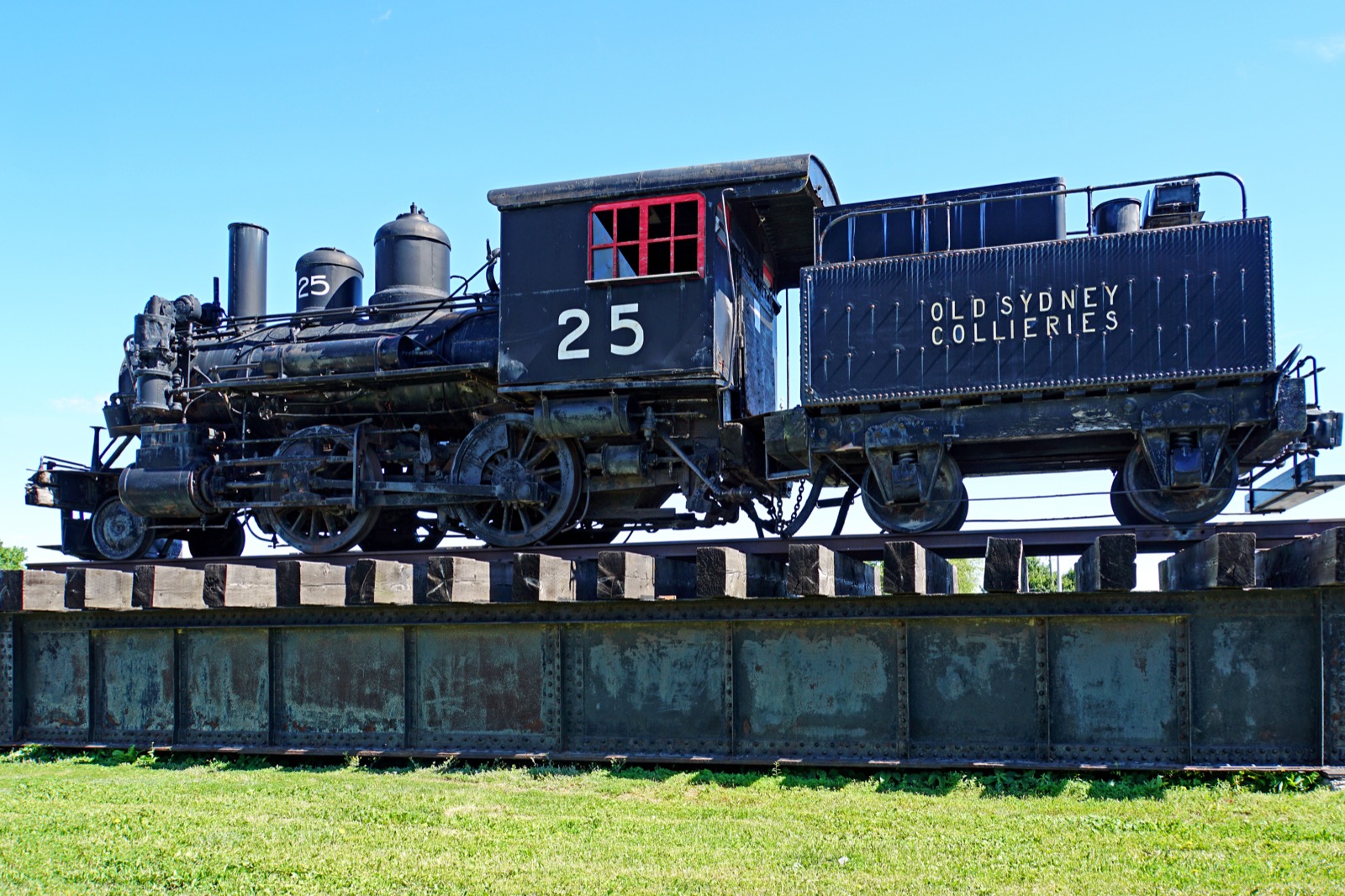
01 Steam locomotive on display at Exporail, the Canadian Railway Museum, in Saint-Constant
The icon

Exporail, the Canadian Railway Museum

The country's most important collection of railway equipment is here, in Saint-Constant: more than 160 locomotives, railcars and streetcars, rides on vintage streetcars and a model train that delights the kids. Enthusiasts come from all over Canada to visit what the people here have at the end of their street.

Ask me about it: ask why a museum of national calibre in a suburban town shapes a neighbourhood's pride. People here talk about it like a neighbour.
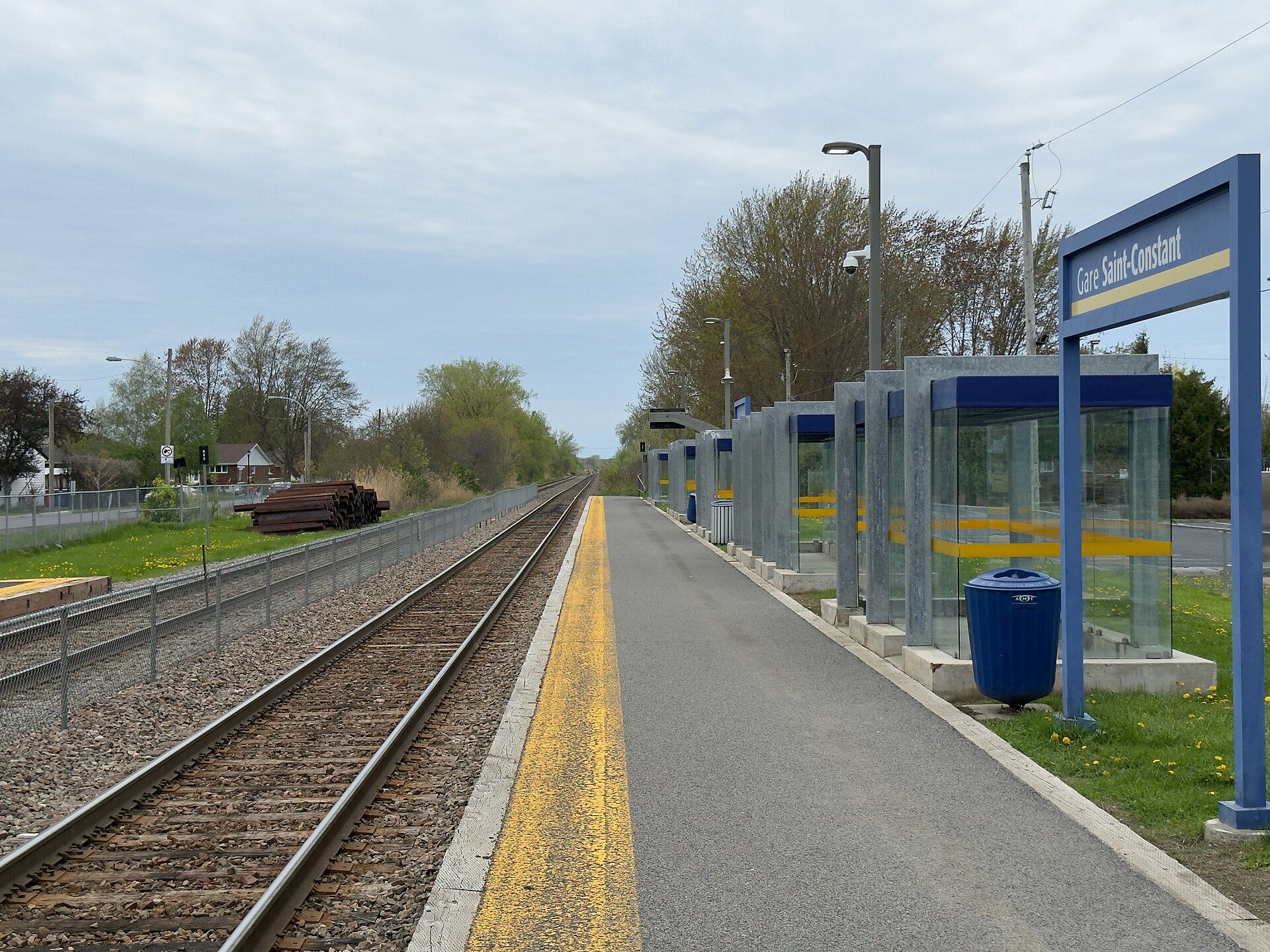
02 The platform at Saint-Constant station, on the exo Candiac line
Transit

Two train stations on the Candiac line

A little-known fact: the town has two exo stations on its territory, Saint-Constant station right in the residential heart and Sainte-Catherine station, off chemin Sainte-Catherine. The train runs to Gare Lucien-L'Allier, in downtown Montreal, in about thirty minutes. Service runs Monday to Friday, and on weekends exo offers on-demand transit in the area.

Ask me about it: ask which streets let you walk to the platform in the morning. That detail changes a daily routine, and it matters when it's time to resell.
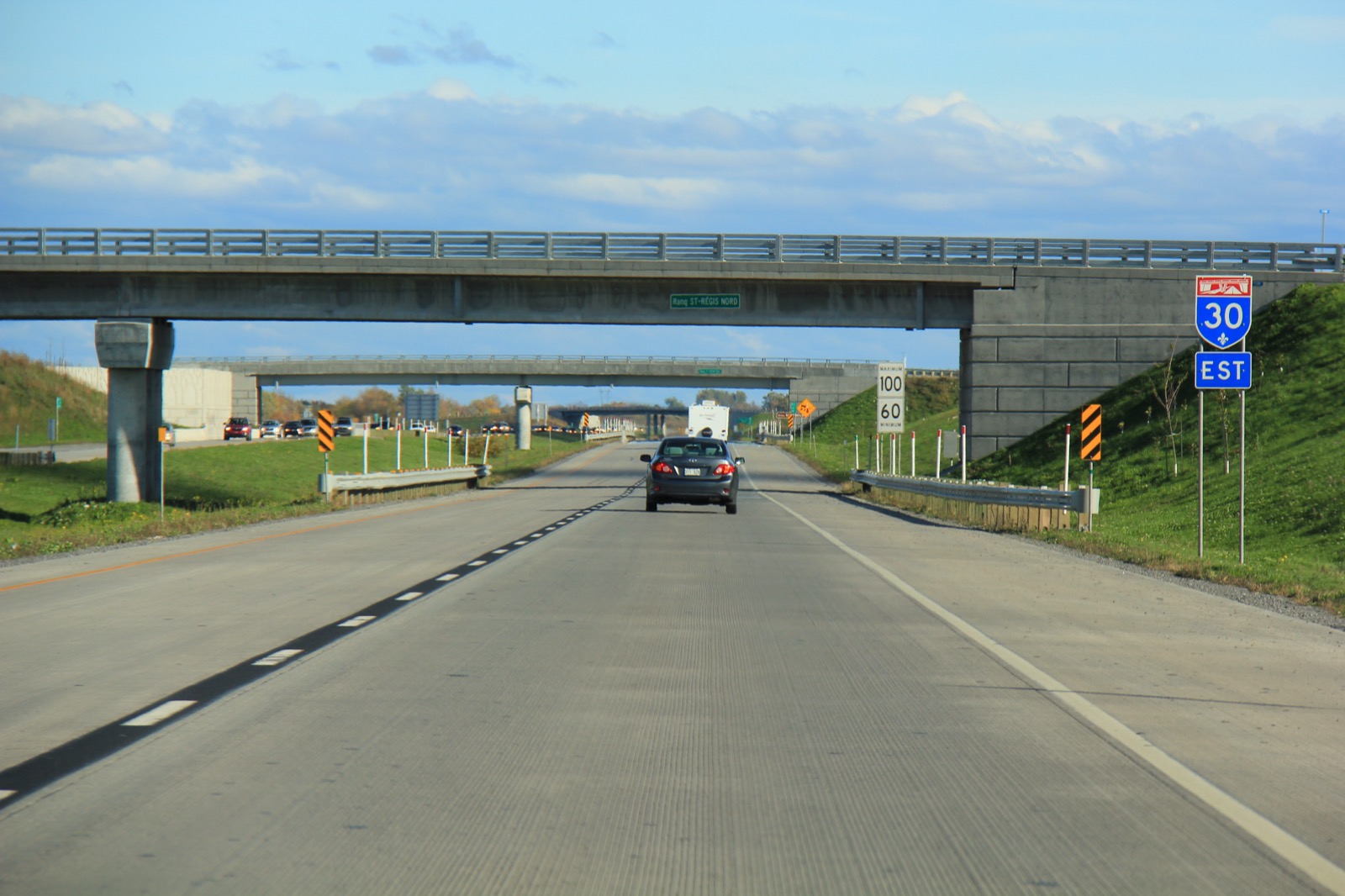
03 Highway 30 eastbound, at Saint-Constant
Access

Highway 30 runs right through here

Since its extension, Highway 30 crosses Saint-Constant and changes the game for commuters: Highway 730 takes you toward route 132 and the Honoré-Mercier Bridge, while on the other side Highway 30 connects to Highway 15 toward the Samuel De Champlain Bridge. By car or by train, you get a choice of route to the island, and not many suburbs can say that.

Ask me about it: ask which route I'd recommend for your work schedule. Between the Mercier and the Champlain, the right answer depends on what time you leave.
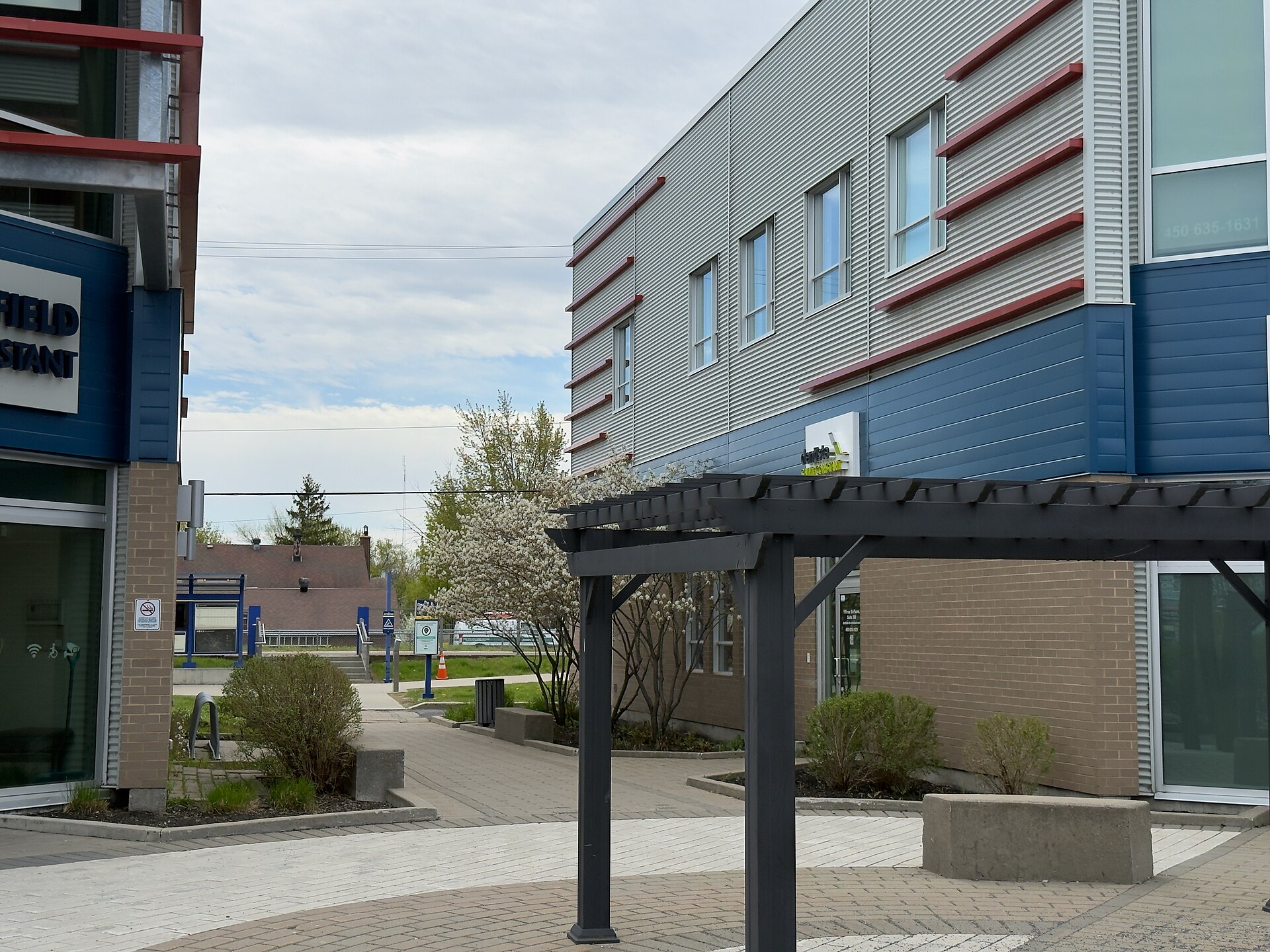
04 The public square of the Quartier de la gare, near Saint-Constant station
The project

Quartier de la gare, a downtown in the making

Saint-Constant has long been a town without a real downtown. That's changing: the town acquired land in the Quartier de la gare to take back control of development around the station, with the idea of bringing together shops, services and a public square, connected to the multi-use park and the municipal centre. When a town gives itself a heart, everyone around it benefits.

Ask me about it: ask what a station area taking shape can change for the value of properties within walking distance. It's the kind of shift you want to see coming before everyone else does.
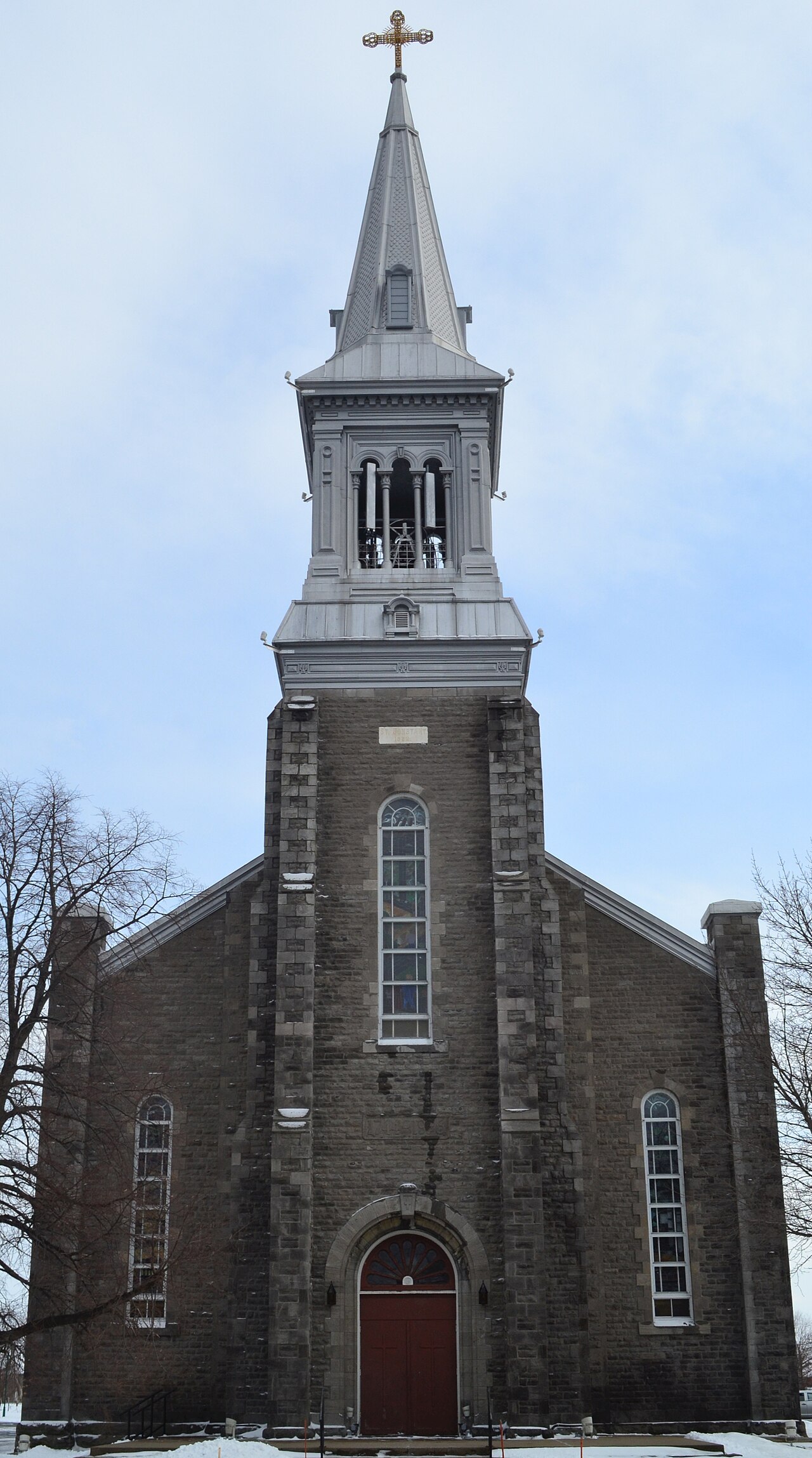
05 The façade of Saint-Constant's church and its silver steeple, rue Saint-Pierre
Heritage

A parish founded in 1744

Before the bungalows, there was côte Saint-Pierre: the parish was born in 1744, the first church was blessed in 1750, and the village grew up around it. Today's church, inaugurated in 1927 with parts dating back to 1880, still watches over rue Saint-Pierre. You're buying a house in a town with nearly three centuries of history here, not in a development that sprang up out of nowhere.

Ask me about it: ask where the older homes of the village core are hiding. There are still some left, and they don't come up on the market often.
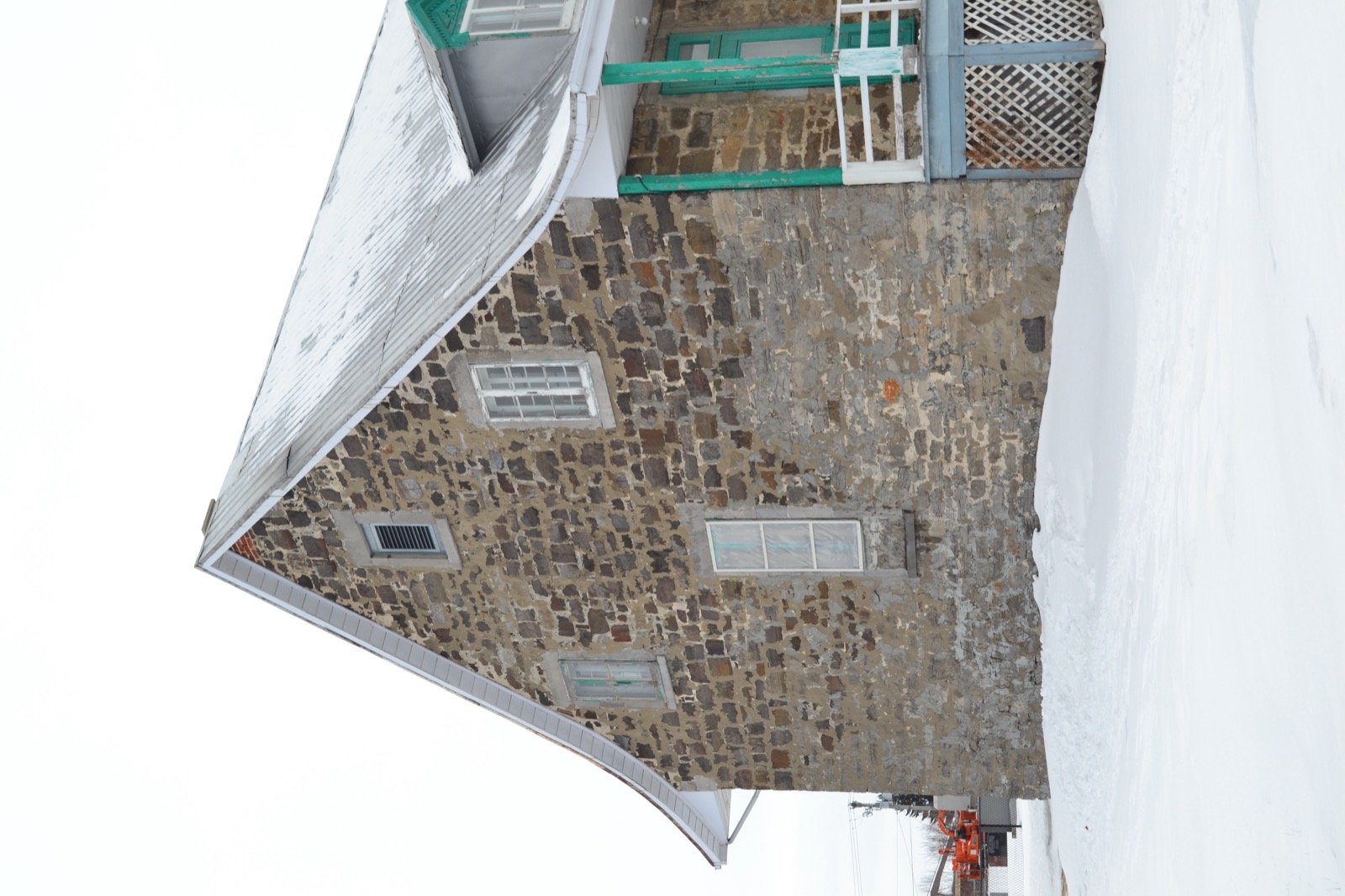
06 One of the old stone rectories in Saint-Constant, rue Saint-Pierre
Village heart

Rue Saint-Pierre is getting a makeover

Rue Saint-Pierre is the town's historic backbone: it's home to the site of the old rectories, two stone buildings protected for their heritage value. The town has a revitalization project to give this street back its role as village heart, between the church, the station and the local shops.

Ask me about it: ask what an address on a street mid-revitalization is worth. Buying before the scenery changes is often the best card to play.
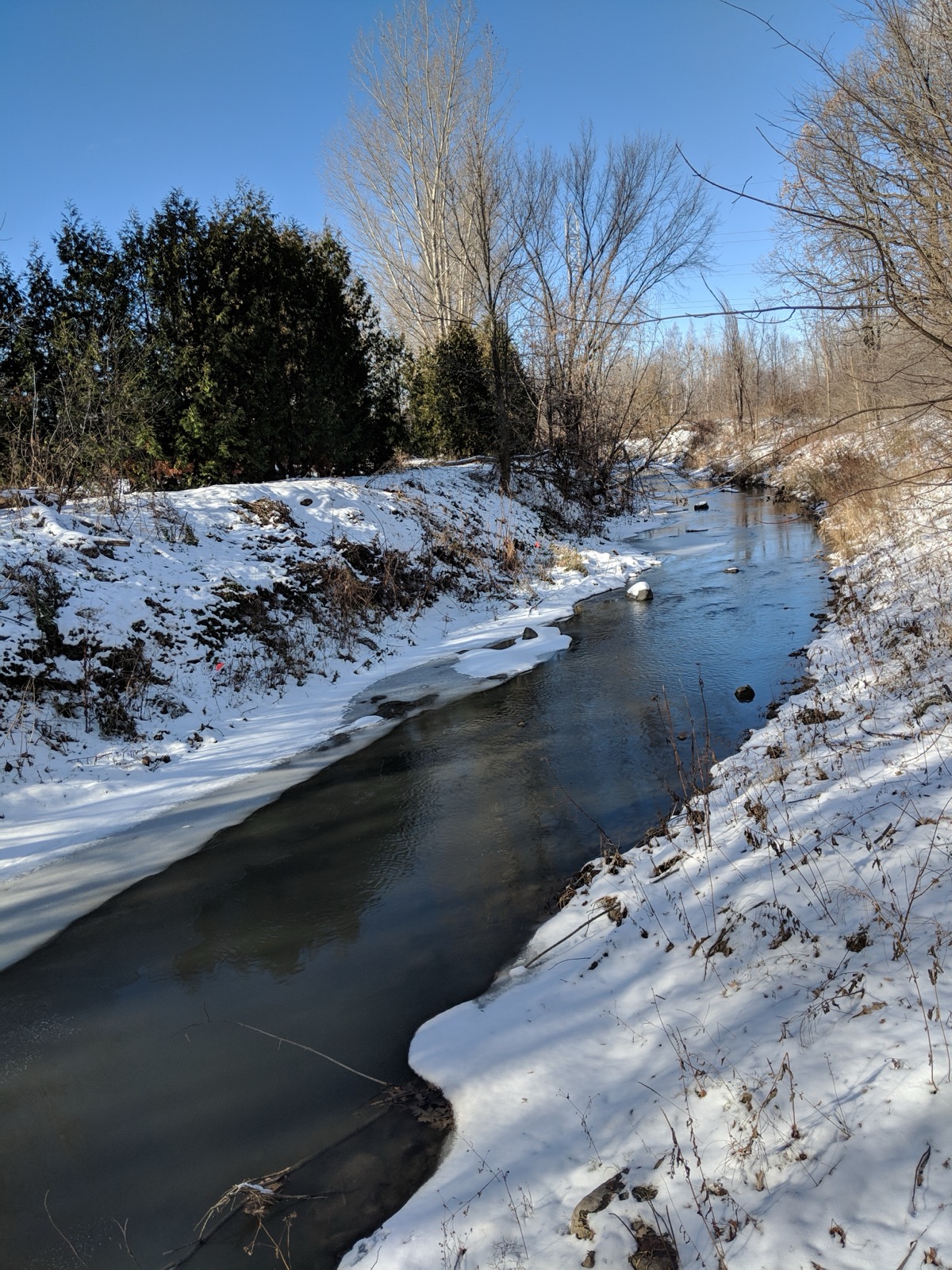
07 The Saint-Régis River winding through Saint-Constant
Nature

Three rivers in one town

The Saint-Régis, the Saint-Pierre and the rivière de la Tortue all wind through Saint-Constant. Add more than 16 kilometres of multi-use trails and a biodiversity pavilion, and you get a suburb where the evening walk happens along the water instead of around the block.

Ask me about it: ask what to check before buying near a waterway. I'd rather tell you before the offer to purchase than after.
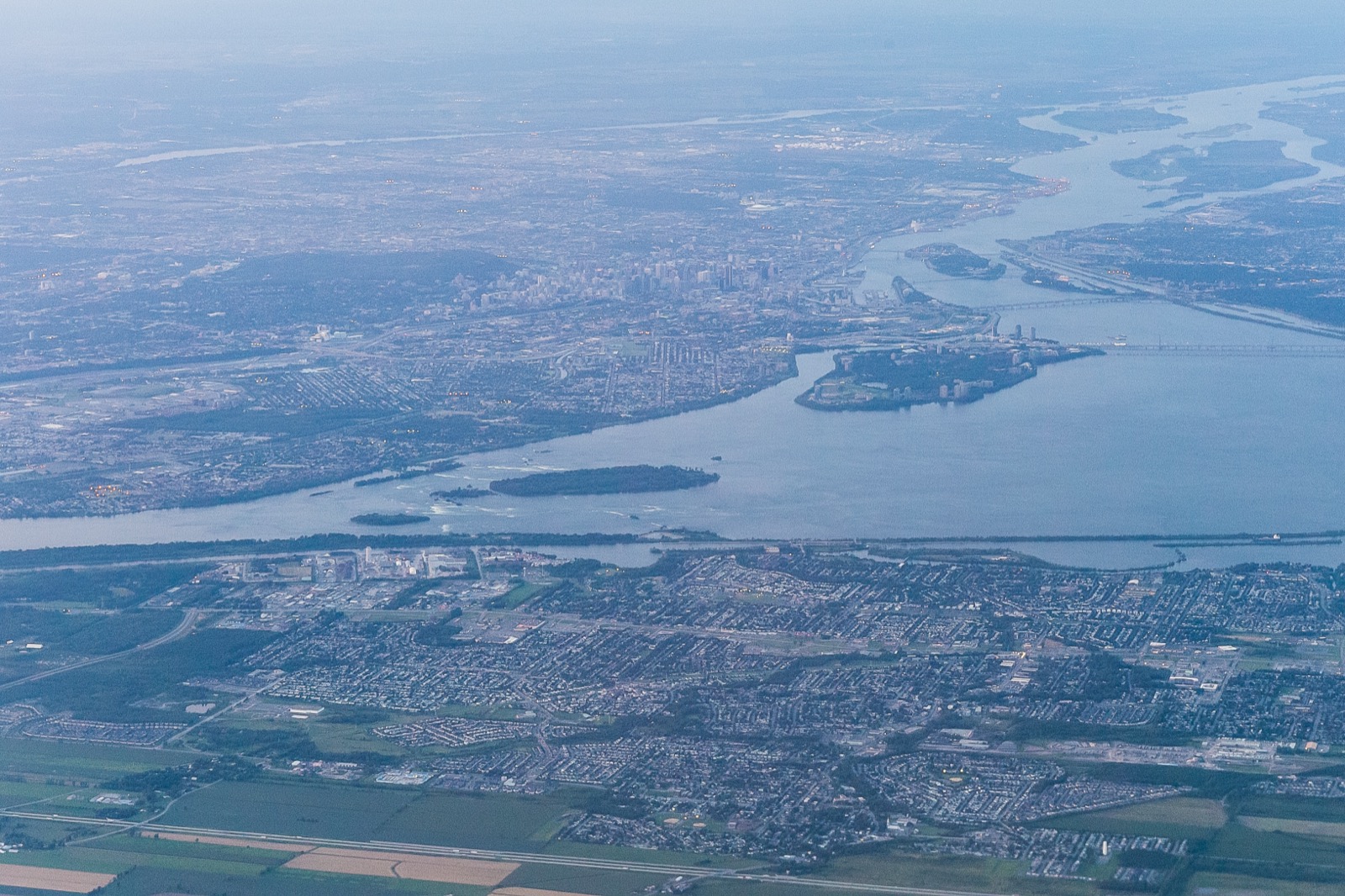
08 Aerial view of Saint-Constant and Sainte-Catherine, with the river and Montreal on the horizon
Neighbourhood life

The suburb with its feet on the ground, Montreal on the horizon

Seen from above, it all makes sense: tightly woven residential neighbourhoods, the river just to the north and downtown Montreal as a backdrop. On the ground, that translates into well-established bungalows and single-storey homes, newer streets around the station, and generally more land for your money than on the island. It's the math a lot of young families run.

Ask me about it: ask which part of town best fits your project. Between the village core, the 1970s streets and the newer sectors, there are real differences.
09
Family life

Parks, splash pads and three rinks

Fifteen parks with play structures, six splash pad areas, an outdoor recreation base with pickleball courts and an aquatic complex at Parc Lafarge, with its 25-metre pool and its endless river. Hockey fans, meanwhile, have the Isatis Sport complex and its three NHL-format rinks. Winter or summer, kids here have no excuse to stay on the couch.

Ask me about it: ask which parks drive up demand on the surrounding streets. Families shop for the park as much as the house.
10
Schools

A brand new high school

The new Jacques-Leber high school welcomes students into a brand new building starting in August 2026, with capacity raised to more than 1,200 students. On the elementary side, neighbourhood schools like l'Aquarelle, Félix-Leclerc, Piché-Dufrost and Vinet-Souligny fall under the Centre de services scolaire des Grandes-Seigneuries. For a town of families, that's far from a small detail.

Ask me about it: ask which streets fall under which school. It's one of the first questions parents ask me during a showing, and the answer shapes their choice.
Let's talk

Thinking about buying or selling in Saint-Constant? Let's start talking.

A free evaluation of your property, a picture of the local market, or simply answers to your questions. No strings attached, and a straight answer.

Start my real estate project

Photo credits