← Back to the North Shore map
Area · City of Saint-Eustache, Basses-Laurentides

Saint-Eustache

A mill that has been turning since 1762, a church riddled with cannonball marks, and two rivers meeting in front of the old village. Here's my top 10, the neighbour's version, not the brochure's.

Let's talk about this area

Saint-Eustache is the city where the Basses-Laurentides really begin. About forty thousand people live here, some twenty kilometres northwest of Montreal, on a territory split in two by Highway 640 and bordered by the Rivière des Mille Îles. It's also the seat of the Deux-Montagnes RCM, with the hospital, the large industrial parks and the head office of the school service centre for the whole area.

What my clients don't realize until they set foot here is just how much the city has two faces. On one side, an old stone village where a mill has been grinding flour since 1762. On the other, farm roads, lavender fields and a vineyard, ten minutes from the highway ramps.

I put this top 10 together for a simple reason: when you buy or sell, you're not just shopping for a property, you're shopping for a neighbourhood life. Every point comes with an opening for a conversation. Use it.

Maxime Laforest, residential and commercial real estate broker · Équipe Loiselle, RE/MAX Dynamique

The area's top 10

What makes the heart of Saint-Eustache beat.

Ten reasons buyers fall in love with the city, and why the ones who get here don't leave.

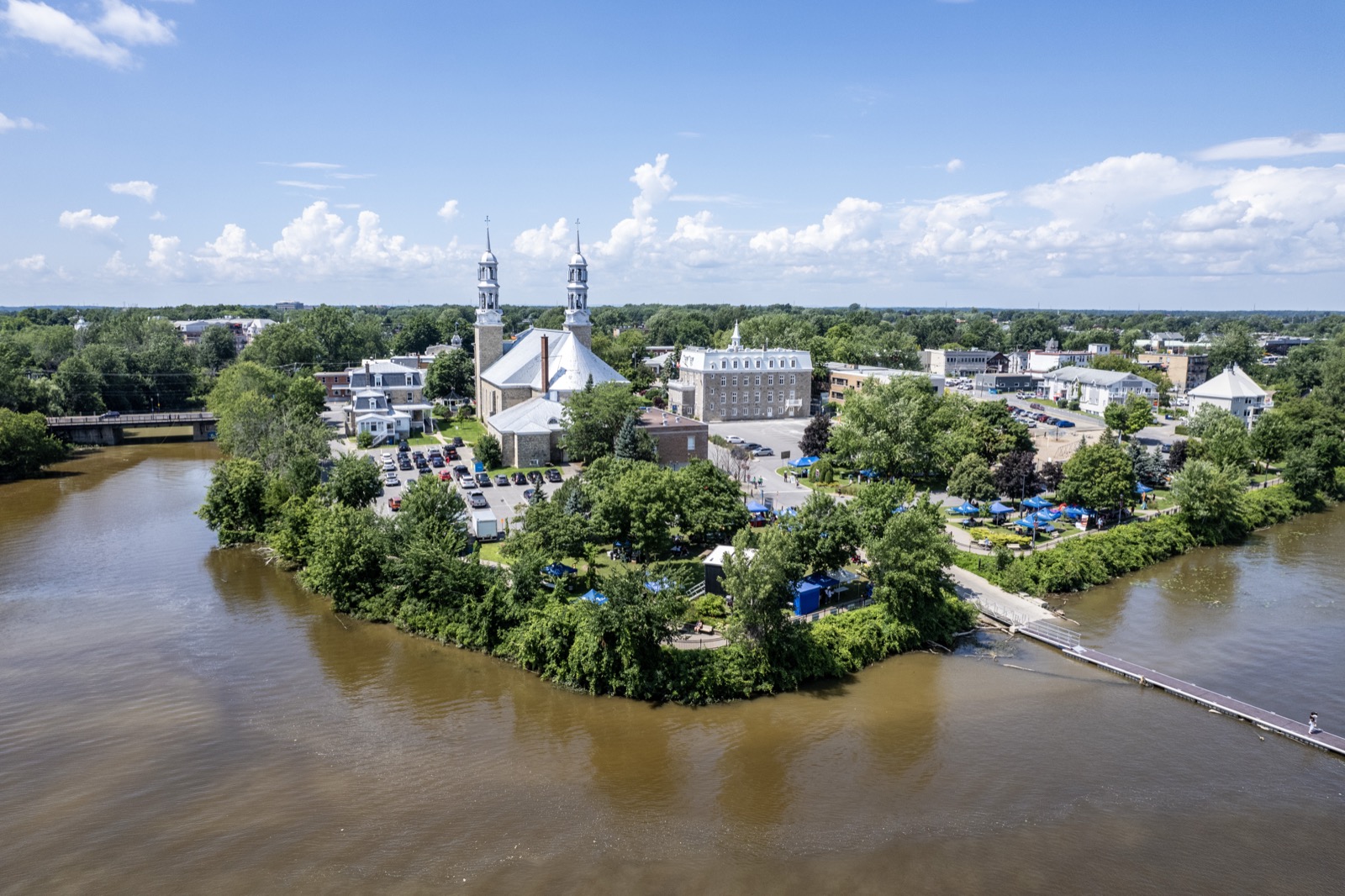
01 Aerial view of Vieux-Saint-Eustache, where the Rivière du Chêne meets the Rivière des Mille Îles
The heart

Vieux-Saint-Eustache, a point between two rivers

The old village occupies the point of land where the Rivière du Chêne flows into the Rivière des Mille Îles. Over a few hundred metres, around rue Saint-Eustache and rue Saint-Louis, you'll find the church, the presbytery, the seigneurial manor and the mill. In summer, the public market and the shows on the promenade Paul-Sauvé bring people walking through these streets.

Ask me about it: ask me what it takes to buy an older property in this area. The charm is real, but there are checks to run before you fall in love.
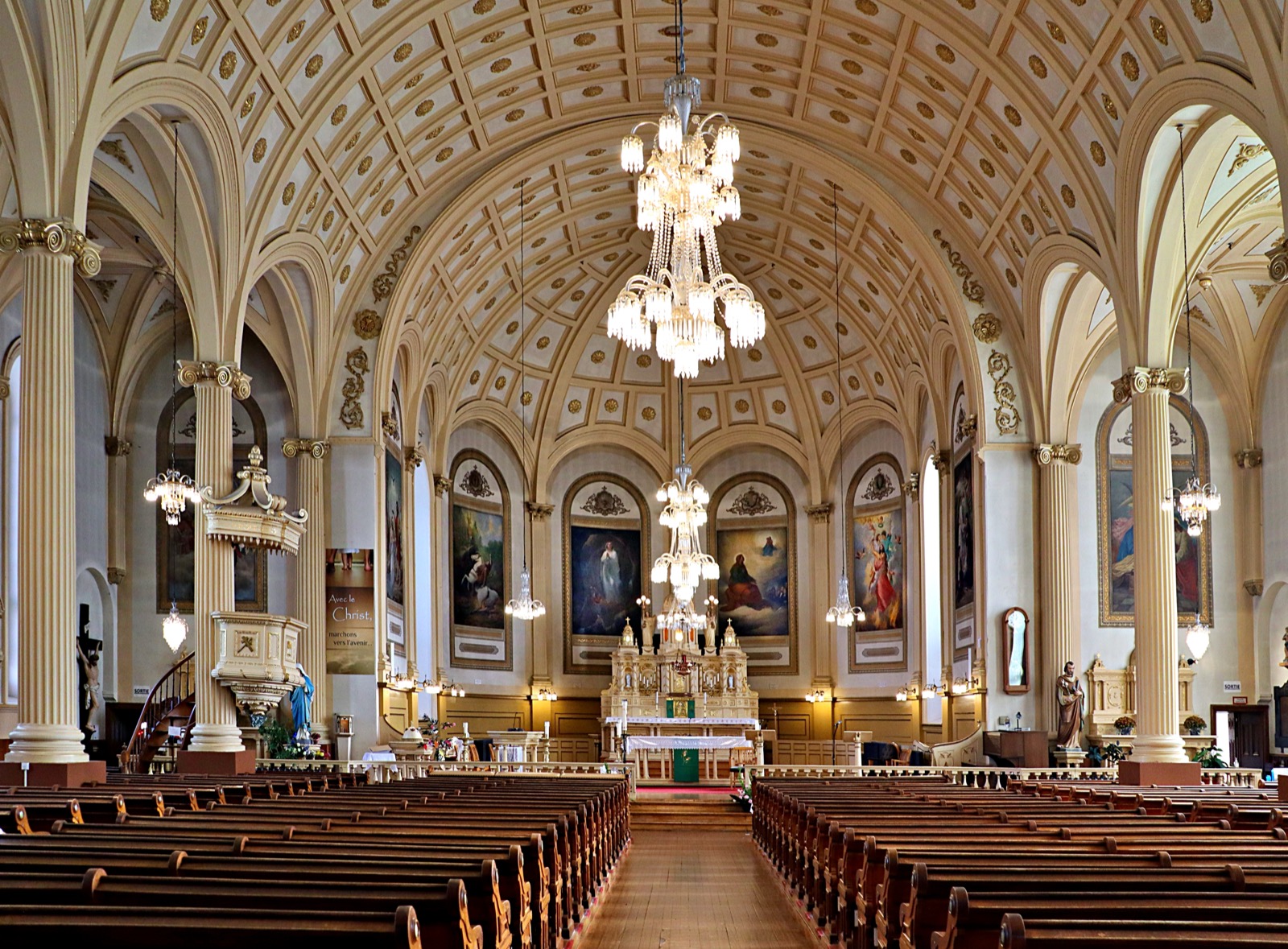
02 Interior of the Saint-Eustache church, its vaulted nave and chandeliers
History

A church marked by the cannonballs of 1837

Built between 1780 and 1783, the church served as the Patriotes' last stand on December 14, 1837. It was bombarded and then burned, and its façade still carries the marks of the cannonballs. Now recognized as a National Historic Site of Canada, it's also known for its acoustics: orchestras come here to record. The monument to the Patriotes stands right out front, between the church and the presbytery.

Ask me about it: ask me why that history still matters in how people here talk about their city. It explains a lot about the attachment to the old village.
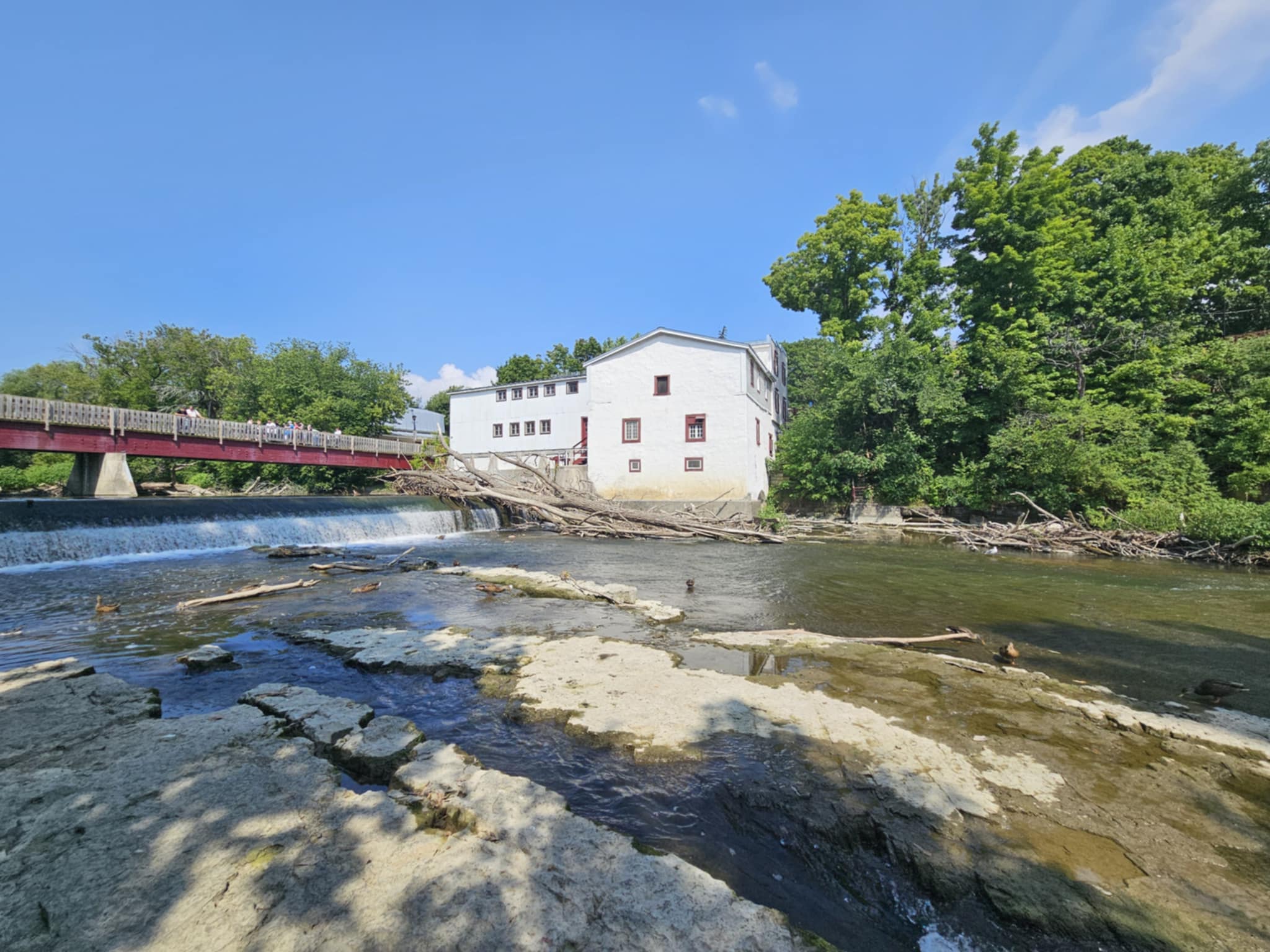
03 The moulin Légaré on the bank of the Rivière du Chêne, with its red footbridge and the dam
The icon

The moulin Légaré, 1762 and still running

Built in 1762 by the seigneur de la Rivière-du-Chêne, the moulin Légaré has never stopped grinding. It's the oldest continuously operating water mill in North America, and it produces dozens of tonnes of wheat and buckwheat flour every year, sold on site. The red footbridge crossing it and the small dam make it the most photographed spot in the city.

Ask me about it: ask me which streets in the area let you walk there. It's an argument I use often on showings with buyers from the island.
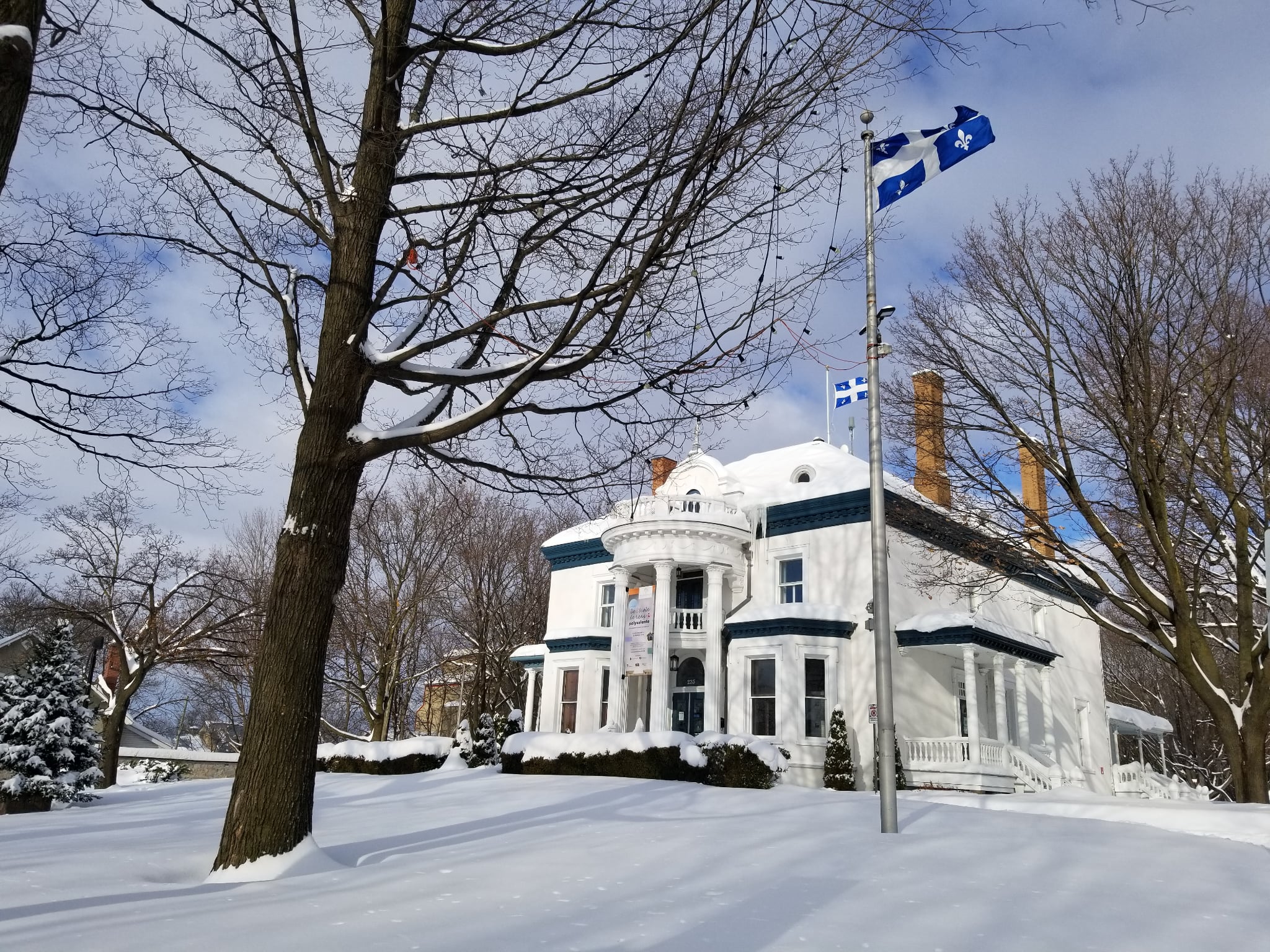
04 The Globensky manor under snow, with the Quebec flag in front
Culture

The Globensky manor and the Petite Église

The Globensky manor, built between 1861 and 1865 across from the mill, served as city hall until 1986 before becoming the Maison de la culture et du patrimoine. It houses a permanent exhibition on the events of 1837 and is the starting point for the old village's guided tours. A bit further on, the former Presbyterian church converted into a cabaret, the Petite Église, hosts shows year-round, and the Guy-Bélisle library on chemin de la Grande-Côte rounds out the picture.

Ask me about it: ask me what this cultural offering is worth compared with a newer suburb. For a lot of families, it's what tips the scale.
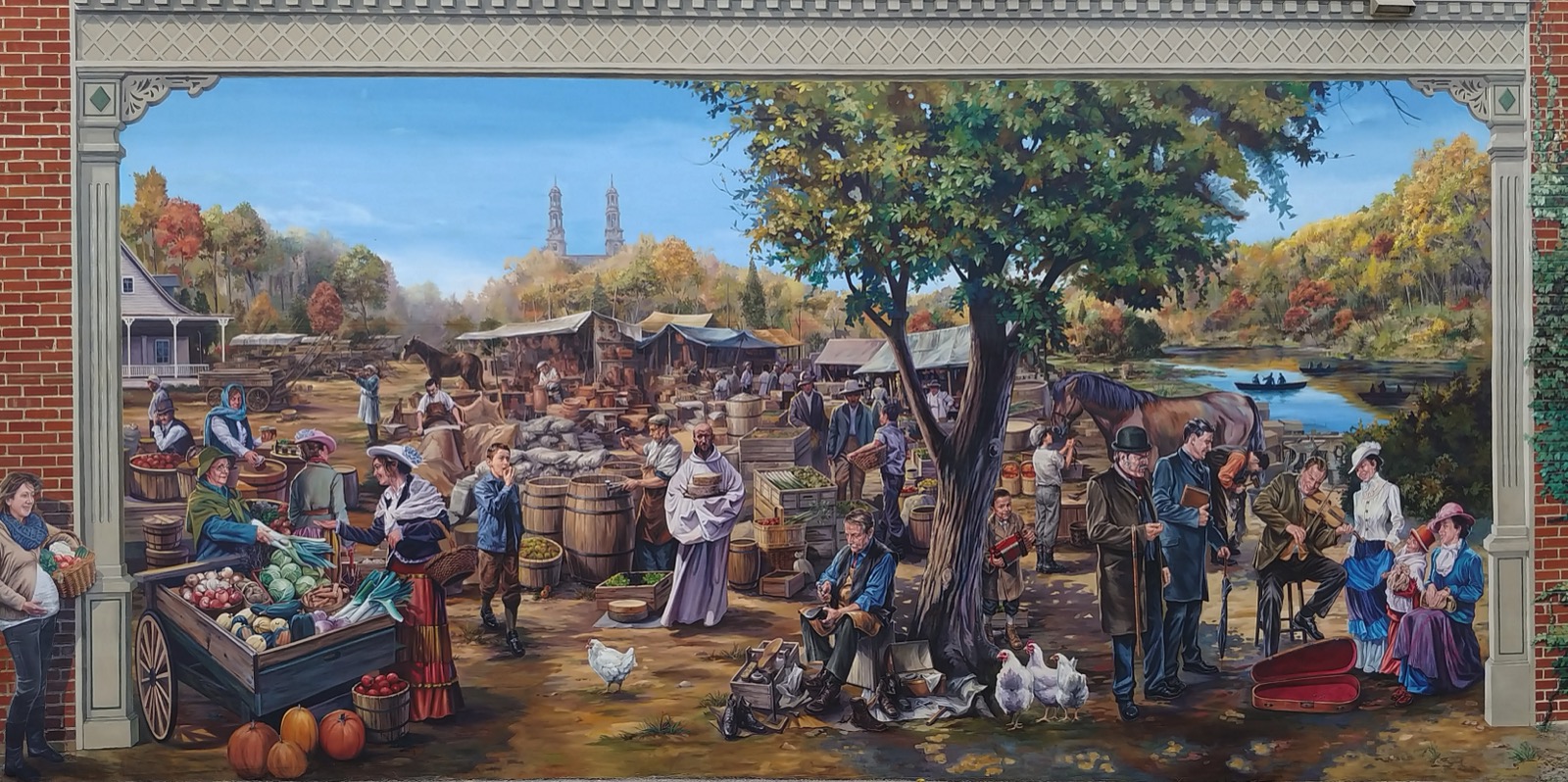
05 Painted mural depicting the Saint-Eustache public market in the 19th century
Local colour

The murals that tell the story of the village that was

Several walls in the old village have been painted on a large scale: the 19th-century public market, the old inn, the tribute to the Patriotes. You come across them while walking, often without looking for them. It's the kind of detail that gives a neighbourhood its character, and it explains why locals bring visitors for a walk through the Old Village rather than to the mall.

Ask me about it: ask me to walk you through the old village on foot before a showing. You understand a city much faster that way.
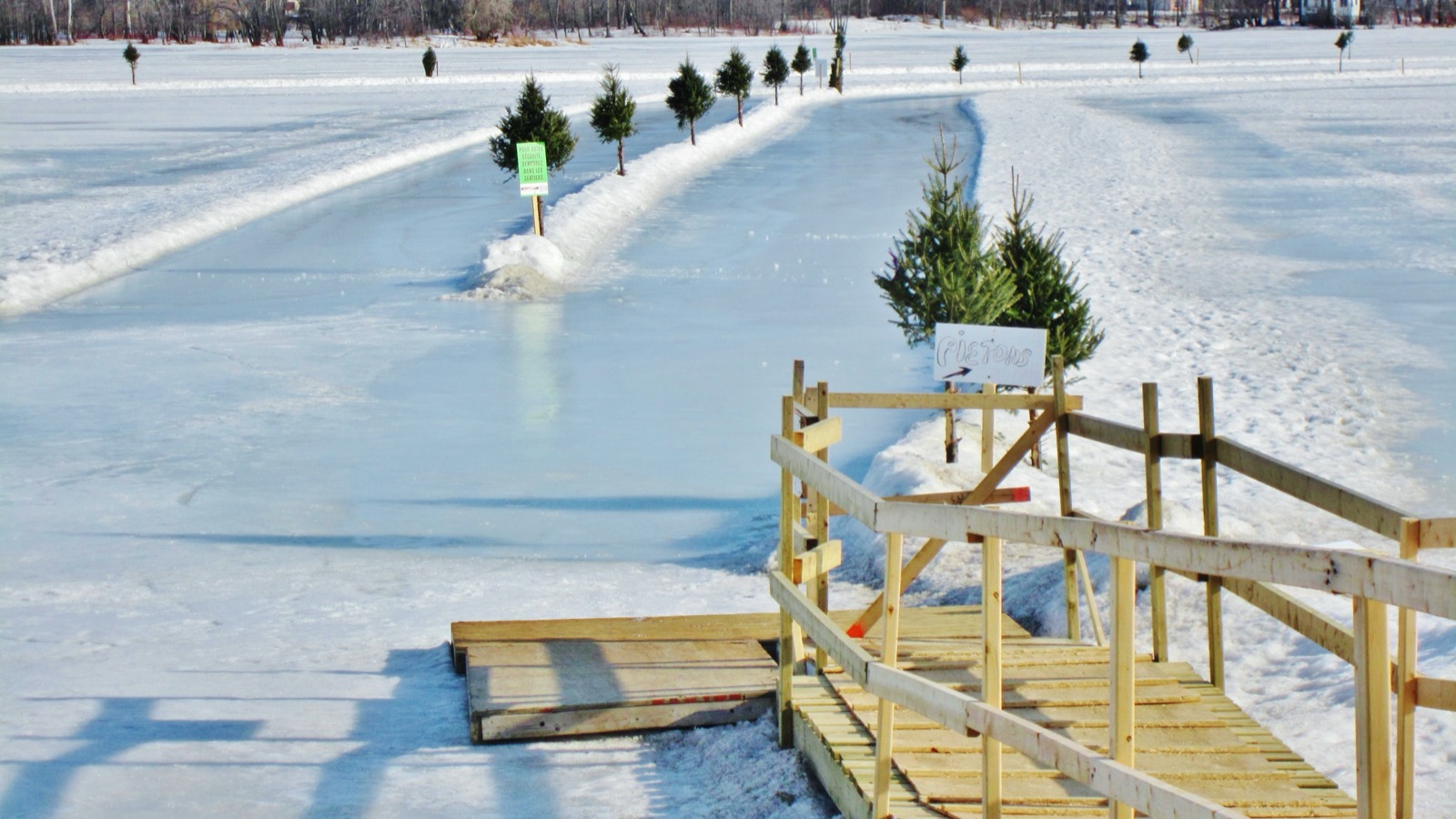
06 A maintained skating rink on the ice of the Rivière des Mille Îles in Saint-Eustache
Waterfront

The Rivière des Mille Îles, all four seasons

The river runs along the whole southern edge of the city and serves as a year-round playground: canoeing, kayaking and rabaska in summer with the Parc de la Rivière-des-Mille-Îles, skating rinks and trails on the ice in winter. The La Vagabonde bike path follows the river and the Lac des Deux Montagnes all the way to Deux-Montagnes, Sainte-Marthe-sur-le-Lac and Oka. On the north side, the Parc Nature Saint-Eustache offers 65 hectares of trails, including a cross-country ski network of more than 15 kilometres.

Ask me about it: ask me which streets give direct access to the water or the trails, and which ones sit in a flood zone. It's the first check I run in this area.
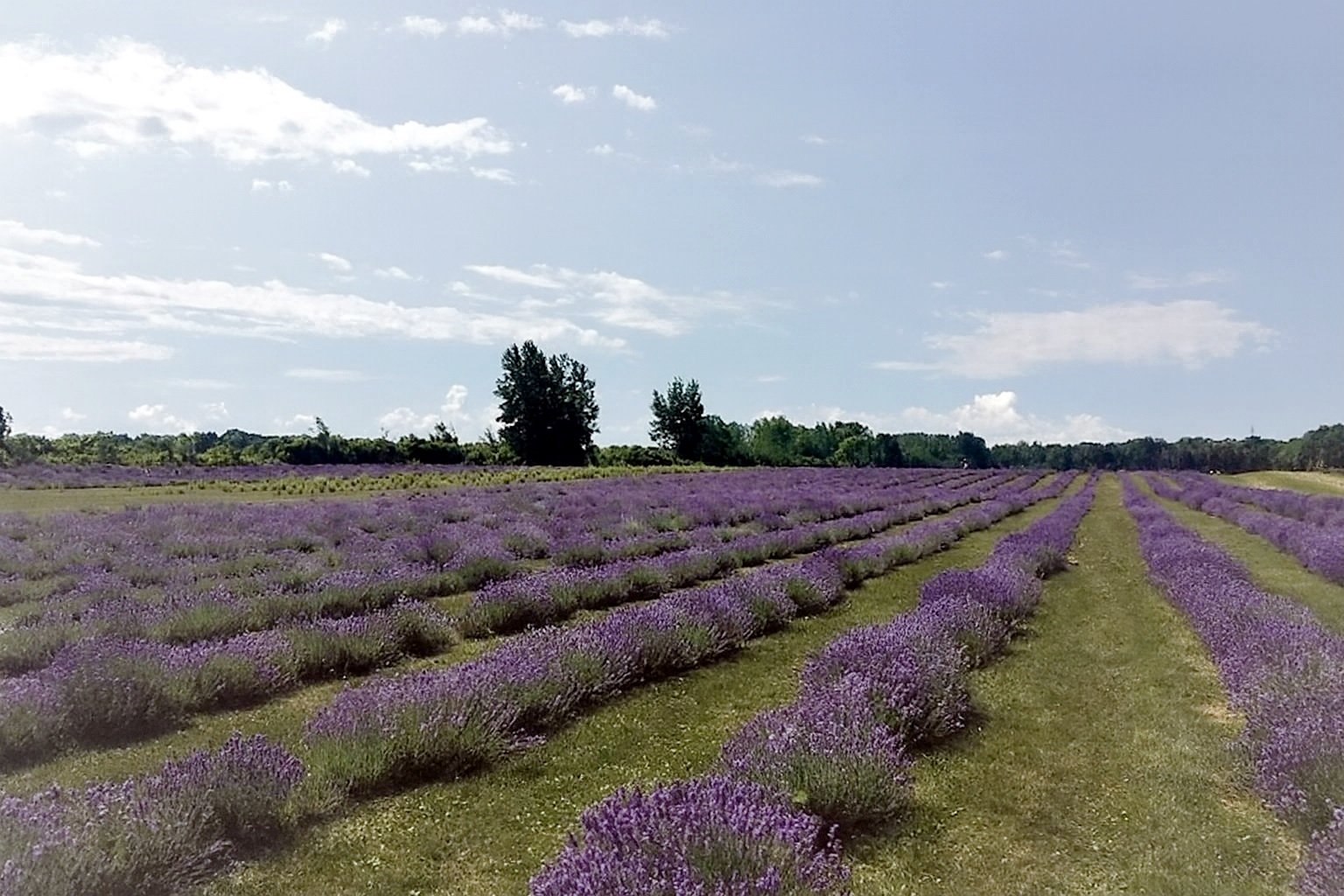
07 Lavender field in bloom in Saint-Eustache
Countryside

Lavender fields and a vineyard at the end of the roads

North of the city, the country roads stay agricultural. La Maison Lavande, on chemin Fresnière, opens its fields from late June to mid-August with a bistro and a perfumery. Vignoble Rivière du Chêne, founded in 1998 on chemin de la Rivière Nord, grows more than 25 hectares of vines and is part of the Basses-Laurentides wine route. Few cities of this size keep real countryside inside their limits.

Ask me about it: ask me how buying in an agricultural zone works here. The rules aren't the same as in a residential area, and that often catches people off guard.
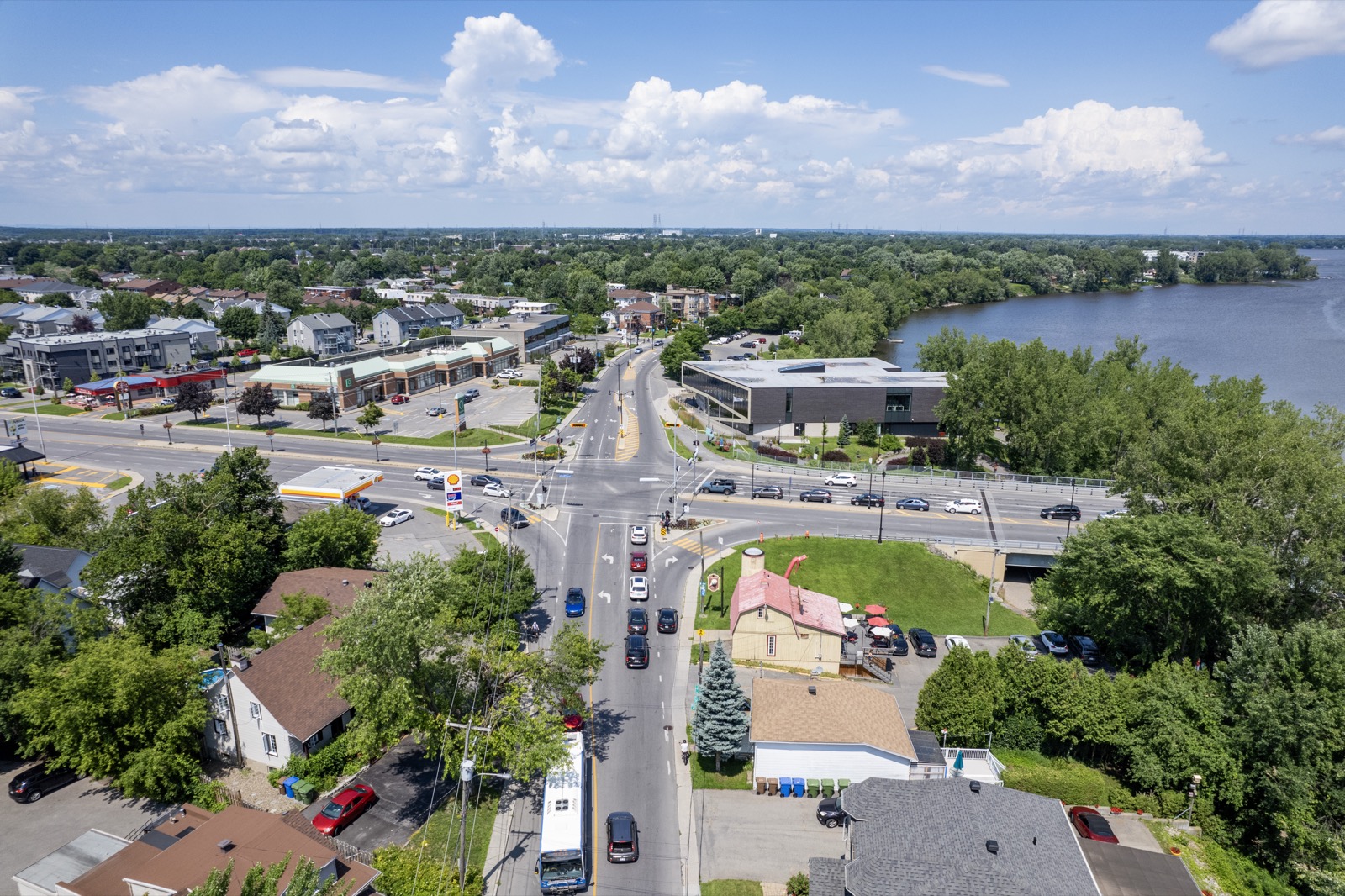
08 Aerial view of the intersection of boulevard Arthur-Sauvé, chemin de la Grande-Côte and rue Saint-Louis, along the Rivière des Mille Îles
Access

Highway 640, Highway 13 and the bridge to Laval

Highway 640 crosses the city from east to west and leads to Highway 15 in a few minutes, while Highway 13 comes up from the south, crossing the Rivière des Mille Îles. Boulevard Arthur-Sauvé is Route 148: it runs down toward Laval-Ouest via the Arthur-Sauvé bridge and concentrates a good share of the shops and services. Route 344, for its part, crosses the entire length of the city, from the old village out to the farm roads.

Ask me about it: ask me how long it really takes from your place to downtown at rush hour. I'd rather look at the map together than sell you a theoretical number.
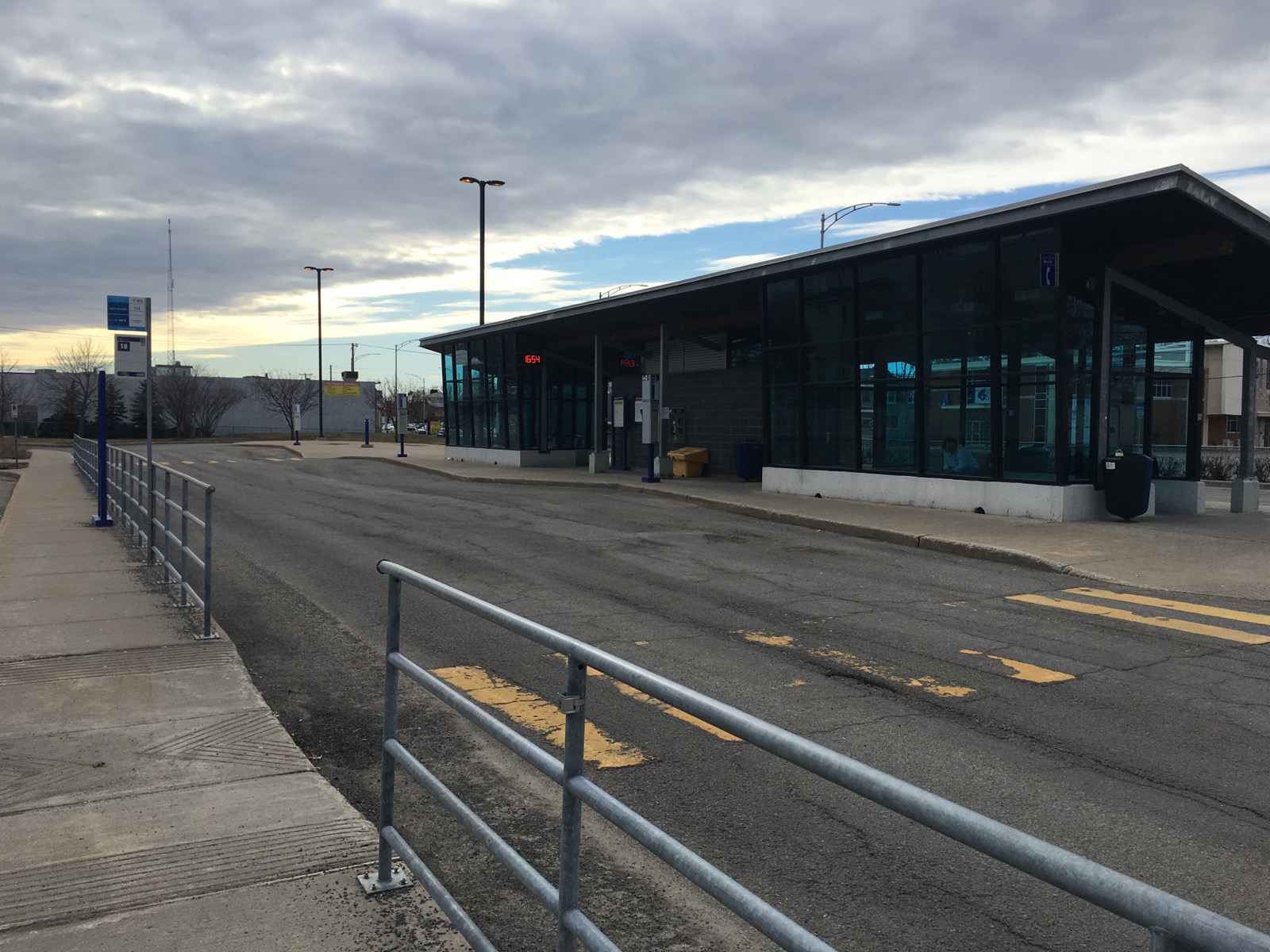
09 The exo bus terminus in Saint-Eustache, on boulevard Arthur-Sauvé
Transit

The REM, a bus ride away

The REM's Deux-Montagnes branch has been in service since November 17, 2025, and the area's exo bus network was redone just before to feed the lines into the stations. Saint-Eustache doesn't have a station within its territory, but its terminus at 144 boulevard Arthur-Sauvé, with park-and-ride and bike racks, feeds the Deux-Montagnes and Grand-Moulin stations. Other routes lead to the Montmorency metro in Laval or directly to downtown Montreal.

Ask me about it: ask me which parts of the city are actually well served by bus. The difference from one neighbourhood to the next is bigger than people think.
10
Working here

The hospital, the plants and the local schools

North of Highway 640, the Jean-Paul-Paquette industrial park and the Innoparc Albatros bring together more than 200 businesses and thousands of jobs, including those at the Nova Bus plant, which assembles city buses. The Saint-Eustache hospital, on boulevard Arthur-Sauvé since 1962, serves as a reference centre for the Basses-Laurentides and is the subject of a planned expansion of its emergency department. On the schools side, the Centre de services scolaire de la Seigneurie-des-Mille-Îles has its head office here, and École secondaire des Patriotes welcomes close to 1,900 students.

Ask me about it: ask me what it changes to buy near an employment hub like this one. For an income property, it's not a small detail.
Let's talk

Thinking about buying or selling in Saint-Eustache? Let's start with a conversation.

A free evaluation of your property, a picture of the local market, or simply answers to your questions. No strings attached, and a straight answer.

Start my real estate project

Photo credits