← Back to the island map
Area · Borough of Saint-Laurent

Saint-Laurent

Montreal's largest borough, a brand new REM line, and three centuries of history hiding behind the industrial parks. My top 7, neighbour's version, not brochure version.

Let's talk about this area

A lot of people drive through Saint-Laurent without really seeing it: the highway, the industrial zones, the wide boulevards. Then you turn onto a residential street and discover a whole world of a borough, more than 100,000 residents, with an old village founded in the eighteenth century, a protected woodland, and since November 2025, a REM line that runs straight downtown with no transfer.

I put this top 7 together for a simple reason: when you buy or sell, you're not just shopping for a property, you're shopping for a neighbourhood life. Each point comes with a way in to start a conversation. Use it.

— Maxime Laforest, real estate broker · Équipe Loiselle, RE/MAX Dynamique

The area's top 7

What makes the heart of Saint-Laurent beat.

Seven reasons buyers fall for this area, and why the ones who move here never leave.

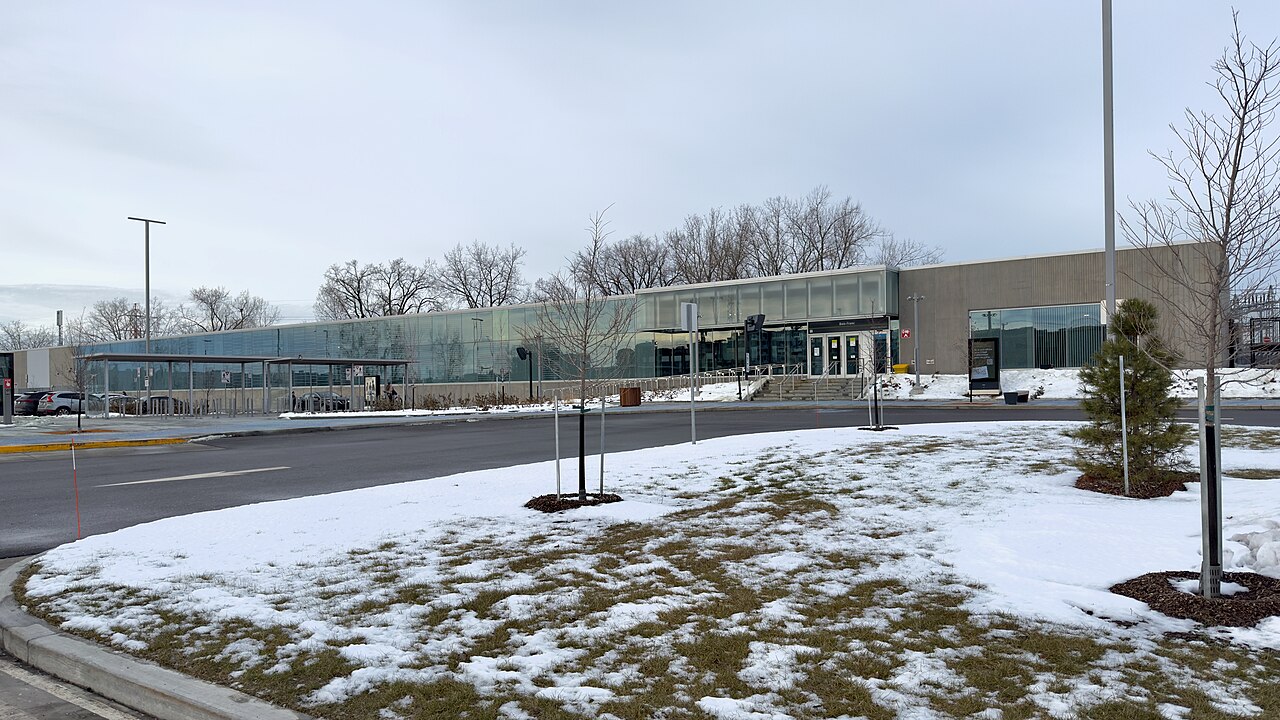
01 The REM's Bois-Franc station, in Saint-Laurent
Transport

The REM, four stations since November 2025

Since November 17, 2025, the REM has connected the area to downtown with no transfer: Côte-de-Liesse, Montpellier, Bois-Franc, plus Du Ruisseau, which serves the border with Ahuntsic-Cartierville. Infrastructure like this reshapes a neighbourhood's value, and here it's already running, not sitting on a drawing board.

Ask me about it, which stations are surrounded by newer condos and which ones still hide quiet streets within walking distance. That nuance matters a lot when you're buying.
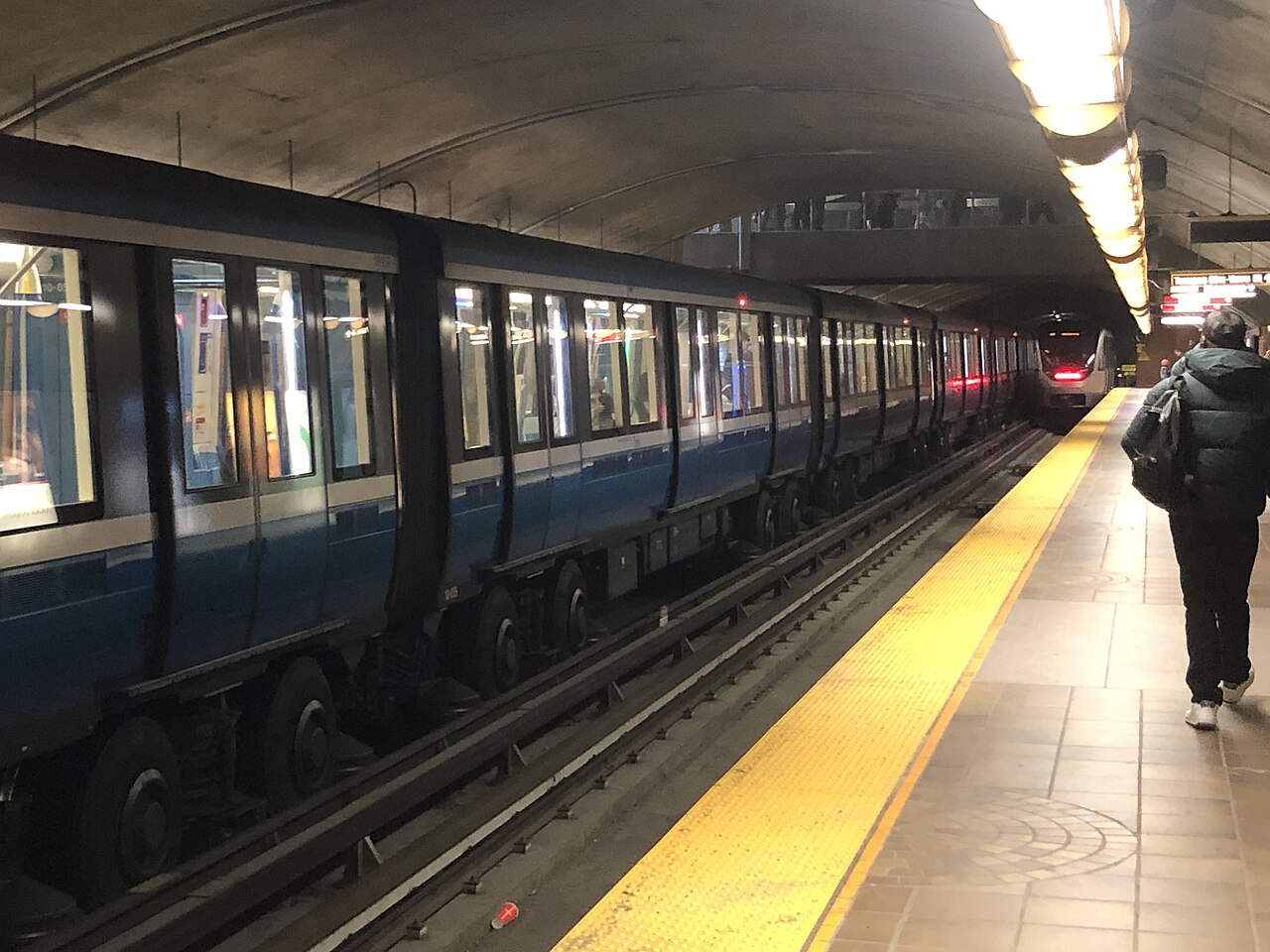
02 Two trains at the platform at Côte-Vertu metro station
Metro

Côte-Vertu, terminus of the Orange Line

Two Orange Line stations, Côte-Vertu, the northwest terminus since 1986, and Du Collège, on top of the REM and its stations: it's rare for a borough outside downtown to have all of that. And starting from the terminus is close to a guarantee of a seat in the morning.

Ask me about it, which pockets around Côte-Vertu strike the best balance between a walk to the metro and residential quiet. The answer often surprises people.
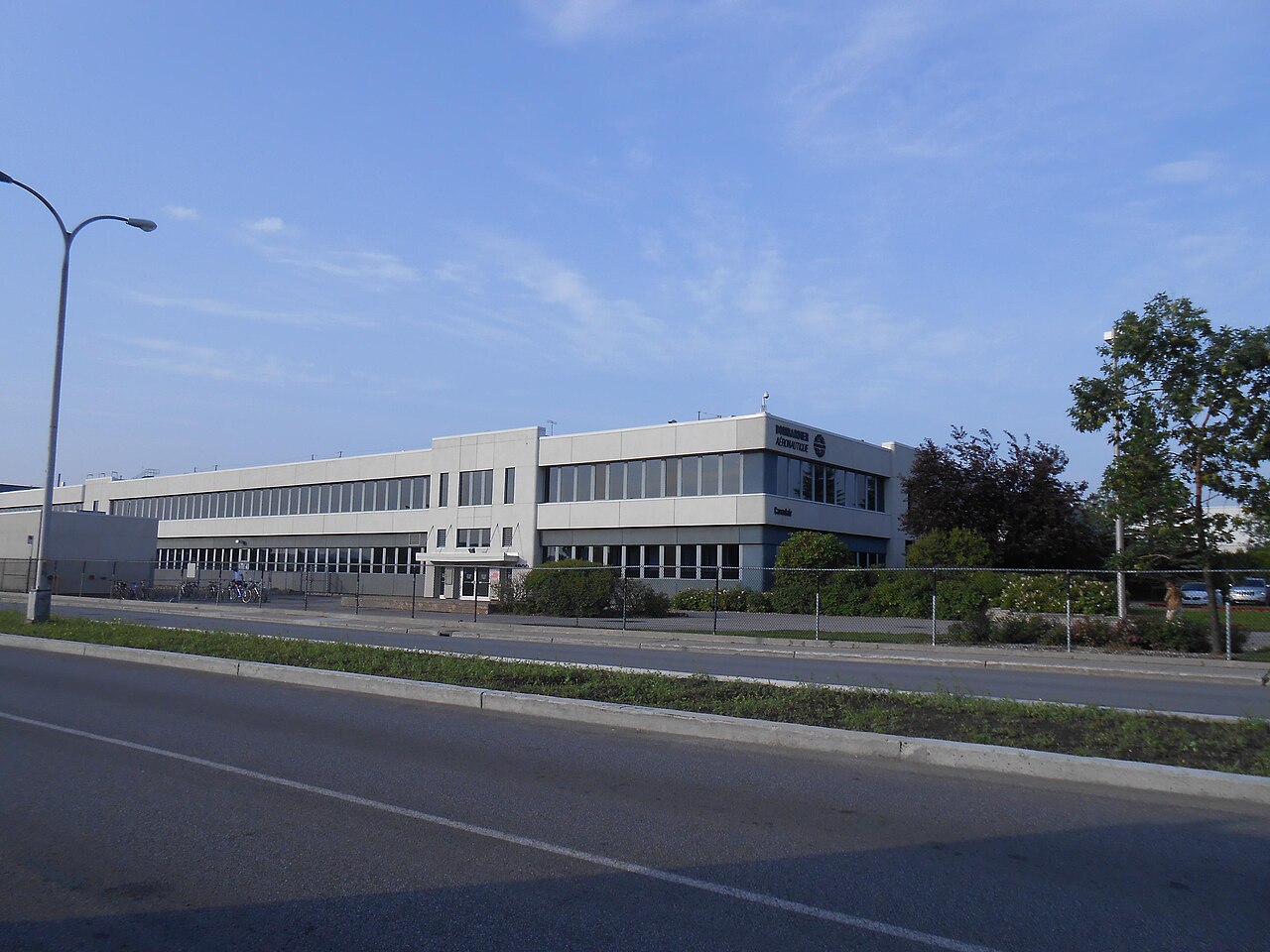
03 Bombardier Aviation plant, in Saint-Laurent's aerospace hub
The engine

An aerospace hub that keeps the area running

The second largest industrial park in Quebec: CAE's head office, Pfizer here since 1942, the Canadair legacy, and the Technoparc, home to about a hundred companies and thousands of jobs. Being able to live and work in the same borough is an advantage a lot of buyers underestimate.

Ask me about it, what the Marie-Curie REM station, planned for 2027 at the Technoparc, could change for the residential areas around it. The people thinking about it now are getting a head start.
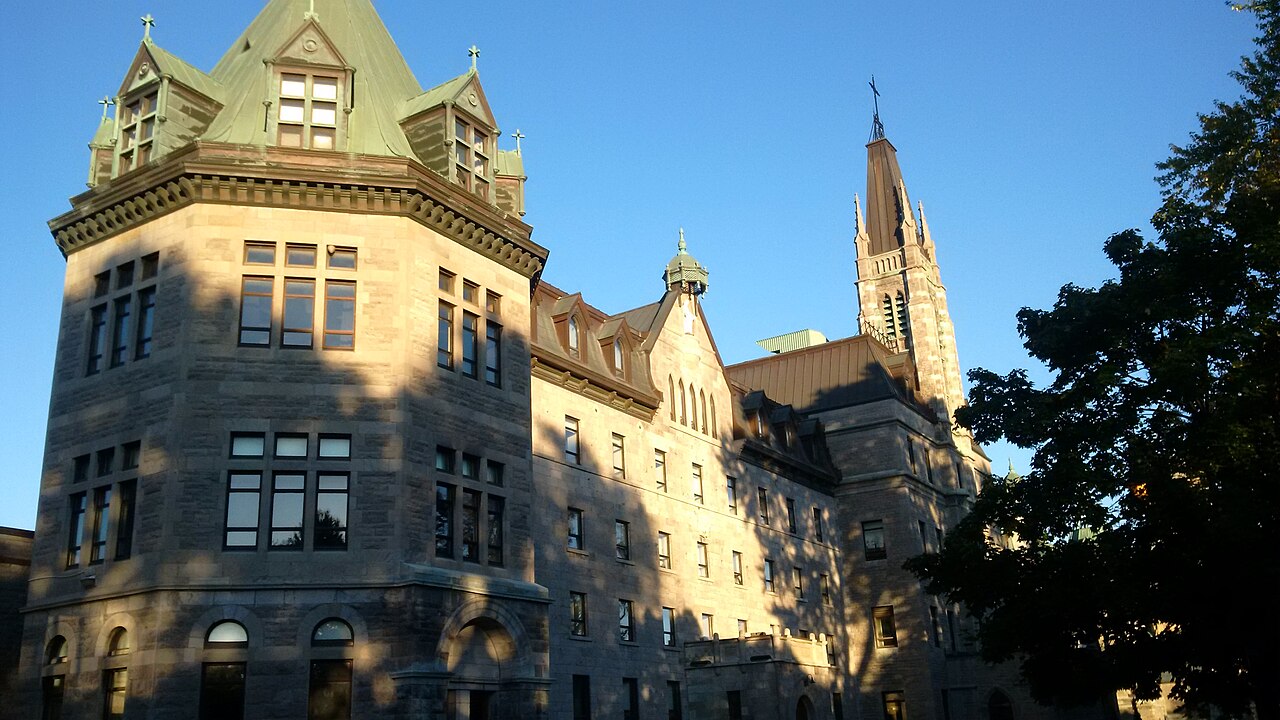
04 The historic Saint-Laurent CEGEP campus, in Old Saint-Laurent
Heritage

Old Saint-Laurent, 300 years of history

Founded as a parish in 1720, the old village has kept its core around Sainte-Croix Avenue: two CEGEPs side by side, the church, the Salle Émile-Legault, the library, a cultural district recognized by the borough, with the nearby Décarie Boulevard in the middle of a revitalization. A depth you wouldn't expect.

Ask me about it, how a downtown church ended up here: bought for a dollar in 1930, taken apart stone by stone, then rebuilt. It's the MUMAQ today. The kind of story that gives a neighbourhood a soul.
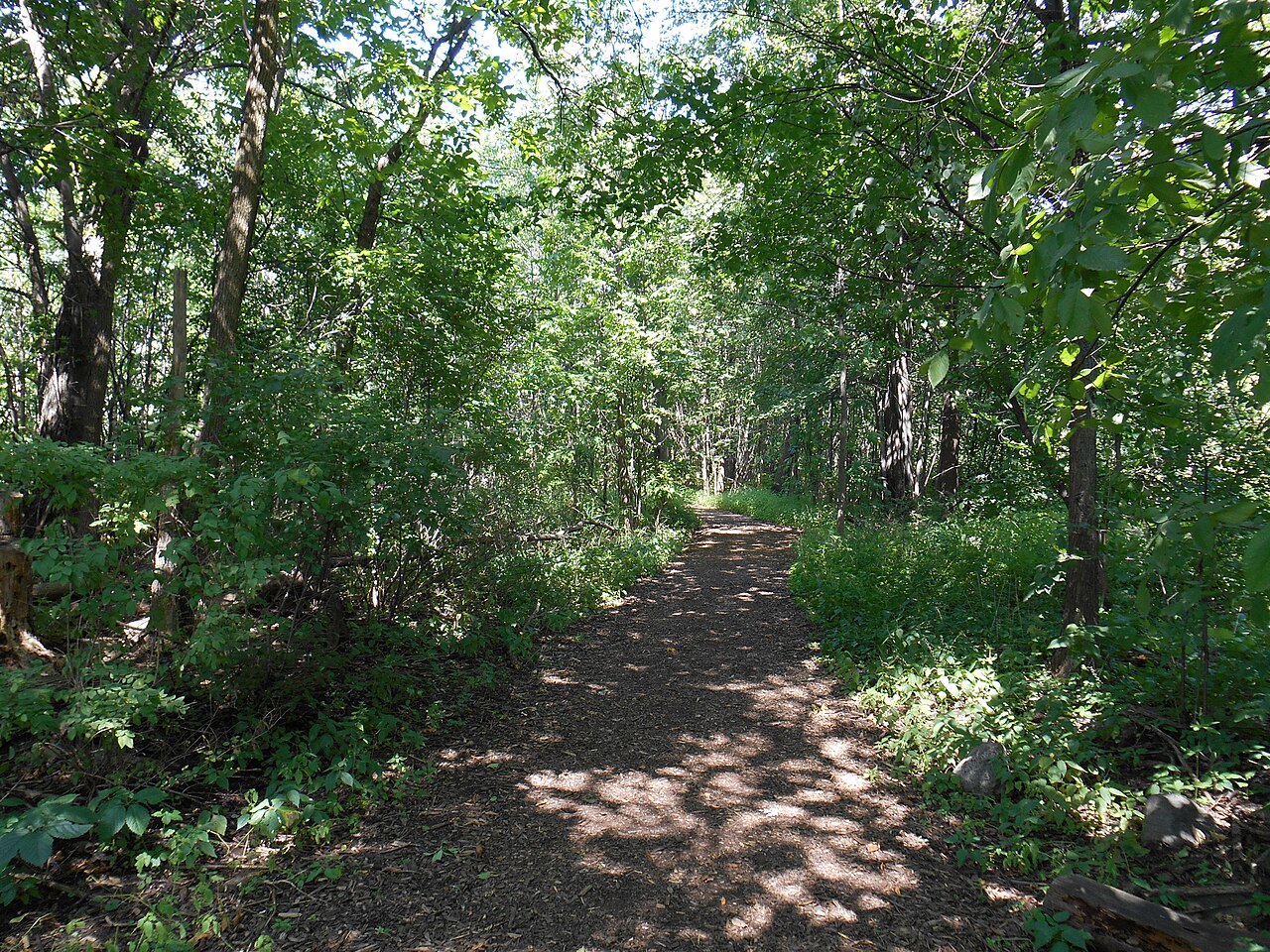
05 A trail through the Marcel-Laurin park woods, in Saint-Laurent
Nature

The woods of Marcel-Laurin Park

About 16 hectares and six ecosystems, forest, marsh, and old field, right in the city, with red foxes, groundhogs, and rabbits as neighbours. The first category A municipal natural area listed in the agglomeration's registry of protected areas, with close to a million dollars raised to preserve it.

Ask me about it, which residential streets open almost directly onto the woods. Living next to a protected natural area is something that can't be rezoned away.
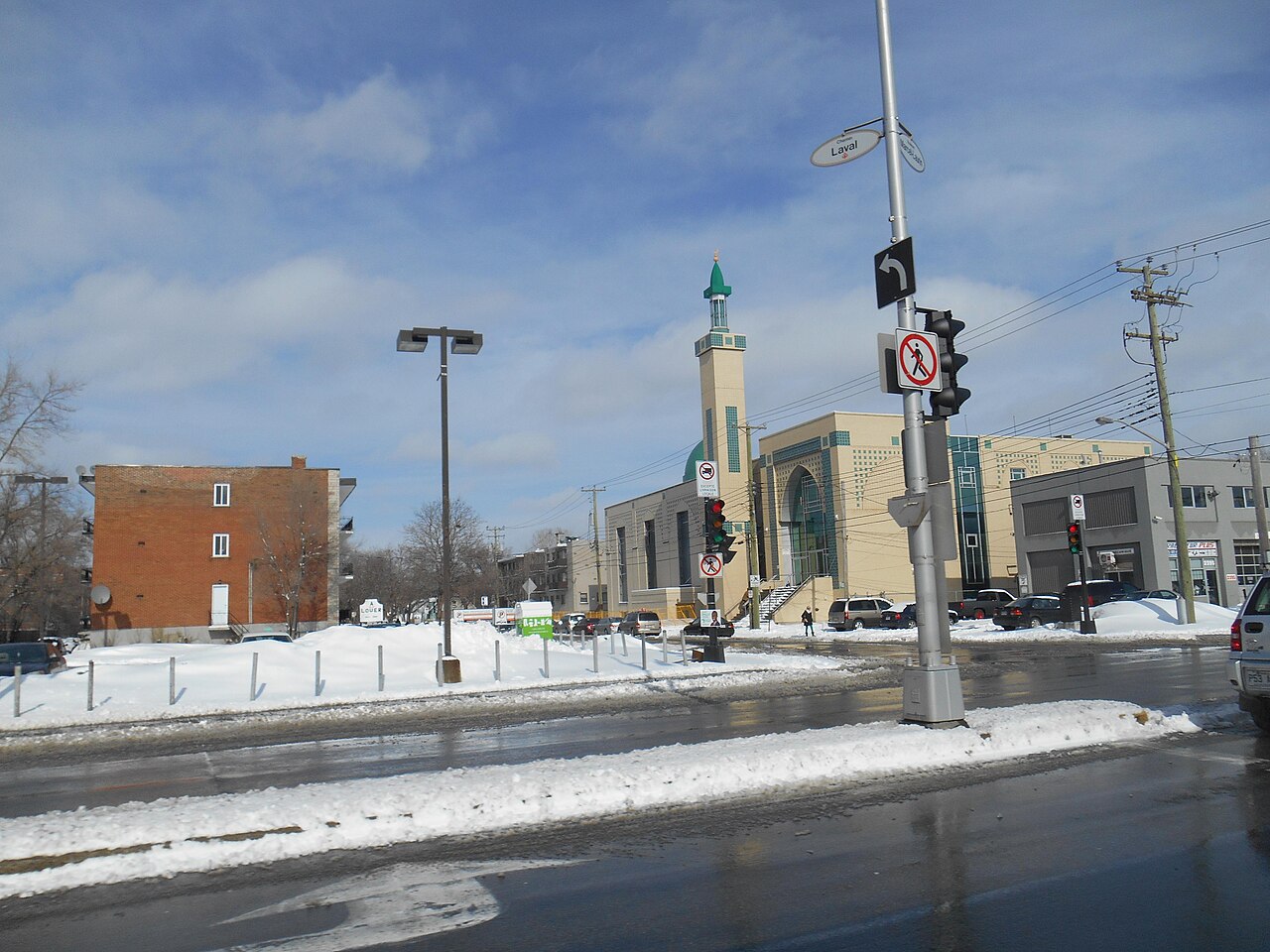
06 The Islamic Centre of Quebec, Laval Road, in Saint-Laurent
The mosaic

A world in one borough: 54% immigrant population

With 54% immigrant population and about 60% of residents bilingual, Saint-Laurent is one of the most multicultural parts of Montreal, from the Chameran area, affectionately nicknamed "Little Beirut," to businesses from every background. The result is a neighbourhood life with a rare kind of richness.

Ask me about it, which pockets let you taste this mosaic best, grocery stores, restaurants, bakeries, and which ones suit families who want that diversity as part of daily life.
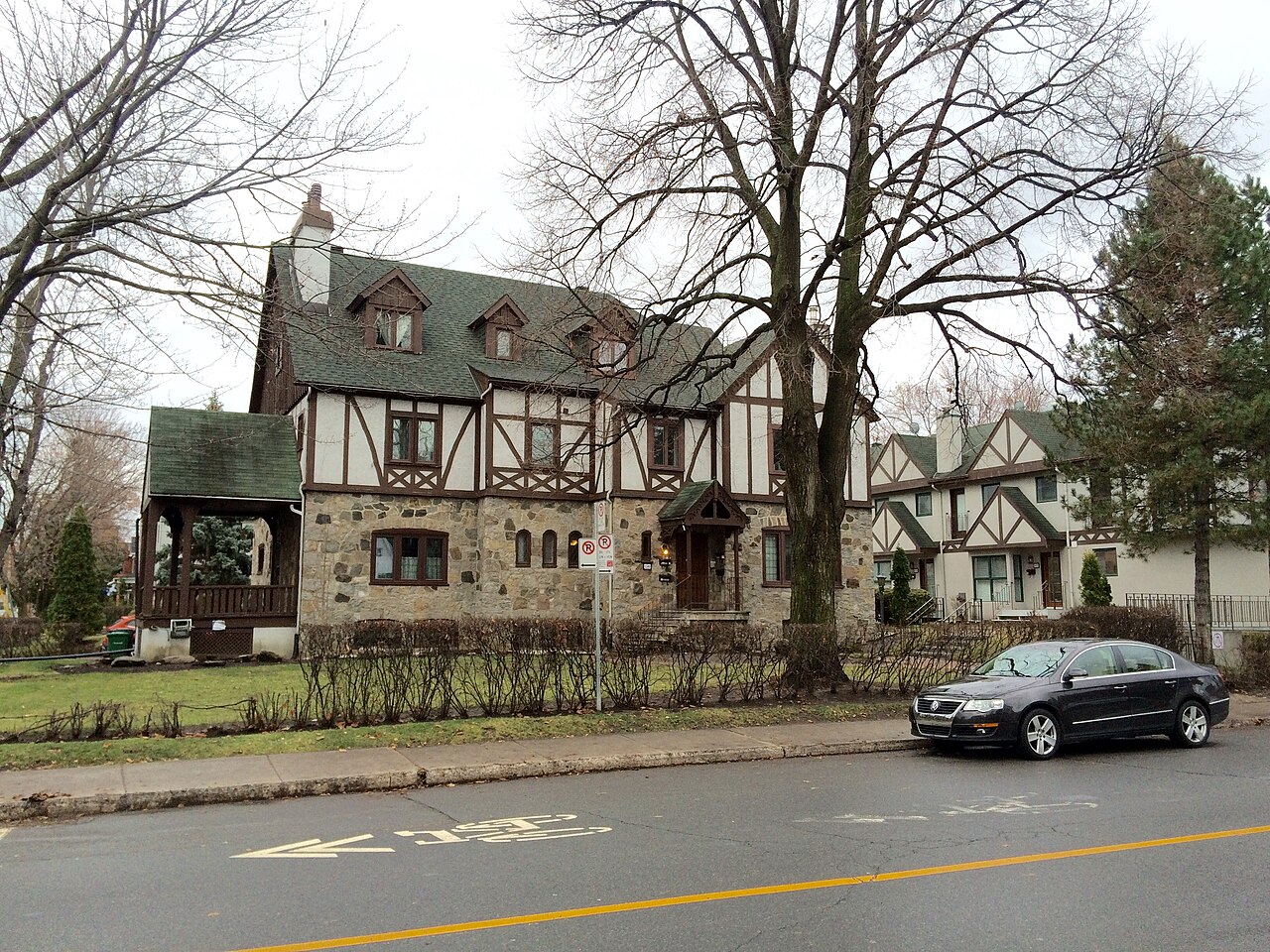
07 Brick and stone houses in a residential part of Saint-Laurent
The safe bet

The largest borough, every style of home

At 42.8 square kilometres, it's the largest borough in Montreal, and the housing stock matches that: postwar bungalows and cottages in Norgate or Du Collège, semi-detached homes, duplexes, newer condos near the REM, and Bois-Franc, the first Quebec project recognized by the Congress for the New Urbanism, still under development.

Ask me about it, what sets a Bois-Franc street apart from a Nouveau Saint-Laurent street when it comes time to resell. Picking the right micro area matters a lot.
Let's talk

Thinking about buying or selling in Saint-Laurent? Let's start with a conversation.

A free evaluation of your property, a picture of the local market, or simply answers to your questions. No strings attached, and a straight answer.

Start my real estate project

Photo credits