← Back to the island map
Area · Borough of Saint-Léonard

Saint-Léonard

Montreal's great Italian neighbourhood, a genuine cave under a local park, and two metro stations planned for 2031. My top 7, neighbour's version, not brochure version.

Let's talk about this area

Saint-Léonard is the sturdy version of east-end Montreal: streets lined with brick duplexes from the 1950s and 60s, the smell of espresso and fresh bread on Jean-Talon Est, and families who settle in for three generations. A former farming village that became a city, then a borough, without ever losing its accent.

I put this top 7 together for a simple reason: when you buy or sell, you're not just shopping for a property, you're shopping for a neighbourhood life. Each point comes with a way in to start a conversation. Use it.

— Maxime Laforest, real estate broker · Équipe Loiselle, RE/MAX Dynamique

The area's top 7

What makes the heart of Saint-Léonard beat.

Seven reasons buyers fall for this area, and why the ones who move here never leave.

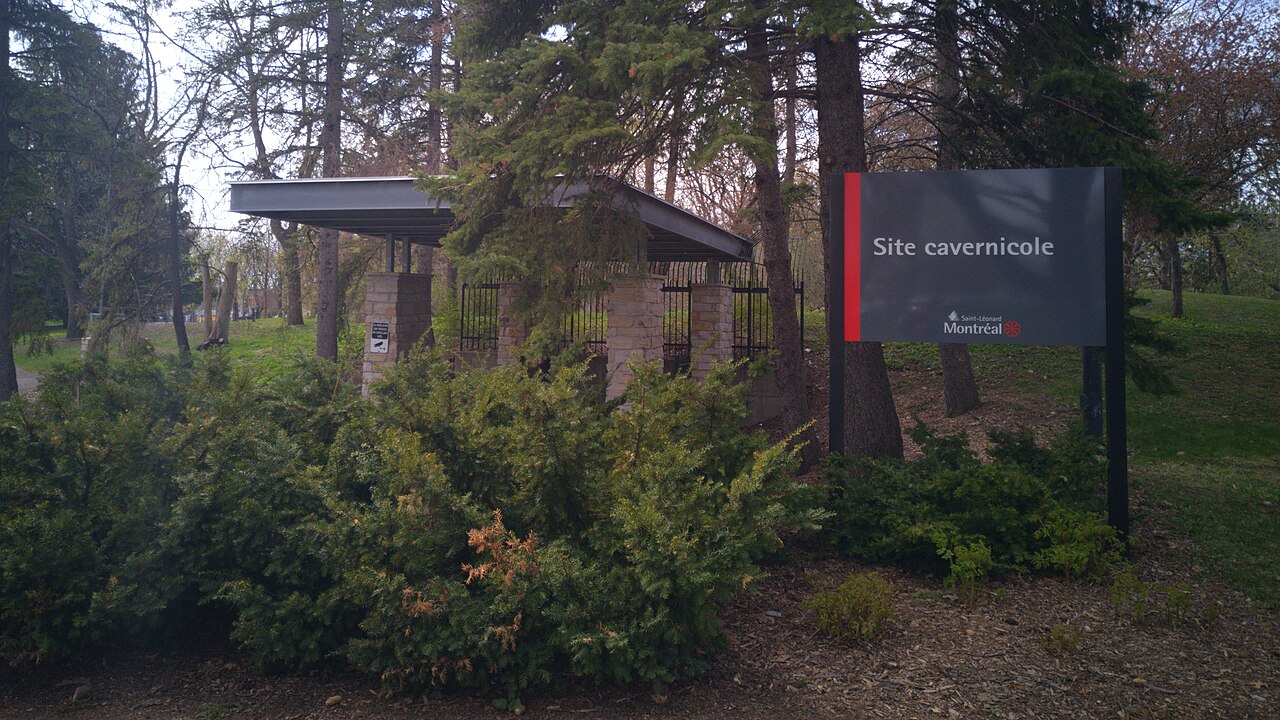
01 The entrance to the Saint-Léonard cave site, at Pie-XII park
The icon

A genuine cave under Pie-XII park

Under a local park sleeps a cave formed more than 15,000 years ago in limestone that's 450 million years old. Discovered in 1812 and long nicknamed the "fairy hole," it now offers, thanks to the galleries uncovered in 2017, close to 400 metres to explore in summer with Spéléo Québec, by reservation.

Ask me about it, how to book your spot before the summer season fills up, and which quiet streets border Pie-XII park. It's the kind of neighbourhood secret that makes people smile when they visit.
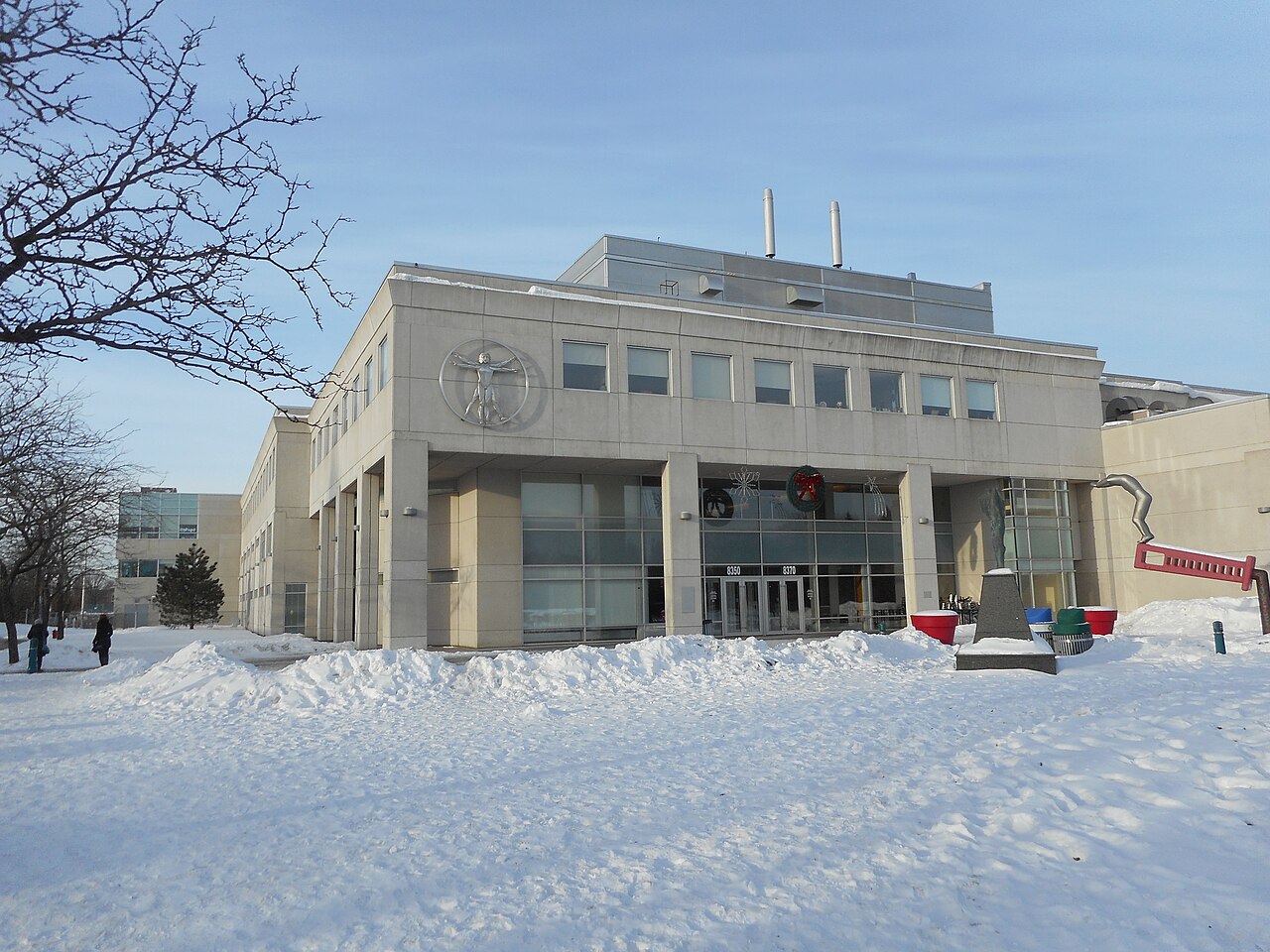
02 The Leonardo da Vinci Centre, on Lacordaire Boulevard in Saint-Léonard
Culture

The Italian heart of Montreal

About 25,500 residents of Italian origin at the 2016 census, roughly 30% of the borough, the highest proportion of any borough in Montreal. You can taste it everywhere: traditional bakeries and pastry shops, cafés where espresso is a religion, and the Leonardo da Vinci Centre as the cultural heart.

Ask me about it, where to grab an espresso. Café Milano, on Jarry Est, served customers around the clock from 1971 until the pandemic. You can talk real estate there pretty much any time.
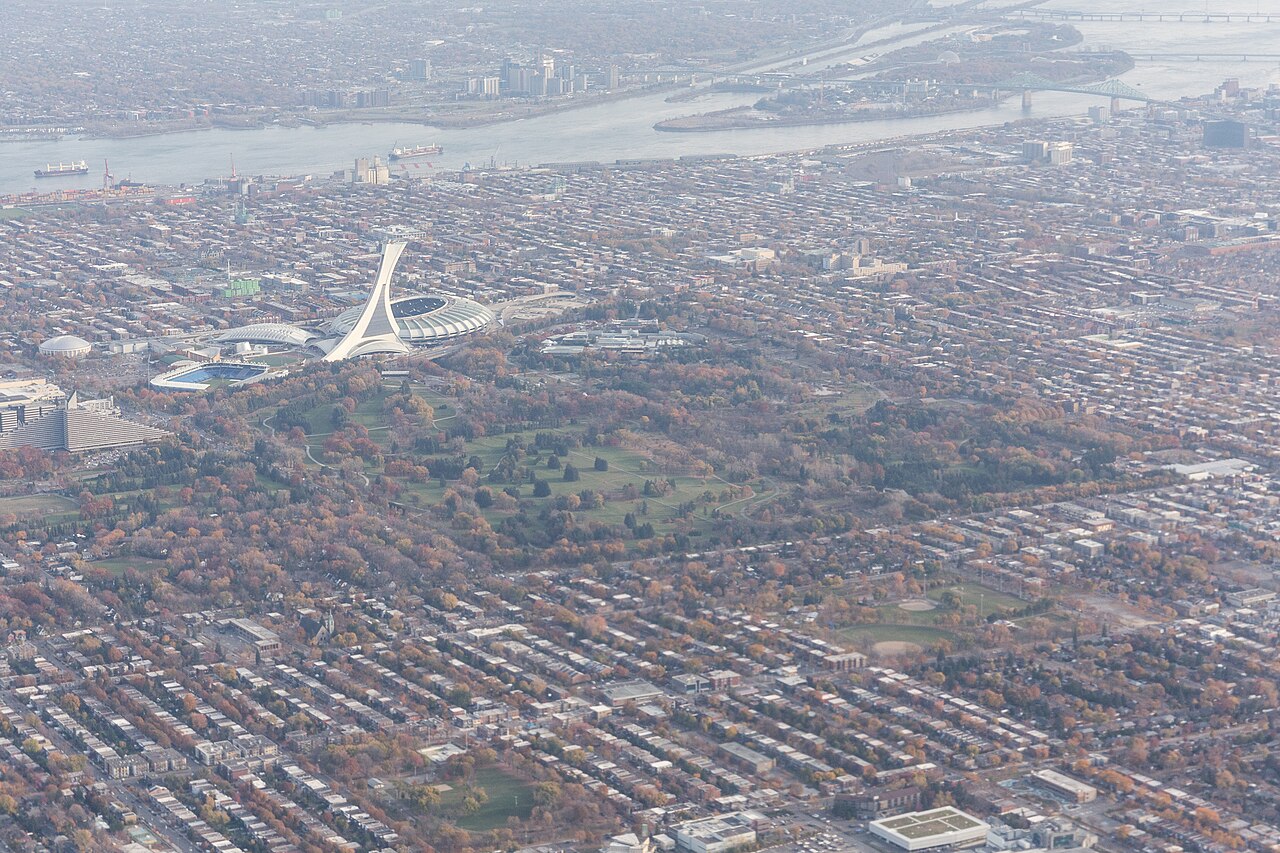
03 Aerial view of Saint-Léonard and east-end Montreal, with the Olympic Park on the horizon
Business

Jean-Talon Est, the backbone

Jean-Talon Est runs across the borough from east to west and brings together more than 240 businesses, animated by their local merchants' association: specialty grocers, cafés, restaurants, professional services. For day to day needs, you can find the essentials without leaving the neighbourhood, and buyers notice that fast.

Ask me about it, which stretches of Jean-Talon Est stand to benefit most from the metro's arrival. When a neighbourhood's main street transforms, property values around it rarely stay far behind.
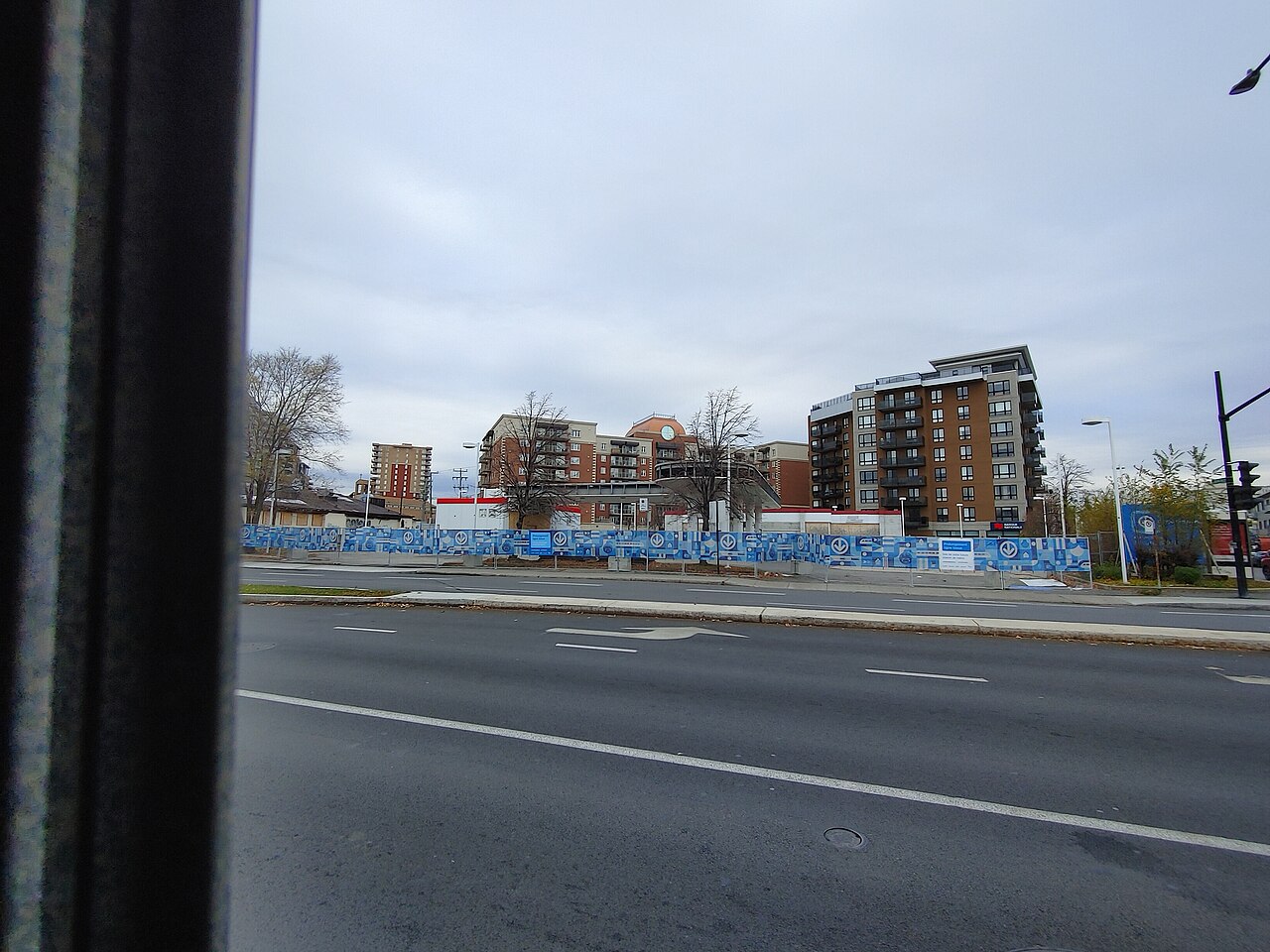
04 Construction of the future Césira-Parisotto station, on Lacordaire Boulevard
Transport

Two metro stations under construction

The Blue Line extension is really moving: the tunnel boring machine has been running since May 2026, and 2 of the 5 future stations will be in Saint-Léonard, Césira-Parisotto (Lacordaire) and Madeleine-Parent (Langelier). Service is expected to start in 2031. In the meantime, there are STM buses on Lacordaire, Langelier, and Jean-Talon, plus Highway 40 along the northern edge.

Ask me about it, what a new metro station usually changes for properties within walking distance. 2031 seems far off, but in real estate, that kind of thing gets planned for now.
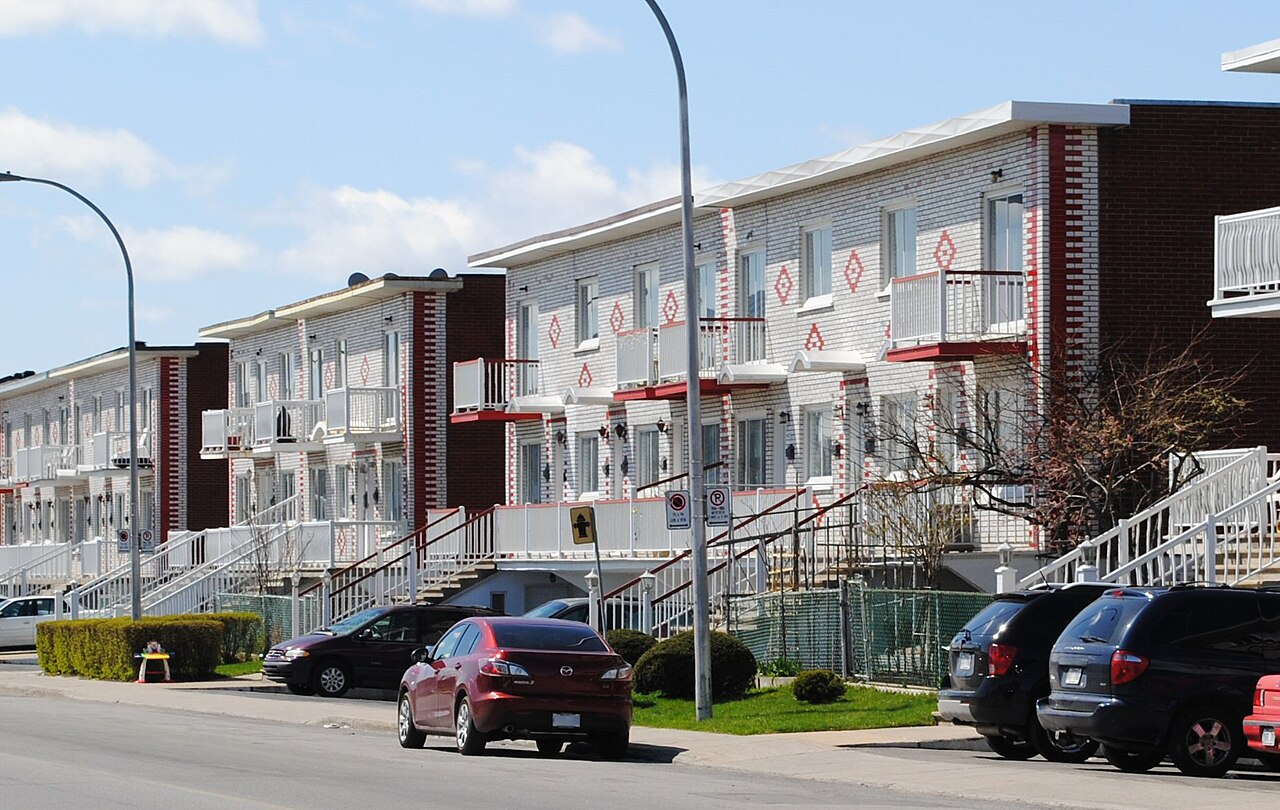
05 A row of brick plexes with exterior stairs, rue Jarry, in Saint-Léonard
The safe bet

Duplex country, 1950s and 60s style

Bungalows, brick semi-detached duplexes, triplexes, and small multiplexes from the 1950s and 60s: a solid housing stock, sought after by owner-occupants and investors alike, with a steady supply of plexes on Centris. New construction leans mostly toward condos, and the family clientele here is often multigenerational.

Ask me about it, the difference between a duplex that practically pays for itself and one that costs you dearly. I look at the income and the upkeep, not just the facade.
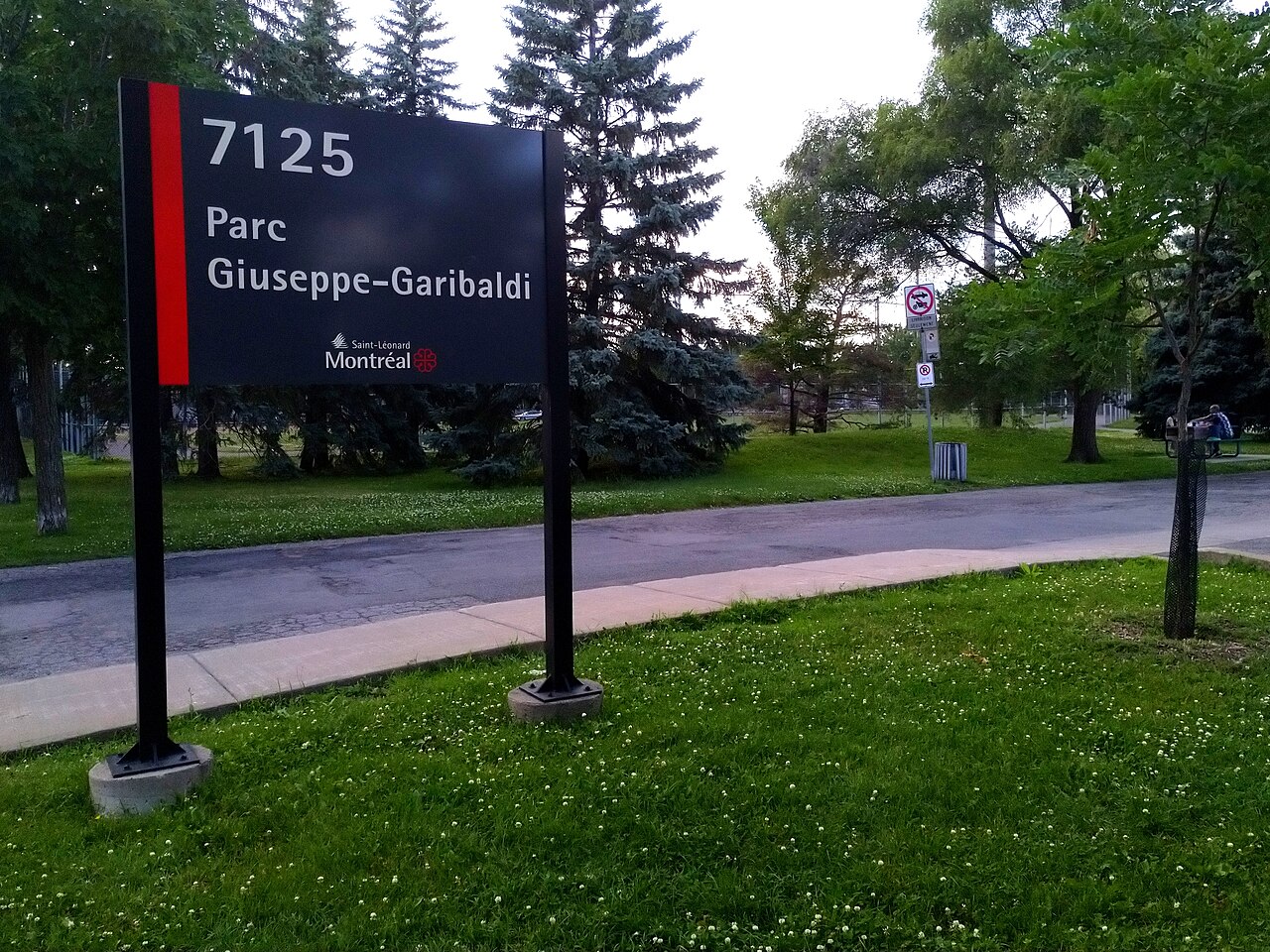
06 The entrance to Giuseppe-Garibaldi park, one of Saint-Léonard's parks
Family life

Eleven major parks and two arenas

The city's official numbers: 11 major parks, 9 mini parks, and 2 arenas. Wilfrid-Bastien park, across from city hall, lines up a covered outdoor stage, a water feature, and an air-conditioned pavilion. And the local arena has carried the name Martin Brodeur since 2000, after the legendary goalie who grew up here.

Ask me about it, which streets let you walk to Wilfrid-Bastien park. For a young family, that detail is often what settles the choice between two houses.
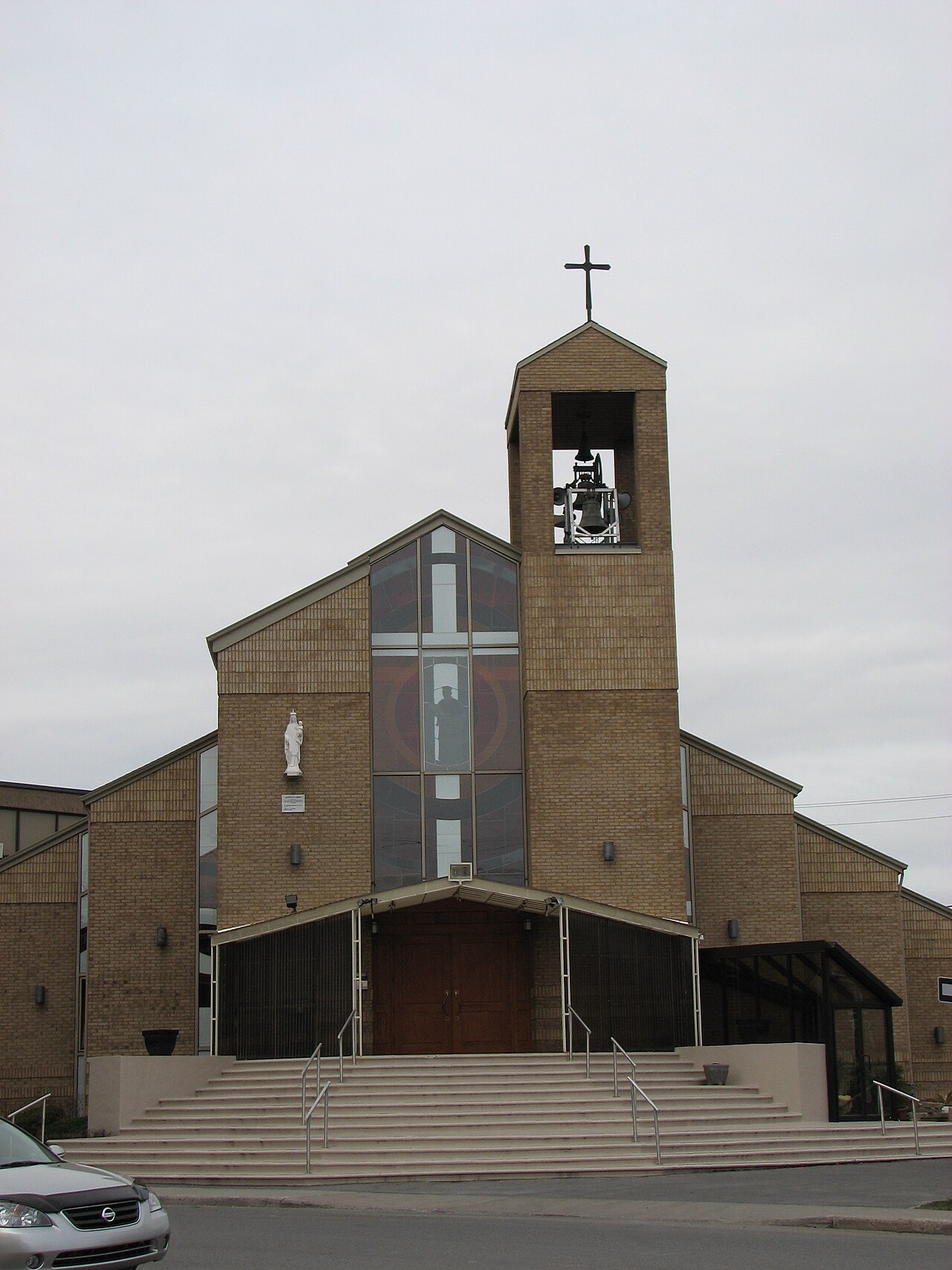
07 Notre-Dame-du-Mont-Carmel church, in Saint-Léonard
Heritage

From farming village to boomtown

Founded as a parish in 1886 under the name Saint-Léonard-de-Port-Maurice, it stayed a farming village for 70 years, then boomed dramatically: from 925 residents in 1956 to more than 52,000 by the early 1970s. An independent city until 2002, the borough has kept exactly the same boundaries, and the same identity.

Ask me about it, how that history still reads on the ground. A property's build year often tells the story of the whole block around it.
Let's talk

Thinking about buying or selling in Saint-Léonard? Let's start with a conversation.

A free evaluation of your property, a picture of the local market, or simply answers to your questions. No strings attached, and a straight answer.

Start my real estate project

Photo credits