← Back to the island map
Area · Sainte-Anne-de-Bellevue, a related municipality on the island of Montreal

Sainte-Anne-de-Bellevue

A village founded in 1703, terraces along the canal, and the REM that just arrived at the tip of the island. My top 10, neighbour's view, not brochure view.

Let's talk about this area

At the western tip of the island, where the canal links Lac Saint-Louis to Lac des Deux Montagnes, Sainte-Anne-de-Bellevue is a real village of about 5,000 people, founded in 1703, making it the second-oldest community in the West Island. Terraces on the water, two campuses, a working farm right in town: you're in Montreal, but you'd never guess it.

I put this top 10 together for a simple reason: when you buy or sell, you're not just shopping for a property, you're shopping for a neighbourhood life. Each point comes with an opening for a conversation, so use it.

Maxime Laforest, real estate broker · Équipe Loiselle, RE/MAX Dynamique

The area's top 10

What makes Sainte-Anne tick.

Ten reasons buyers fall for the area, and why the ones who live there don't leave.

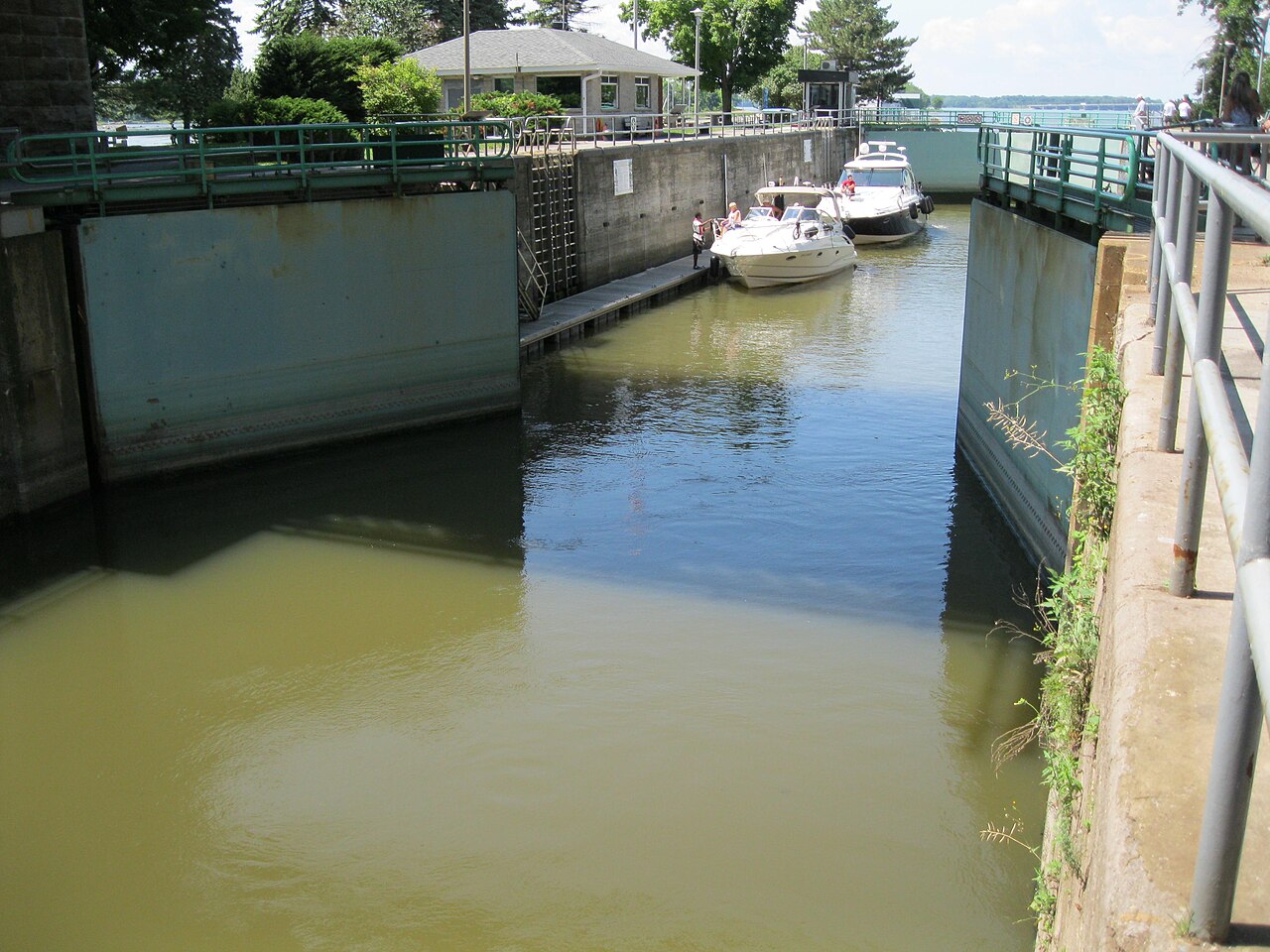
01 The Sainte-Anne-de-Bellevue lock in operation, with pleasure boats in the canal
The icon

The canal, a national historic site

The Sainte-Anne-de-Bellevue Canal National Historic Site, managed by Parks Canada, is the beating heart of the village: a long wooden boardwalk, boats locking through right in front of you, and according to Parks Canada, the busiest locks in the country. Living here means having that show at the end of your street.

Ask me about it: ask me what being close to the canal actually changes at resale time, the effect is real, but it varies a lot from one street to the next. Happy to talk about it whenever you like.
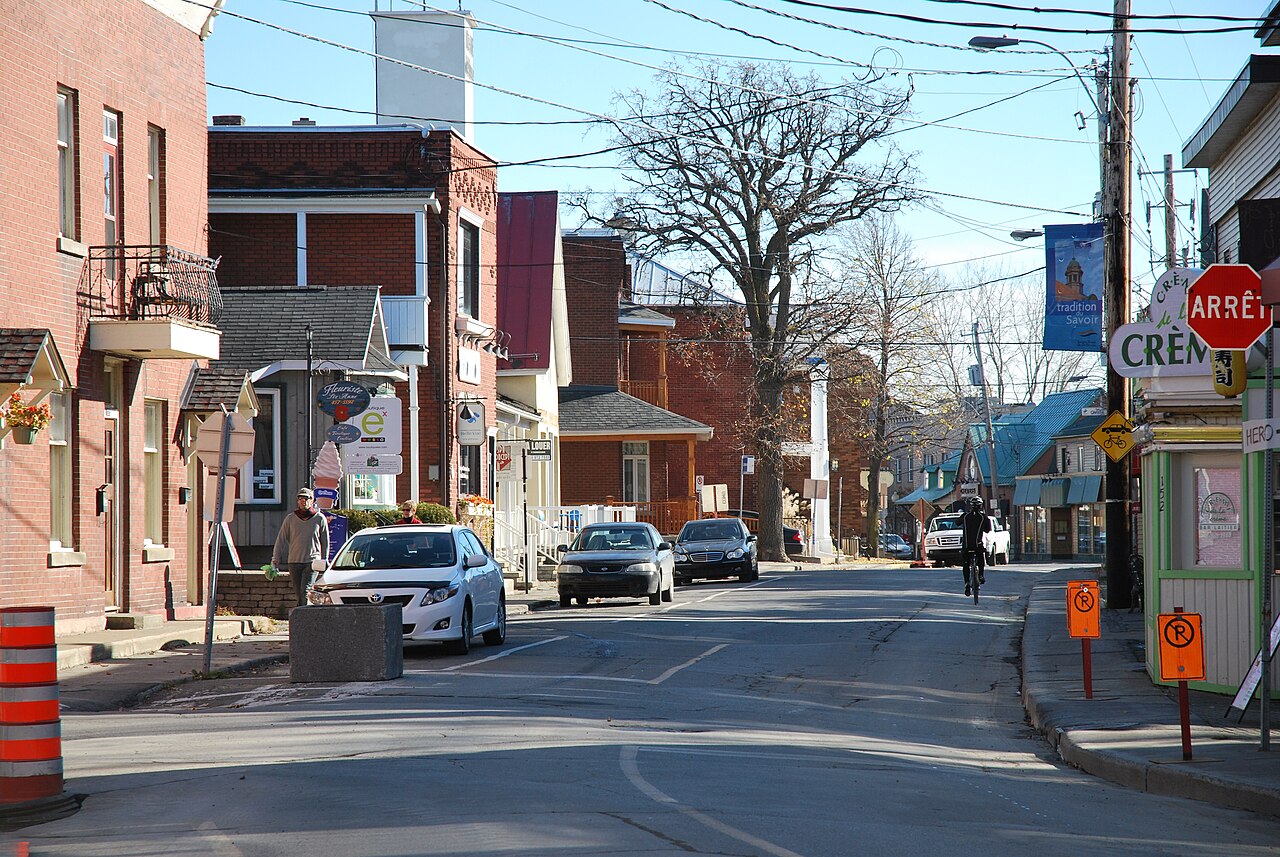
02 Sainte-Anne Street, the village's commercial street, with its shops and restaurants
Food scene

Sainte-Anne Street, terraces on the canal

The village's commercial street runs along the canal, and the restaurants on the south side line up their big terraces right on the boardwalk. In summer, with buskers and street performers, you'd think you were on vacation, without ever leaving the island of Montreal. Dozens of shops, real village life.

Ask me about it: ask me what the village looks like out of season, winter is quieter than those beautiful summer evenings, and that's the kind of thing to know before you buy. I'll give it to you straight.
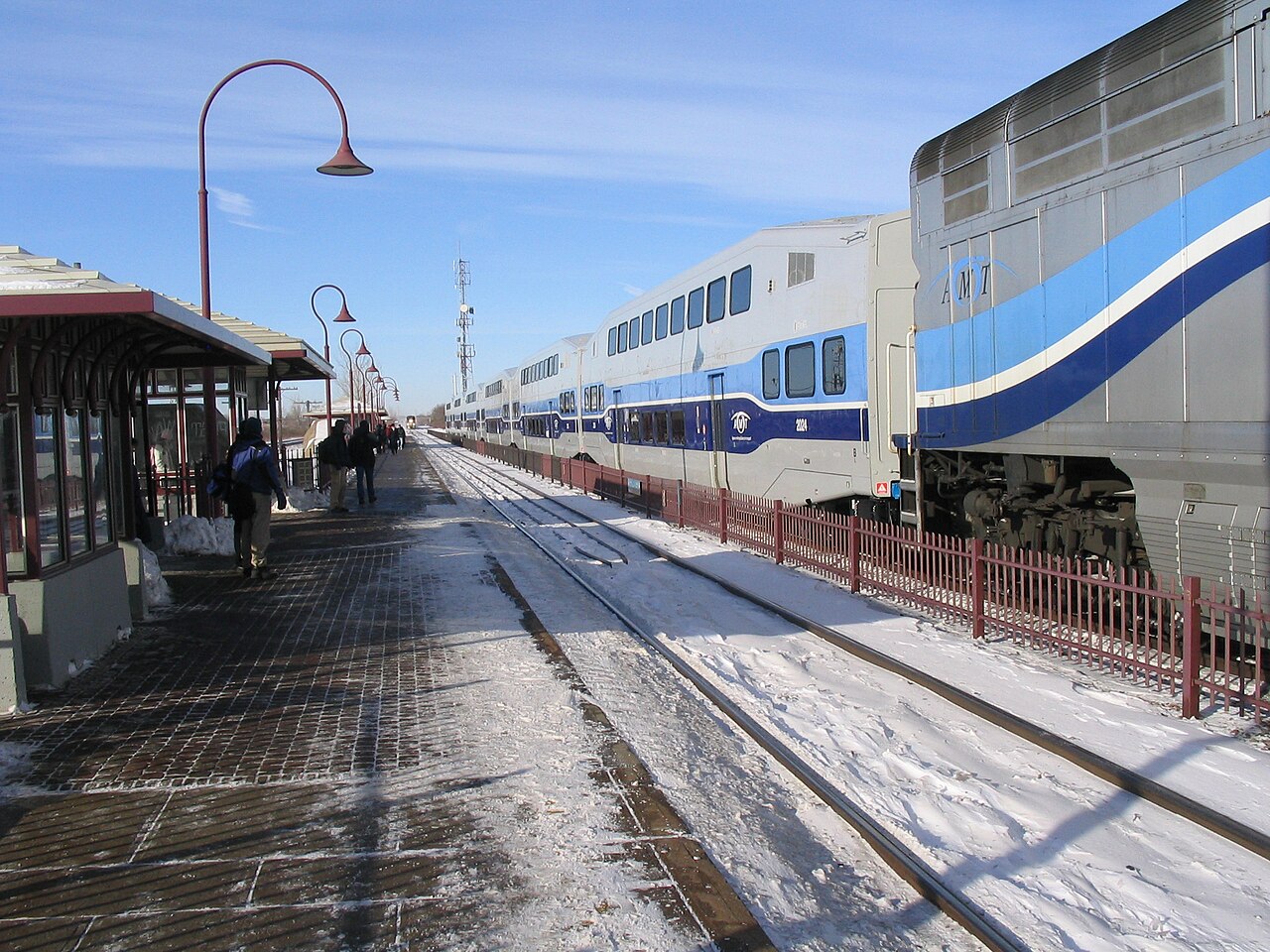
03 A Vaudreuil-Hudson line commuter train at the platform at Sainte-Anne-de-Bellevue station, in winter
Transit

The REM has arrived (and the train stayed)

Since May 18, 2026, the REM's Anse-à-l'Orme station, the terminus of the new West Island branch, serves the north of the territory, along Highway 40. To the south, the exo station on the Vaudreuil-Hudson line reaches downtown in about 46 minutes. The real selling point is the combo: REM, train, Highway 20, and Highway 40.

Ask me about it: ask me what the REM's arrival changes for the area's appeal, it's a factor to consider, not a promise of appreciation, and that nuance is worth its weight in gold when it's time to negotiate.
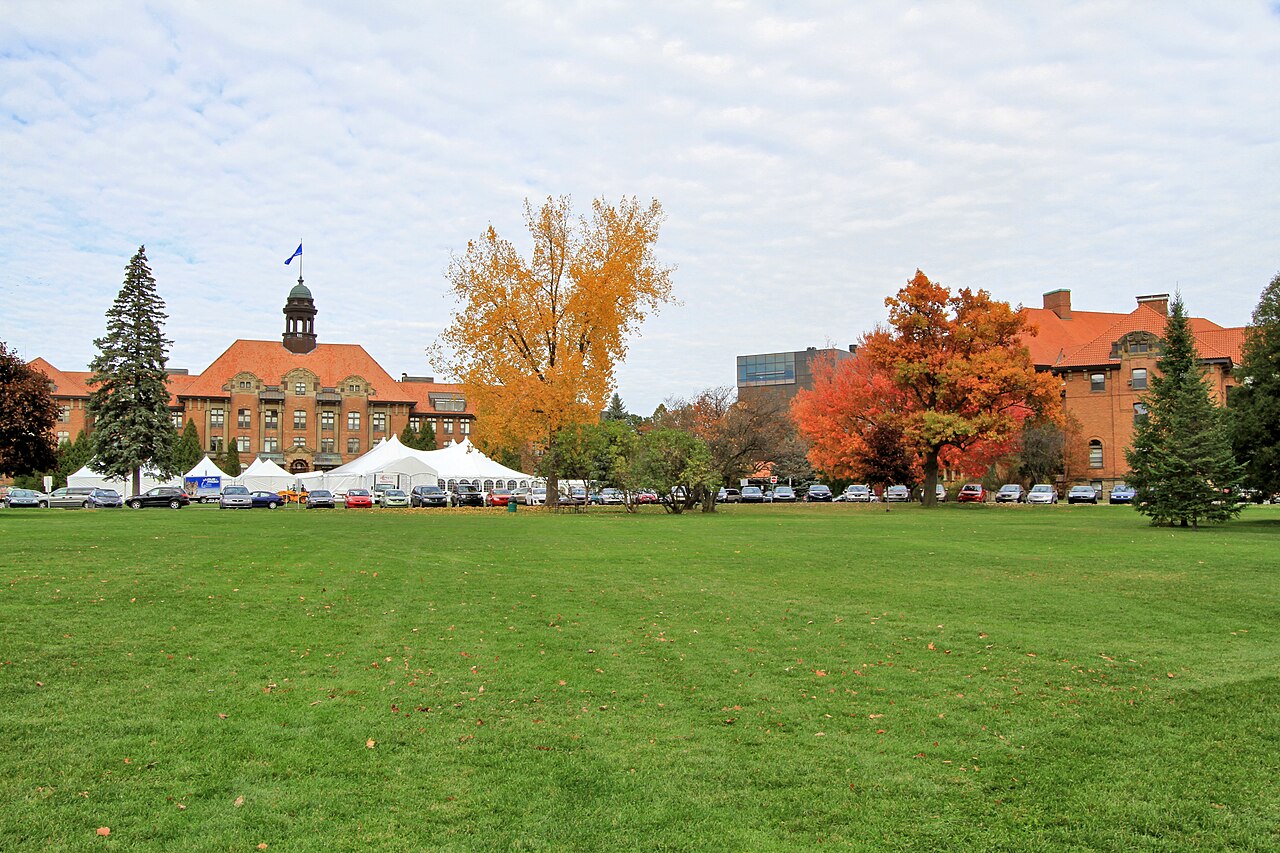
04 The main building of McGill University's Macdonald campus, in autumn
Knowledge

The Macdonald campus and its farm

McGill's Macdonald campus, opened in 1907, is home to the Faculty of Agricultural and Environmental Sciences, and a teaching farm said to be the last dairy farm on the island of Montreal, with a seasonal farmers' market open to the public. A university and cows in the same town: you can't make this stuff up.

Ask me about it: ask me which residential pockets professors and campus staff look for first, it maps out a pattern of demand that very few people know about.
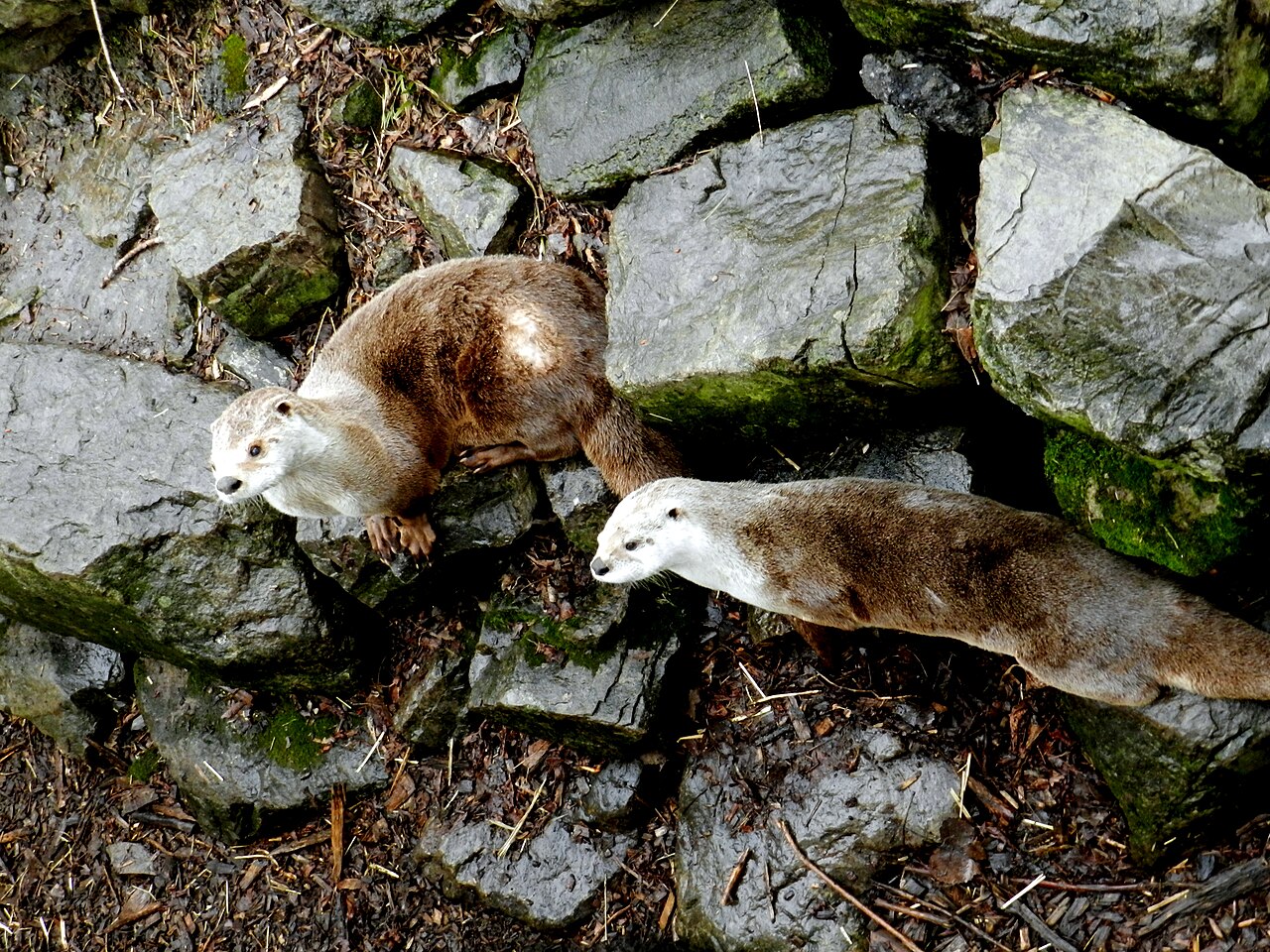
05 River otters in their habitat at Zoo Ecomuseum
Family life

The Zoo Ecomuseum

Founded in 1988, Zoo Ecomuseum is billed by Tourisme Montréal as the island's only outdoor zoo: about 115 animals native to Quebec, black bears, otters, lynx, birds of prey, spread over 11 hectares, open 364 days a year. For local families, it's the weekend outing right in the neighbourhood.

Ask me about it: ask me why this conservation zoo weighs more than people think when a family is shopping for a house here, it's one of those small perks that tips the balance.
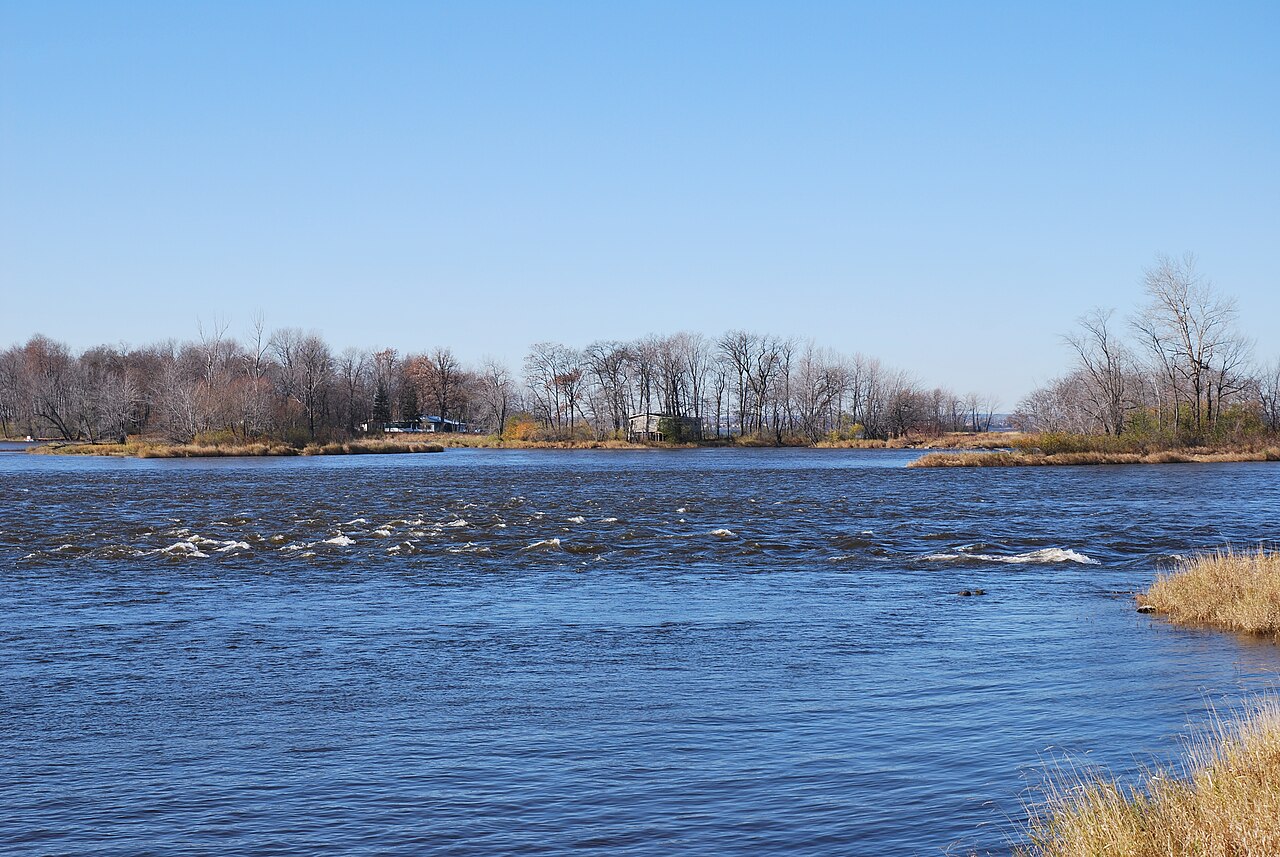
06 The Sainte-Anne rapids and Vaudreuil Bay, at the western tip of the island of Montreal
Nature

The village between two lakes

Sainte-Anne occupies the western tip of the island, where the canal links Lac Saint-Louis to Lac des Deux Montagnes. Add the Morgan Arboretum, 245 hectares of forest attached to the Macdonald campus, and the Grand parc de l'Ouest, Canada's largest municipal park at more than 3,100 hectares, which extends into this area.

Ask me about it: ask me which areas give the best access to the water and the trails, the village core and the north end of the territory have very different vibes.
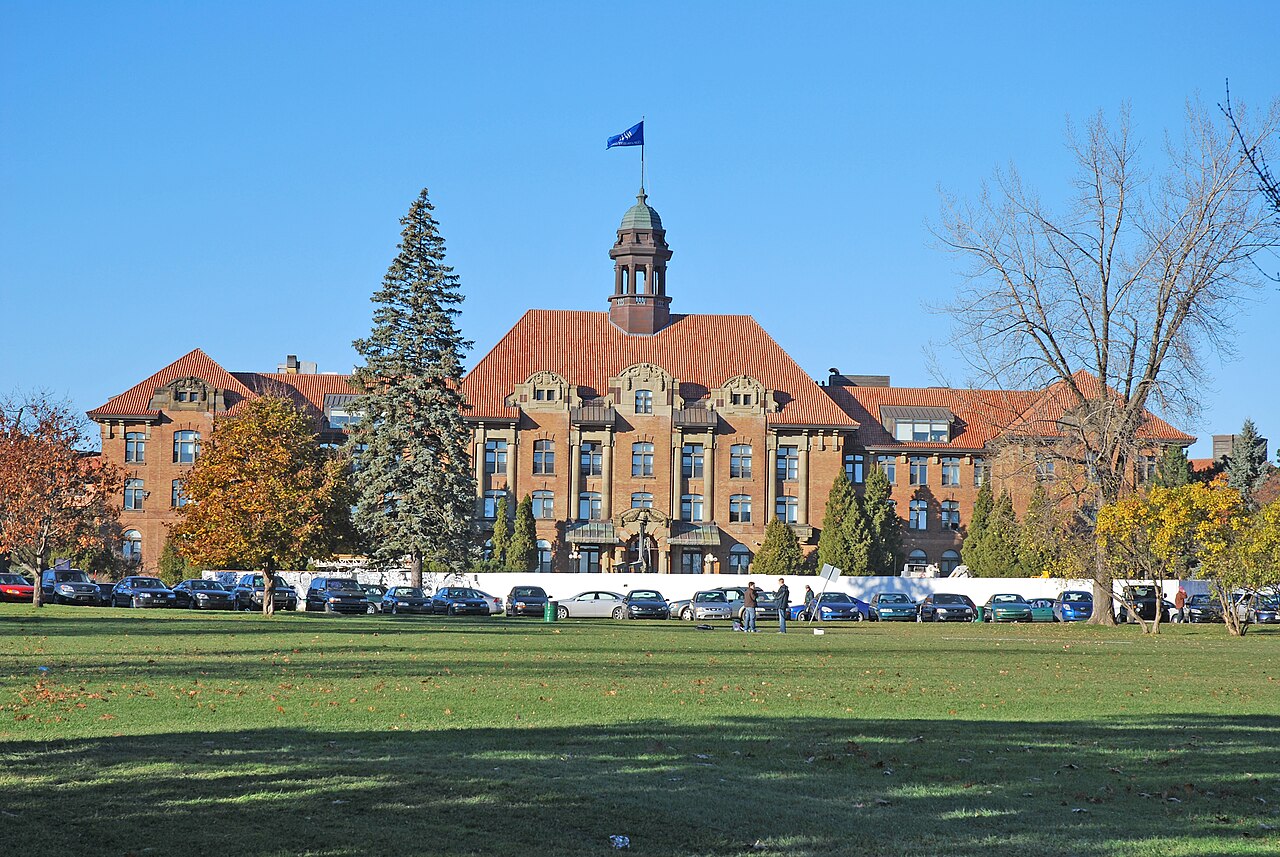
07 The historic main building of John Abbott College, on Lakeshore Road
The safe bet

John Abbott and a rare market

John Abbott College, the only English CEGEP in the West Island with more than 6,500 students in the regular program, shares a waterfront campus with McGill-Macdonald. That institutional hub feeds steady demand in a tiny market: about 2,300 private dwellings in total, dominated by single-family homes. Supply is scarce here, and you can feel it.

Ask me about it: ask me how a market of barely 2,300 dwellings behaves when a great property hits Centris, whether you're buying or selling, you need to prepare for it differently.
08 The facade and steeple of the Sainte-Anne-de-Bellevue church, on rue de l'Église
Heritage

The voyageurs' church

The parish dates back to 1703, with the arrival of curé René-Charles de Breslay, and its church was long the last stop on the island for the voyageurs heading up to the fur country: they would stop to pray to Saint Anne, patron saint of voyageurs, before facing the rapids. The Irish poet Thomas Moore, passing through Canada, drew his famous Canadian Boat Song from it, published in 1805. The steeple you see today on rue de l'Église still watches over the same passage.

Ask me about it: ask me why that kind of story matters when you put a village on the market. Three centuries of passage give Sainte-Anne a character that new suburbs will never be able to copy.
09 The entrance of Ste. Anne's Hospital, with its tower in the background, in Sainte-Anne-de-Bellevue
The institution

Ste. Anne's Hospital, the veterans' legacy

Founded in 1917 to care for the wounded of the First World War, Ste. Anne's Hospital was for a long time the last federal veterans' hospital in the country. Its tower, built between 1968 and 1971, can be seen from far across the western tip of the island. Transferred to the Quebec health network in 2016, it now offers 446 beds in private rooms, in long-term care and geriatrics, for veterans and civilians alike.

Ask me about it: ask me what a major institutional employer changes for a local market this size. Part of the residential demand around here comes from the people who work there.
10 A vintage aircraft under restoration at the Montreal Aviation Museum, on the Macdonald campus
The hidden gem

An aviation museum in the campus backyard

Few people know it: tucked away on the Macdonald campus lands is the Montreal Aviation Museum, born in 1998 as the Canadian Aviation Heritage Centre and open to the public since 2009. Volunteers restore historic aircraft there, and the collection lines up a Blériot XI, a Fairchild FC-2 and a Fleet Canuck, among others. The kind of outing you keep up your sleeve to impress visitors.

Ask me about it: ask me for my other little-known spots at the tip of the island. Knowing an area's secrets is part of the job of a neighbourhood broker.
Let's talk

Thinking about buying or selling in Sainte-Anne-de-Bellevue? Let's start talking.

A free evaluation of your property, a picture of the local market, or simply answers to your questions. No strings attached, and a straight answer.

Start my real estate project

Photo credits