← Back to the North Shore map
Area · City of Sainte-Anne-des-Plaines, Basses-Laurentides

Sainte-Anne-des-Plaines

A village that appears at the end of the fields, strawberries as far as the eye can see, and a bike path that runs to Blainville. Here's my top 10, neighbour style, not brochure style.

Let's talk about this area

Sainte-Anne-des-Plaines sits about thirty kilometres north of Montreal, in the Basses-Laurentides, squeezed between Blainville, Bois-des-Filion, Terrebonne, Mirabel and Sainte-Sophie. It's a 94 km² city with around 15,000 residents, which gives it a kind of breathing room few municipalities on the North Shore can still offer. The reason is simple: 92% of the territory is zoned agricultural, so development stays concentrated around the old village.

It's an area I visit with buyers looking for land, a double garage, or just some breathing space, without wanting to exile themselves two hours from Montreal. I put this top 10 together for a simple reason: when you buy or sell, you're not just shopping for a property, you're shopping for a neighbourhood life. Each point comes with an opening to talk. Use it.

Maxime Laforest, residential and commercial real estate broker · Équipe Loiselle, RE/MAX Dynamique

The area's top 10

What makes Sainte-Anne-des-Plaines tick.

Ten reasons why buyers make the trip up here, and why the ones who settle here don't move back down.

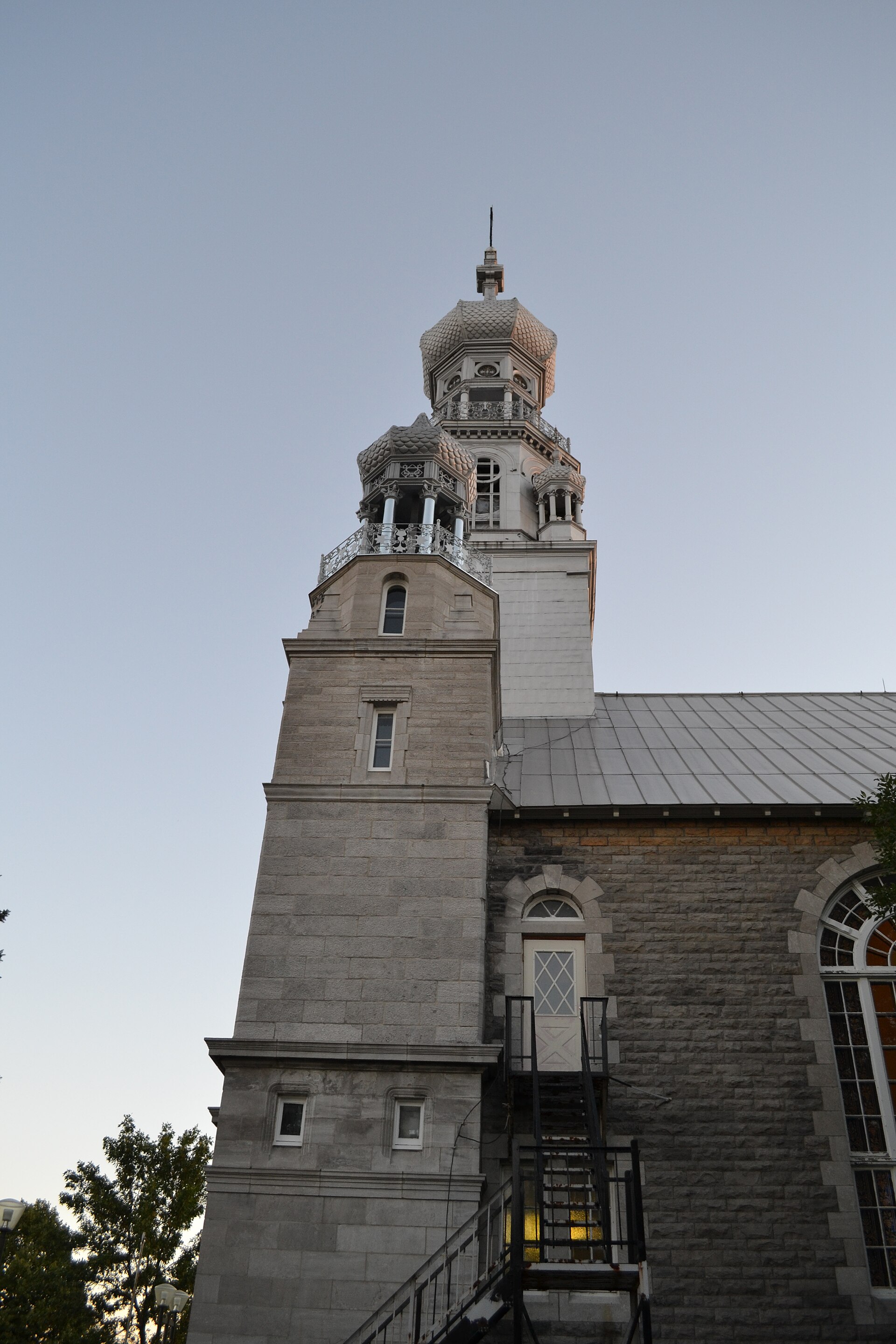
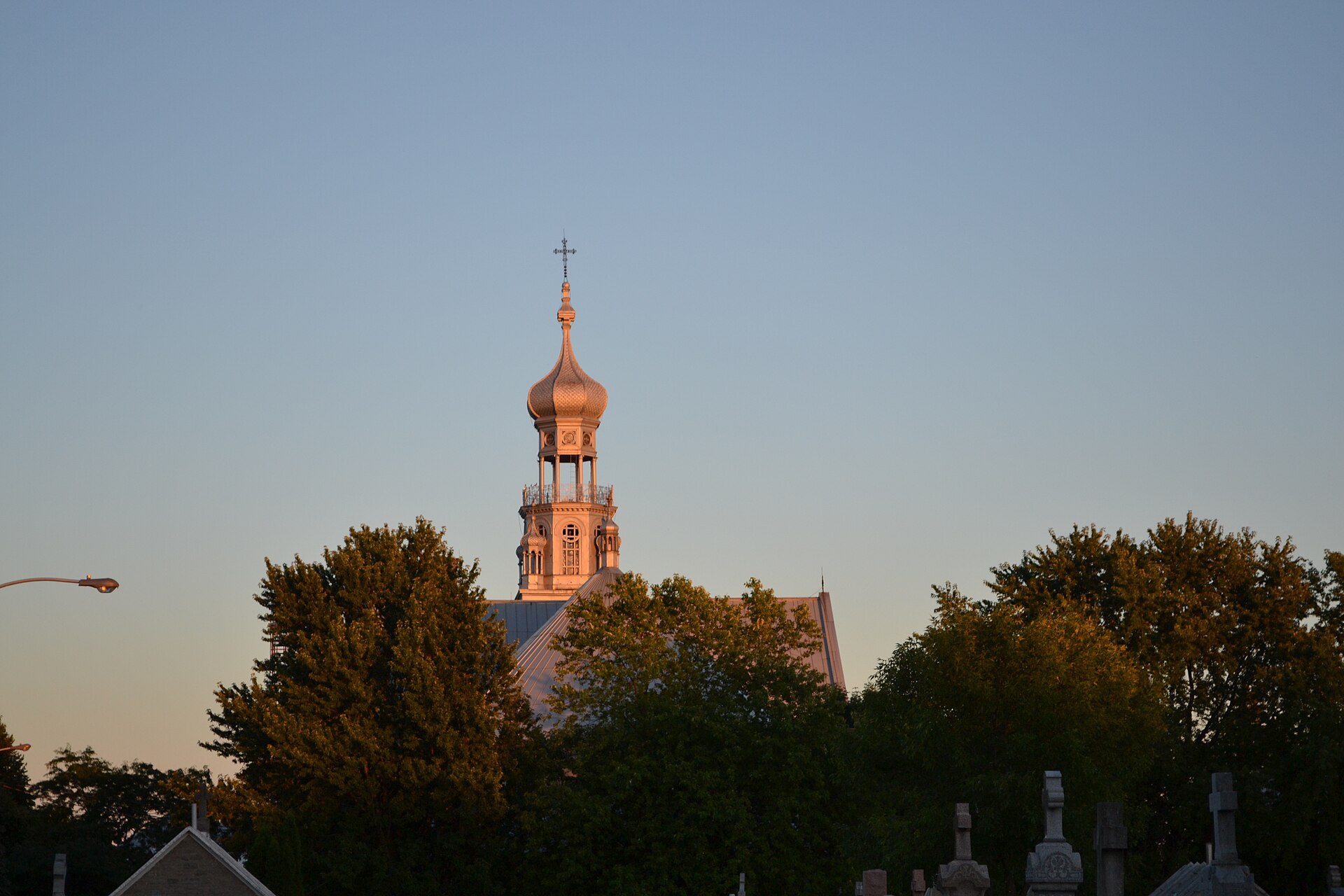
01 The bulb-shaped bell tower of the Sainte-Anne-des-Plaines church above the trees, at sunset
The heart of the village

A village core you can see coming from far away

Everything happens around boulevard Sainte-Anne and the numbered avenues that branch off on either side. Grocery store, pharmacy, restaurants, library, city hall and church all sit within walking distance of each other. The bulb-shaped bell tower serves as a landmark: when you arrive by the rangs, it's the first thing you spot above the fields. That village character has stayed intact even though the city has more than doubled its population since the 1970s.

Ask me about this: ask me which streets really let you do everything on foot. The difference between living three minutes from the village and three kilometres away shows up every single day.
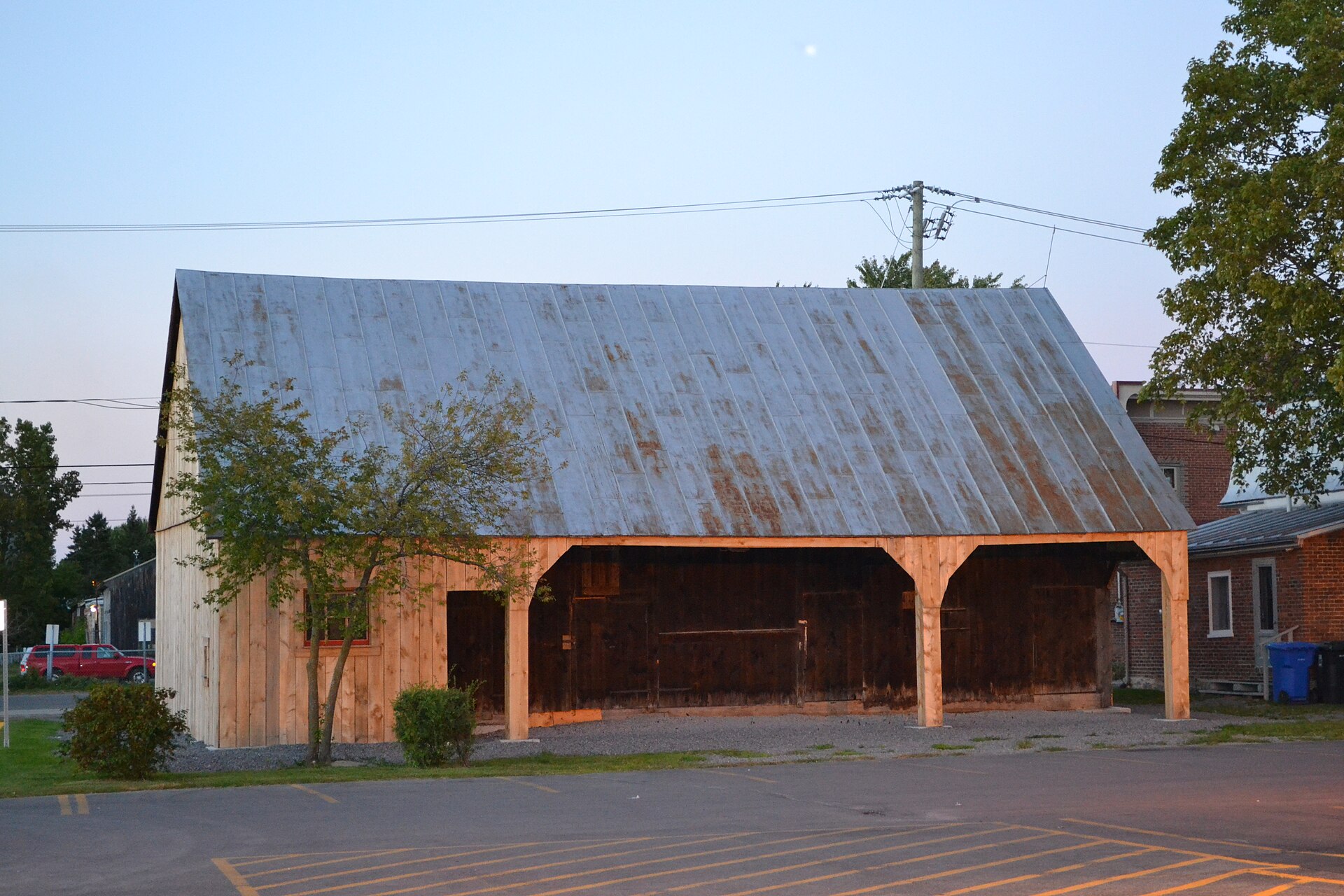
02 The Prêtres-Chaumont barn and stable, a 19th century wood building on boulevard Sainte-Anne
The land

A city that's 92% farmland

It's not a figure of speech, it's zoning: 92% of the territory is dedicated to agriculture. That means rangs, silos, machinery on the roads every spring, and above all open horizons no developer will ever fill in. The Patrimoine gourmand circuit brings together about fifteen local businesses, from dairy farms to honey producers. The Prêtres-Chaumont barn and stable, on boulevard Sainte-Anne, is a reminder of what life here looked like in the 19th century.

Ask me about this: ask me what agricultural zoning changes when you buy a property with land. It's the first thing I check in this area.
03
The terroir

The quiet capital of the strawberry

In the mid 20th century, the village canneries turned local strawberries into jam. The tradition never disappeared. FraiseBec farms more than 70 hectares and employs up to 250 people at the height of the season, making it one of Canada's leaders in summer and fall strawberries. La Ferme Métayer and Fraisière Lauzon et Fils open their fields for pick your own: strawberries, raspberries, blueberries, apples, squash and pumpkins depending on the month.

Ask me about this: ask me which neighbourhoods are five minutes from the farm stands. It sounds like a small thing, but it's often what wins over buyers visiting in the summer.
04 The stone facade and bell tower of the Sainte-Anne-des-Plaines church
Heritage

A church built for 2,000 people

Built between 1899 and 1902, the Sainte-Anne-des-Plaines church rises nearly 190 feet and can hold close to 2,000 worshippers, in a parish that only had a fraction of that number at the time. Its bulb-shaped bell towers give it a silhouette you won't mistake for any other in the Basses-Laurentides. The city completed a full inventory of its older buildings in 2012 and offers a 17-building heritage circuit, on foot or by bike.

Ask me about this: ask me to show you the older houses on the circuit that change hands from time to time. You need to be ready when one comes up.
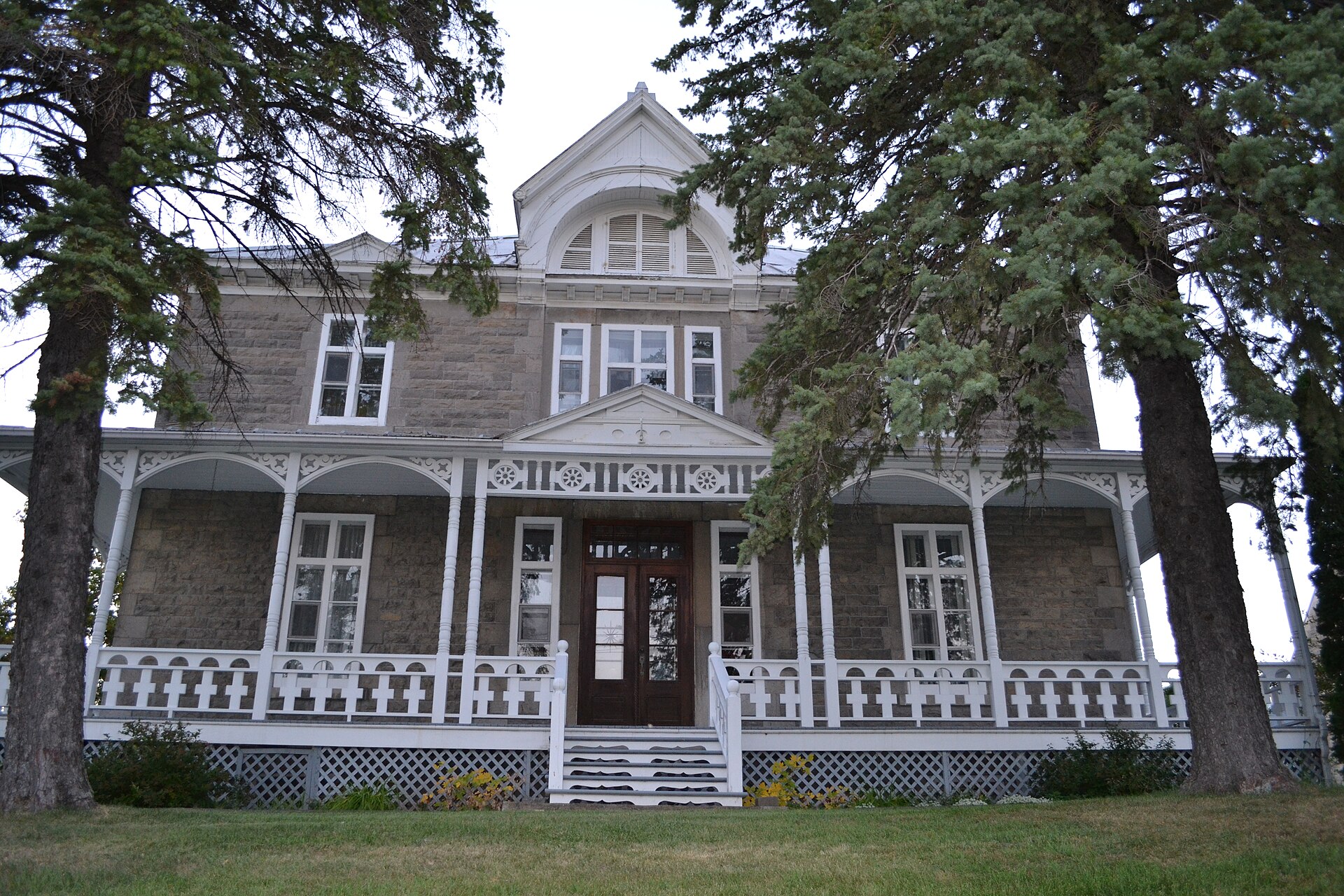
05 The Victorian presbytery of Sainte-Anne-des-Plaines and its ornate gallery
Architecture

The Victorian presbytery, heritage listed and still lived in

Built of stone in 1886 and 1887, with its ornate gallery and central pediment, the presbytery was designated a historic monument in 2004. A rare thing for a protected building: it was never turned into a museum, it still serves as the parish priest's residence. For anyone who loves old architecture, it's the finest example in the village and a good benchmark for what local brick and stone can look like.

Ask me about this: ask me what it means to buy near a heritage listed building. There are rules worth knowing before you make an offer.
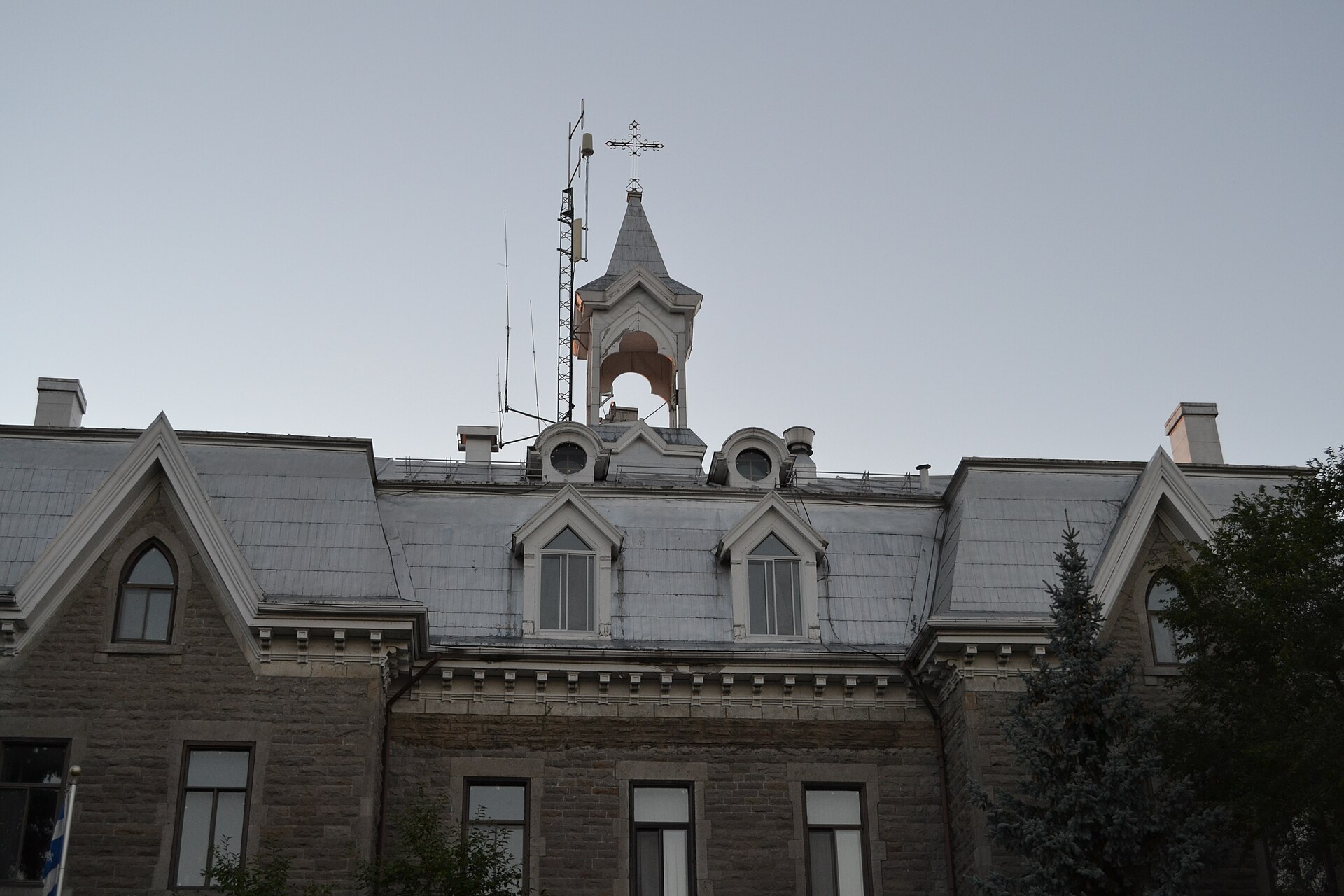
06 Sainte-Anne-des-Plaines city hall, a former stone convent from 1882
Local history

A city hall that used to be a convent

The municipal building was built in 1882 for the Sisters of Sainte-Anne, who taught there until they left in 1977. The city then moved its offices in rather than tearing it down, and the small bell tower stayed put. It's also a good way to read the area's history: a parish authorized by the Bishop of Quebec in 1787, first called Mascouche du Page, renamed Sainte-Anne-des-Plaines in 1816, then promoted to city status on July 18, 1987, the year of its 200th anniversary.

Ask me about this: ask me how a farming parish turned into a suburban city without losing its centre. It explains a lot about how the neighbourhoods are laid out.
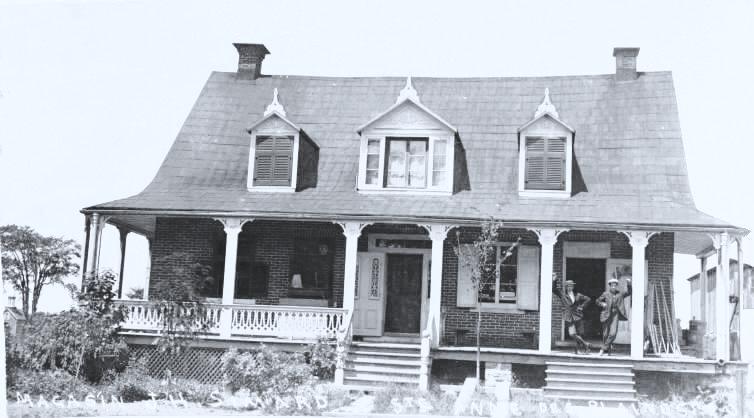
07 The J. H. Simard general store in Sainte-Anne-des-Plaines around 1910
The economy

From general store to biggest employer

The village got the telephone in 1889, electricity in 1925, and a train station from 1877 to 1963. Then the federal penitentiary opened in 1967 and changed everything: the correctional complex, which includes the Établissement Archambault and the Centre régional de réception, became a major employer and pushed the population up all at once. Today, between the farms, the industrial park and the public sector, a good share of residents work locally instead of commuting down to the island.

Ask me about this: ask me what it changes for a seller when part of the buyer pool works fifteen minutes from home. The pool here isn't the same as elsewhere on the North Shore.
08
Outdoors

La Seigneurie des Plaines, 21.5 km of trail

Opened in July 2020, this interregional bike path connects Sainte-Anne-des-Plaines, Blainville and Terrebonne, with 13 of its 21.5 kilometres running through the city. The route follows the Mascouche River and the La Corne stream, crosses the fief Sainte-Claire forest and skirts the large Blainville peat bog. The Halte Desjardins, at 119 boulevard Sainte-Anne, serves as the entry point with washrooms, picnic areas and a fleet of bikes, including twelve electric ones, loaned free of charge to residents.

Ask me about this: ask me which streets give direct access to the trail. It's a point I bring up often during spring visits.
09
Family life

Neighbourhood parks and maple trees

Parc des Familles, on 3e Avenue, has the splash pad and play structures; parc Neuville has the skatepark, soccer field and rink; parc du Ruisseau has its three sledding hills, and there's a dog park at the end of rue des Cèdres. The sports centre, open since 1994, rounds it out. On the school side, the city has the Harmonie-Jeunesse, Bois-Joli and des Moissons elementary schools, plus École secondaire du Harfang and its Saint-François wing, all part of the Centre de services scolaire des Mille-Îles. And the Chalet des Érables, on montée Gagnon, has been welcoming visitors during sugar shack season since 1948.

Ask me about this: ask me which area is zoned for which elementary school. That's something to check before you make an offer, not after.
10
Access

The rebuilt boulevard and the road to the island

Route 335 is montée Gagnon then boulevard Sainte-Anne, and it's the road that runs down to Highway 640 in Bois-des-Filion. The Ministère des Transports and the city just invested about $12 million there: rebuilt roadway, sidewalks, pedestrian crossings, cycling infrastructure and two new traffic lights put into service in January 2026, with finishing work planned for this year. Highway 15 is reached through Blainville, and the extension of Highway 19 between Laval and Bois-des-Filion, with its reserved lane for public transit, is moving toward its new bridge over the rivière des Mille Îles. For public transit, exo secteur Laurentides connects the village to the Sainte-Thérèse train station via routes 23 and 250, and to the Cartier metro station in Laval via route 24, plus the taxibus service. There's no train station within the city itself.

Ask me about this: ask me how long it really takes to reach downtown depending on when you leave. I've made the drive often enough to give you a straight answer.
Let's talk

Thinking about buying or selling in Sainte-Anne-des-Plaines? Let's start with a conversation.

A free evaluation of your property, a picture of the local market, or simply answers to your questions. No strings attached, and a straight answer.

Start my real estate project

Photo credits