← Back to the North Shore map
Area · City of Terrebonne, MRC Les Moulins, Lanaudière

Terrebonne

A designated mill site on an island, an old stone village by the water, and three former towns that became one. Here's my top 10, neighbour's version, not brochure version.

Let's talk about this area

Terrebonne is one of the big gateways to the North Shore. From my home base in Verdun, I take Highway 25 north, cross the Mille Îles River, and I'm there. I work with buyers leaving the island for more land and more air, and with sellers who've watched their neighbourhood change face over the past fifteen years or so. It's a city of close to 120,000 people at the 2021 census, tenth largest in Quebec, born from the 2001 merger of three municipalities and built around a seigneury granted in 1673.

I put this top 10 together for one simple reason: when you buy or sell, you're not just shopping for a property, you're shopping for a neighbourhood life. Each point comes with an opening for a conversation. Use it.

Maxime Laforest, residential and commercial real estate broker · Équipe Loiselle, RE/MAX Dynamique

The area's top 10

What makes the heart of Terrebonne beat.

Ten reasons why buyers fall in love with this city, and why the people who live here don't leave.

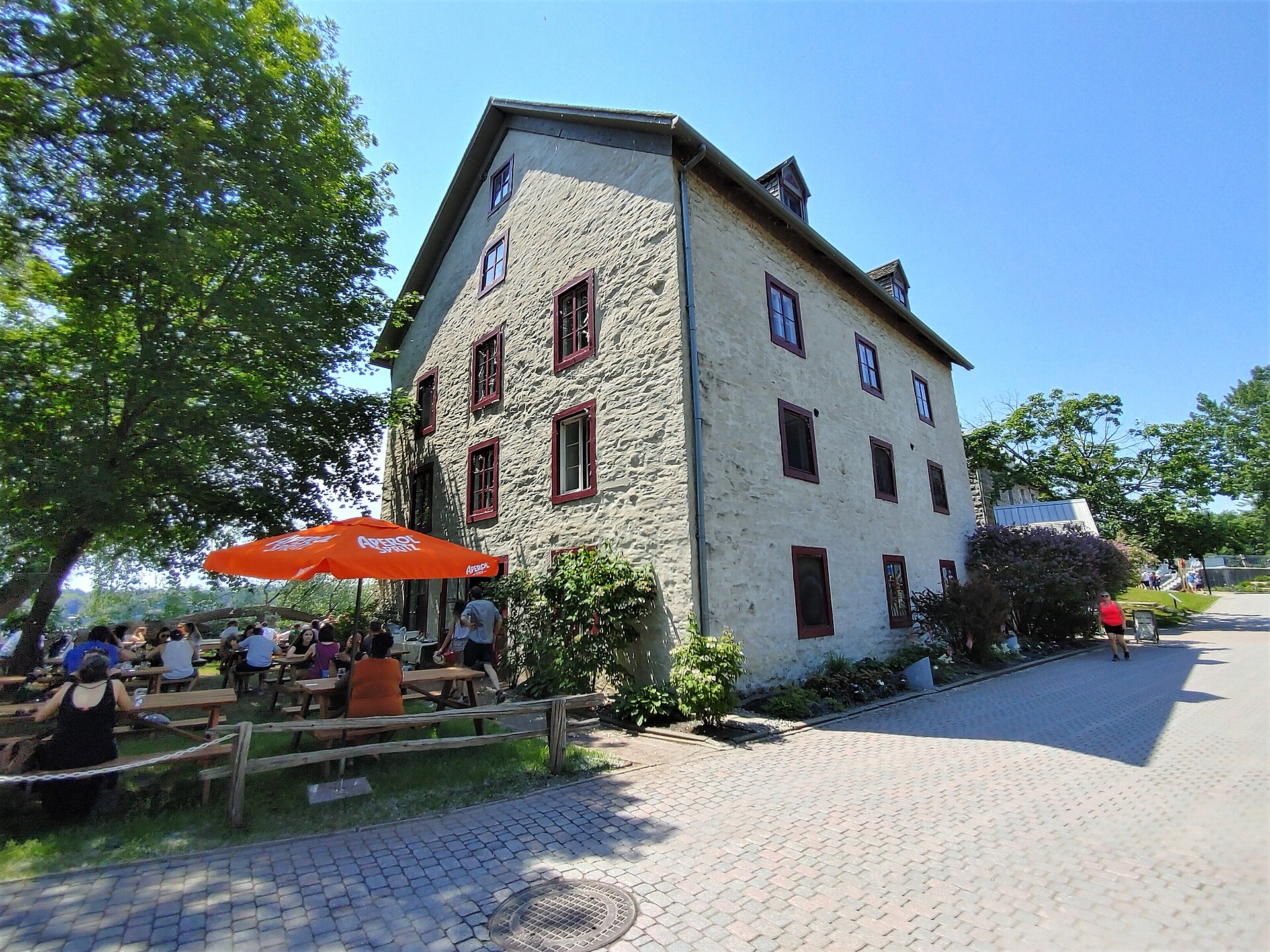
01 Le moulin à farine de 1846 en pierre et sa terrasse, sur l'Île-des-Moulins à Terrebonne
The icon

Île-des-Moulins, a designated site since 1973

It's the heart of the city and its prettiest backdrop. Father Louis Lepage de Sainte-Claire, the fourth seigneur of Terrebonne, had a first flour mill built here as early as 1721. Five stone buildings remain today, including the 1803 bakery, the 1804 sawmill, the seigneurial office, and the 1846 flour mill that now houses the municipal library. Recognized as a historic site of national interest by the Quebec government, the place works as much as a park as it does a museum.

Ask me about this: which streets get you to the island on foot. Those are the ones that make my Montreal buyers dream.
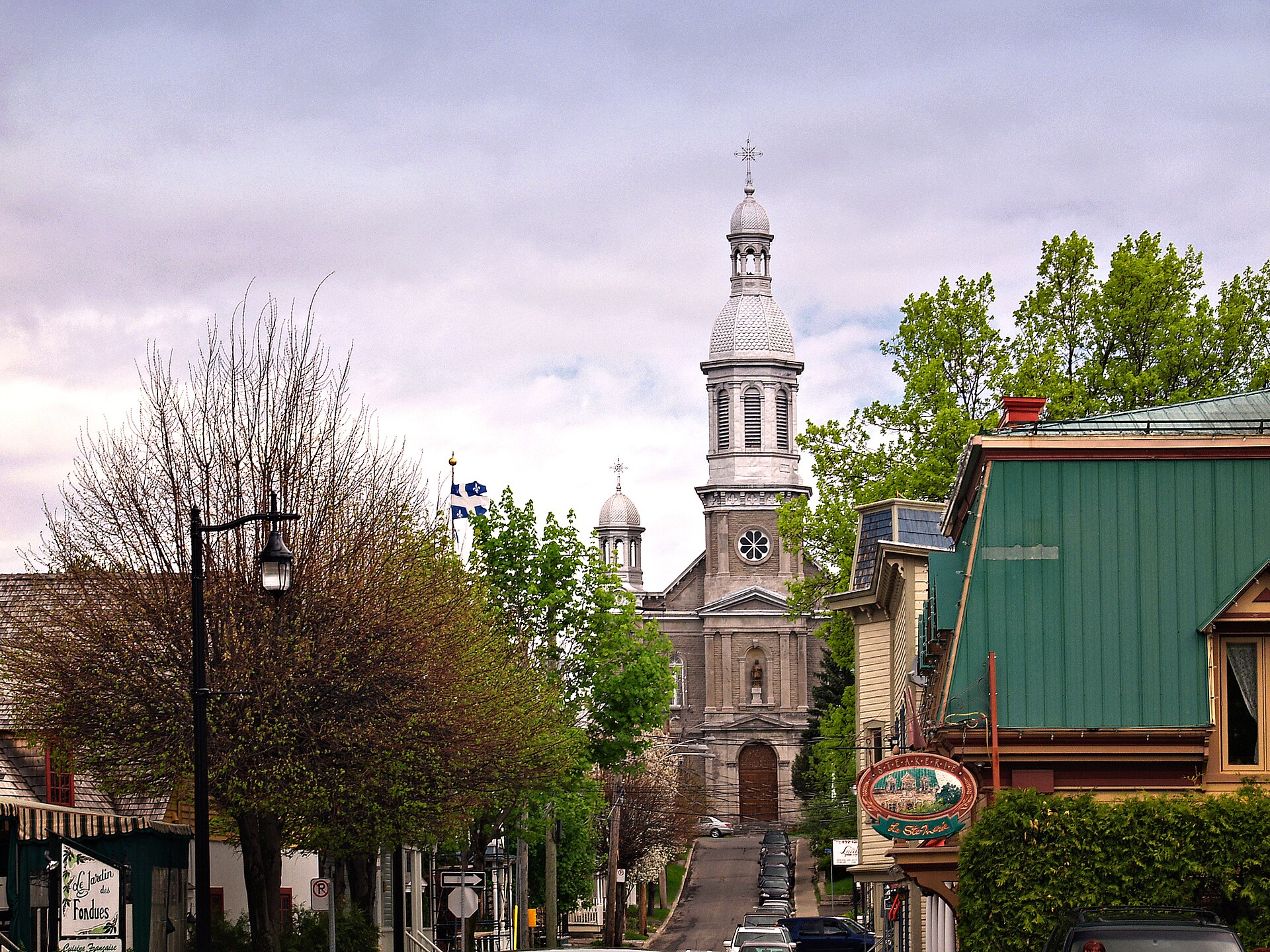
02 La rue Sainte-Marie et le clocher de l'église Saint-Louis-de-France, dans le Vieux-Terrebonne
The heart

Vieux-Terrebonne, a village inside the city

Saint-Louis, Sainte-Marie and Saint-Pierre streets line up ancestral houses turned into restaurants and shops. Saint-Louis-de-France church, the third of that name since the parish was founded in 1723 and built around 1878, closes the view with its 1946 Casavant organ. In summer, the public square, the island terrace and the public market keep the neighbourhood buzzing into the evening. Few suburbs on the north crown have kept such a complete village core.

Ask me about this: what it means to buy a property in a heritage sector. There are rules worth knowing before you make an offer.
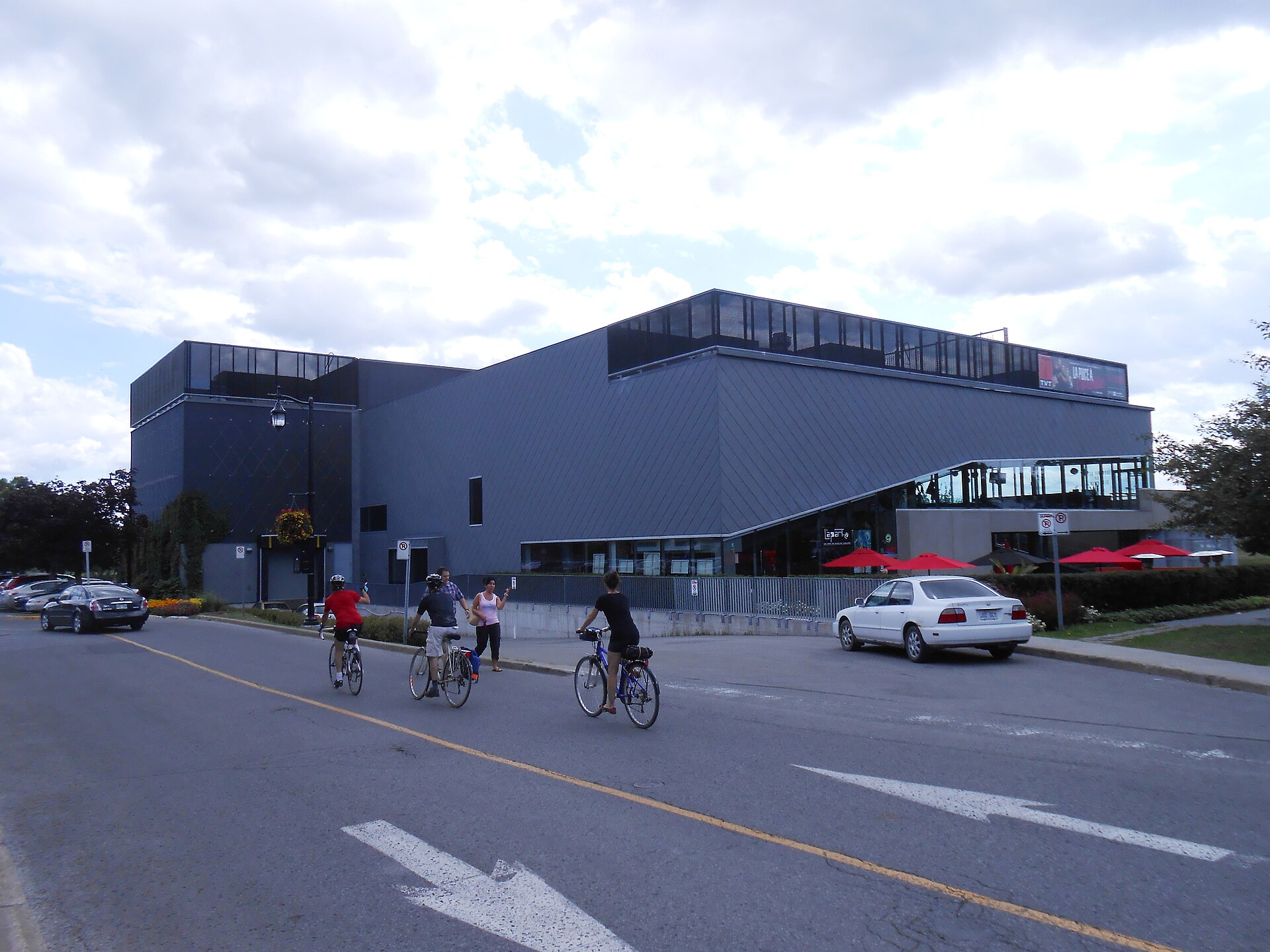
03 Le Théâtre du Vieux-Terrebonne et des cyclistes sur la rue Saint-Pierre
Culture

Théâtre du Vieux-Terrebonne, a real performance venue

It's one of the leading multidisciplinary presenters in Quebec, a multiple Félix award winner. The theatre runs three venues: the 656-seat Salle Desjardins, the Salle du Moulinet on Île-des-Moulins, and the Collège Saint-Sacrement auditorium. Living in Terrebonne means catching touring shows without crossing the bridge, often weeks before they reach Montreal.

Ask me about this: how far you can walk from the theatre. It's a bigger radius than people think, and it drives up buyer interest.
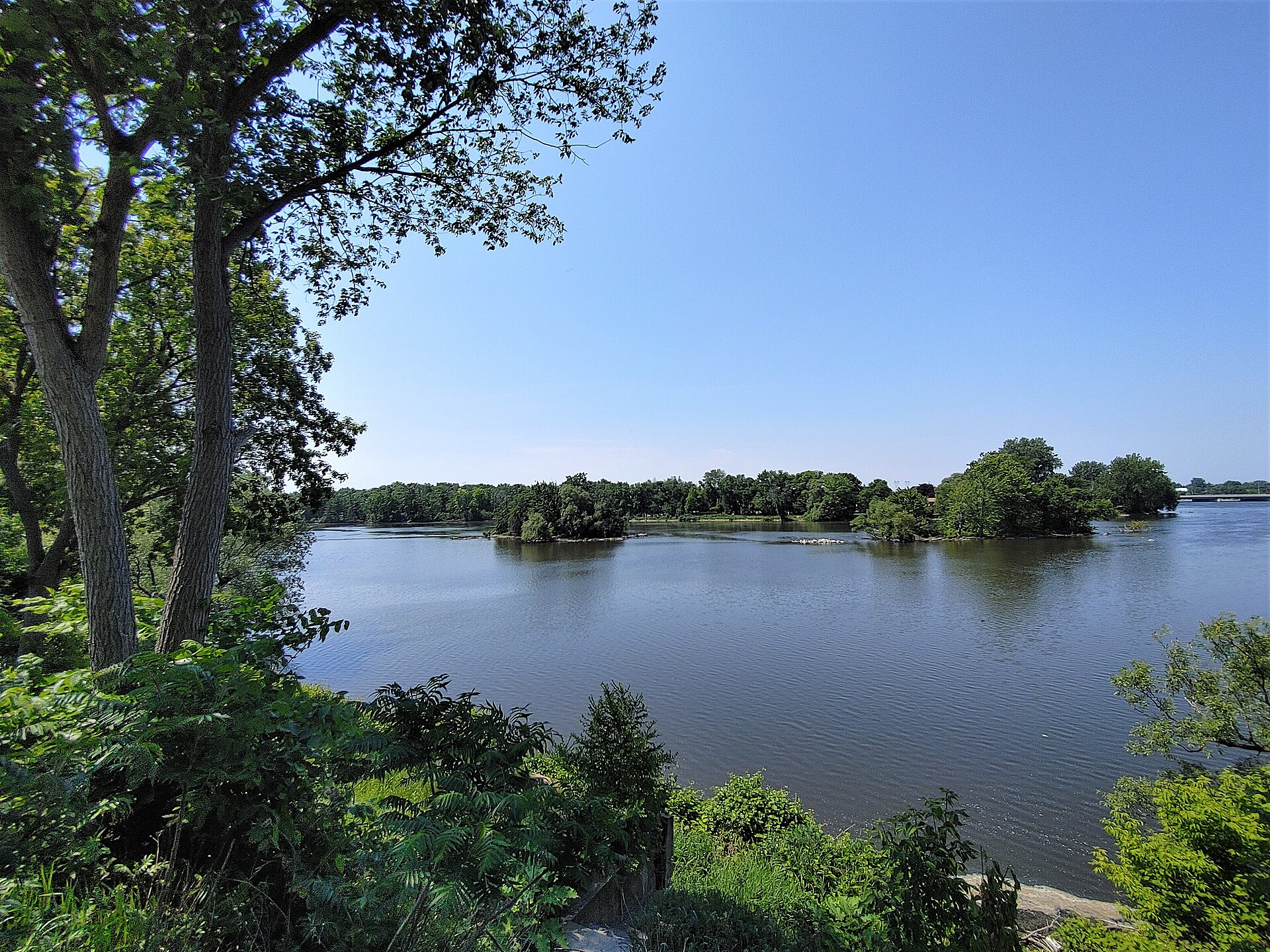
04 La rivière des Mille Îles vue de la rue Saint-Louis, avec l'île Saint-Jean à l'horizon
Nature

The Mille Îles River, the southern border

It runs along the entire southern edge of the city until it meets the Prairies River, and it separates Terrebonne from Laval. Île Saint-Jean sits right in front of Vieux-Terrebonne, crossed by Highway 25's bridges. Over 200 bird species have been spotted here, from mandarin ducks to great egrets, and the Mascouche River flows into it after crossing the middle of the territory.

Ask me about this: what being close to the river changes for insurance and resale. It's not the same conversation everywhere along the bank.
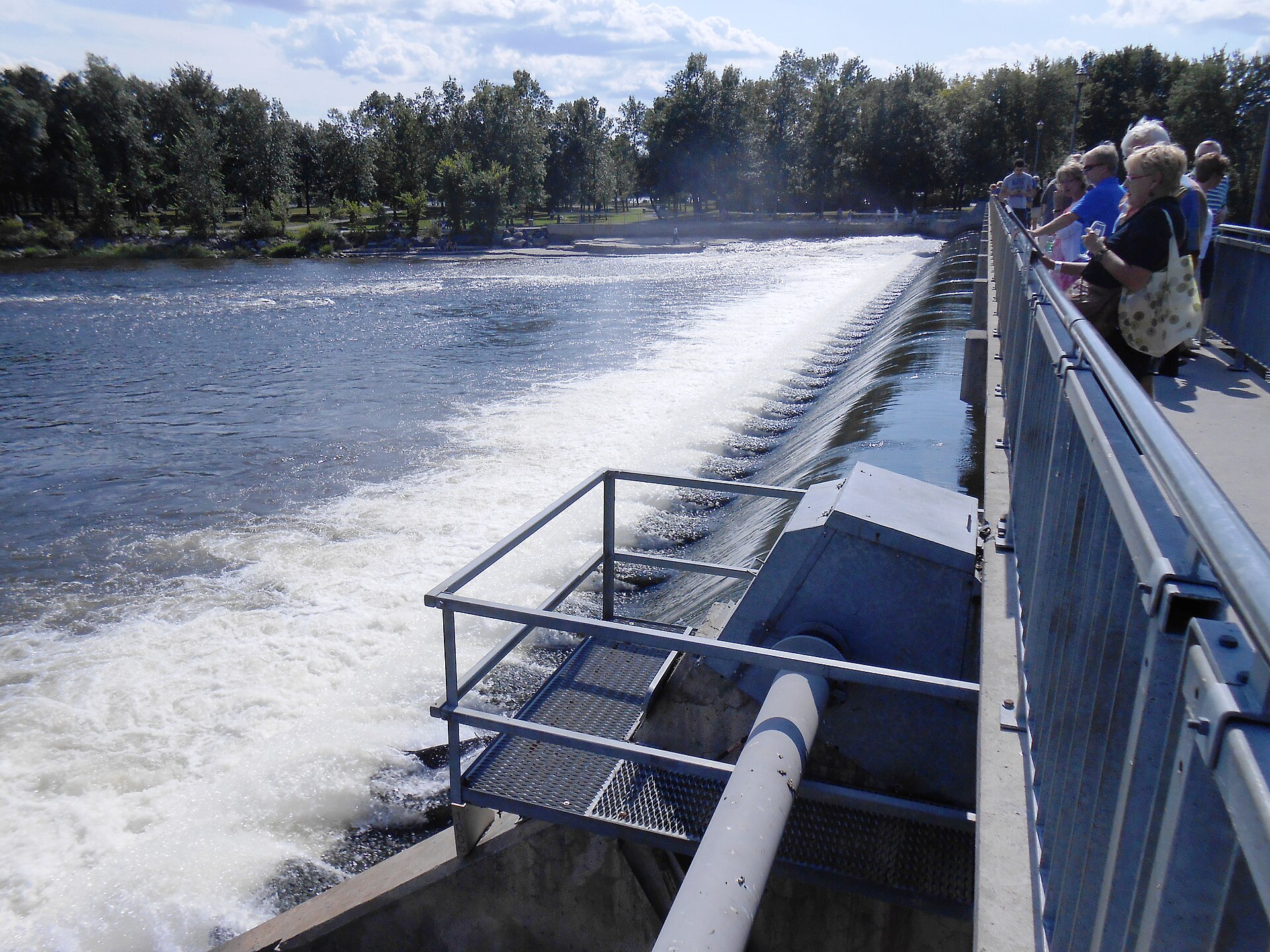
05 Le déversoir du barrage du Moulin-Neuf et sa passerelle piétonnière, à Terrebonne
The detail

The Moulin-Neuf dam and its footbridge

A spillway regulates the river and controls ice in spring, exactly like the first dam built in 1721 to power the mills. Rebuilt in concrete in 1890, dynamited in 1972 by an owner worried about flooding, it was rebuilt by the Quebec government in 1979 with a pedestrian footbridge on top. It's become one of the spots locals bring their visitors, just for the sound of the water.

Ask me about this: the walking route between the dam, the lock and the public square. I walk it with almost all my buyers.
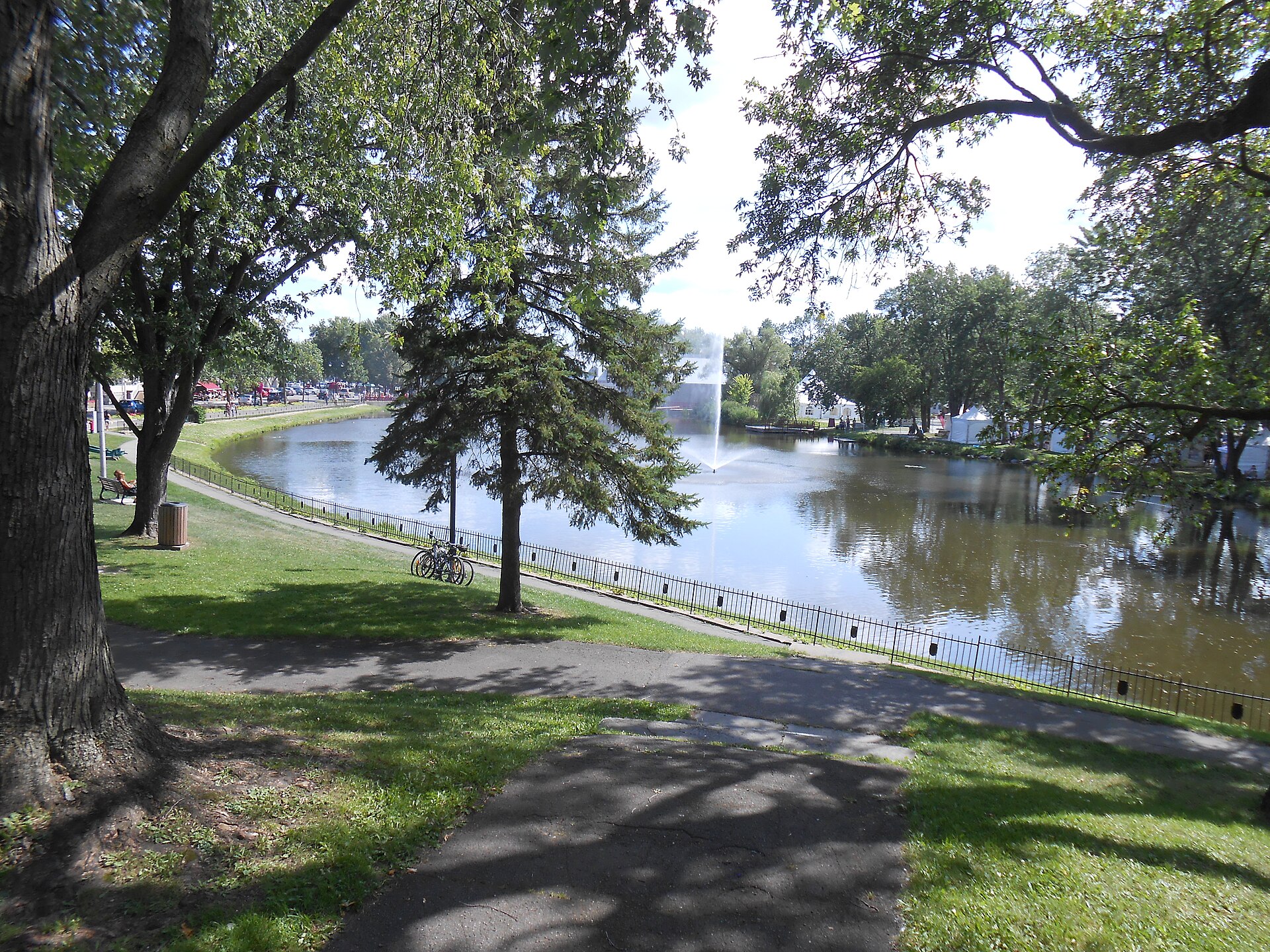
06 Le parc Masson et l'étang des Moulins, avec sa piste et sa fontaine, à Terrebonne
Outdoors

TransTerrebonne and Côte Boisée

Groupe Plein Air Terrebonne maintains close to 20 kilometres of TransTerrebonne trails, including an eastern section that starts in Lachenaie and follows the river to Vieux-Terrebonne. In winter, all of that turns into walking, snowshoeing, cross-country skiing and fatbiking over more than 40 kilometres. Côte Boisée adds downhill skiing, snowboarding and tubing in winter, then mountain biking and trail running in summer. And on July 15, 2026, the city opened the Boisé nature park to the public, 71 hectares built on the former Le Boisé golf course, three quarters of which will stay protected.

Ask me about this: which neighbourhoods give direct access to the trails. Since the nature park opened, it's a question that comes up every week.
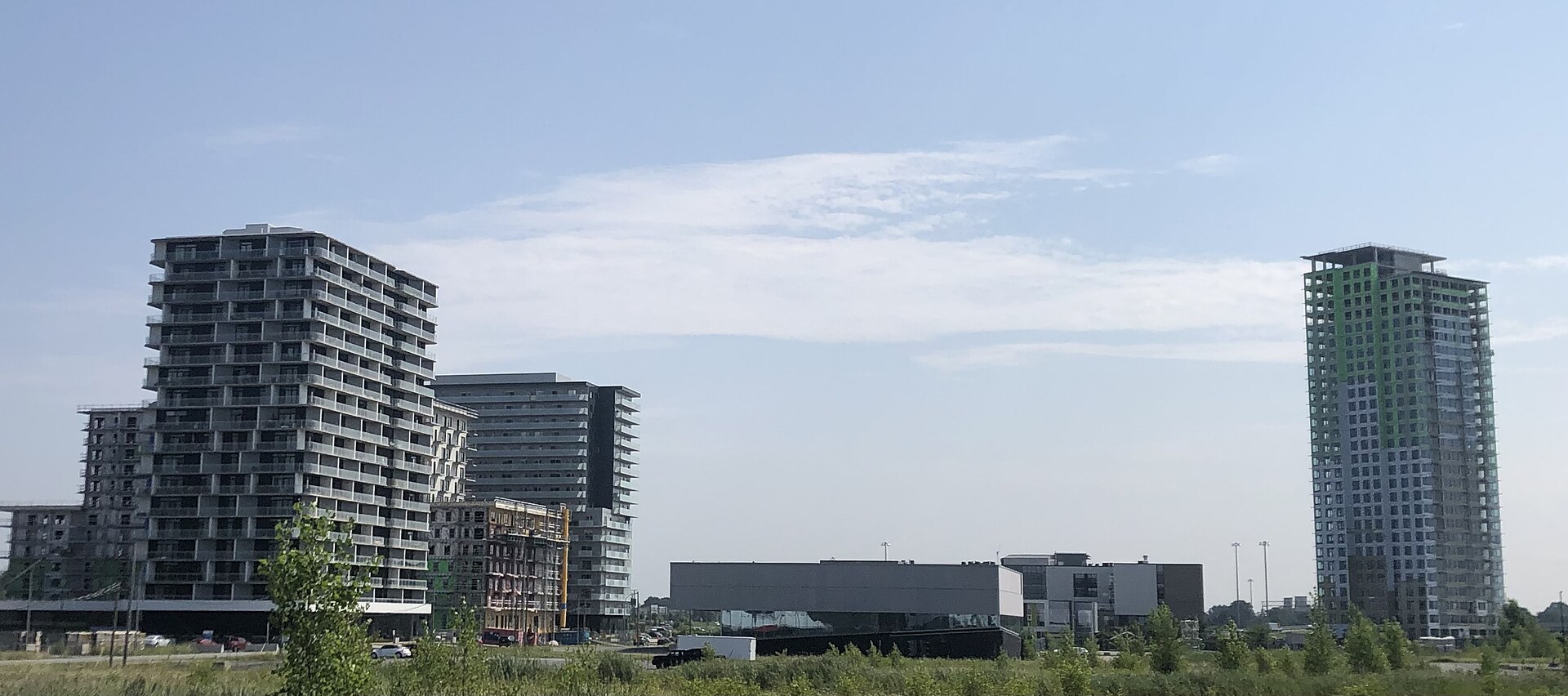
07 Tours résidentielles en construction dans le secteur Lachenaie, à Terrebonne
The neighbourhoods

Three former towns, and a fourth hub on the rise

On August 22, 2001, Terrebonne, Lachenaie and La Plaine merged, and all three names are still used every day to describe where things are. Terrebonne is the historic core and the river. Lachenaie, founded in 1683, has become the fast growing sector, with its new towers and access to Highways 40 and 640. La Plaine offers quieter streets and generally bigger lots. In the southwest, the Urbanova project adds a fourth hub across 1,220 hectares, half of which is protected to form a biodiversity corridor.

Ask me about this: which of the three sectors fits your project best. It's the first question to settle when you're shopping in Terrebonne.
08
Transportation

Getting to Montreal, by car or by train

Highway 25 runs through the city from north to south and heads toward the island, Highway 640 cuts across it east to west, and Highway 40 serves the south end of Lachenaie. Day to day, it's mostly montée Masson, chemin Gascon, boulevard des Seigneurs and chemin Saint-Charles that carry the traffic. On the public transit side, Terrebonne station has been open since December 2014 on the Mascouche line 15, with a park-and-ride lot of about 700 spaces. Since the Côte-de-Liesse station opened on January 12, 2026, the train connects directly to the REM, which cuts the trip downtown significantly shorter. BIXI has also had three stations in the city since 2023, including one at the bus terminus.

Ask me about this: how the new REM connection changes the math for a buyer who works downtown. It's been real since January.
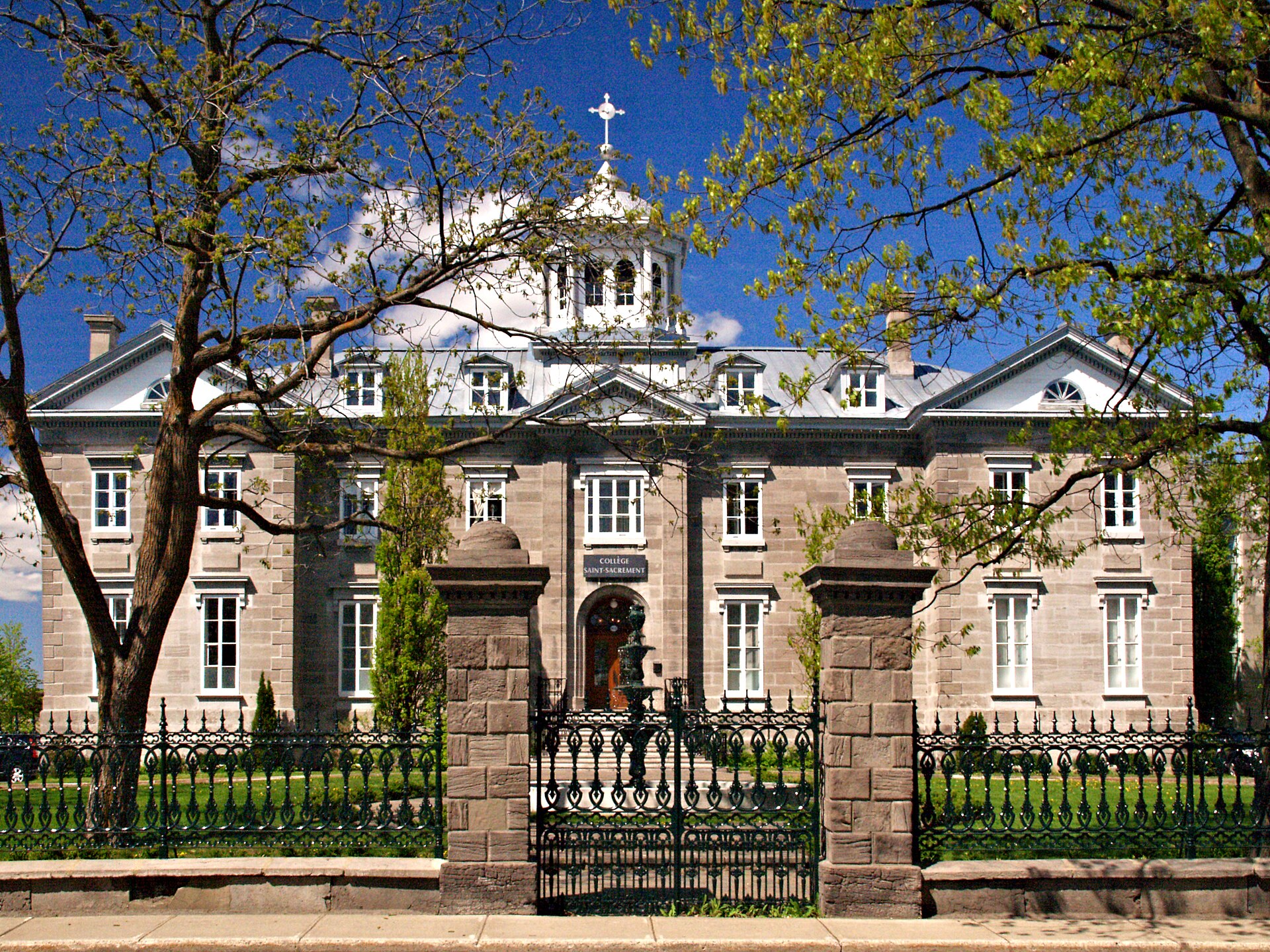
09 La façade en pierre du Collège Saint-Sacrement, rue Saint-Louis à Terrebonne
Family life

A school in almost every rang

Two school service centres share the territory, the Centre de services scolaire des Affluents and the Centre de services scolaire de la Seigneurie-des-Mille-Îles, which adds up to about twenty elementary schools spread across the three sectors. At the high school level, there's Armand-Corbeil, des Rives in Lachenaie, de l'Odyssée in La Plaine, du Havre and des Trois-Saisons. On the private side, Collège Saint-Sacrement has long occupied its large stone building on Saint-Louis street, and École Vision rounds out the offering. The Sir Wilfrid Laurier English school board serves the city from Rosemère, Mascouche and Repentigny.

Ask me about this: which school serves the address you're interested in. The split between the two service centres often surprises buyers.
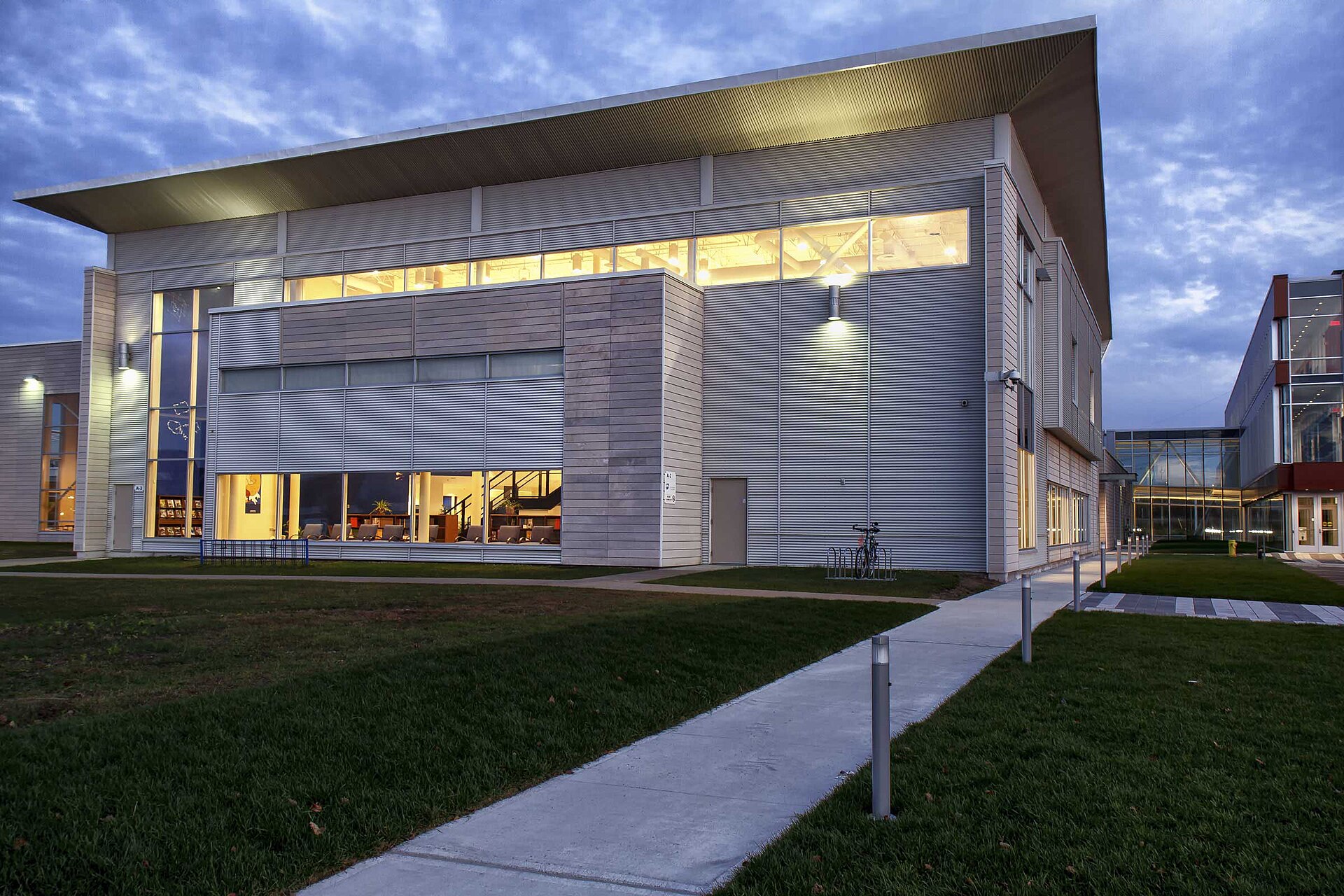
10 Le campus du Cégep régional de Lanaudière à Terrebonne, en fin de journée
The projects

The knowledge and health hub taking shape

Cégep régional de Lanaudière à Terrebonne, near Highway 640, is the city's only college, and UQAM already teaches courses there through its school of management sciences. The city is now planning a university district in west Lachenaie with UQTR: the land was acquired in December 2025 and the first shovel in the ground is targeted for 2027, with a public library in the first phase. Right next door, the expansion of Pierre-Le Gardeur hospital, a $549.6 million project, is welcoming its first patients this year. Add the Urbanova interchange on Highway 640, valued at $92.2 million, and you've got a city building for the next generation.

Ask me about this: what these projects could mean for property values over the next ten years. It's exactly the kind of bet we evaluate together.
Let's talk

Thinking about buying or selling in Terrebonne? Let's start with a conversation.

A free evaluation of your property, a picture of the local market, or simply answers to your questions. No strings attached, and a straight answer.

Start my real estate project

Photo credits